
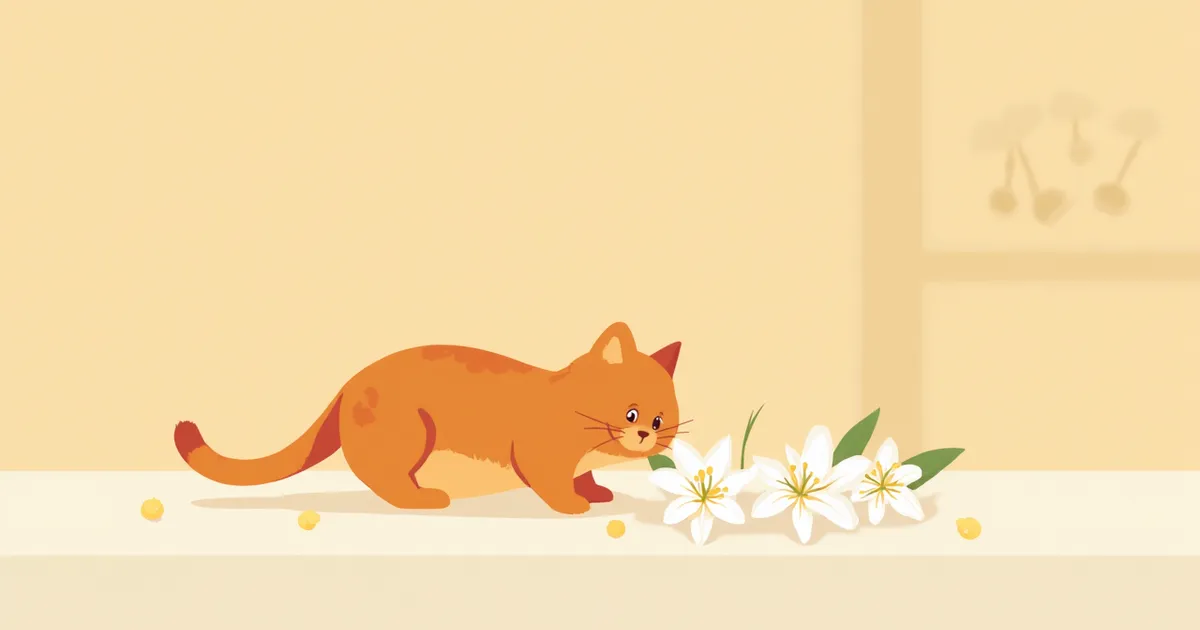
My Cat Licked a Lily — Kidney Failure Risk and the 12-Hour Golden Window
Here’s a summary of what to do within 12 hours if your cat licks lily pollen or chews on the leaves, along with the symptoms that serve as warning signs. This is a true emergency—just a sip of water from a vase containing lilies can lead to acute kidney failure.
What Is Lily Poisoning in Cats?
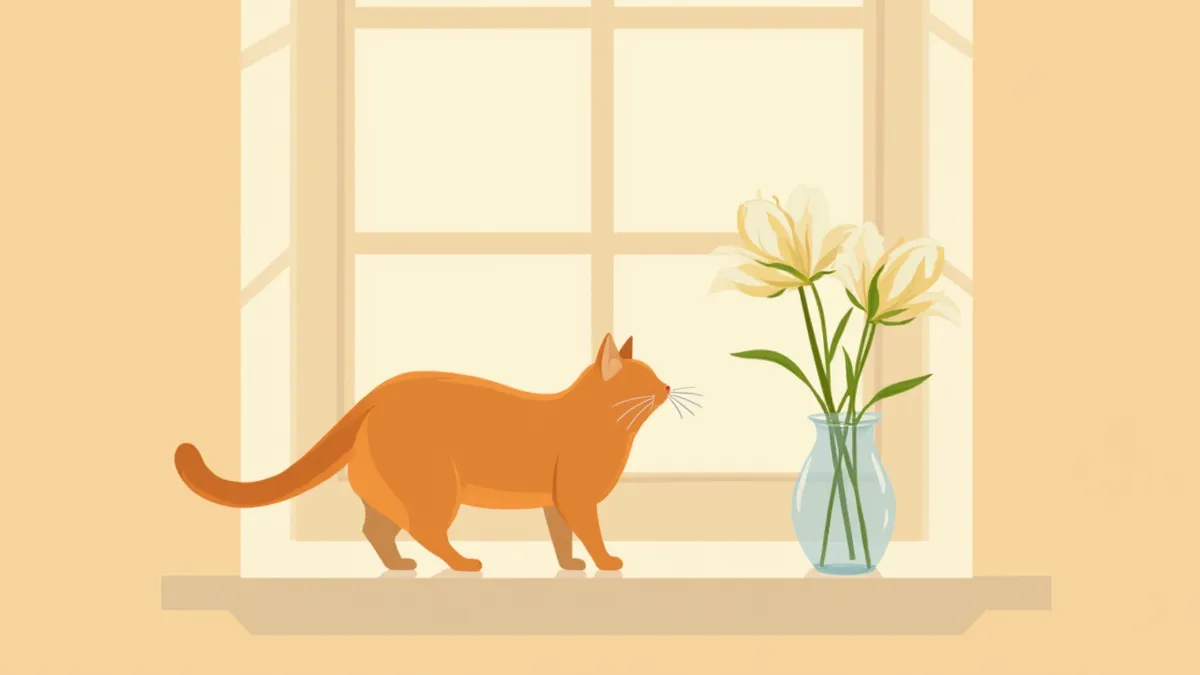
Why Are Lilies So Dangerous Only to Cats?
These Lilies Are Always an Emergency
All of the following plants are nephrotoxic to cats. If you find even one of them in your home, in a received bouquet, or in your garden, head to the vet immediately. Korean wild lilies such as Lilium lancifolium, Lilium distichum, and Lilium amabile are equally dangerous.
Dangerous Lilies vs. Safe “Lily-Looking” Flowers
| Item | Risk level | Main exposure parts |
|---|---|---|
| Oriental Lily | ⛔ Fatal | Flowers, leaves, pollen, water |
| Easter Lily | ⛔ Fatal | Flowers, leaves, pollen, water |
| Tiger Lily | ⛔ Fatal | Flowers, leaves, pollen, water |
| Daylily | ⛔ Fatal | Flowers, leaves, pollen, water |
| Asiatic Lily | ⛔ Fatal | Flowers, leaves, pollen, water |
| Calla Lily | ⚠️ Irritation | Oral irritation only |
| Peace Lily | ⚠️ Irritation | Oral irritation only |
Even if the name contains 'lily,' calla and peace lily are not true lilies. However, aside from nephrotoxicity, they do cause oral irritation.
Symptom Signals by Time Since Exposure
What to Do Right Now at Home
Standard Treatment Begins Upon Arrival at the Clinic
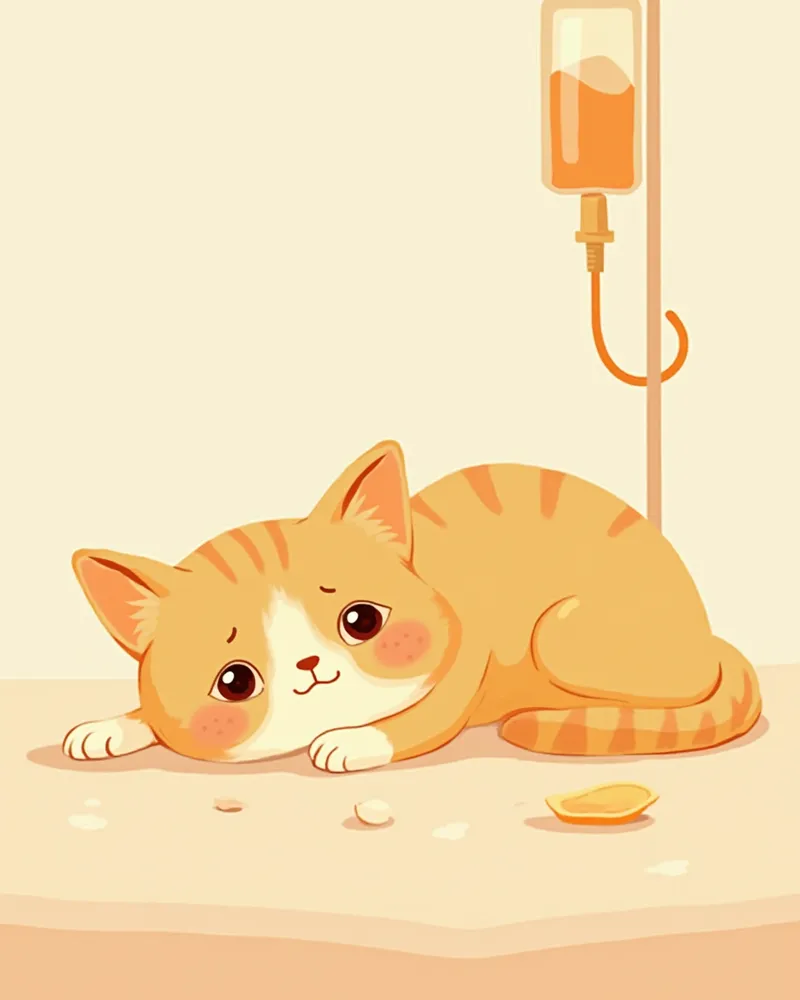
Veterinarians typically follow a five-step protocol: ① inducing vomiting (if within 1–2 hours of exposure), ② administering activated charcoal to block further absorption, ③ providing 24–48 hours of intravenous fluids to flush the kidneys, ④ monitoring kidney damage through blood tests (creatinine, BUN, SDMA, phosphorus) and urinalysis, and ⑤ performing dialysis if necessary. As a pet owner, you don’t need to know the exact medication dosages—just be prepared to consent to hospitalization and diagnostic testing.
Recovery Prospects Based on Lab Values
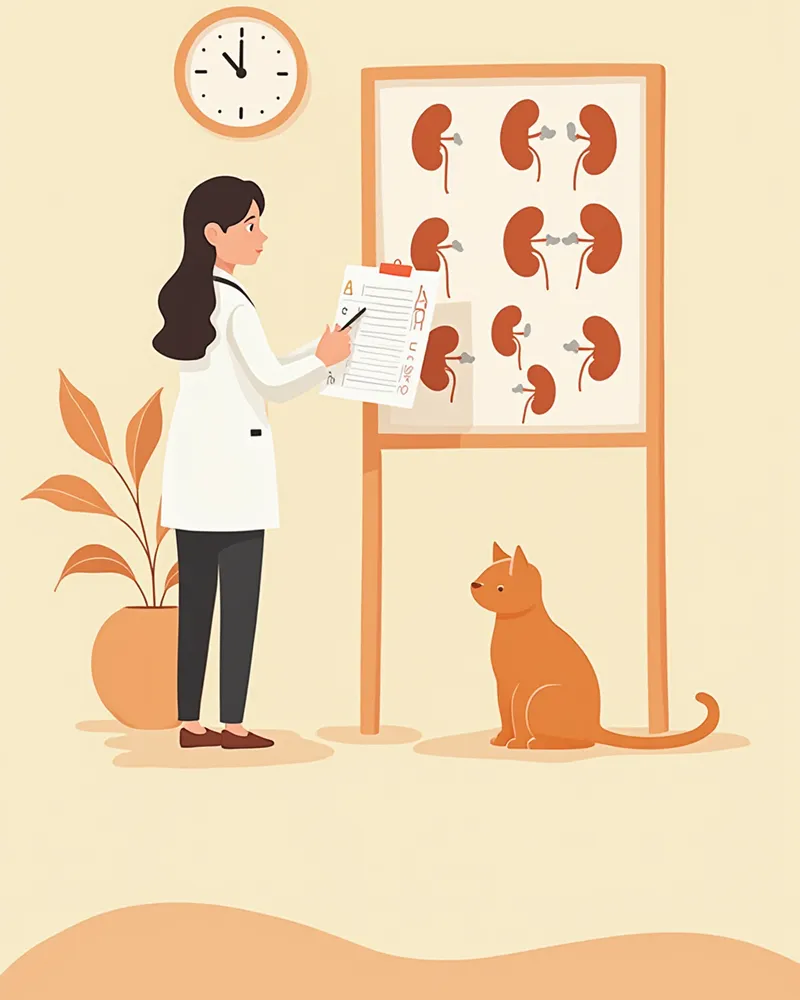
Prevent It From Happening Again — Zero Lilies at Home
Reviewed by a veterinarian

Dr. Tony — Punnawat Phongkittirak
VeterinarianA veterinarian who majored in veterinary medicine at Khon Kaen University, Thailand, and completed the IVSA program at North Carolina State University in the United States. Drawing on clinical experience at animal hospitals, he works in the pet healthcare field and is dedicated to building a digital care environment that connects pet parents with veterinarians.
Reviewed 2026-05-05
Frequently Asked Questions
It only seems to have licked a tiny piece of a petal and looks fine. Should I still take it to the vet?
My pet only drank water from a flower vase. Is that dangerous?
Is it okay to give milk or salt water as first aid?
How much will the treatment cost approximately?
Should I continue having my pet’s kidneys checked even after recovery?
Share
Related Guides
Top 5 Emergency Poisoning Kits for Dogs Recommended by Veterinarians
7 Emergency Checklist Items for Cat Poisoning — Signs to Check Immediately After Exposure
Guide to Low-Fat Prescription Diets
Pros, Cons, and Indications of High-Protein Diets
The Ultimate Guide to Choosing a Puppy Kindergarten or Puppy Class
If Your Cat Is Missing — Search Strategies and Golden Time for Indoor Escape and Outdoor Outing Cases
Is My Dog Okay Alone? How to Monitor Separation Anxiety with a Pet Camera
The Complete Guide to End-of-Life Hospice Care for Pets
Managing Cognitive Decline in Senior Cats
How Old Is Your Cat in Human Years? — A Complete Guide to Age Conversion by Life Stage
References
[1] Hall JA, et al., Clinical Medicine of the Dog and Cat, 4th Ed — Acute Kidney Injury and Toxic Nephropathy
[2] Notes on Canine Internal Medicine, 4th Ed — Renal: AKI Diagnostic Significance
[3] Urinalysis in the Dog and Cat — Azotemic CKD and Creatinine Clearance
[4] Bates N, Rawson-Harris P, Edwards N. Lily poisoning in cats. UK Vet Companion Animal, 2013
[5] Fitzgerald KT. Lily toxicity in the cat. Topics in Companion Animal Medicine, 2010;25(4):213-217