Like
Share
멍실장
강아지 고양이 미네랄 결핍 신호 총정리

Complete Guide to Mineral Deficiency Signs in Dogs and Cats

ImmunityQ&AMeongsiljang Veterinary Advisory Board

We’ve compiled a guide to the signs of mineral deficiency in dogs and cats, including the specific symptoms associated with each key mineral and practical checkpoints for pet owners to monitor at home.

What Is Mineral Deficiency in Pets?

An illustration showing the essential minerals needed by dogs and cats.
Mineral deficiency in pets is a nutritional condition that occurs when the body doesn’t receive enough essential minerals like calcium, phosphorus, magnesium, and zinc, leading to problems with bones, muscles, immunity, and skin. Early signs can be subtle, such as a dull coat or changes in appetite. However, if left untreated for too long, it can weaken bones and even disrupt muscle and heart rhythms, making it crucial to catch the warning signs early. This is especially important for pets on homemade diets, those with picky eating habits, or animals with chronic health conditions, who require closer monitoring.

Why Does Mineral Deficiency Occur?

The most common cause is an imbalanced diet. Feeding a homemade, meat-heavy diet for an extended period can easily disrupt the calcium-to-phosphorus ratio. The next major factor is chronic disease. Conditions such as chronic kidney disease, along with persistent diarrhea and vomiting, can cause minerals like magnesium and potassium to be lost through urine and feces. Finally, there are absorption issues. If pancreatic function declines or enteritis recurs, nutrients may not be properly absorbed, even from high-quality food. Even healthy pets can develop specific mineral deficiencies if they are overfed inappropriate treats or supplements.

Comparison of Deficiency Signs by Key Mineral

ItemCalcium/PhosphorusMagnesiumZincIron
Representative SymptomsBone weakening, limpingMuscle tremors, arrhythmiaSkin scaling, hair lossPale gums, fatigue
Early SignsLoose teethLoss of appetite, lethargyPaw pad cracksExercise avoidance
Common SituationsPicky eating on homemade meat dietsChronic diarrhea, malabsorptionPicky eating, low-cost foodBleeding, parasitic infection
Confirmation MethodBlood test, X-rayBlood electrolyte testSerum zinc levelComplete blood count (CBC)

The figures and diagnoses in this table must be confirmed by a veterinarian's comprehensive diagnosis.

Checkpoints You Can Verify at Home

- Coat and Skin: The coat loses its shine, becomes dry and brittle, and you may notice excessive dandruff. - Appetite and Weight: Your pet eats less without an obvious reason or experiences unexplained weight loss. - Mobility: They hesitate to climb stairs or jump, or they limp. - Muscles: You may observe trembling in the hind legs or twitching of the eyelids. - Gums: Instead of a healthy pink, the gums appear pale or grayish. - Teeth: Teeth break easily or become loose. If you notice several of these signs occurring together or persisting for more than a few days, consider the possibility of a mineral imbalance and consult your veterinarian. This is especially important for pets with conditions that cause significant mineral loss, such as chronic diarrhea or kidney disease.
Illustration of mineral deficiency checkpoints that pet owners can check at home

Go to the Vet Immediately If You See These Signs

Severe muscle tremors, sudden seizures, inability to stand, or an irregular heartbeat may be emergency signs of severe magnesium and calcium deficiency. According to veterinary internal medicine textbooks, this condition can lead to cardiac conduction disorders, so do not wait 24 hours—go to an emergency animal hospital immediately. This is especially urgent for pets undergoing treatment for chronic diarrhea or kidney disease.

How Is It Diagnosed at the Clinic?

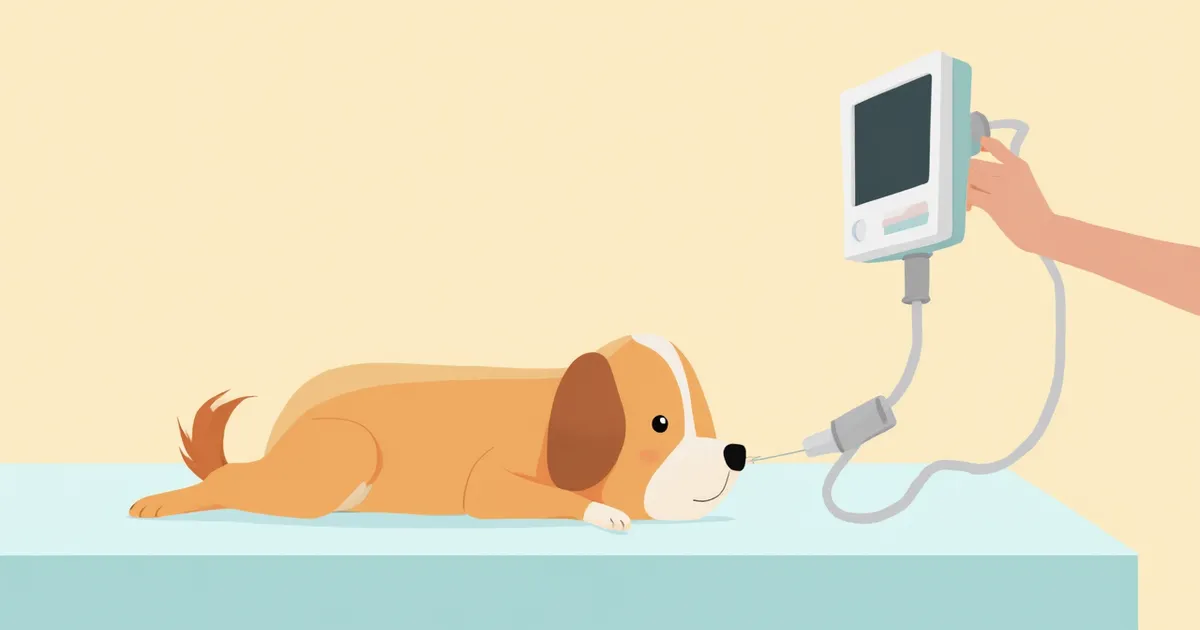
It’s difficult to confirm a mineral deficiency based on appearance alone. In the clinic, we typically perform blood tests (electrolyte and mineral panels) and a complete blood count (CBC), along with X-rays or ultrasound if needed. Because the calcium-to-phosphorus ratio is critical, we don’t rely on individual values alone. Your veterinarian will assess your pet’s weight, age, diet, and any underlying conditions to determine which minerals are lacking and by how much, then recommend an appropriate supplementation plan. Be cautious about overusing mineral supplements based solely on at-home test kits or online information, as this can actually interfere with the absorption of other essential minerals.
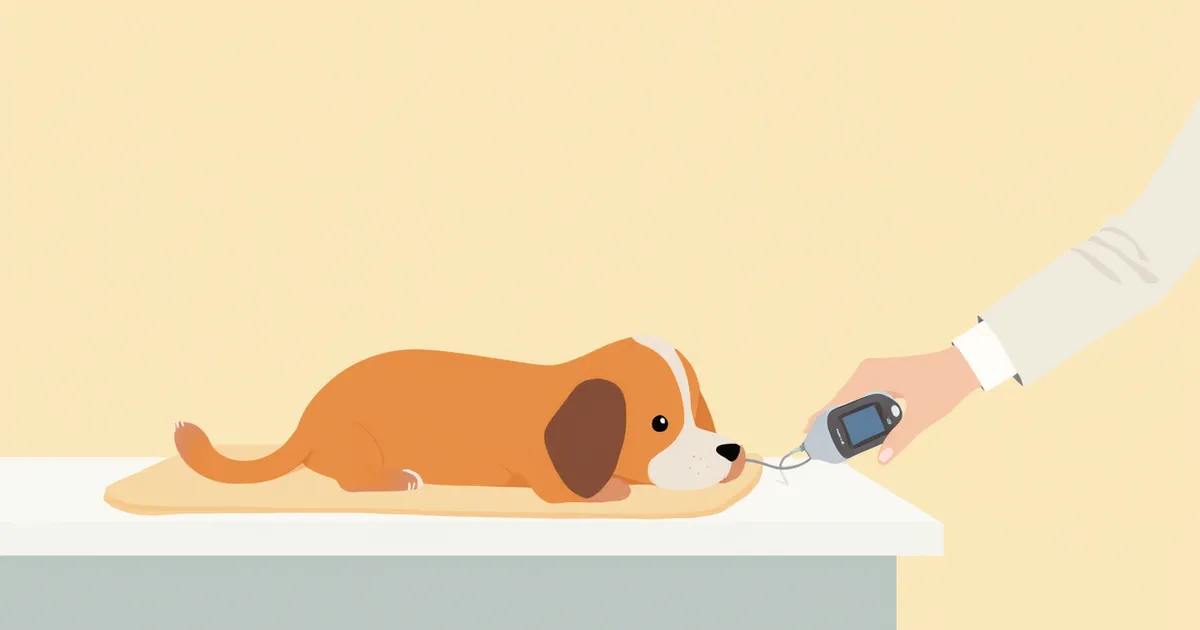
A veterinarian draws blood from a puppy to diagnose a mineral deficiency.

Management Tips You Can Do at Home

- Stick to complete and balanced diets: Choose foods that meet the standards set by the Association of American Feed Control Officials (AAFCO). - Use expert recipes for homemade meals: Only follow recipes designed by veterinary nutritionists. - Never self-prescribe supplements: Start calcium or multimineral supplements only after consulting your veterinarian. - Schedule regular check-ups for chronic conditions: If your pet has kidney, liver, or intestinal disease, monitor mineral balance through routine blood tests. - Ensure adequate hydration: Dehydration can worsen mineral imbalances.

Excess Is as Dangerous as Deficiency

More isn’t always better when it comes to minerals. Excessive calcium can disrupt the metabolic balance of other minerals, and in growing large-breed dogs, it may lead to bone and skeletal development issues. In cats, electrolyte imbalances involving magnesium can affect overall health, including the urinary tract. Always consult your veterinarian before combining multiple supplements.

Reviewed by a veterinarian

Dr. Tony — Punnawat Phongkittirak

Dr. Tony — Punnawat Phongkittirak

Veterinarian

A veterinarian who majored in veterinary medicine at Khon Kaen University, Thailand, and completed the IVSA program at North Carolina State University in the United States. Drawing on clinical experience at animal hospitals, he works in the pet healthcare field and is dedicated to building a digital care environment that connects pet parents with veterinarians.

Frequently Asked Questions

Does feeding a balanced diet alone prevent mineral deficiencies?
Most healthy pets do just fine on a consistent diet of complete and balanced food. However, in cases with significant nutrient loss—such as chronic diarrhea, kidney disease, or advanced age—food alone may not be enough, making regular veterinary check-ups essential.
I’m feeding my pet a homemade diet. How should I make sure they get enough minerals?
Homemade, meat-heavy diets can easily throw off the calcium-to-phosphorus ratio. Use recipes formulated by veterinary nutritionists, and administer bone meal or comprehensive mineral supplements only after consulting your veterinarian to ensure accurate dosing.
Can I just give my pet a general multivitamin and mineral supplement?
Human products have different dosages and ingredient ratios, which can be dangerous. Even with pet-specific supplements, if your pet has underlying health conditions or is taking other supplements, there could be interactions, so it's safest to consult your veterinarian.
How long does it take for a mineral deficiency to resolve?
If the issue stems from a mild dietary imbalance, it can often improve once the underlying cause is corrected. However, if weakened bones or a chronic condition are to blame, long-term management is necessary, along with treatment of the underlying disease.
Do cats show similar symptoms to dogs?
While the overall picture is similar, cats are more prone to magnesium imbalances. In particular, cats with chronic kidney disease can develop muscle weakness due to magnesium deficiency, making regular electrolyte testing essential.

Share

Related Guides

References

[1] Applied Veterinary Clinical Nutrition, 2nd Ed - Mineral Deficiencies and Imbalances

[2] Nutrient Requirements of Dogs and Cats (NRC) - Mineral Metabolism and Requirements

[3] Small Animal Critical Care Medicine, 3rd Ed - Magnesium Disorders

[4] Feline Emergency and Critical Care Medicine, 2nd Ed - Hypomagnesemia

This information is based on veterinary literature and does not replace diagnosis or treatment. Please consult a veterinarian for specific health concerns.

Metapet Co., Ltd. | CEO: Park Sung-yong | Business Reg. No. 417-88-02562 | Seoul, South Korea | Customer Center

Mineral Deficiency Signs in Dogs and Cats: Complete Guide | Meongsiljang