Like
Share
멍실장
강아지 고양이 비타민 결핍 신호 총정리

Vitamin Deficiency in Dogs and Cats: What Are the Warning Signs? — From Symptoms to Supplementation

ImmunityQ&AMeongsiljang Veterinary Advisory Board

Vitamin deficiencies in pets often first manifest as skin, neurological, or immune system abnormalities. We’ve outlined how to recognize these early warning signs and review your pet’s diet and supplementation strategy.

Why Are Vitamin Deficiency Signals Important?
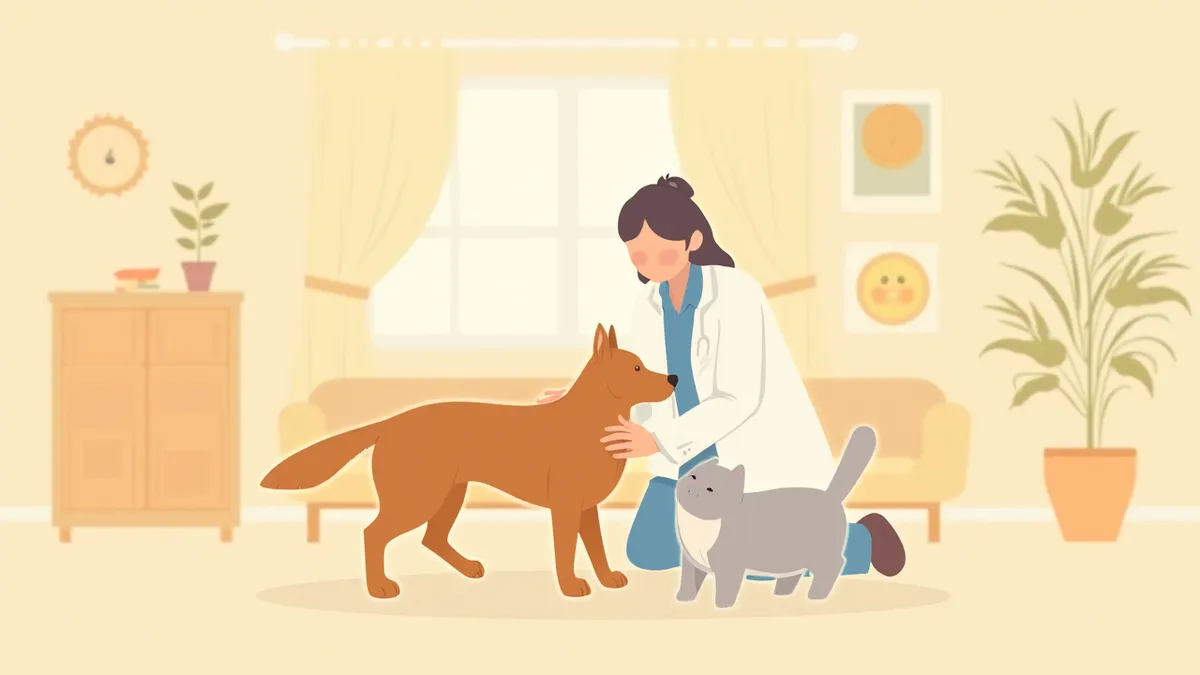
A guardian checking the health status of their dog and cat
Vitamin deficiency in pets is a nutritional imbalance that weakens skin, nerve, and immune function, sending signals throughout the body. Early detection is key. If you notice subtle changes such as dull, brittle fur, reduced appetite, or lethargy persisting for more than two weeks, it may be more than just a temporary dip in condition. This is especially true for pets on homemade, raw, or single-ingredient diets, where nutritional balance should be carefully evaluated.

Why Do Vitamin Deficiencies Occur?

Vitamin deficiencies usually stem from diet. While they’re rare in pets fed only commercial pet food, they can easily occur with homemade diets, raw feeding, picky eating, or a diet heavily reliant on limited treats. Deficiencies can also arise when absorption is impaired due to chronic enteritis or pancreatic and liver diseases. Additionally, prolonged antibiotic use, reduced appetite in senior pets, or the sharply increased nutritional demands of pregnancy and lactation can all lead to vitamin deficiencies.

At-a-Glance: Key Deficiency Signs by Vitamin

Each vitamin deficiency shows different signs. First, try matching the symptoms you see in your pet with the corresponding vitamin in the table below. However, since a definitive diagnosis cannot be made based on symptoms alone, consult your veterinarian for blood tests if you suspect a deficiency.

Summary of Deficiency Symptoms by Vitamin

ItemVitamin AB VitaminsVitamin DVitamin E
Skin/CoatKeratinization abnormalities, dry skinDermatitis, hair loss, scalingCats: yellow fat disease (steatitis), nodular fat that is painful to the touch
EyesNight blindness, dry eye (keratoconjunctivitis sicca), conjunctivitis, corneal opacity/ulcer
Nervous SystemSeizures, gait abnormalities, learning impairmentHypersensitivity on palpation (pain response)
Bone/MuscleRickets, osteomalaciaSkeletal muscle inflammation (myositis), myocarditis
OtherReduced immunityLoss of appetite, weight lossGrowth retardationDepression, loss of appetite, splenomegaly

Compiled based on veterinary internal medicine textbooks and the U.S. National Research Council (NRC) standards.

Checklist for Home Observation

These are the early signs that pet owners are most likely to notice first. Skin and coat: Dryness, dandruff, patchy hair loss, and slow-healing wounds Eyes: Bumping into objects in low light or excessively dilated pupils Appetite and weight: Leaving food uneaten or gradual weight loss Movement: Hesitation on stairs or wobbling hind legs Behavior: Lethargy or sudden irritability If two or more of these symptoms persist for over two weeks, a veterinary visit is necessary.
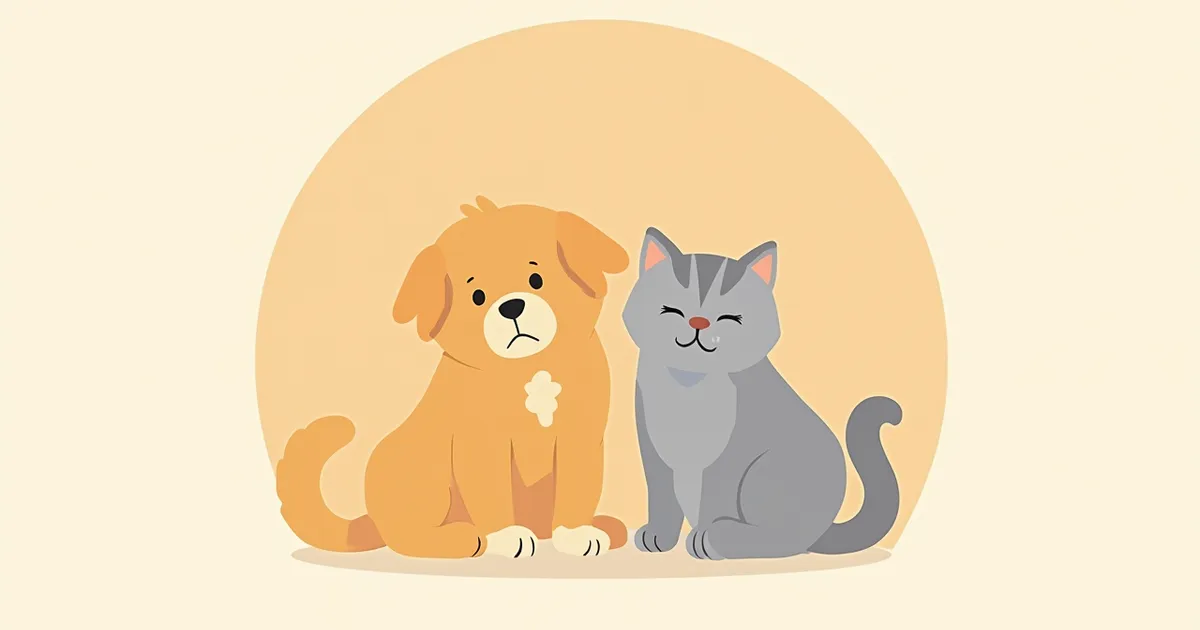
A dog or cat with dry, brittle fur and a lackluster appearance.

Emergency Signs Requiring Immediate Veterinary Care

Seizures, hind limb paralysis, severe gait ataxia, or sudden vision loss may signal vitamin B1 (thiamine) deficiency or serious metabolic disturbances. In cats, thiamine deficiency can rapidly lead to neurological damage, so immediate veterinary care is essential once symptoms appear. This is especially important for cats fed a diet primarily consisting of raw food or canned tuna.

How Is Diagnosis Performed at the Clinic?

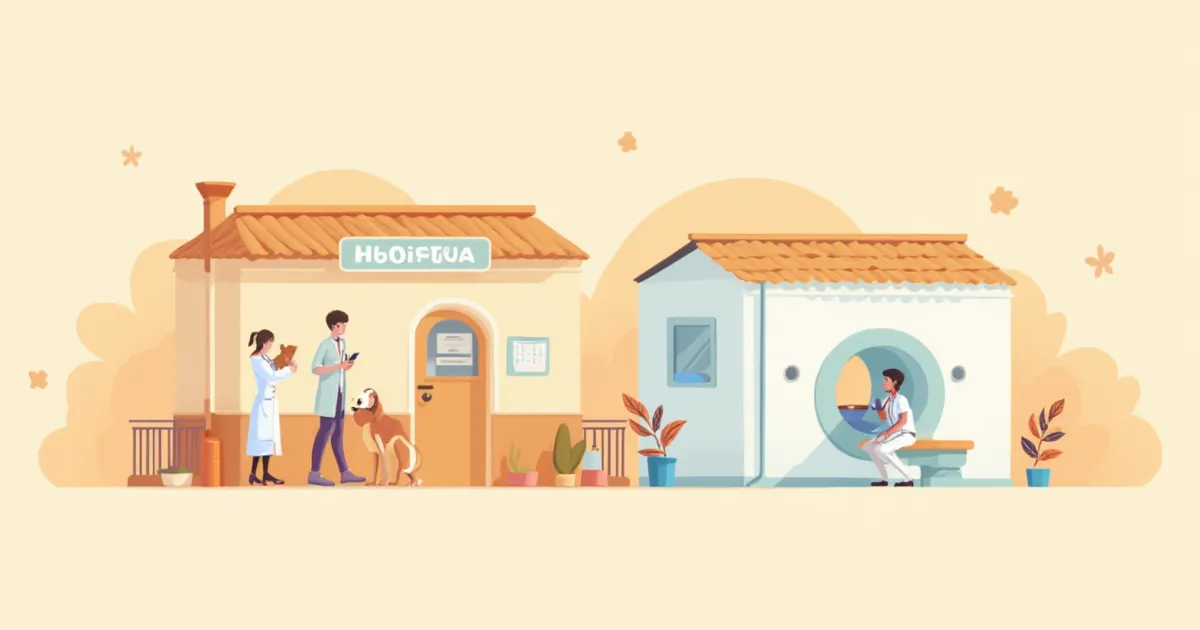
Vitamin deficiencies are difficult to diagnose based on symptoms alone, so blood tests and dietary analysis are used together. A general blood test is first performed to check for anemia, liver enzyme levels, and protein levels. If necessary, vitamin B12 (cobalamin) and folate levels are measured separately. If skin symptoms are the primary concern, skin scrapings and hair tests are conducted to rule out other skin conditions. Bringing a two-week record of your pet’s diet in advance will significantly speed up the diagnostic process.
A veterinarian performing a blood test on a puppy.

Treatment and Home Care Methods

Treatment depends on the underlying cause of the deficiency. If dietary imbalance is the culprit, switching to a complete and balanced diet is key. When malabsorption is involved, injections or oral supplements may be used alongside dietary changes. Your veterinarian will determine the appropriate dosage and schedule based on your pet’s weight and the severity of the deficiency. It’s crucial that you never give human vitamins without veterinary guidance, as overdosing—especially with vitamins D and A—can be dangerous, making precise dosing essential.

Precautions for Owners Feeding Homemade or Raw Diets

Long-term feeding of homemade or raw diets most commonly leads to vitamin and mineral deficiencies. Typical examples include recipes lacking a complete vitamin premix or fish-based diets in which thiamine is destroyed. Avoid maintaining a single diet for extended periods without consulting a veterinary nutritionist, and have your pet’s nutritional status checked via blood tests every six months.

Dietary Management Points for Prevention

The easiest way to prevent nutritional issues is to make a complete and balanced diet that meets AAFCO standards your pet’s main food source. Keep treats to no more than 10% of their total daily caloric intake, and if you’re supplementing with homemade meals, have the recipes reviewed by a veterinary nutritionist. Senior dogs and cats, pets with chronic conditions, and those who are pregnant or nursing have different nutritional needs, so we recommend including a nutritional assessment during their regular health checkups.

Reviewed by a veterinarian

Dr. Tony — Punnawat Phongkittirak

Dr. Tony — Punnawat Phongkittirak

Veterinarian

A veterinarian who majored in veterinary medicine at Khon Kaen University, Thailand, and completed the IVSA program at North Carolina State University in the United States. Drawing on clinical experience at animal hospitals, he works in the pet healthcare field and is dedicated to building a digital care environment that connects pet parents with veterinarians.

Frequently Asked Questions

Can I give my pet human multivitamins?
No, human vitamins are not suitable for pets. Their dosages are significantly higher than what’s safe for animals, and fat-soluble vitamins (A, D, E, and K) can accumulate in the body, potentially causing toxicity. Always consult your veterinarian before giving your pet any supplement, and use only products specifically formulated for animals.
Can my pet still be deficient in vitamins even if they eat a good quality diet?
If your pet is eating a complete and balanced diet in sufficient amounts, nutrient deficiencies are rare. However, if there are underlying conditions such as malabsorption, chronic diarrhea, or liver and pancreatic diseases, deficiencies can still occur even with adequate intake. Therefore, it's important to first check for any underlying health issues.
Is it safe to give supplements to my pet long-term?
Fat-soluble vitamins (A, D, E, and K) can accumulate in the body and cause toxicity when present in excess. In particular, an excess of vitamin D can disrupt calcium metabolism and lead to calcium deposition in tissues, so long-term supplementation should always be administered under a veterinarian’s guidance with carefully adjusted dosages.
What vitamin deficiency is especially dangerous for cats?
Thiamine (vitamin B1) deficiency is the most dangerous. When thiamine is destroyed in a fish-based diet, neurological symptoms such as seizures and gait abnormalities can appear rapidly. You should visit an animal hospital immediately upon noticing any symptoms.
My pet’s skin is dry and flaky. Should I start giving them a supplement right away?
Dry, brittle fur can stem from various causes beyond vitamin deficiencies, including thyroid disorders, parasites, and allergies. Starting with supplements before identifying the underlying cause may delay diagnosis, so please have your pet examined by a veterinarian first.

Share

Related Guides

References

[1] National Research Council. Nutrient Requirements of Dogs and Cats. 2006

[2] BSAVA Manual of Canine and Feline Dermatology, 4th Edition

[3] Fundamentals of Veterinary Clinical Pathology, 3rd Edition

[4] Irle E, Markowitsch HJ. Thiamine deficiency in the cat leads to severe learning deficits and to widespread neuroanatomical damage. Exp Brain Res 48:199-208, 1982

This information is based on veterinary literature and does not replace diagnosis or treatment. Please consult a veterinarian for specific health concerns.

Metapet Co., Ltd. | CEO: Park Sung-yong | Business Reg. No. 417-88-02562 | Seoul, South Korea | Customer Center

Vitamin Deficiency in Dogs and Cats: Signs and Supplements | Meongsiljang