Like
Share
멍실장
세균 배양·감수성 검사란? 꼭 해야 할 때와 결과 해석법

Bacterial Culture and Susceptibility Test: When It’s Needed and How to Interpret Results

ImmunityQ&AMeongsiljang Veterinary Advisory Board

A bacterial culture and susceptibility test is a precise diagnostic tool used to identify the specific bacteria causing an infection and determine which antibiotic will be most effective. Here’s when this test is needed and how to interpret the results.

What Is a Bacterial Culture and Susceptibility Test?
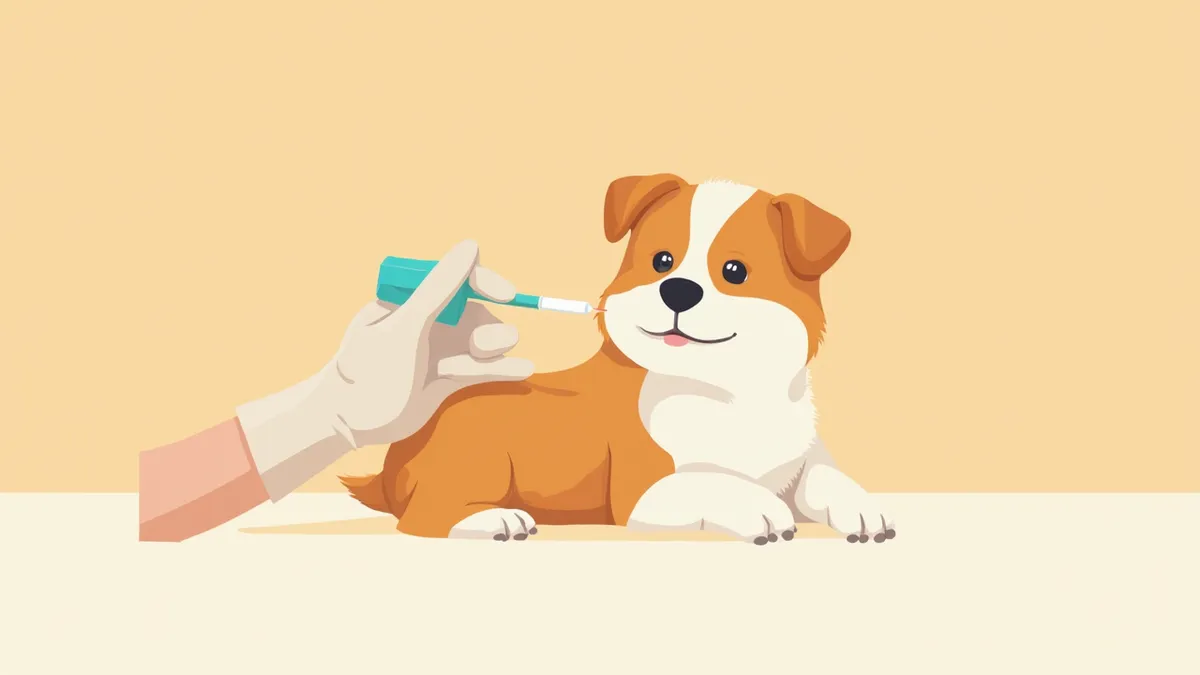
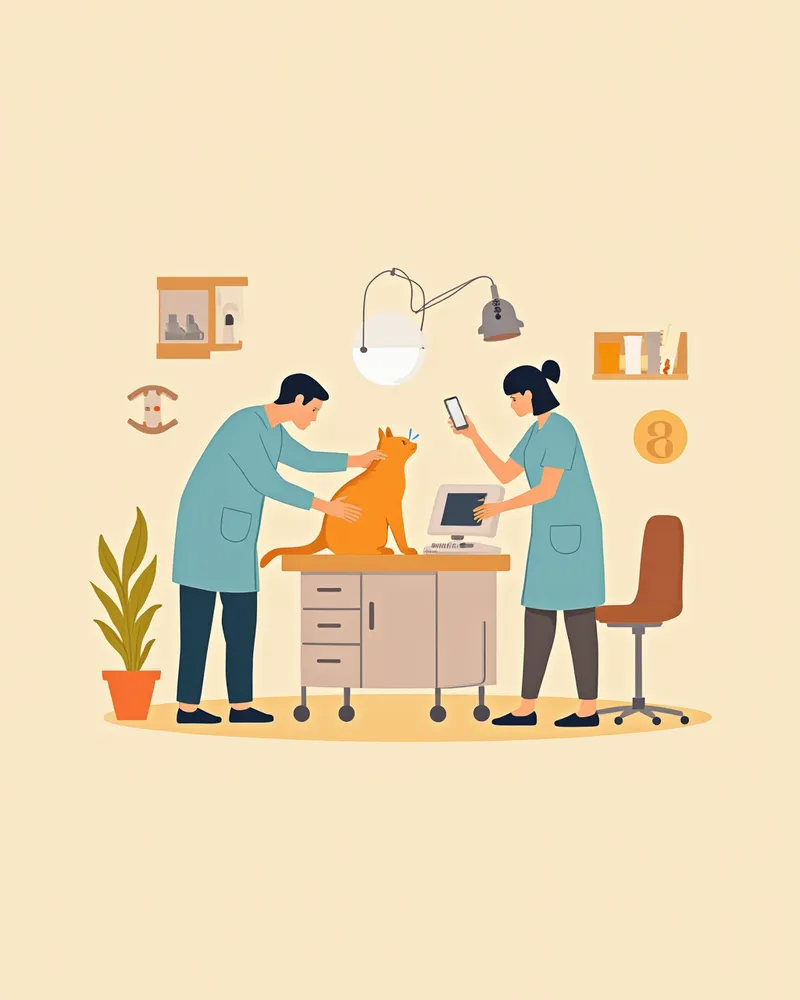
A veterinarian collecting a bacterial culture sample from a puppy
A bacterial culture and susceptibility test is a precise diagnostic procedure in which a sample taken from the infected site is cultured to identify the causative bacteria and determine which antibiotic is most effective against them. Accurate antibiotic selection is key. Empirically prescribing antibiotics based solely on symptoms can leave resistant bacteria behind, leading to recurrence or prolonged treatment. Therefore, in cases of recurrent infections, severe infections, or immunocompromised states, this test is the decisive factor in treatment success.

When Is It Absolutely Necessary?

Culture and sensitivity testing is essential when infections do not respond well to empirical antibiotics or recur frequently. It is particularly recommended in the following cases: - Chronic otitis externa: When rods (bacilli) are identified on cytology, when there is no response after multiple treatments despite the presence of cocci, or when otitis media is present. However, because in vitro susceptibility results may not always correlate with in vivo treatment outcomes in otitis externa (especially with topical therapy), culture results must always be interpreted by a veterinarian in conjunction with clinical findings. - Recurrent pyoderma: When there is no improvement despite switching antibiotics. - Lower urinary tract infections: When infection recurs shortly after treatment. - Post-surgical wound infections and abscesses: When purulent discharge is cloudy or foul-smelling. - Suspected pneumonia or sepsis: In cases of severe systemic infection. - Immunocompromised pets: Including those with Cushing’s disease, diabetes, or undergoing cancer treatment.

How Are Samples Collected?

The sample collection method varies depending on the site of infection. It is crucial to collect samples before administering antibiotics to ensure accurate results. - Otitis externa: Collect exudate from deep within the external ear canal using a sterile swab. - Skin infections: Use a sterile needle to lance pustules and collect the internal contents (avoid crusts or surface lesions, as they are prone to contamination by environmental bacteria). - Urine: Cystocentesis (direct collection from the bladder using a sterile needle) is the standard method. Natural voided urine (midstream catch) may be contaminated with cells and bacteria from the lower urinary tract, requiring careful interpretation. - Blood culture: If sepsis is suspected, collect samples aseptically at the earliest stage of diagnosis, as results can take several days and delay treatment. - Wounds and abscesses: After aseptic preparation, collect samples from deep tissues or purulent exudate rather than using surface swabs.
A cat having urine collected from its bladder under ultrasound guidance

Be Sure to Inform Us If Antibiotics Were Taken Before the Test

If your pet is already taking antibiotics, bacterial growth may be suppressed, leading to a false-negative culture result. This can make it difficult to identify the actual causative bacteria, potentially complicating treatment. Whenever possible, it is recommended to discontinue antibiotics for an adequate period before sample collection; however, the appropriate withdrawal time varies depending on the severity of the infection and the specific medication used, so please consult your veterinarian. In cases of severe infection, your veterinarian may decide to collect the sample while your pet is still on antibiotics. Please inform your veterinarian of all medications, supplements, and underlying health conditions your pet currently has.

How Long Does It Take to Get Results?

Standard aerobic bacteria typically require at least 48 hours after sample submission, and if selective or extensive subculturing is needed, it may take up to seven days. Specialized organisms such as mycobacteria and fungi require specific culture conditions and must be sent to specialized laboratories, which can significantly extend the time required for results. Once the culture is complete, susceptibility testing is performed by placing various antibiotic disks on the isolated bacteria to determine which drugs inhibit their growth. Until the results are available, the veterinarian will prescribe empiric antibiotics, which are then switched to the most effective medication once the susceptibility results are in.

Criteria for Interpreting Susceptibility Results

ItemNotationMeaningClinical interpretation
S (Susceptible)SusceptibleTherapeutic effect expected at standard doseFirst choice
I (Intermediate)IntermediateEffective only at high doses or in concentrated sitesSecond-line option
R (Resistant)ResistantLittle to no effect, high risk of treatment failureDo not use

Clinical and Laboratory Standards Institute (CLSI) veterinary breakpoint criteria

Key Points to Check When Reading the Report

The antibiogram report lists the name of the isolated bacteria, the bacterial count (colony count), and the susceptibility pattern (S/I/R). Here are the key points to review: - Bacterial species: Identify the specific type of bacteria, such as Escherichia coli, Staphylococcus, or Pseudomonas aeruginosa. - Monomicrobial vs. polymicrobial infection: Mixed infections complicate treatment. - Prioritize narrow-spectrum antibiotics among those marked "S": This helps prevent antimicrobial resistance. - MRSA or MRSP notation: Methicillin-resistant strains require special management. - Compare with previous results: Monitor whether resistance is increasing over time. Your veterinarian will determine the appropriate dosage and administration schedule based on your pet’s weight and organ function. Please be sure to bring the antibiogram report to your veterinary visit.
A veterinarian reviewing a bacterial culture report.

If Multidrug-Resistant Bacteria (Superbugs) Are Detected

If test results indicate MRSA (methicillin-resistant Staphylococcus aureus), MRSP, or multidrug-resistant Pseudomonas aeruginosa, standard antibiotics are often ineffective. Because these bacteria can spread between pets and humans, strict isolation, hand hygiene, and proper waste management are essential. Treatment typically involves a prolonged course using one of the few remaining effective medications. If you have a compromised immune system or open wounds, please also consult your own physician. Never stop or change antibiotics on your own without veterinary guidance.

Precautions During Treatment and When to Retest

Even if the susceptibility test results guide your medication choice, it’s important to complete the full prescribed course to ensure the bacteria are completely eliminated. Stopping treatment midway because symptoms improve can allow surviving bacteria to develop resistance, leading to recurrence. For chronic urinary tract or skin infections, it’s safest to have your veterinarian perform a follow-up culture test after treatment ends to confirm that the bacteria have truly been eradicated. You may also find our guide on Managing Recurrent Cystitis in Dogs helpful.

Reviewed by a veterinarian

Dr. Tony — Punnawat Phongkittirak

Dr. Tony — Punnawat Phongkittirak

Veterinarian

A veterinarian who majored in veterinary medicine at Khon Kaen University, Thailand, and completed the IVSA program at North Carolina State University in the United States. Drawing on clinical experience at animal hospitals, he works in the pet healthcare field and is dedicated to building a digital care environment that connects pet parents with veterinarians.

Frequently Asked Questions

How much does a bacterial culture test cost?
The cost of a routine bacterial culture and susceptibility test can vary significantly depending on the veterinary clinic or external laboratory. For an accurate price, please contact your veterinary clinic directly. We do not provide pricing information from unverified sources.
Can I collect the sample at home and bring it in?
We don’t recommend it. Sterile containers and aseptic collection are essential, making contamination easy. Collecting the sample directly at the clinic is the most accurate method.
What should I do if the symptoms persist despite a negative culture result?
If your pet was on antibiotics, or if the bacteria are anaerobic or intracellular, they may not grow in standard cultures. Consider additional testing such as specialized cultures, PCR, or a biopsy.
Do cats undergo the same tests?
Yes, the process is the same as for dogs. In particular, culture and susceptibility testing are important for feline lower urinary tract disease and chronic rhinitis.
Should I continue giving antibiotics while the tests are being done?
For severe infections, we start with empiric antibiotics and then switch to the most effective one once test results are available. Do not stop the medication on your own.

Share

Related Guides

References

[1] Greene CE, Infectious Diseases of the Dog and Cat, 4th Ed

[2] Sykes JK, Canine and Feline Infectious Diseases, 1st Ed

[3] CLSI VET01-S, Performance Standards for Antimicrobial Disk and Dilution Susceptibility Tests for Bacteria Isolated from Animals

This information is based on veterinary literature and does not replace diagnosis or treatment. Please consult a veterinarian for specific health concerns.

Metapet Co., Ltd. | CEO: Park Sung-yong | Business Reg. No. 417-88-02562 | Seoul, South Korea | Customer Center

Bacterial Culture and Susceptibility Test: When & How to Read | Meongsiljang