Like
Share
멍실장
그레인프리 사료란? 장단점과 선택 기준

What is Grain-Free Food? Pros, Cons, and Selection Criteria

DigestiveQ&AMeongsiljang Veterinary Advisory Board

I’ll explain the definition, pros and cons, heart health considerations, and how to choose a grain-free diet based on veterinary evidence.

Is Grain-Free Food Really Better?
Is Grain-Free Food Really Better?
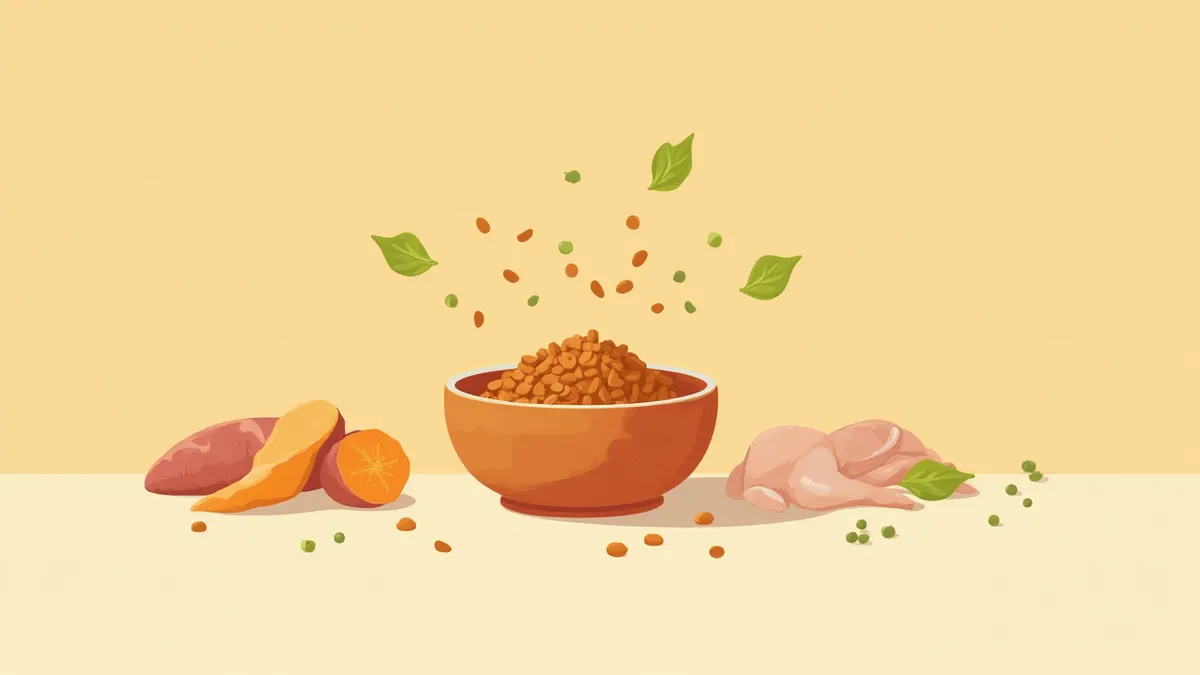
Grain-free diets replace grains like wheat, corn, and rice with carbohydrate sources such as potatoes, sweet potatoes, and legumes. While they can benefit dogs with confirmed grain allergies, they are not necessarily better for all dogs. The U.S. Food and Drug Administration (FDA) has investigated a potential link between grain-free diets and heart disease, so it’s important to make an informed decision based on accurate information before choosing one.

Why Did Grain-Free Food Become Popular?

Grain-free diets have gained rapid popularity since the late 2000s. As the gluten-free trend spread in human food, a similar movement emerged in dog food. Marketing messages claiming that "grains burden digestion" and "grains are merely unnecessary fillers" became widespread among pet owners. However, according to veterinary nutrition textbooks, healthy dogs can fully digest properly processed grains. The general consensus in the veterinary community is that grains themselves are not inherently bad ingredients.

Grain-Free vs. Regular Food Comparison

Here’s a clear overview of the key differences between grain-free and regular pet foods.
CategoryGrain-Free FoodRegular (Grain-Inclusive) Food
Primary Carbohydrate SourcesPotatoes, sweet potatoes, legumesRice, barley, oats
Suitability for Grain AllergiesSuitableNot suitable
Price RangeRelatively higherVaried
Heart Health ConcernsUnder investigationNone identified
Fiber SourcesLegumes, vegetablesGrains, vegetables

Main Alternative Ingredients in Grain-Free Food
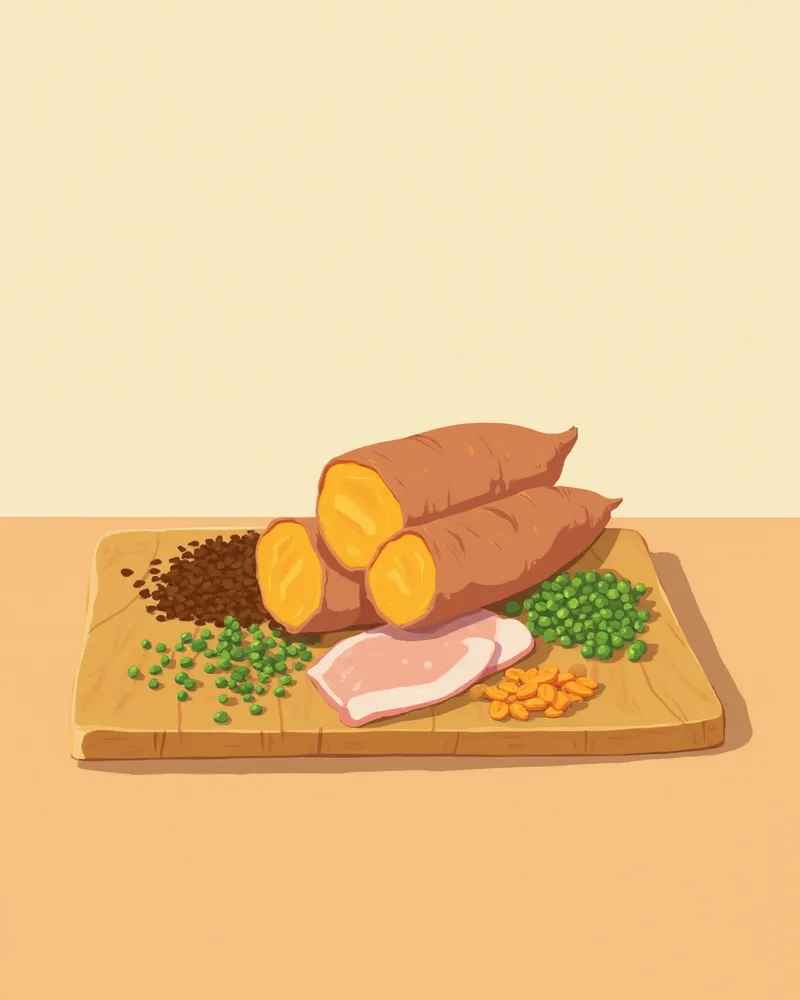
It’s helpful to know the main ingredients used to replace grains in grain-free pet food.
Potatoes and sweet potatoes: These are carbohydrate sources that provide energy and are commonly used as primary ingredients in grain-free diets. Whether they’re suitable for dogs with certain metabolic conditions (such as diabetes or obesity) should be determined in consultation with a veterinarian.
Legumes (lentils, peas, chickpeas): These provide both protein and dietary fiber. However, caution is advised because diets with excessively high levels of legumes have been associated with concerns regarding heart health.
Tapioca: This is a gluten-free carbohydrate source used as a supplementary ingredient in grain-free diets, often combined with other ingredients. Since tapioca alone cannot supply all essential nutrients, it should be used as part of a balanced diet formulation.
Main Alternative Ingredients in Grain-Free Food

Dilated Cardiomyopathy and Grain-Free Food

In 2018, the U.S. Food and Drug Administration began investigating cases of dilated cardiomyopathy in dogs fed grain-free diets, with many reports linked to foods primarily containing legumes and potatoes. Veterinary textbooks note that some dogs fed grain-free diets from lesser-known brands have developed partially reversible cardiomyopathy, and there are documented cases of improved heart function after switching diets. Although a direct causal relationship has not been definitively established, dietary changes are medically recommended for dogs on grain-free diets who show signs of impaired heart contraction. Regular heart health monitoring and consultation with your veterinarian are essential.

Which Dogs Are Suitable for Grain-Free Food?

Grain-free diets aren’t necessary for every dog. You may consider them after consulting with your veterinarian in the following situations:
Diagnosed with a grain allergy: Grain-free diets are most suitable for dogs whose grain allergy has been confirmed through an elimination diet trial.
Digestive issues with specific grains: If your dog shows sensitivity to certain grains like wheat or corn, a grain-free diet may help.
Specifically recommended by your veterinarian: In some cases, grain-free diets are prescribed to help manage specific health conditions.
Which Dogs Are Suitable for Grain-Free Food?

4 Things to Check When Choosing Grain-Free Food

Here are the key criteria to check when selecting a grain-free diet.
Compliance with AAFCO standards: Look for products labeled as having completed feeding trials. Diets that have demonstrated nutritional adequacy through animal feeding trials have been validated in real-world feeding conditions, making them a reliable and reassuring choice.
Proportion of legumes: The U.S. Food and Drug Administration (FDA) has investigated the potential link between grain-free diets high in legumes (such as peas and lentils) or potatoes and dilated cardiomyopathy. Therefore, check the ingredient list to ensure multiple legumes are not listed at the top, and opt for products with a moderate legume content to support heart health.
Animal protein content: Verify that the first ingredient is a named meat source (such as chicken or salmon).
Manufacturer credibility: Products from manufacturers with in-house research teams and veterinary nutrition experts are generally safer choices.

Transition Food Gradually: A 7–10 Day Plan
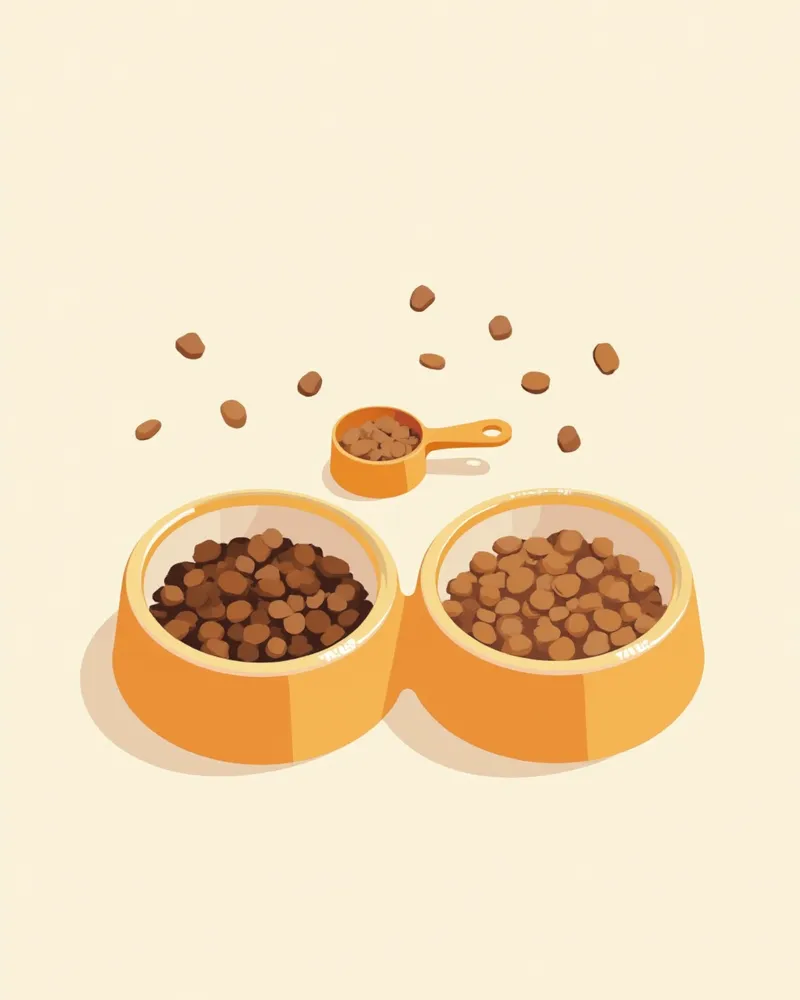
When switching from your pet’s current food to a grain-free diet, it’s important to make the transition gradually over at least 7–10 days. A sudden change can lead to digestive issues such as vomiting or diarrhea.
Days 1–3: Mix 75% of the old food with 25% of the new food.
Days 4–6: Adjust the ratio to 50% old food and 50% new food.
Days 7–10: Increase to 75% new food and 25% old food, then complete the switch.
If you notice loose stools or a decreased appetite during the transition, slow down the process. If symptoms persist, consult your veterinarian.
Transition Food Gradually: A 7–10 Day Plan

Reviewed by a veterinarian

Dr. Tony — Punnawat Phongkittirak

Dr. Tony — Punnawat Phongkittirak

Veterinarian

A veterinarian who majored in veterinary medicine at Khon Kaen University, Thailand, and completed the IVSA program at North Carolina State University in the United States. Drawing on clinical experience at animal hospitals, he works in the pet healthcare field and is dedicated to building a digital care environment that connects pet parents with veterinarians.

Frequently Asked Questions

Is grain-free food always better than regular food?
Not at all. For a healthy dog, a diet that includes grains is perfectly fine. Grain-free options are only more suitable if a grain allergy has been confirmed.
Is it true that grain-free diets cause heart disease?
Veterinary textbooks report evidence that some dogs fed grain-free diets from non-major brands have developed a partially reversible form of cardiomyopathy. While a direct causal relationship has not been fully established, there are cases in which heart function improved after changing the diet. If your dog has been on a grain-free diet high in legumes or potatoes for an extended period, we recommend regular cardiac screenings and consultations with your veterinarian.
How can I tell if my dog has a grain allergy?
An accurate diagnosis is confirmed through an elimination diet trial conducted by a veterinarian. If your pet experiences recurring skin itching, chronic diarrhea, or ear inflammation, please consult your veterinarian.
Is it safe to switch my pet from a grain-free diet back to a grain-inclusive diet?
Yes, it’s possible. You can transition gradually over 7 to 10 days. If your dog doesn’t have a grain allergy, switching to a grain-based diet is perfectly fine.
Can grain-free pet food contain gluten?
Since no grains are used, there is no wheat gluten. However, depending on the manufacturing environment, there may be a slight risk of cross-contamination, so it’s best to check with the manufacturer if your dog is sensitive.

Share

Related Guides

This information is based on veterinary literature and does not replace diagnosis or treatment. Please consult a veterinarian for specific health concerns.

Metapet Co., Ltd. | CEO: Park Sung-yong | Business Reg. No. 417-88-02562 | Seoul, South Korea | Customer Center

What Is Grain-Free Dog Food? Pros, Cons & How to Pick | Meongsiljang