Like
Share
멍실장
강아지 구강 농양·치근 농양 자주 묻는 질문 Q&A — 보호자가 꼭 알아야 할 핵심

Dog Oral Abscess & Dental Root Abscess FAQ — Key Information for Pet Owners

Oral HealthQ&AMeongsiljang Veterinary Advisory Board

Dental abscesses in dogs are infections that form at the root of a tooth, causing pain, bad breath, and a decreased appetite. Early detection and treatment are essential to prevent complications.

What Are Dog Oral Abscesses and Dental Root Abscesses?
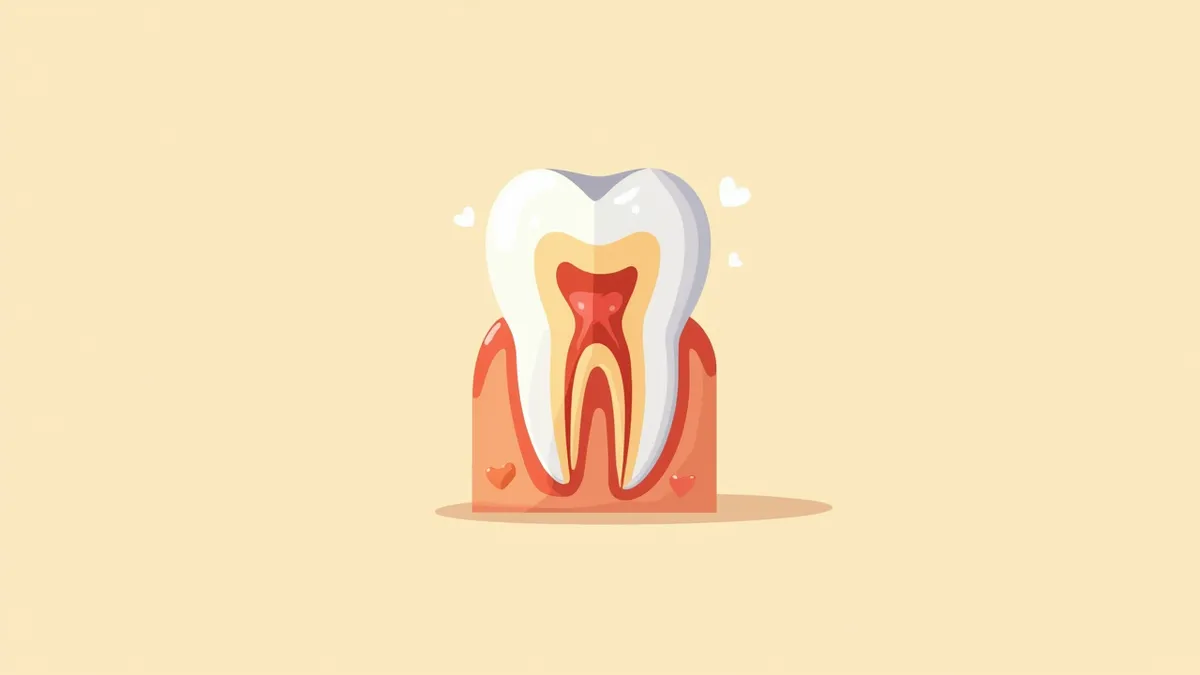
The anatomical structure of a tooth root abscess
Canine oral abscesses are inflammatory conditions that develop around the tooth roots, primarily caused by an inflammatory response to bacteria and their byproducts. - Periapical abscess: This occurs when the internal tissues of a tooth become damaged or infected, leading to an abscess at the root tip. It causes pain and can weaken and destroy the surrounding bone. - Oral abscess: This involves inflammation of the gums and surrounding bone, which can lead to facial swelling in severe cases. As the abscess progresses, your dog may experience significant pain, resulting in difficulty eating and appearing systemically unwell. Early detection and treatment are therefore essential.

Why Do Dental Root Abscesses Occur in Dogs?

Dental root abscesses often begin when bacteria infiltrate the tooth due to dental trauma or periodontal disease. - Tooth fractures or cracks: When a tooth is cracked or broken, bacteria can enter through the fissure and reach the root. - Periodontal disease: This is the most commonly diagnosed condition in veterinary medicine. As the tissues supporting the gums and teeth weaken, infections can spread easily. - Breed and age: Acquired dental diseases become more common with age. They are particularly frequent in small-breed dogs weighing less than 5 kg and brachycephalic breeds, making prevention essential.
The process of bacterial invasion due to tooth damage

What Are the Main Symptoms of a Dental Root Abscess?

The main symptoms of a canine periapical abscess include bad breath, reluctance to eat, and pain or swelling around the mouth, face, or jaw. - Bad breath: Your dog’s breath may have an unusual foul odor. However, bad breath doesn’t always indicate an oral disease, so it’s important to consider other possible causes. - Loss of appetite and pain: Due to pain, your dog may eat poorly, drool, or struggle to chew. - Facial changes: Swelling may appear on the face or jaw, and your dog may resist having the area around the mouth touched due to discomfort. - Oral abnormalities: The gums may become red and swollen, and you might notice an abscess or bleeding. If any of these symptoms appear, your dog should be examined by a veterinarian.
Facial swelling and abscess drainage due to a periapical abscess

Signs That Require Immediate Veterinary Visit

If your dog shows severe pain, facial swelling, or refuses to eat, seek veterinary care immediately. Abscesses can weaken and destroy surrounding bone, and poor appetite due to pain may lead to systemic deterioration. Do not delay—prompt veterinary evaluation is essential when these signs appear.

How Are Dental Root Abscesses Diagnosed?
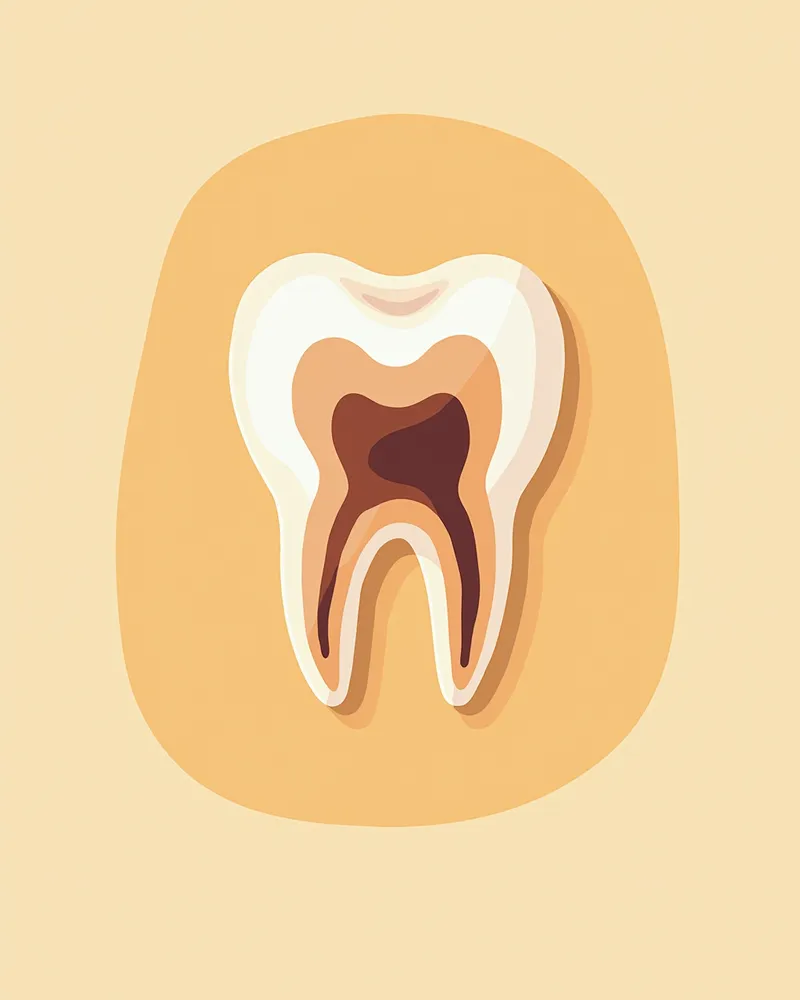
Veterinarians diagnose root abscesses through oral examinations and dental X-rays. - Dental X-rays: These check for bone loss around the tooth roots. - CT scans: In complex cases, a skull CT scan precisely determines the extent of the abscess. - Additional imaging and tests: If necessary, further imaging or tissue sampling (FNA or biopsy) is performed to rule out other conditions, such as oral tumors. - Identifying the cause: The material extracted from the abscess may be tested to confirm the infection status. Treating without an accurate diagnosis can lead to recurrence or complications.
An X-ray image showing bone loss around the tooth root.

What Are the Treatment Options?

Treatment for a periapical abscess depends on the extent of tooth damage. - Tooth extraction: If the root is severely damaged or the surrounding bone is weakened, the affected tooth is removed. Targeted extraction is particularly helpful in areas with severe inflammation. - Root canal therapy: The infected interior of the root is cleaned and sealed to preserve the tooth. - Antibiotics: Administered to control infection and inflammation. - Pain relief: Medication is provided to reduce pain, helping your dog stay comfortable and eat normally. - Follow-up examinations: Your veterinarian will schedule check-ups to monitor healing. Consistent oral health care remains essential even after treatment.
The process of root canal treatment for dogs

Home Care Management Methods?

After treatment, it’s important to follow your veterinarian’s instructions and ensure your pet takes pain relievers and medications as directed. - Dietary Management: Offer soft foods and avoid overly hard treats. - Oral Hygiene: Brush your pet’s teeth daily to manage plaque, as recommended by your veterinarian. - Regular Check-ups and Scaling: Professional scaling and polishing under anesthesia, performed regularly (typically every 3–4 months) as advised by your veterinarian, can be very beneficial. - Infection Prevention: Avoid hard objects that could cause tooth fractures, and maintain consistent oral care habits to help prevent recurrence.
Providing a soft diet after treatment

Comparison of Dental Root Abscess Treatments

ItemEffectivenessCostRecovery Period
Tooth extractionImmediate treatment possibleInexpensive1–2 weeks
Root canal treatmentTooth preservation possibleMedium3–6 weeks
Antibiotics aloneTemporary reliefInexpensiveHigh chance of recurrence

Tooth extraction is the most definitive method, but when tooth preservation is possible, root canal treatment is preferred.

Reviewed by a veterinarian

Dr. Tony — Punnawat Phongkittirak

Dr. Tony — Punnawat Phongkittirak

Veterinarian

A veterinarian who majored in veterinary medicine at Khon Kaen University, Thailand, and completed the IVSA program at North Carolina State University in the United States. Drawing on clinical experience at animal hospitals, he works in the pet healthcare field and is dedicated to building a digital care environment that connects pet parents with veterinarians.

Frequently Asked Questions

Does a periapical abscess heal on its own?
No, a periapical abscess will not heal on its own. If left untreated, it can lead to bone destruction or systemic infection. Immediate veterinary care is necessary.
Will my dog have trouble eating after having a tooth extracted?
Most dogs eat normally even after having teeth extracted. Once the gums heal, they compensate by using their remaining teeth and adapt to softer foods.
Can it be prevented?
Yes, regular oral hygiene and professional dental cleanings, along with the use of soft treats, can help prevent dental issues. Small breeds, in particular, require extra attention.
Can a periapical abscess be transmitted to other dogs?
No, a periapical abscess is not a contagious disease. It develops based on an individual dog’s dental condition, so it cannot be transmitted to other dogs through contact.
Can the condition recur after treatment?
While there is a possibility of recurrence, regular oral care and check-ups can significantly reduce the risk. It's important to follow your veterinarian's guidance for proper management.

Share

Related Guides

References

This information is based on veterinary literature and does not replace diagnosis or treatment. Please consult a veterinarian for specific health concerns.

Metapet Co., Ltd. | CEO: Park Sung-yong | Business Reg. No. 417-88-02562 | Seoul, South Korea | Customer Center

5 FAQs About Canine Oral and Periapical Abscesses | Meongsiljang