Like
Share
멍실장
반려동물 안락사 결정과 절차

Pet Euthanasia Decision and Procedure

ImmunityQ&AMeongsiljang Veterinary Advisory Board

We’ll guide you through when to consider euthanasia for your pet, the procedure, costs, and what you should prepare, all based on veterinary evidence.

When and How to Decide on Pet Euthanasia?
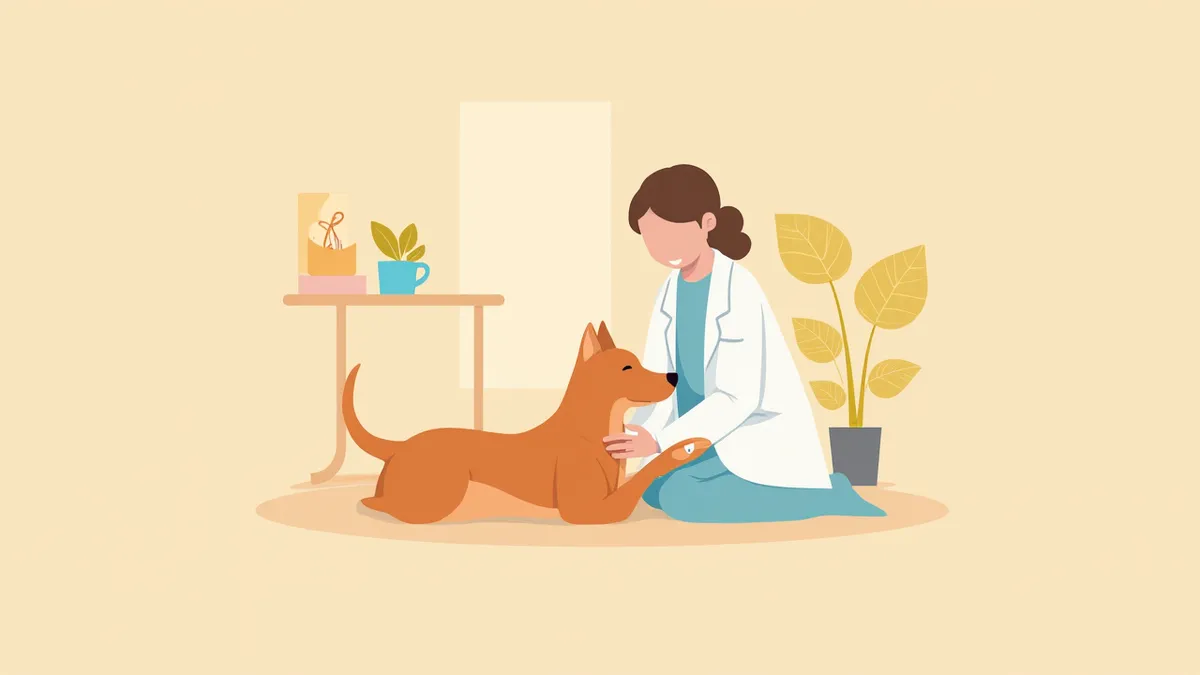
A veterinarian gently caring for an elderly dog
Euthanasia is a final decision made in consultation with a veterinarian when a pet’s suffering can no longer be alleviated through treatment. The term “euthanasia” comes from the Greek word for “good death,” and it literally refers to a medical procedure that allows your beloved companion to pass away peacefully, free from further pain. This decision is never easy. However, when your pet’s quality of life has deteriorated beyond recovery, relieving their suffering is also an expression of a caregiver’s love. In this article, we will guide you on when to consider euthanasia, the procedures and costs involved, and what you need to prepare as a pet owner.

Situations to Consider Euthanasia

Most decisions to consider euthanasia arise when a pet’s quality of life has severely declined. If any of the following conditions persist, it is important to consult your veterinarian.
Chronic pain: When ongoing suffering cannot be managed with pain medication.
Complete loss of appetite: When the pet refuses all food and is unable to eat on its own.
Difficulty breathing: When simply breathing comfortably has become difficult.
Inability to move: When the pet cannot stand or move on its own and develops pressure sores.
Decreased consciousness: When the pet no longer recognizes its owner or shows little to no response.
End-stage disease: When the pet is in the final stage of an incurable condition, such as cancer, kidney failure, or heart failure.

Quality of Life Assessment Scale

In veterinary medicine, we use a “quality of life assessment scale” to help caregivers make objective judgments. Go through each of the items below one by one to check your pet’s current condition. If several of these items remain consistently difficult or impossible, it may be time to consult with your veterinarian.
Assessment ItemKey Points to Check
PainIs the pain adequately controlled with pain medication?
AppetiteCan your pet eat on their own?
HydrationIs your pet drinking water or maintaining hydration?
HygieneCan your pet control urination and defecation?
HappinessDoes your pet still respond to activities they used to enjoy?
MobilityCan your pet move around without assistance?
Good Days vs. Bad DaysAre bad days becoming more frequent than good days?

How Is the Euthanasia Procedure Performed?
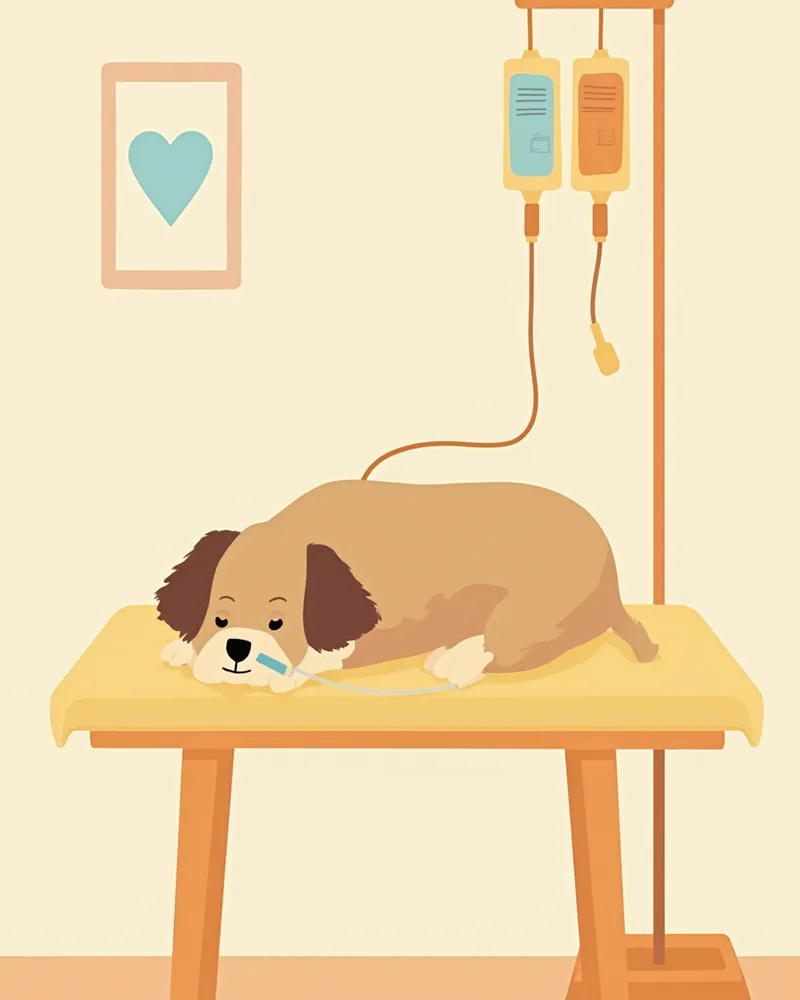
The method widely recommended in modern veterinary practice is “two-step euthanasia.” Euthanasia is performed according to the guidelines of the American Veterinary Medical Association (AVMA), and the two-step approach ensures a much smoother overall process by securing an intravenous catheter in advance.
Step 1 — Induction of deep anesthesia: First, sedative and anesthetic agents are administered to bring your pet into a state of deep unconsciousness. It is crucial that this goes beyond simple sedation to achieve a level of anesthesia comparable to general anesthesia. This ensures your pet is completely unconscious, so they will feel no pain and regain no awareness during the subsequent administration of the euthanasia solution.
Step 2 — Administration of the euthanasia solution: Once your pet is in a sufficiently deep state of anesthesia, the veterinarian rapidly administers the euthanasia solution (typically a barbiturate-based drug) intravenously. The AVMA guidelines also identify intravenous injection as the most recommended route of administration. Because this step is performed while your pet is already deeply anesthetized, there is no pain, and the heart stops quickly after the drug is given.
A veterinarian inserting an intravenous catheter into a sleeping puppy.

Important Checks Before Deciding on Euthanasia

Euthanasia is an irreversible decision, so it’s essential to have a thorough discussion with your veterinarian before making this choice. It’s important to first explore whether there are any treatment options beyond what you’re currently considering, or if palliative care could help maintain your pet’s quality of life. If you feel uneasy relying on just one veterinarian’s opinion, seeking a second opinion from another clinic can provide valuable reassurance.

Cat Euthanasia Costs and Pet Euthanasia Cost Guide

The cost of euthanasia for cats and dogs varies depending on the veterinary clinic, as well as the pet’s weight and specific circumstances. Typically, the following items are included in the cost:
Consultation fee: Covers the pre-procedure consultation with the veterinarian and assessment of the pet’s condition.
Sedation and euthanasia medication fees: Costs vary based on the pet’s weight, as medication dosages are adjusted accordingly.
Intravenous catheter placement fee: Covers the preparation required to safely administer the medication.
Post-procedure handling fees: Costs differ depending on your choice, such as individual cremation, communal cremation, or taking the pet home.
Please contact the veterinary clinic you plan to visit in advance to confirm the exact cost. Some clinics also offer home euthanasia services, which may incur an additional travel fee.
A pet owner discussing treatment costs with a veterinarian.

What Caregivers Should Prepare on the Day of Euthanasia

Preparing in advance can help you say a more peaceful goodbye to your pet on the day of euthanasia.
Choosing a location: Check if home visits are available in addition to clinic appointments. Conducting the procedure in a familiar, comfortable space can significantly reduce your pet’s stress.
Who will be present: Decide in advance which family members will be there. You may stay by your pet’s side, or if that feels too difficult, it’s perfectly okay to leave the process to the veterinarian. Whatever you choose, your decision should be respected.
Favorite items: Bringing a beloved blanket or toy can help your pet feel calm and secure.
Aftercare plans: Deciding ahead of time on options such as cremation or burial can ease the emotional burden on the day itself.
A dog resting comfortably with its favorite toy in a warm space.

Caregiver’s Grief and Pet Loss Syndrome Management

The grief you experience after saying goodbye to your pet is a completely natural response. Feelings of guilt, anger, and sadness may arise, and all of these emotions are normal. Allow yourself to grieve: Do not suppress your sorrow over the loss of your companion. Letting yourself cry when you need to can aid in the healing process. Create a memory record: Organizing your memories with your pet through a photo album or written reflections can help you process your feelings. Seek professional support: If your grief persists or makes daily life difficult, consider seeking counseling specialized in pet loss. Other pets in the home: If you have other pets, they may need time to adjust to the environmental changes caused by the absence of their family member. Please give them extra attention and care during this period.

To the Child Who Has Crossed the Rainbow Bridge

Choosing euthanasia means you never turned a blind eye to your pet’s suffering. Your pet likely felt loved right until the very end. Please don’t blame yourself for this decision. Simply having you by their side was the greatest comfort they could have received.

Reviewed by a veterinarian

Dr. Tony — Punnawat Phongkittirak

Dr. Tony — Punnawat Phongkittirak

Veterinarian

A veterinarian who majored in veterinary medicine at Khon Kaen University, Thailand, and completed the IVSA program at North Carolina State University in the United States. Drawing on clinical experience at animal hospitals, he works in the pet healthcare field and is dedicated to building a digital care environment that connects pet parents with veterinarians.

Frequently Asked Questions

Will my child experience pain during the euthanasia process?
With the two-step euthanasia method, your pet is first placed in a deep anesthetic state comparable to general anesthesia before receiving the euthanasia solution, ensuring they feel no pain. It is crucial to confirm that your pet is in this deep, unconscious state, as simple sedation alone is insufficient. The procedure follows the guidelines set by the American Veterinary Medical Association (AVMA), with intravenous injection being the most recommended method of administration.
Can I be with my pet during the euthanasia process?
Yes, most veterinary clinics allow pet owners to stay by their pet’s side. However, if you find it too emotionally difficult, it’s perfectly fine to leave things in the hands of the veterinarian. We respect whatever decision you make.
Is the cost of euthanasia for cats different from that for dogs?
Cats generally weigh less than dogs, so they require lower medication dosages, which can make treatment somewhat less expensive. However, since pricing varies from clinic to clinic, the most accurate way to determine the cost is to contact the specific clinic you plan to visit directly.
What happens to my pet’s body after euthanasia?
There are several options, such as individual cremation, communal cremation, keeping your pet at home, or burial in a pet cemetery. With individual cremation, you can receive your pet's ashes. It's best to decide on the aftercare method before euthanasia.
How can I tell if the decision to euthanize is too early or too late?
Using a quality-of-life assessment chart can help you make a more objective judgment. If bad days start outnumbering good ones, and your pet no longer responds to things they used to enjoy, it’s time to consult your veterinarian. Most importantly, have an open and thorough conversation with your vet.

Share

Related Guides

References

[1] Underwood W, Anthony R. AVMA Guidelines for the Euthanasia of Animals: 2020 Edition. American Veterinary Medical Association, 2020.

[2] Plumb DC. Plumb's Veterinary Drug Handbook, 10th Edition. Wiley-Blackwell, 2018.

[3] Kollias NS, Hess WJ, Johnson CL, Murphy M, Golab G. Literature review on current practices, knowledge, and viewpoints on pentobarbital euthanasia performed by veterinarians. J Am Vet Med Assoc, 2023; 261(5):733-8.

[4] Ko J. Small Animal Anesthesia and Pain Management: A Color Handbook, 3rd Edition. CRC Press, 2018.

This information is based on veterinary literature and does not replace diagnosis or treatment. Please consult a veterinarian for specific health concerns.

Metapet Co., Ltd. | CEO: Park Sung-yong | Business Reg. No. 417-88-02562 | Seoul, South Korea | Customer Center

Pet Euthanasia: Making the Decision and the Procedure | Meongsiljang