

Animal Rehabilitation Physical Therapy: Types and When It’s Needed
We’ve compiled the types, benefits, and precautions of rehabilitation physical therapy for pets. Explore veterinarian-backed information ranging from aquatic therapy to at-home rehabilitation.
What Is Animal Rehabilitation Physical Therapy?

When Rehabilitation Physical Therapy Is Needed
Comparison of Rehabilitation Therapy Types at a Glance
| Item | Hydrotherapy | Laser therapy | Manual therapy | Electrical stimulation therapy |
|---|---|---|---|---|
| Main effect | Strengthen muscles and improve joint range of motion | Relieve pain and inflammation | Restore joint flexibility | Modulate pain signals and relieve pain |
| Suitable cases | Post-surgical rehabilitation and obesity | Chronic pain and wound recovery | After joint surgery and old age | Chronic pain and arthritis pain |
| Time per session | Varies by veterinarian's decision | Varies by veterinarian's decision | Varies by veterinarian's decision | Varies by veterinarian's decision |
| Anesthesia required | Not required | Not required | Not required | Not required |
| Application in cats | Limited | Suitable | Suitable | Limited |
Treatment time and applicability may vary depending on the pet's condition
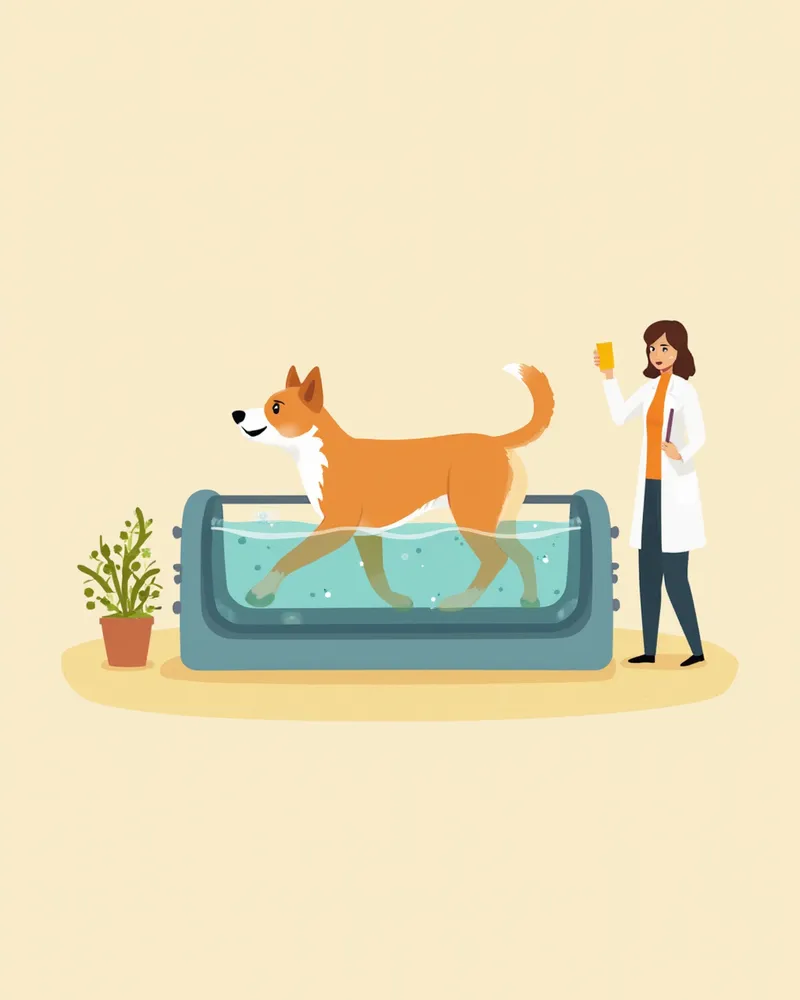
Hydrotherapy — The Most Widely Used Rehabilitation Method
Important Checks Before Starting Rehabilitation Therapy
Rehabilitation therapy isn’t suitable for every pet. If your pet has cardiovascular disease, an infectious skin condition, or untreated wounds, you must consult your veterinarian before starting aquatic therapy. Similarly, your vet will make a comprehensive assessment of your pet’s overall health to determine whether laser therapy is appropriate and to outline any necessary precautions. A treatment plan should always be established only after a veterinarian has evaluated your pet’s general health. This is especially important for senior pets or those with underlying conditions, who may require a pre-treatment health assessment before beginning therapy.
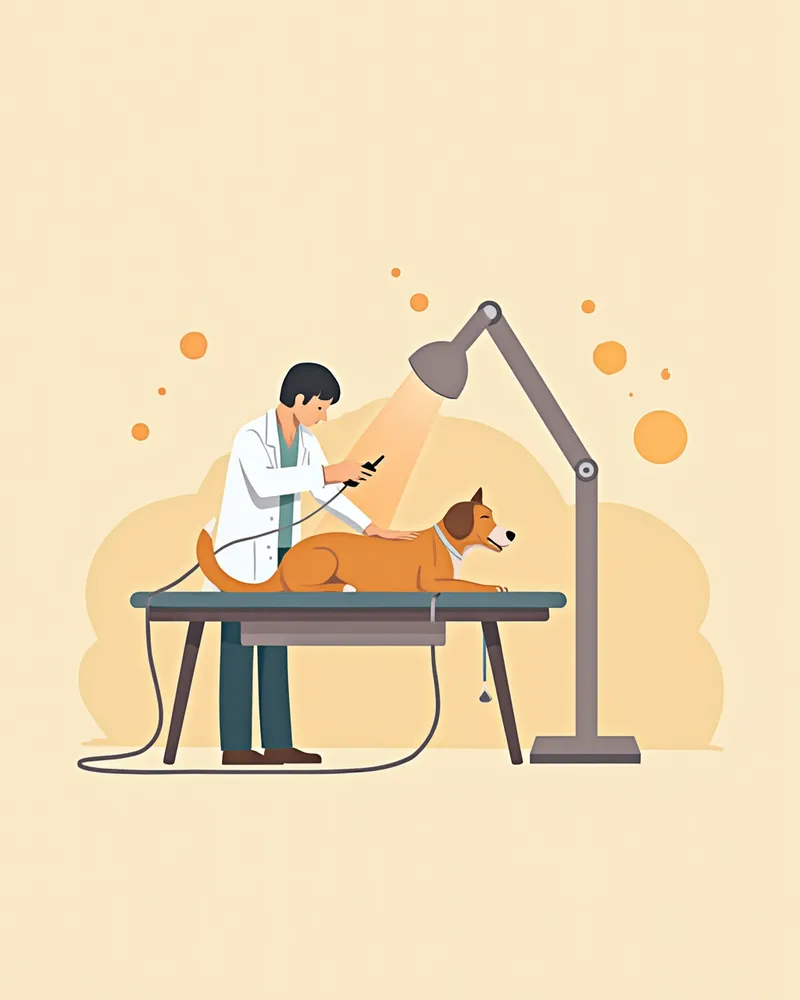
Laser Therapy — Pain Relief and Promotion of Tissue Recovery
Simple Rehabilitation Exercises You Can Do at Home

Things to Know About Cat Rehabilitation
There is less research on rehabilitation therapy for cats compared to dogs, and their common aversion to water can make hydrotherapy difficult to implement. As a result, treatment programs often focus on laser therapy and manual therapy. Because cats are highly sensitive to stress, it is crucial to carefully monitor changes in their breathing, pupils, and posture throughout the treatment.
Reviewed by a veterinarian

Dr. Tony — Punnawat Phongkittirak
VeterinarianA veterinarian who majored in veterinary medicine at Khon Kaen University, Thailand, and completed the IVSA program at North Carolina State University in the United States. Drawing on clinical experience at animal hospitals, he works in the pet healthcare field and is dedicated to building a digital care environment that connects pet parents with veterinarians.
Reviewed 2026-04-19
Frequently Asked Questions
Can rehabilitation physical therapy be received at any veterinary clinic?
How much does rehabilitation therapy cost?
How many rehabilitation sessions are needed to see results?
Does my pet feel pain during rehabilitation therapy?
Can senior pets also receive rehabilitation therapy?
Share
Related Guides

Primary vs. Secondary Veterinary Hospitals: A Comparison

5 Easy-to-Raise Cat Breeds for First-Time Owners — Grooming Difficulty Comparison

Top 7 Short-Legged Dog Breeds

Should I Take My Pet to the Vet? — Key Checklist for Home Skin Checks

How to Check Your Pet’s Gums and Teeth at Home — See a Vet If You Notice These Signs

What Is a Veterinary Radiologist? — When Are X-ray, CT, and MRI Tests Needed?
Guide to Veterinary Emergency Medicine Specialists
What Is a Veterinary Surgeon? — When to Refer and How They Differ

What is a veterinary nutritionist? When to see one and what to expect

When to See a Veterinary Behaviorist — Is Medical Treatment the Answer for Problem Behaviors?
References
[1] Marcellin-Little DJ, Medical Treatment of Coxofemoral Joint Disease, 2009
[2] Millis DL, Physical rehabilitation: improving the outcome in dogs with orthopedic problems, 2005
[3] Draper WE et al., Low-level laser therapy reduces time to ambulation in dogs after hemilaminectomy: a preliminary study, The Journal of Small Animal Practice, 2012
[4] Riegel RJ, Godbold JC, Laser Therapy in Veterinary Medicine: Photobiomodulation, J Wiley & Sons, 2017
[5] Textbook of Veterinary Orthopaedic Surgery, Chapter 15: Physiotherapy and Rehabilitation of Orthopedic Patients
[6] Abercromby R, Innes J, May C, Arthritis, 2018