
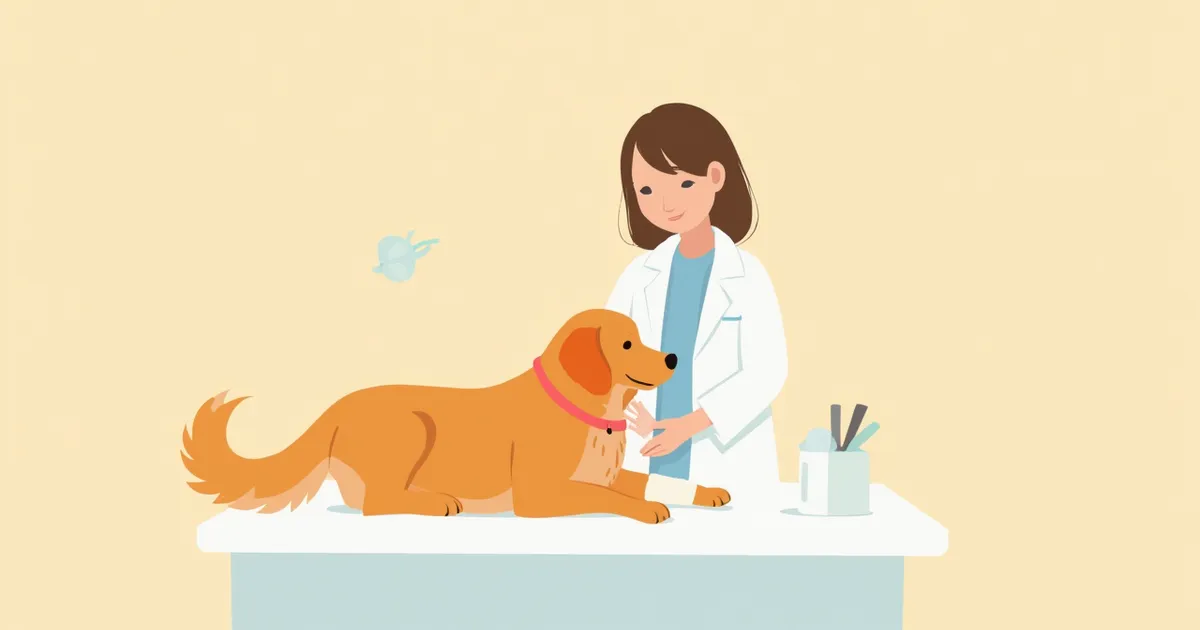
Tips for Changing Wound Dressings and Bandages for Dogs and Cats
This guide outlines when to change your pet’s wound dressing, step-by-step procedures, and important precautions. We’ll share key tips for safely managing bandages at home.
What Is Wound Dressing?
Signs That It’s Time to Change the Dressing
Dressing Change Frequency by Wound Type
| Wound Condition | Change Frequency | Notes |
|---|---|---|
| Immediately post-surgery (heavy exudate) | Daily to every other day | Adjust based on the amount of exudate |
| Mid-healing stage (granulation tissue forming) | Every 2–3 days | Changing too frequently can damage new tissue |
| Late-healing stage (nearly healed) | Every 3–5 days | Removal should be decided after veterinary assessment |
| Bandage is wet or soiled | Change immediately | Replace right away to prevent infection |
Step-by-Step Guide to Changing the Dressing
When to Visit the Vet Immediately
If you notice a strong odor from the bandage, or if you see pus or excessive discharge when removing it, there may be an infection. Do not make your own judgment; be sure to have a veterinarian check it. If the toes are severely swollen, cold, or have turned purple, this indicates a circulation problem. You should also visit a clinic immediately if the skin around the wound becomes red and feels warm to the touch. Attempting to treat these issues at home can worsen the condition.
Common Mistakes Made by Pet Owners

Preventing Licking and Restricting Activity

Special Precautions for Cats
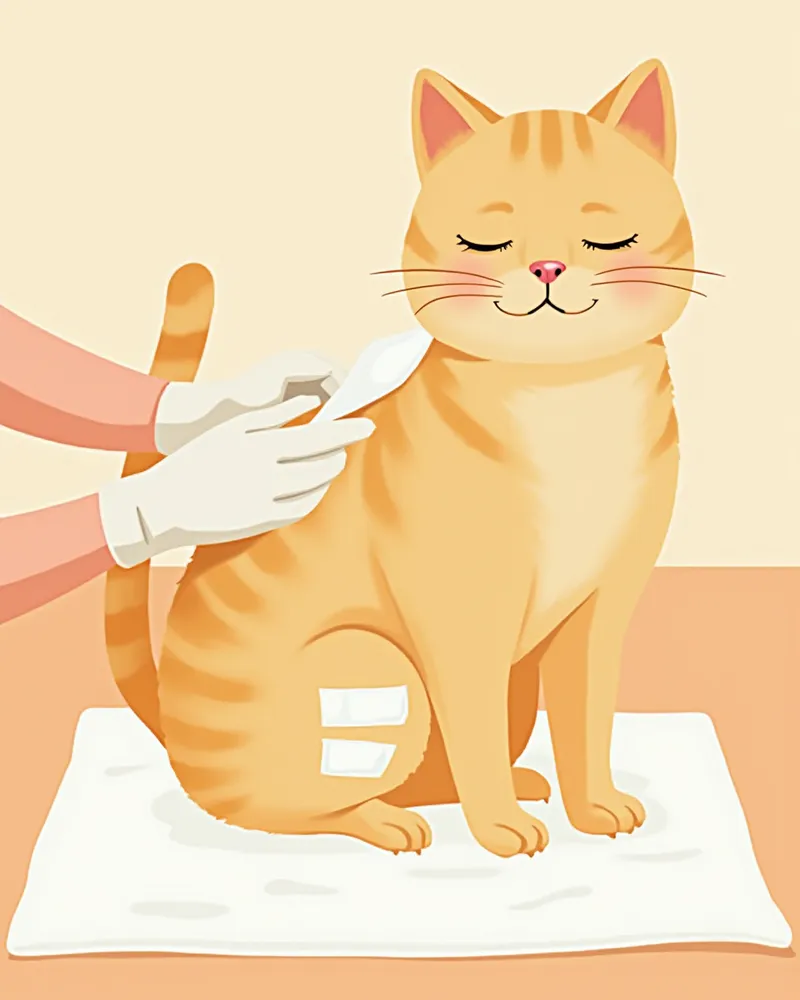
Cats can be quite sensitive to pain and stress while wearing a bandage. A decreased appetite or increased hiding behavior may signal discomfort, so please monitor your cat closely and inform your veterinarian if you notice these signs. Because cats often obsessively chew at their bandages, an Elizabethan collar is essential. Additionally, check daily for signs of swelling or coldness in the toes to ensure the bandage isn’t too tight. If you notice any abnormalities, contact your clinic immediately.
Reviewed by a veterinarian

Dr. Tony — Punnawat Phongkittirak
VeterinarianA veterinarian who majored in veterinary medicine at Khon Kaen University, Thailand, and completed the IVSA program at North Carolina State University in the United States. Drawing on clinical experience at animal hospitals, he works in the pet healthcare field and is dedicated to building a digital care environment that connects pet parents with veterinarians.
Reviewed 2026-04-19
Frequently Asked Questions
Can I walk my pet while the bandage is still on?
What should I do if the gauze stuck to the wound won’t come off?
Can I use human band-aids or bandages?
My pet is in so much pain when I change the dressing. What should I do?
Wouldn’t it be better to leave the wound exposed to air without a bandage?
Share
Related Guides

Primary vs. Secondary Veterinary Hospitals: A Comparison

5 Easy-to-Raise Cat Breeds for First-Time Owners — Grooming Difficulty Comparison

Top 7 Short-Legged Dog Breeds

Comprehensive FAQ on Tick-Borne Diseases in Dogs — Key Information Every Pet Owner Must Know

Dog Tapeworm FAQs — Key Information Every Owner Must Know
Frequently Asked Questions About Spot-On Flea and Tick Preventatives for Dogs — Key Information Every Owner Should Know

Frequently Asked Questions on Parasite Management During a Dog’s Pregnancy and Lactation — Key Points for Pet Owners
Frequently Asked Questions (FAQ) on Oral Preventive Medications for Dogs (Isoxazoline Class) — Key Information Every Pet Owner Should Know

Dog Neospora (Neospora caninum) Frequently Asked Questions Q&A — Key Information Pet Owners Must Know

Dog Lyme Disease FAQ — Key Information Every Owner Must Know
References
[1] Campbell, B.G. (2006). Dressings, bandages, and splints for wound management in dogs and cats. Vet. Clin. North Am. Small Anim. Pract. 36(4): 759–791.
[2] Campbell, B.G. (2018). Bandages and drains. In: Veterinary Surgery: Small Animal Expert Consult, 2e (ed. S. Johnston and T. DAK), 246–255. St. Louis, MO: Elsevier Health Sciences.
[3] Simpson, A.M., Radlinsky, M., and Beale, B.S. (2001). Bandaging in dogs and cats: external coaptation. Compendium 23(2): 157–164.
[4] Bolton, L.L., Monte, K., and Pirone, L.A. (2000). Moisture and healing: beyond the jargon. Ostomy Wound Manage. 46(Suppl 1A): 51S–62S.