Like
Share
멍실장
고양이 이소성 박동 자주 묻는 질문 Q&A — 보호자가 꼭 알아야 할 핵심

What Are Feline Ectopic Beats? — Warning Signs and When to Visit the Vet

HeartQ&AMeongsiljang Veterinary Advisory Board

Feline ectopic beats are abnormal, early heart contractions. While most are asymptomatic, they can sometimes signal serious heart disease. Here’s what pet owners need to know.

What Are Feline Ectopic Beats?
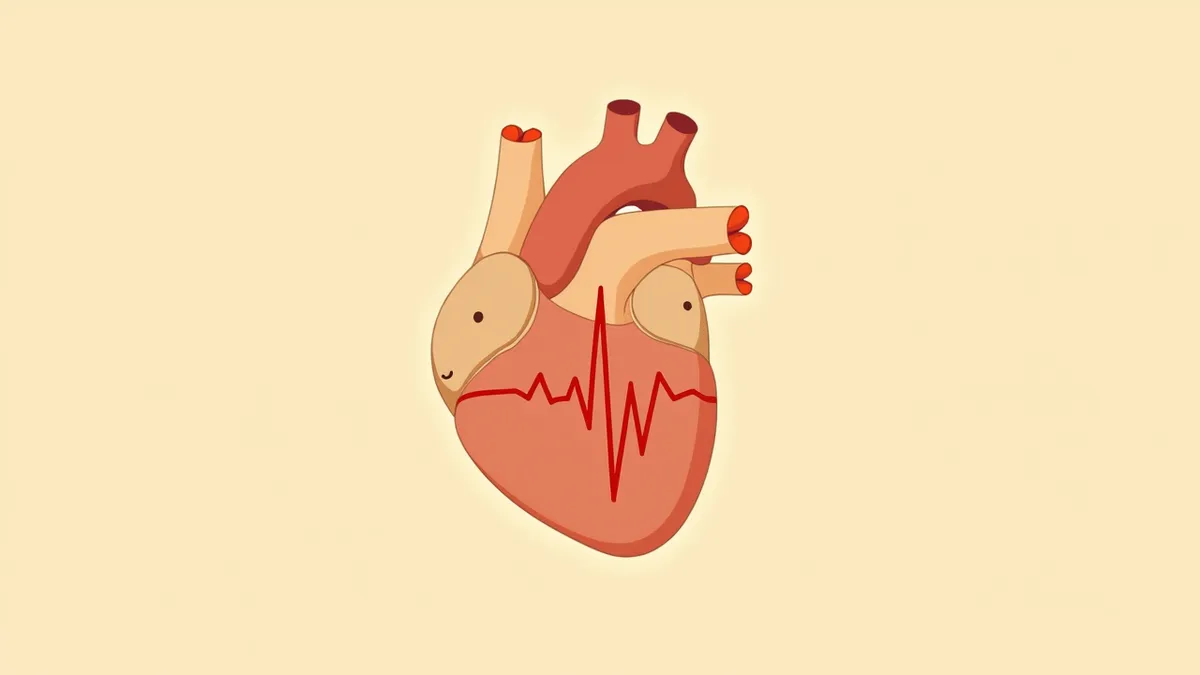
An illustration of a cat’s heart showing abnormal electrical signals.
Feline ectopic beats occur when the heart contracts earlier than its normal rhythm. This happens due to abnormal generation of electrical signals in the heart, and most of the time, there are no outward symptoms. However, if they become frequent or severe, they can lead to decreased heart function. A veterinarian can accurately diagnose this condition using an electrocardiogram (ECG), and while it may be asymptomatic, it can also be detected during routine check-ups. This condition is more than just an irregular heartbeat—it could be an early sign of a serious heart disease.

What Are the Main Causes of Ectopic Beats?
The main causes of ectopic beats are structural heart abnormalities or cardiomyopathy. - Structural heart abnormalities: Issues such as heart valve defects or ventricular hypertrophy can disrupt the heart’s rhythm. - Cardiomyopathy: This is the most common heart disease in cats, including hypertrophic and restrictive cardiomyopathy. Changes in the heart muscle can interfere with the propagation of electrical signals. - Hypertension: Long-term high blood pressure places strain on the heart and can be associated with abnormal heartbeats. - Hyperthyroidism: In cats with hyperthyroidism, sinus tachycardia is the most common arrhythmia, but other conduction abnormalities and various types of arrhythmias may also occur. - Electrolyte imbalances: When electrolyte levels, such as potassium or calcium, fall outside the normal range, it can affect the heart’s electrical signaling and lead to arrhythmias. - Genetic predisposition: Certain breeds, such as Maine Coons and Ragdolls, are known to have a higher risk of cardiomyopathy. A veterinarian must perform thorough examinations to identify the underlying cause, as early diagnosis aids in effective management.
A veterinarian examining a cat for abnormal heart rhythms.

What Are the Main Symptoms of Ectopic Beats?
Ectopic beats are often asymptomatic, making them difficult to detect. However, in severe cases, you may observe: - Difficulty breathing: Your pet may appear short of breath or breathe rapidly. - Fainting or shock: Sudden collapse or loss of consciousness can occur. - Decreased activity: Your pet may seem more lethargic than usual or lose interest in play. - Rapid heart rate: You may notice a stronger sensation of your pet’s heartbeat or an irregular pulse. - Bluish discoloration of the skin or lips: This indicates insufficient oxygen supply. Even if no symptoms are present, early detection through regular check-ups is crucial. Early management is key to preventing the condition from worsening.
A cat showing signs of reduced activity levels

Signs Requiring Immediate Veterinary Attention

If your cat suddenly collapses, has difficulty breathing, develops a bluish tint to its mouth, or exhibits a very rapid heartbeat, you should go to the vet immediately. These could be warning signs of congestive heart failure or arrhythmia that may lead to sudden death. Do not delay; seek emergency treatment right away.

How Are Ectopic Beats Diagnosed?
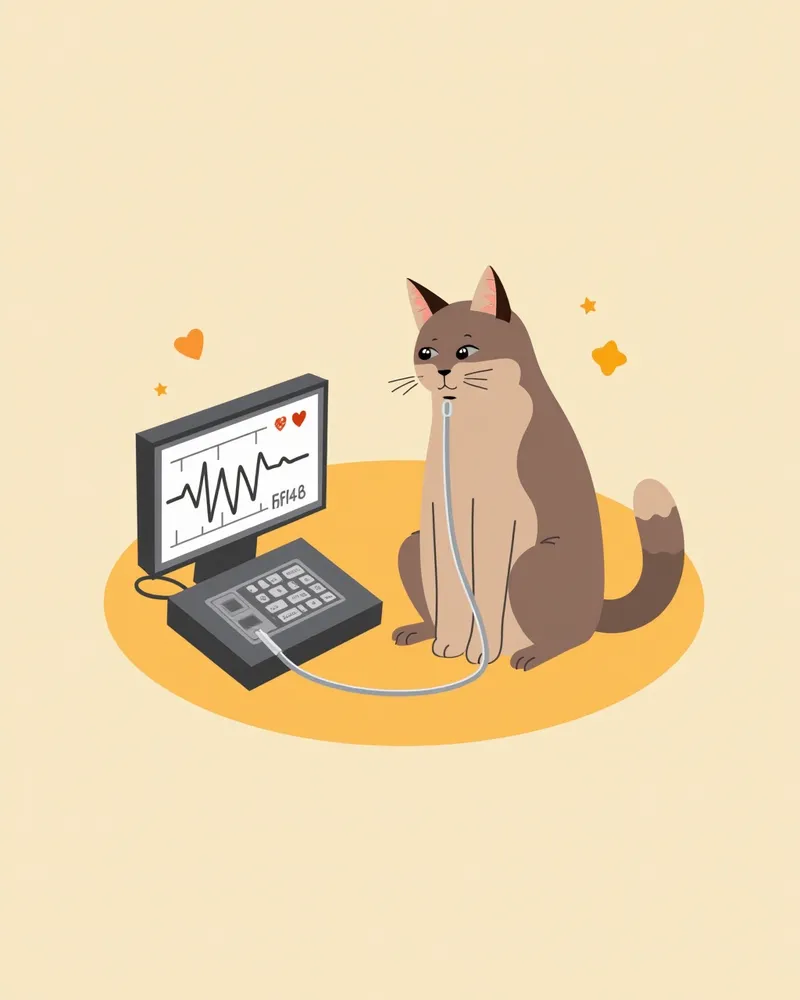
Ectopic beats are most accurately diagnosed using an electrocardiogram (ECG). - Electrocardiogram (ECG): Records the heart’s electrical activity to identify abnormal rhythms. - Echocardiography (cardiac ultrasound): Provides real-time visualization of heart structure and function to help determine the underlying cause. - 24-hour Holter monitoring: Useful for capturing rhythm abnormalities that occur during daily activities. - Blood tests: Necessary to rule out conditions such as hypertension or thyroid dysfunction. - Advanced cardiac diagnostics: Veterinarians may recommend additional tests to evaluate complex causes. A combination of diagnostic tools is often used to ensure an accurate diagnosis, as identifying the root cause is the first step toward effective treatment.
A veterinarian performing an electrocardiogram (ECG) on a cat

What Are the Treatment Options?

Treatment depends on the underlying cause. - Structural heart abnormalities: Medications are used to regulate the heart’s contractile force and stabilize its rhythm. - Hypertension: Blood pressure–lowering medications help reduce the strain on the heart. - Hyperthyroidism: Treatment is needed to normalize hormone levels. - Electrolyte imbalances: Dietary adjustments or supplements help restore balance. - Cardiomyopathy: Long-term management is essential to maintain heart function. Medications are precisely prescribed based on body weight and clinical condition. It’s important to work closely with your veterinarian to develop a treatment plan.
A tray with medications for cats

How to Manage at Home

Create a stress-reducing environment for your pet. - Provide a quiet space: Set up a calm area where your cat can rest comfortably. - Maintain consistent meal times: Regular feeding helps reduce digestive and cardiac strain. - Appropriate playtime: Avoid excessive exercise and opt for gentle play sessions. - Medication management: Administer medication at the correct times and ensure no doses are missed. - Weight management: Obesity puts extra strain on the heart, so proper dietary control is essential. - Regular veterinary consultations: Continuously monitor your pet’s health. Small daily habits are key to managing the condition.
A cat resting comfortably in a peaceful environment

Comparison of Responses Based on Severity of Ectopic Beats

ItemMildModerateSevere
FrequencyOccasionalRelatively frequentContinuous or frequent
SymptomsAsymptomaticSlight decrease in activityFainting, difficulty breathing
Need for TreatmentObservation onlyMedication prescriptionEmergency treatment needed

Monitor the frequency and degree of rhythm abnormalities through regular checkups and 24-hour Holter monitoring.

Reviewed by a veterinarian

Dr. Tony — Punnawat Phongkittirak

Dr. Tony — Punnawat Phongkittirak

Veterinarian

A veterinarian who majored in veterinary medicine at Khon Kaen University, Thailand, and completed the IVSA program at North Carolina State University in the United States. Drawing on clinical experience at animal hospitals, he works in the pet healthcare field and is dedicated to building a digital care environment that connects pet parents with veterinarians.

Frequently Asked Questions

Are ectopic beats dangerous for cats?
While some cases are asymptomatic, recurrent or severe episodes can impair heart function, making regular check-ups essential.
Can ectopic beats be treated?
Depending on the cause, symptoms can be improved with medication or management. Your veterinarian will create a personalized treatment plan.
Can ectopic beats be hereditary?
Yes, certain breeds have a genetic predisposition. Cardiomyopathy is more commonly reported in breeds such as Maine Coons and Ragdolls.
What should I do if my pet develops an ectopic heartbeat?
Consult with your veterinarian to undergo an electrocardiogram (ECG) test and identify the underlying cause. Immediate veterinary care may be necessary.
Can ectopic beats affect a cat’s lifespan?
It depends on the cause and the condition. With proper care and treatment, your pet can live comfortably and stably.

Share

Related Guides

References

[1] Schriefl S, Steinberg TA, Matiasek K, et al. Etiologic classification of seizures, signalment, clinical signs, and outcome in cats with seizure disorders: 91 cases. Vet Med A 2008;233(10):1591-7.

[2] Coates JR, Bergman RL. Seizures in young dogs and cats: pathophysiology and diagnosis. Compendium 2005:447-59.

[3] The Cat, Clinical Medicine and Management, 2nd Edition. 2022. Chapter 17: Cardiac Arrhythmias in Cats.

This information is based on veterinary literature and does not replace diagnosis or treatment. Please consult a veterinarian for specific health concerns.

Metapet Co., Ltd. | CEO: Park Sung-yong | Business Reg. No. 417-88-02562 | Seoul, South Korea | Customer Center

What Are Feline Ectopic Beats? Warning Signs & Vet Timing | Meongsiljang