Like
Share
멍실장
고양이 베타차단제 심장 자주 묻는 질문 Q&A — 보호자가 꼭 알아야 할 핵심

What Are Beta-Blockers for Cats? — Effects, Side Effects, and Precautions

HeartQ&AMeongsiljang Veterinary Advisory Board

We’ve compiled the essential information every cat owner should know about beta-blockers: how they affect the heart, when they’re prescribed, and important precautions to keep in mind.

Why Are Beta-Blockers Used in Cats?
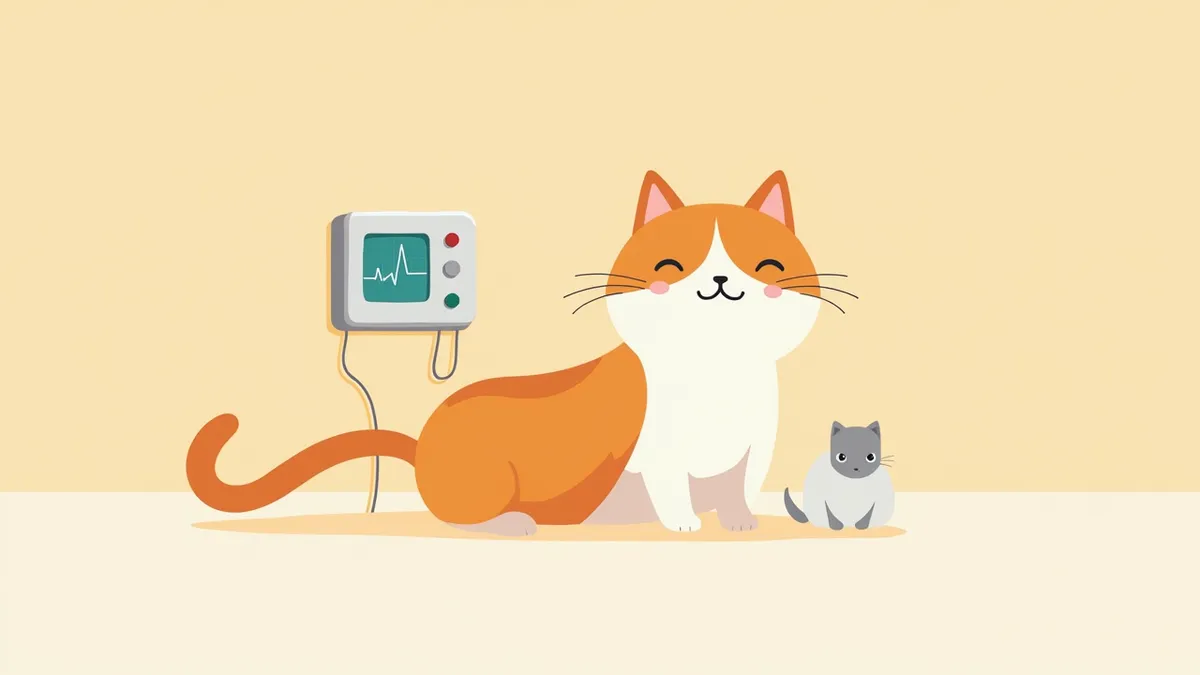
A cat with an irregular heartbeat being monitored
Beta-blockers are Class II antiarrhythmic medications used to slow down excessively fast heart rates (tachyarrhythmias) in cats and assist with hypertension management. - Tachyarrhythmia (excessively fast heart rate): Beta-blockers block the effects of catecholamines, slowing the heart rate and delaying conduction through the atrioventricular node, which helps reduce excessive strain on the heart. - Hypertrophic cardiomyopathy (myocardial hypertrophy): Beta-blockers are used in cats with hypertrophic cardiomyopathy, particularly to regulate heart rhythm when accompanied by ventricular arrhythmias. - Adjunctive hypertension management: While medications like amlodipine are preferred for hypertension, beta-blockers are often used as an adjunct when reflex tachycardia is present. Because beta-blockers decrease rather than increase cardiac contractility, they have a narrow safety margin. Always follow your veterinarian’s instructions and do not discontinue use without professional guidance.

What Heart Conditions Are Beta-Blockers Used For?
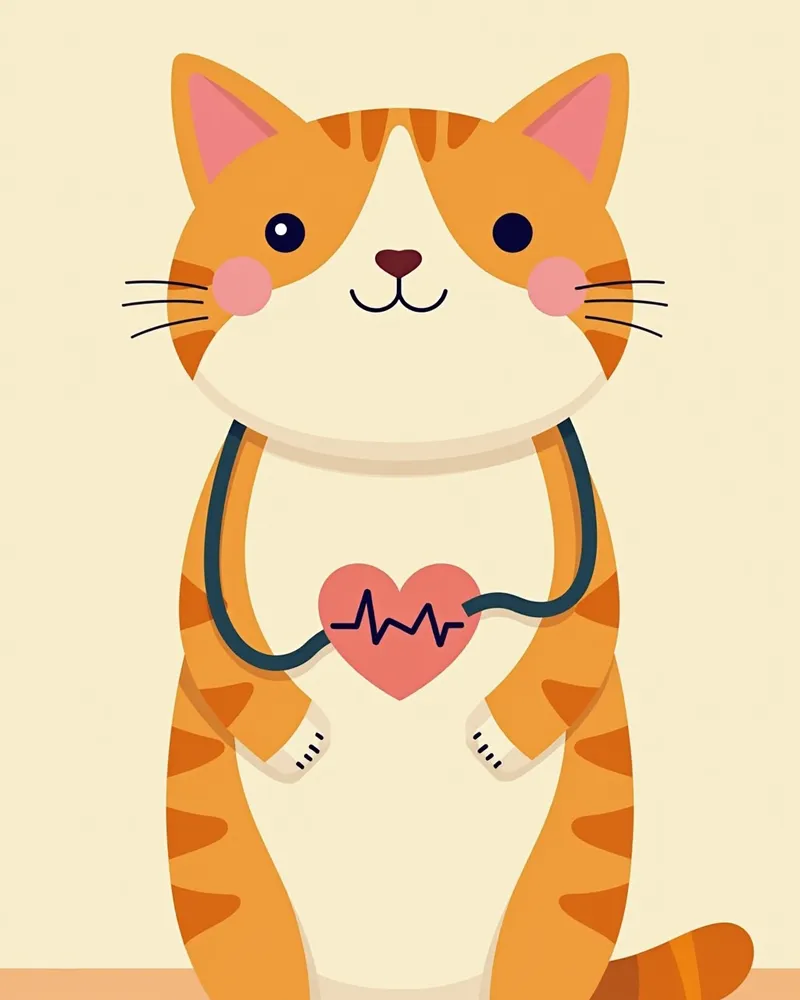
Beta-blockers are Class II antiarrhythmic drugs, primarily used to manage rapid heart rates and certain arrhythmias in cats. - Ventricular arrhythmias (tachyarrhythmias): Beta-blockers such as atenolol are used to control ventricular tachycardia. In contrast, for atrial arrhythmias like atrial fibrillation, diltiazem is preferred, and beta-blockers are not the first-line choice. - Hypertrophic cardiomyopathy (myocardial hypertrophy): Beta-blockers are used in cats with hypertrophic cardiomyopathy. However, because beta-blockers can reduce cardiac contractility, they are not intended to strengthen a weakened heart. - Adjunctive treatment for systemic hypertension: Amlodipine is the first-line treatment for hypertension, while beta-blockers are used as adjunctive therapy (they are less effective for hypertension in cats with hyperthyroidism). - Congestive heart failure (edema, dyspnea): In these cases, diuretics are the cornerstone of treatment, and there is no evidence that beta-blockers improve symptoms. Regular examinations and monitoring are required during treatment, and dosage adjustments should never be made without consulting your veterinarian.
A cat suspected of having cardiac arrhythmia is being auscultated with a stethoscope.

What Signs Should You Watch For When Using Beta-Blockers?
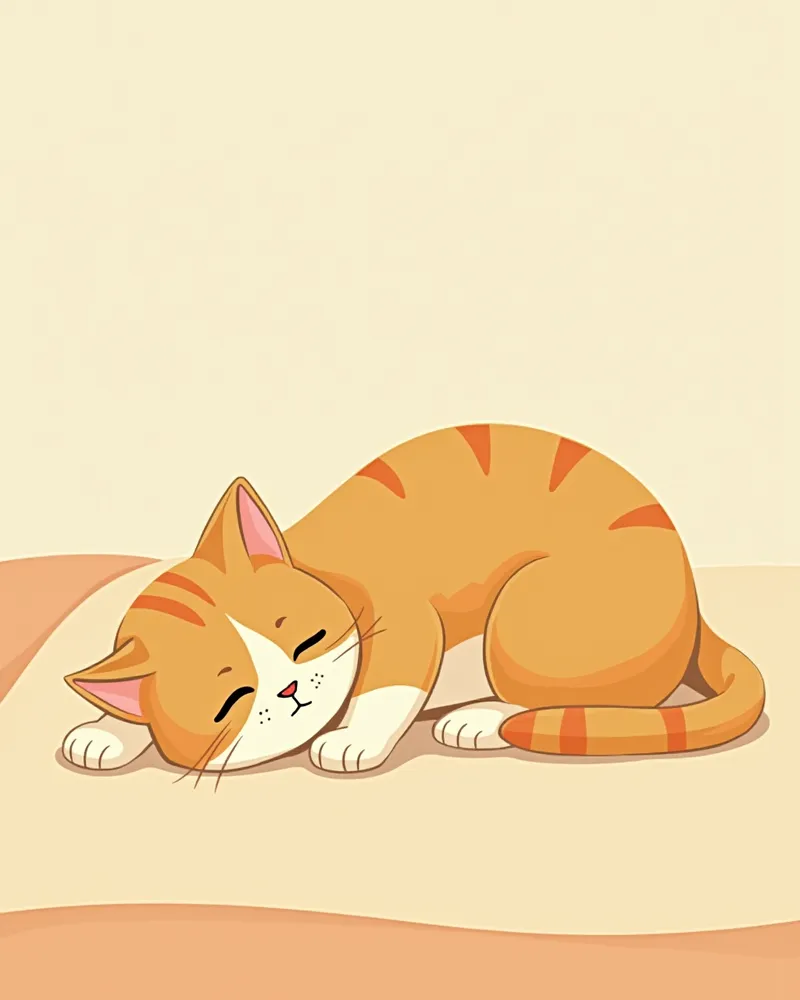
If your cat becomes drowsy or shows a sudden drop in activity while taking beta-blockers, close attention is needed. - Drowsiness or lethargy: This may indicate that the heart rate has slowed too much, so check immediately. - Decreased appetite or repeated vomiting: While this could be a gastrointestinal issue, it may also be a side effect of the medication. - Difficulty breathing or fainting: These are signs of severely compromised heart function and require an immediate visit to the clinic. - Symptoms of a slowed heart rate: Do not adjust the medication without consulting your veterinarian. Monitor your cat daily during treatment and contact us immediately if you notice any abnormal signs.
A drowsy cat after taking beta-blockers, with the owner looking worried.

Symptoms Requiring Immediate Veterinary Care

If your cat faints, experiences sudden difficulty breathing, or has a very slow heart rate, seek veterinary care immediately. These are serious, potentially life-threatening symptoms.

How to Administer Beta-Blockers
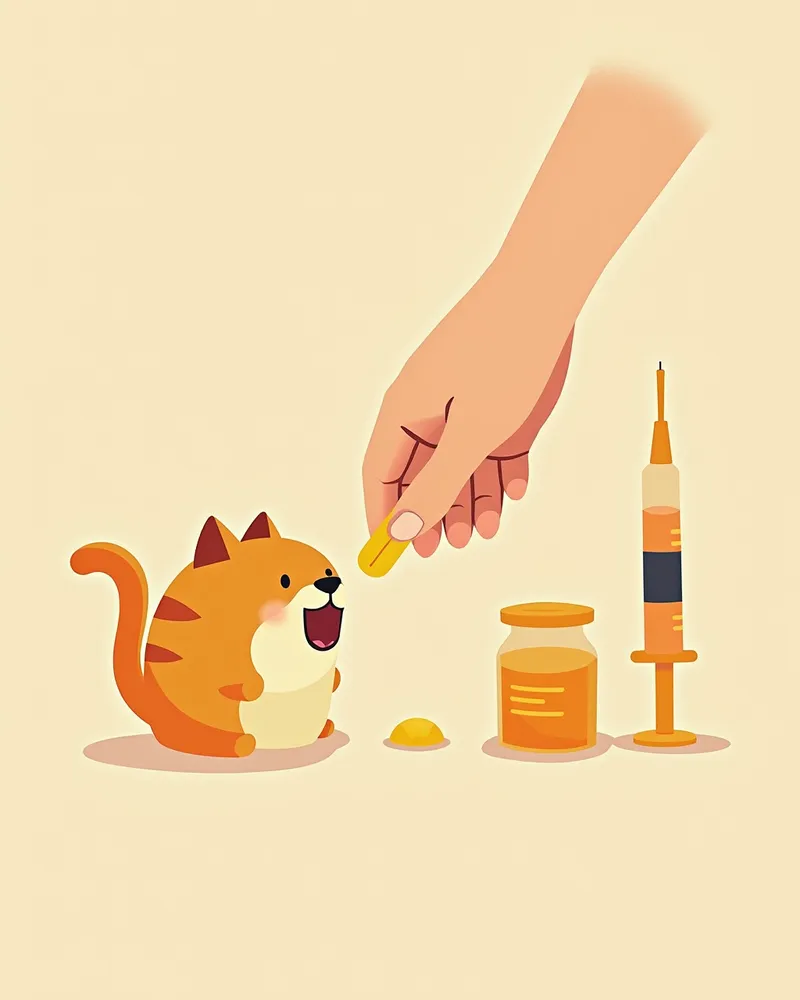
Beta-blockers are precisely prescribed by your veterinarian based on your cat’s weight and cardiac condition. - Administer once or twice daily, regardless of meals: Consistency in timing is key. - Do not stop the medication abruptly: Sudden discontinuation can place acute stress on the heart and lead to serious complications. - If a dose is missed: Administer the next dose at the regular scheduled time. Never double the dose to make up for a missed one. - Regular check-ups and monitoring: Ongoing communication with your veterinarian is essential to assess the medication’s efficacy and monitor for side effects. Contact your vet immediately if you notice any unusual symptoms after administration.
A pet owner’s hand administering a beta-blocker to a cat

What Are the Main Side Effects of Beta-Blockers?
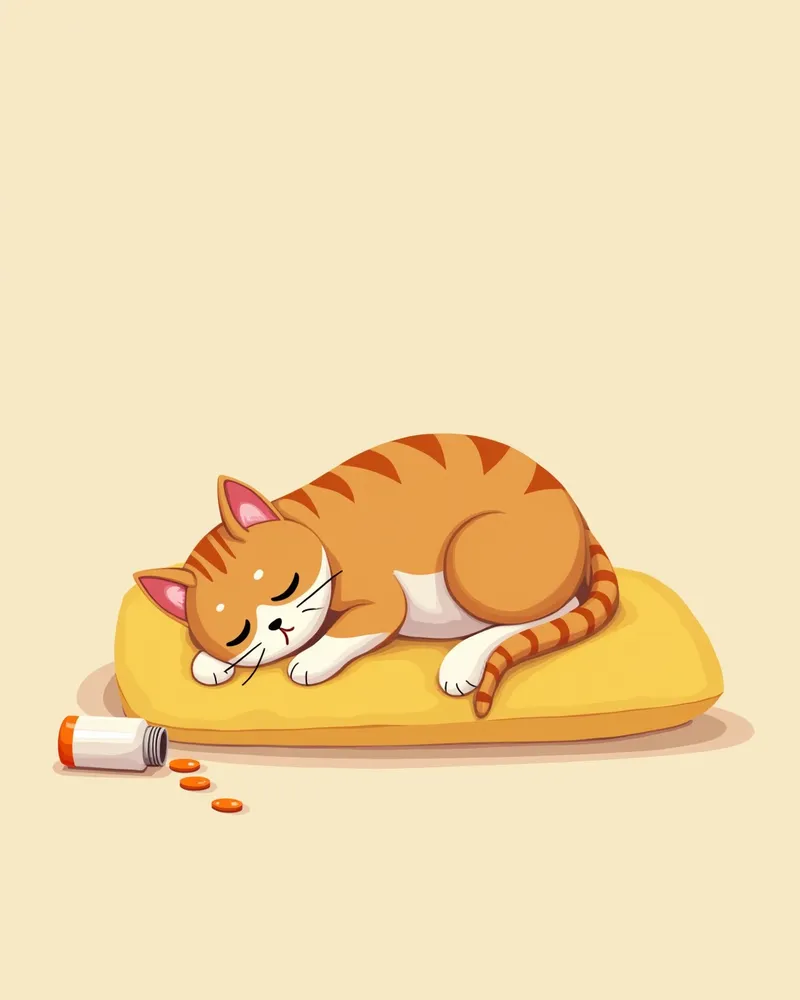
Some cats may experience side effects such as drowsiness, decreased appetite, and reduced activity while taking beta-blockers. - Drowsiness or lethargy: This may indicate a slowed heart rate, so close monitoring is necessary. - Decreased appetite or vomiting: While this could be due to gastrointestinal upset, it may also be a reaction to the medication. - Excessively slow heart rate: This can be a sign of declining heart function and requires immediate consultation with your veterinarian. - Sudden drop in blood pressure: This may lead to dizziness or fainting. Carefully monitor your cat’s condition during treatment and seek immediate care if any abnormal signs appear.
A cat feeling drowsy due to side effects of beta-blockers

Comparison of Precautions by Time of Beta-Blocker Administration

ItemEarly Stage (1-3 days)Mid Stage (1-2 weeks)Long Term (1 month or more)
Key ObservationsDrowsiness, decreased appetite, reduced activityCheck whether side effects persistMonitor heart rate and blood pressure
Points of CautionThis is a drug adaptation process, so avoid excessive worryIf side effects persist, consult your veterinarianRegular checkups essential; do not stop medication
Communication Cycle with VeterinarianCheck medication response after 3 daysSchedule follow-up after 1 weekRegular checkup every month

Side effects may appear early in the course of medication, but most cats adapt over time. Persistent symptoms require immediate examination.

Management Tips While Administering Beta-Blockers
Keeping a daily log of your cat’s food intake, activity level, and sleep patterns makes it easier to spot any side effects. - Set a consistent medication schedule: Administering the medication at the same time each day enhances its effectiveness. - If a dose is missed: Give the next dose at the regularly scheduled time. Never double up on doses. - Regular check-ins with your veterinarian: Routine consultations are essential to monitor the medication’s efficacy and any changes in your cat’s condition. - Contact your vet immediately if abnormal symptoms appear: Signs such as lethargy, difficulty breathing, or fainting are warning signals that require urgent attention. - Set reminders for medication times: Use smartphone alerts or a calendar to ensure you never miss a dose.
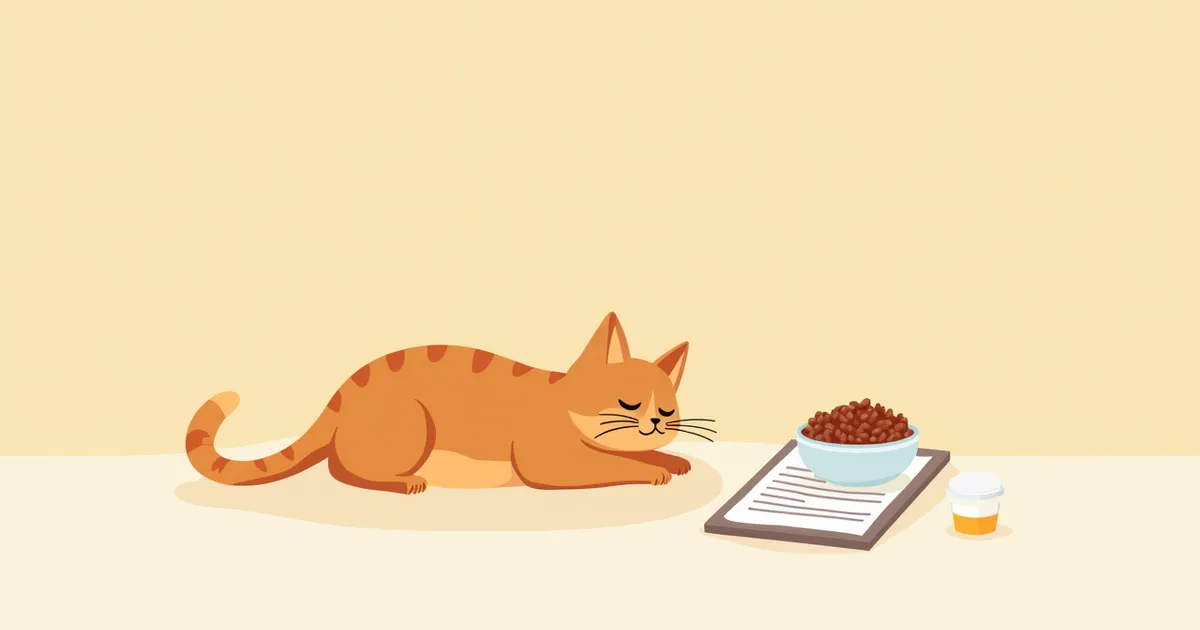
A notebook for recording your cat's meals, activities, and medication intake.

Prohibited Actions During Administration

Beta-blockers can interact with other medications, potentially causing side effects such as low blood pressure and fainting. Always inform your veterinarian about all medications your pet is currently taking, and never administer them together without professional guidance. Additionally, abruptly stopping the medication, switching drugs, or adjusting the dosage without your veterinarian's instructions can lead to serious complications.

Reviewed by a veterinarian

Dr. Tony — Punnawat Phongkittirak

Dr. Tony — Punnawat Phongkittirak

Veterinarian

A veterinarian who majored in veterinary medicine at Khon Kaen University, Thailand, and completed the IVSA program at North Carolina State University in the United States. Drawing on clinical experience at animal hospitals, he works in the pet healthcare field and is dedicated to building a digital care environment that connects pet parents with veterinarians.

Frequently Asked Questions

What should I do if my cat becomes drowsy after taking a beta-blocker?
Drowsiness may occur when first starting the medication. Most pets adjust within 1–2 weeks, but if the drowsiness persists, consult your veterinarian.
Is it safe to stop taking beta-blockers suddenly?
Absolutely not. Stopping abruptly can place a significant strain on the heart and cause a rapid increase in heart rate.
Are beta-blockers always safe for cats?
Not all cats can safely use this medication. It is contraindicated in cats with bradycardia (slow heart rate) or hypotension (low blood pressure).
My pet has no appetite after taking a beta-blocker. What should I do?
Loss of appetite is a common side effect. Try offering smaller, more frequent meals and experimenting with foods your cat enjoys. If the issue persists, consult your veterinarian.
Can beta-blockers be taken with other medications?
Taking this medication alongside other drugs may cause interactions. Always inform your veterinarian and confirm whether it’s safe to use together.

Share

Related Guides

References

[1] Feline Emergency and Critical Care Medicine, 2nd Ed, 2022

[2] The Cat, Clinical Medicine and Management, 2nd Edition, 2021

[3] Textbook of Cardiovascular Medicine in Dogs and Cats, 2020

This information is based on veterinary literature and does not replace diagnosis or treatment. Please consult a veterinarian for specific health concerns.

Metapet Co., Ltd. | CEO: Park Sung-yong | Business Reg. No. 417-88-02562 | Seoul, South Korea | Customer Center

What Are Beta-Blockers for Cats? Effects & Precautions | Meongsiljang