

Complete Guide to Post-Tooth Extraction Care for Dogs — Key Points for Pet Owners
Here’s a step-by-step guide on how to care for your dog at home after tooth extraction. We’ve covered the essentials every pet owner should know, from dietary adjustments and medication administration to recognizing warning signs.
Post-Tooth Extraction Care for Dogs: What Should You Do First?

How to Distinguish Normal Post-Extraction Reactions from Signs Requiring a Vet Visit
Post-Extraction Recovery Timeline — What to Check Each Day
| Timeframe | Key Checkpoints |
|---|---|
| Surgery day to the next day | Check for bleeding, monitor recovery from anesthesia, and offer small amounts of soft food |
| First few days of recovery | Confirm swelling is decreasing, and administer antibiotics and pain medication on schedule |
| Following days | Monitor return of appetite, and check for any odor or discharge from the extraction sites |
| Follow-up visit | Assess overall recovery progress and remove sutures if directed by your veterinarian |
What to Feed After Tooth Extraction? Key Points for Dietary Management

Danger Signs Requiring Immediate Veterinary Attention
If you notice any of the following symptoms, please take your pet to a veterinarian immediately. Prompt intervention for post-extraction infections or complications is crucial for a favorable recovery prognosis. • Bleeding that does not stop for an extended period, or that stops and then restarts significantly later • A strong foul odor or yellow discharge from the extraction site • Refusal to eat or drink for several days • Fever or whole-body shivering • Progressive, severe swelling on one side of the face or beneath the eye
How to Properly Administer Antibiotics and Pain Relievers
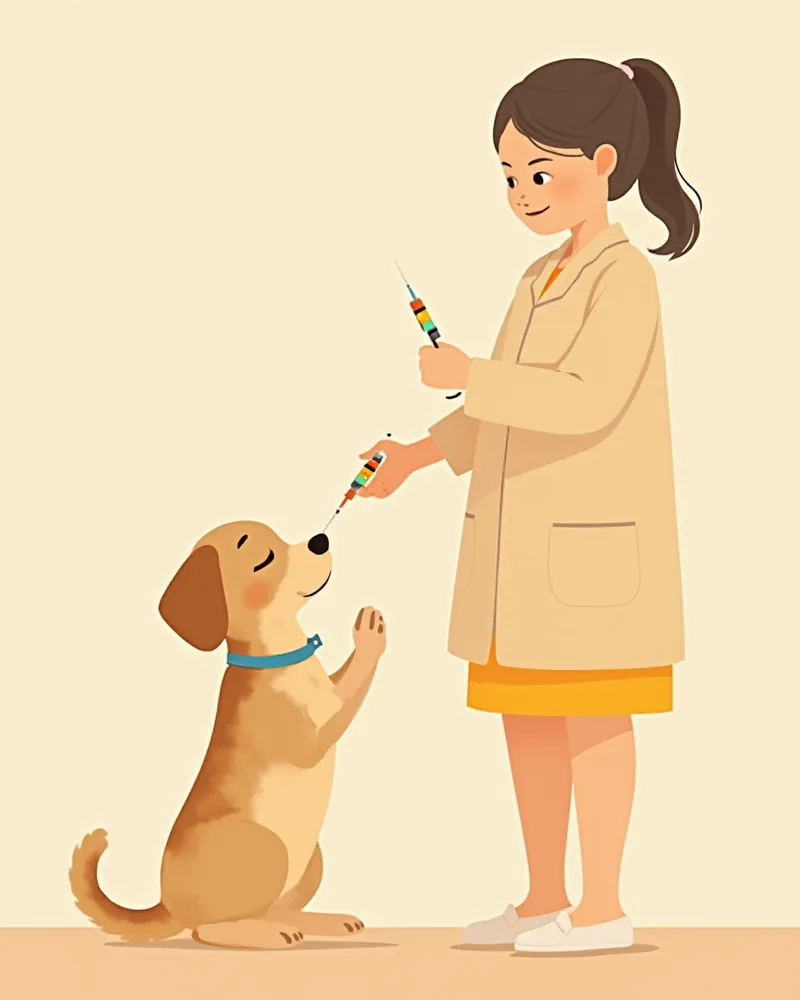
Activity Restrictions and Oral Care: Please Follow These Guidelines

Maintaining Oral Health After Tooth Extraction: How to Proceed
Just because the extractions are done doesn’t mean oral care is over. Keeping the remaining teeth healthy is the most effective way to prevent future extractions. • Resume regular brushing habits once your pet has recovered • Use dental treats and toys recommended by your veterinarian • Schedule regular oral health check-ups • Adjust professional care intervals, such as dental cleanings, based on your pet’s oral condition
Reviewed by a veterinarian

Dr. Tony — Punnawat Phongkittirak
VeterinarianA veterinarian who majored in veterinary medicine at Khon Kaen University, Thailand, and completed the IVSA program at North Carolina State University in the United States. Drawing on clinical experience at animal hospitals, he works in the pet healthcare field and is dedicated to building a digital care environment that connects pet parents with veterinarians.
Reviewed 2026-05-29
Frequently Asked Questions About Post-Tooth Extraction Care for Dogs
My pet isn’t eating at all after the tooth extraction. How long should I wait before becoming concerned?
There’s a little blood coming from my pet’s mouth. Is this normal?
Should I keep giving the antibiotic even if my pet seems better before finishing the full course?
When can I start giving my pet hard food after a tooth extraction?
When can I start brushing the area around the extracted tooth again?
Share
Related Guides

7 Best Cat Dental Chews for Tartar Prevention Recommended by Veterinarians and Selection Criteria
Top 5 Recommended Dental Treats for Dogs in 2026 — VOHC Certification Criteria

7 Criteria for Choosing Dog Tartar Prevention Dental Chews Recommended by Veterinarians

Feline Toxoplasmosis FAQ — Key Information Every Pet Owner Should Know

Comprehensive FAQ on Tick-Borne Diseases in Cats — Key Information Every Owner Must Know

Kitten Deworming Schedule FAQs — Key Information Every Owner Must Know

Flea Allergy Dermatitis in Cats: Frequently Asked Questions (Q&A) — Key Information Every Pet Owner Should Know

Feline Coccidia FAQ — Key Information Every Pet Owner Should Know
Dog Tooth Brushing Training FAQ — Key Points for Pet Owners

Dog Tongue and Lip Lesions FAQ — Key Information Every Pet Owner Should Know
References
[1] Logan EI, Dietary influences on periodontal health in dogs and cats, Veterinary Clinics of North America: Small Animal Practice, 2006, 36(6):1385-1401
[2] Holmstrom SE et al., 2013 AAHA Dental Care Guidelines for Dogs and Cats, Journal of the American Animal Hospital Association, 2013, 49(2):75-82
[3] Niemiec BA, Veterinary Periodontology, Wiley-Blackwell, 2012