
My Cat’s Eyes Have Turned Yellow — Bile Duct Obstruction: Is It an Emergency? Q&A on When to Visit the Vet
Feline biliary obstruction is a condition in which bile flow is blocked, significantly impacting liver function. Here’s a summary of key information pet owners should know.
What Is Feline Biliary Obstruction?
Why Does Feline Biliary Obstruction Occur?
What Are the Main Symptoms of Biliary Obstruction?
Signs Requiring Immediate Veterinary Care
If jaundice worsens rapidly, or if your pet experiences severe vomiting, bloody stools, or decreased consciousness, seek immediate veterinary care. This is because bile duct obstruction can lead to serious liver damage.
Stages of Biliary Obstruction Symptoms and Management
| Item | Main Symptoms | Treatment Direction |
|---|---|---|
| Mild | Slight loss of appetite, discolored stool | Check liver function with blood tests |
| Moderate | Jaundice, vomiting, weight loss | Ultrasound diagnosis, start drug treatment |
| Severe | Reduced consciousness, severe vomiting, bloody stool | Consider surgery or endoscopic treatment |
If symptoms worsen, surgical intervention may be needed. Early diagnosis increases the survival rate.
What Tests Are Needed for an Accurate Diagnosis?
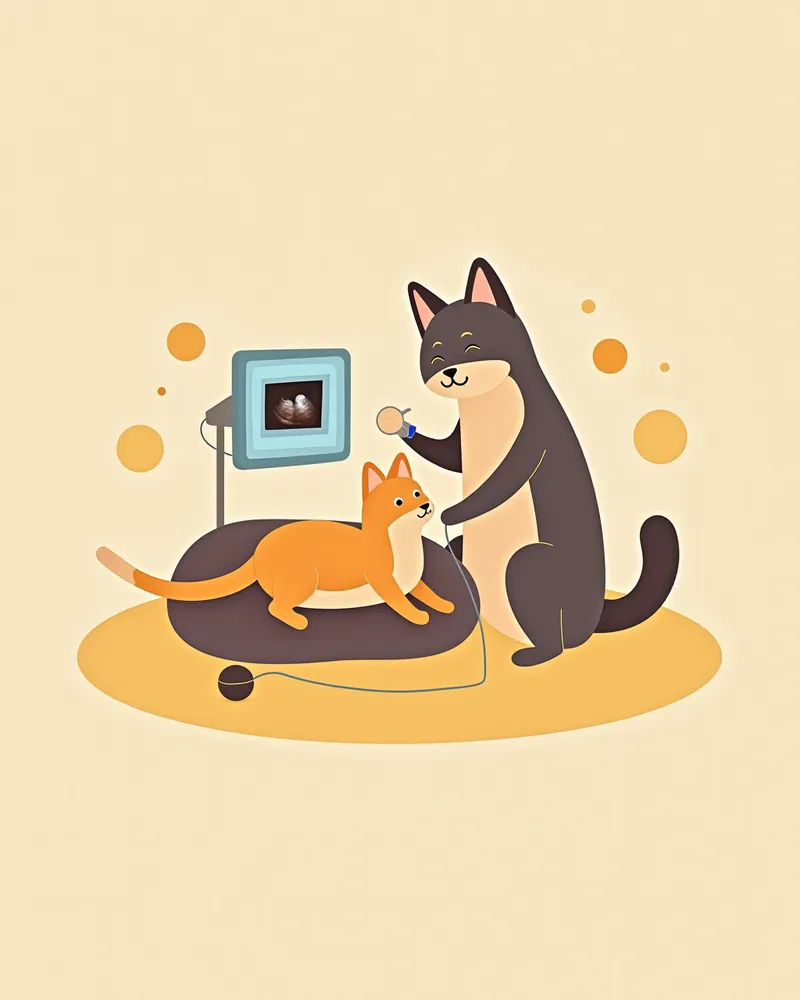
What Are the Treatment Options?
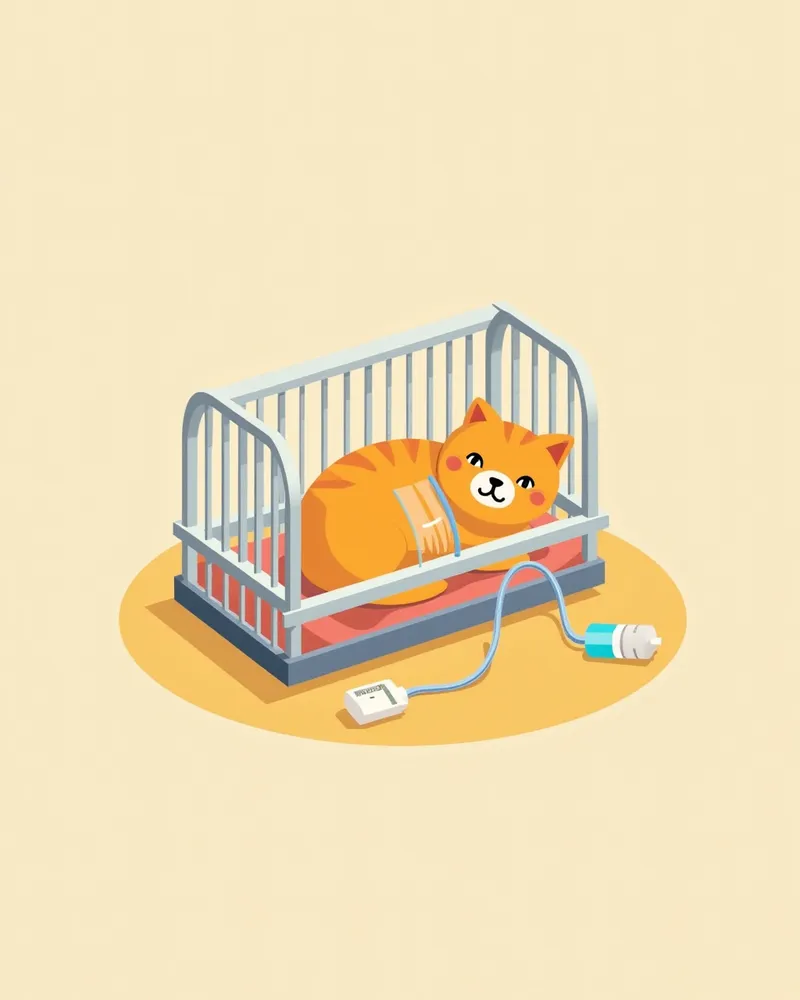
Key Points for Home Care

Caution: Risk of Recurrence in Feline Biliary Obstruction
Especially when tumors or chronic inflammation are the underlying cause, the likelihood of recurrence is high. Regular veterinary check-ups and blood tests are essential to monitor your pet’s condition. If symptoms suddenly worsen, seek immediate veterinary care.
Reviewed by a veterinarian

Dr. Tony — Punnawat Phongkittirak
VeterinarianA veterinarian who majored in veterinary medicine at Khon Kaen University, Thailand, and completed the IVSA program at North Carolina State University in the United States. Drawing on clinical experience at animal hospitals, he works in the pet healthcare field and is dedicated to building a digital care environment that connects pet parents with veterinarians.
Reviewed 2026-06-05
Frequently Asked Questions
Can feline bile duct obstruction be treated?
Is there a genetic component to feline bile duct obstruction?
How long can a pet survive after treatment for bile duct obstruction?
Can feline bile duct obstruction be prevented?
What can you do at home if your cat develops jaundice?
Share
Related Guides
7 Key Symptoms and Management Essentials for Canine Cholecystitis Recommended by Veterinarians
Top 5 Milk Thistle (Silymarin) Liver Supplements for Dogs — A Comparison Guide Based on Silybin Content and Absorption Rates
Top Prescription Diets for Dogs with Liver Disease and Selection Criteria
Cat Suddenly Biting and Scratching — Causes and Correction of Play Aggression
My Cat Keeps Licking Themselves — Is Excessive Grooming Normal?
Cats Keep Fighting — Causes and Intervention Timing for Multi-Cat Household Conflicts
What is feline pheromone therapy? — Does it really work? A guide to its effects and usage

What is feline cognitive dysfunction? — Early signs of feline dementia
Why Is My Cat Suddenly Aggressive? — Causes and Management of Fear-Based Aggression

My Cat Keeps Meowing — Is Excessive Meowing Normal?
References
[1] Ettinger SJ, Feldman EC, Côté E. Textbook of veterinary internal medicine: diseases of the dog and the cat. 8th ed. St. Louis, MO: Elsevier; 2017.
[2] Thrall DE. Textbook of veterinary diagnostic radiology. 7th ed. St. Louis, MO: Elsevier; 2018.
[3] Maggs DJ. Biliary tract disease in cats. In: Veterinary Clinics of North America: Small Animal Practice. 2006;36(3):547-565.