
Ear Canal Polyps in Dogs and Cats: A Lump-Like Mass is Palpable
Ear canal polyps are benign growths that develop in the external or middle ear and can lead to recurrence and chronic otitis media. Early detection and surgical removal are key.
What Exactly Are Ear Canal Polyps?
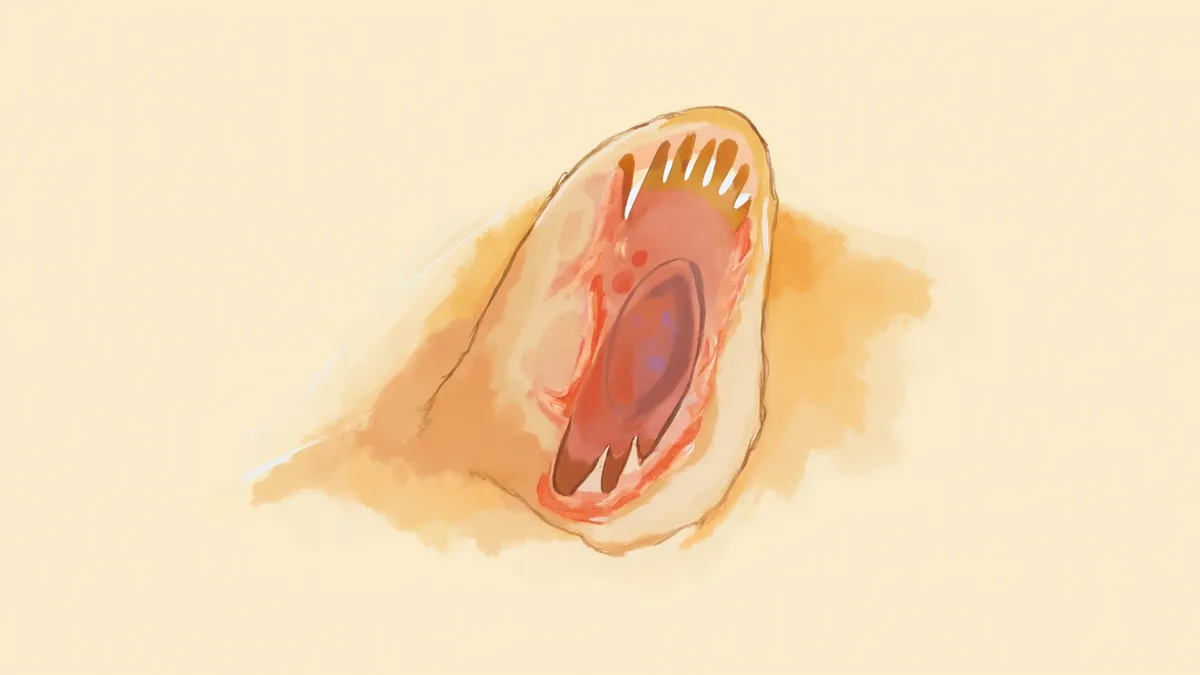
What Causes Them? Understanding the Etiology
Suspect Polyps If You Notice These Symptoms

When to Seek Immediate Veterinary Care
If your pet’s head tilts severely to one side (torticollis), their eyes exhibit rhythmic shaking (nystagmus), or one side of their face appears droopy as if paralyzed, the polyp has likely invaded the middle and inner ear. In such cases, seek veterinary care within 24 hours. Delaying treatment may result in permanent loss of balance.
How Are They Diagnosed at the Clinic?
Differences Between Ear Canal Polyps in Dogs vs. Cats
| Item | Dog | Cat |
|---|---|---|
| Main Cause | Polyps themselves are rare; may accompany chronic otitis externa, etc. | Non-neoplastic polyps (mostly at a young age, possible congenital factors) |
| Location | Rarely reported in the external ear canal | Originates in the middle ear · auditory tube and extends to the external ear canal · nasopharynx |
| Main Age | No clear predisposed age (rare) | Mainly young age (mostly under 7 years, average about 3 years) |
| Recurrence Tendency | Depends on whether underlying otitis externa is controlled | Complete removal is difficult, so recurrence may occur |
| Treatment Priority | Control underlying inflammation + removal | Traction removal or complete surgical removal |
Based on veterinary textbooks; individual variation exists
Surgery is the Primary Treatment
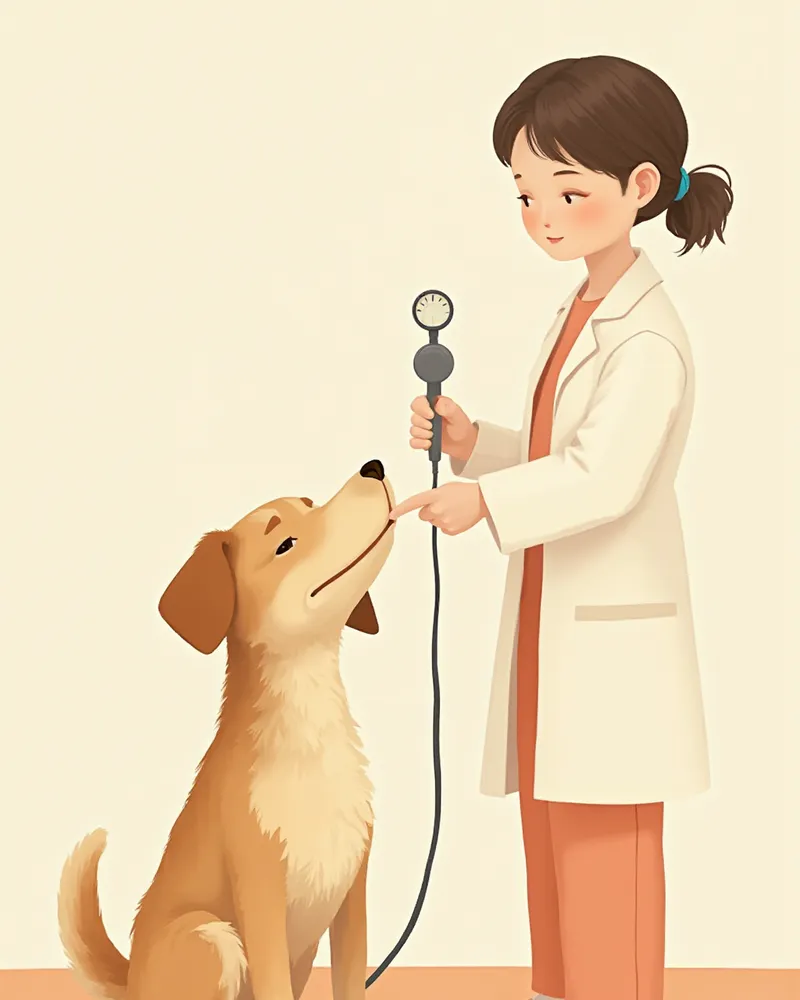
Key to Preventing Recurrence After Surgery
Even if a lump is surgically removed, recurrence is possible if the underlying cause isn’t addressed. Effective management requires a comprehensive approach, including allergy control, adjusting ear-cleaning frequency, eliminating food allergens, and treating chronic bacterial or yeast infections. In cats, simple traction often fails to fully remove the root of the issue, leaving it behind and increasing the risk of recurrence; therefore, consistent follow-up monitoring is essential. Please schedule regular otoscopic examinations for a specified period after surgery to check for any signs of recurrence.
How to Manage Care at Home
Reviewed by a veterinarian

Dr. Tony — Punnawat Phongkittirak
VeterinarianA veterinarian who majored in veterinary medicine at Khon Kaen University, Thailand, and completed the IVSA program at North Carolina State University in the United States. Drawing on clinical experience at animal hospitals, he works in the pet healthcare field and is dedicated to building a digital care environment that connects pet parents with veterinarians.
Reviewed 2026-04-28
Frequently Asked Questions
Are ear polyps cancerous?
Is it okay to just leave a small polyp alone?
What is the likelihood of the condition recurring after surgery?
Can't it be treated with medication instead of surgery?
Which breeds are more prone to ear polyps?
Share
Related Guides

Top 5 Medicated Dog Shampoos — For Pyoderma and Bacterial Infections

Veterinarian-Recommended Top 5 Medicated Shampoos for Canine Yeast Dermatitis — Relieves Itching and Greasiness

Top 5 Medicated Cat Shampoos Recommended by Veterinarians — Fungal Dermatitis and Fungal Care

Canine Nasolacrimal Duct Obstruction FAQ — Key Points Pet Owners Must Know

What Is Lens Luxation in Dogs? — Timing for Emergency Surgery to Prevent Blindness
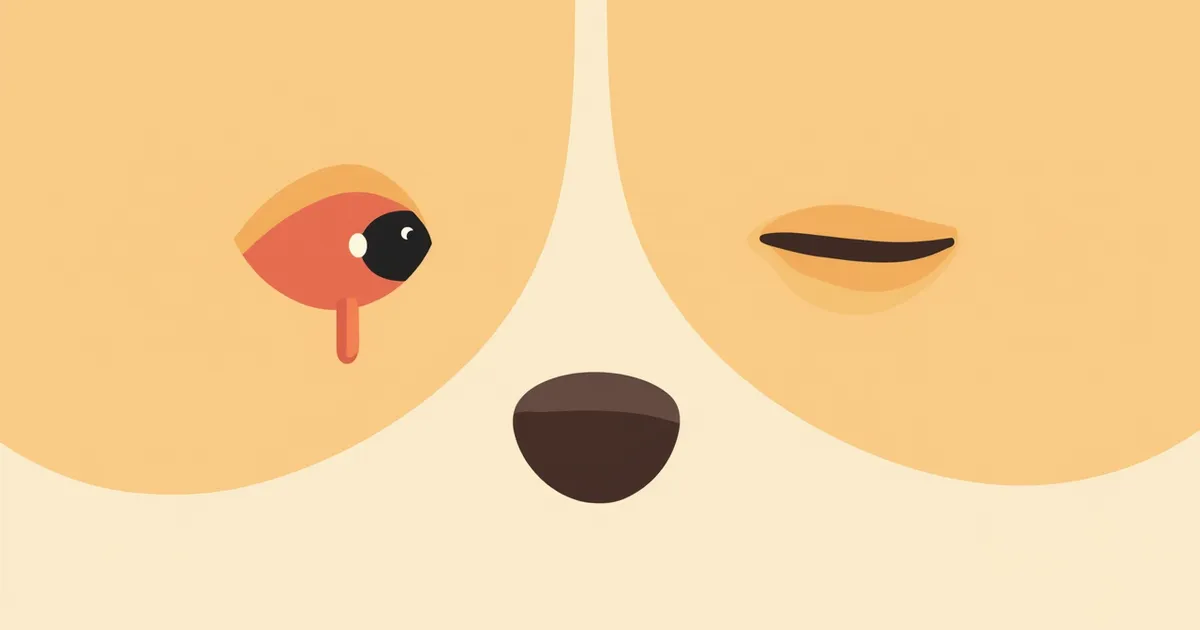
What is Canine Keratoconjunctivitis Sicca (KCS)? — How to Recognize Symptoms of Insufficient Tear Production
Should You Definitely Use Cyclosporine for Canine Dry Eye? — A Summary of Effects and Side Effects
Dog Fluorescein Staining Corneal Exam FAQ — Key Information Every Pet Owner Should Know
If Your Dog Has a Lump on Its Eyelid — Distinguishing Benign from Malignant Eyelid Tumors and How to Respond
Why Is Giving Eye Drops to My Dog So Hard? — Administration Techniques That Work Even for Resistant Puppies
References
[1] BSAVA Manual of Canine and Feline Dermatology, 4th Edition - Otitis Externa and Media
[2] Muller and Kirk's Small Animal Dermatology, 8th Edition - Diseases of Eyelids, Claws, Anal Sacs, and Ears
[3] Plumb's Veterinary Drug Handbook, 10th Edition