Like
Share
멍실장
강아지 기본 예방접종 스케줄 자주 묻는 질문 Q&A — 보호자가 꼭 알아야 할 핵심

Puppy Basic Vaccination Schedule FAQ — Key Points Every Pet Owner Should Know

Lifestyle & Age CareQ&AMeongsiljang Veterinary Advisory Board

The basic vaccination schedule for puppies begins at 6 to 8 weeks of age. We’ve outlined the key points every pet owner should know to help you create a tailored plan for your dog.

The Puppy Basic Vaccination Schedule Is an Important Plan Determined Together by Pet Owners and Veterinarians
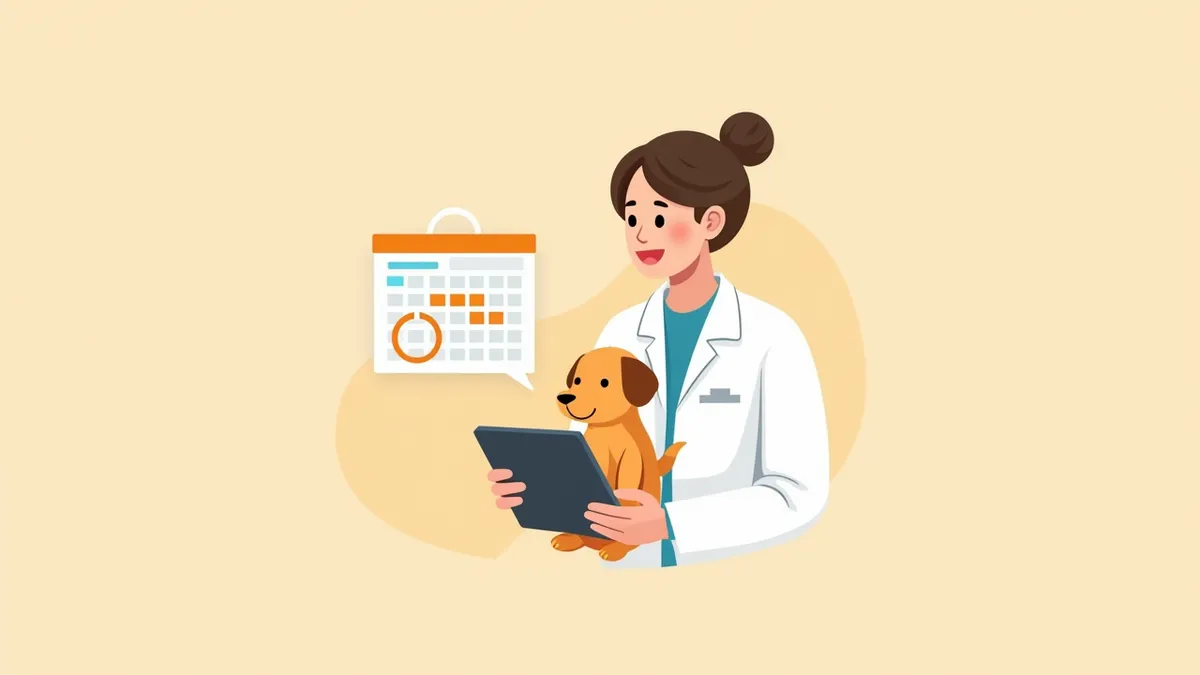
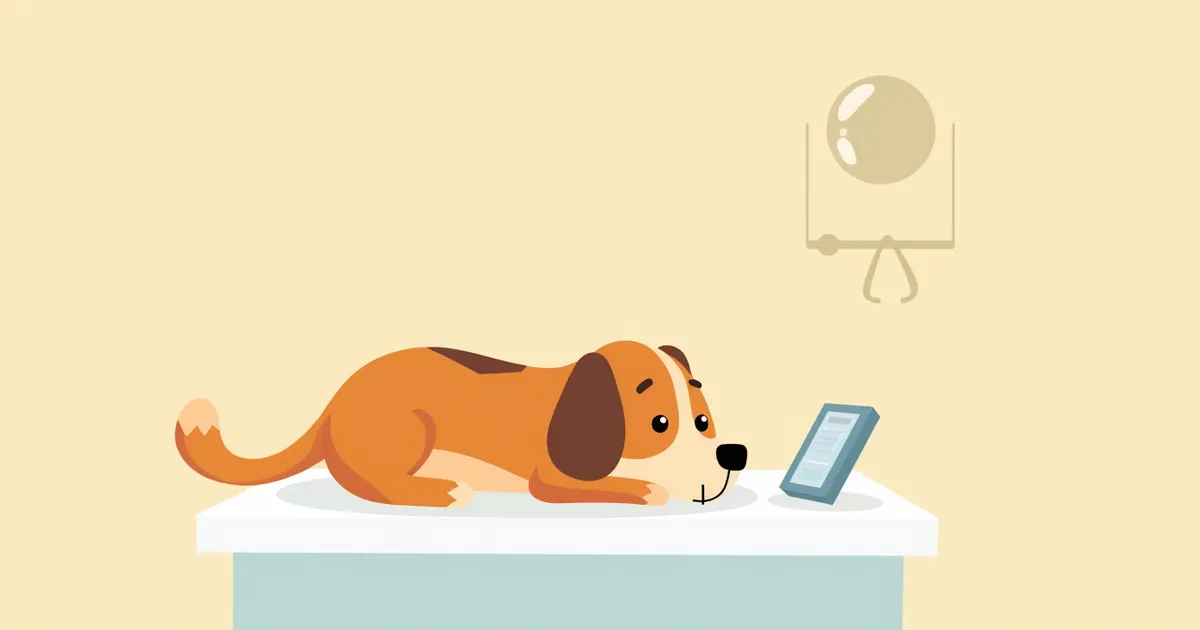
A scene of discussing a vaccination schedule with a veterinarian.
The basic vaccination schedule for puppies begins at 6 to 8 weeks of age, and it is essential for pet owners and veterinarians to collaborate on a customized plan that accounts for each dog’s individual circumstances. - Individual risk factors: The types of vaccines and their administration intervals may vary depending on the dog’s living environment, local infectious disease prevalence, and frequency of outdoor exposure. Veterinarians will assess these risk factors comprehensively to provide tailored recommendations. - Timing of vaccination: It is crucial to begin vaccinations once maternal antibodies (maternally derived antibodies) from colostrum have sufficiently declined. Administering vaccines too early may result in an inadequate immune response. - Booster series: Because initial immunity is still developing, three doses are recommended between 6 and 16 weeks of age, typically spaced 2 to 4 weeks apart. - Booster shots: For core vaccines such as distemper, parvovirus, and adenovirus, a single booster dose is required approximately one year after completing the initial series. Thereafter, regular veterinary consultations should guide ongoing management based on the dog’s immune status and risk factors. - Record keeping: Meticulously maintaining vaccination records and consulting regularly with your veterinarian are key components of effective health management.

Vaccination Is Not Just About Getting a Shot, But a Process of Safely Stimulating the Immune System
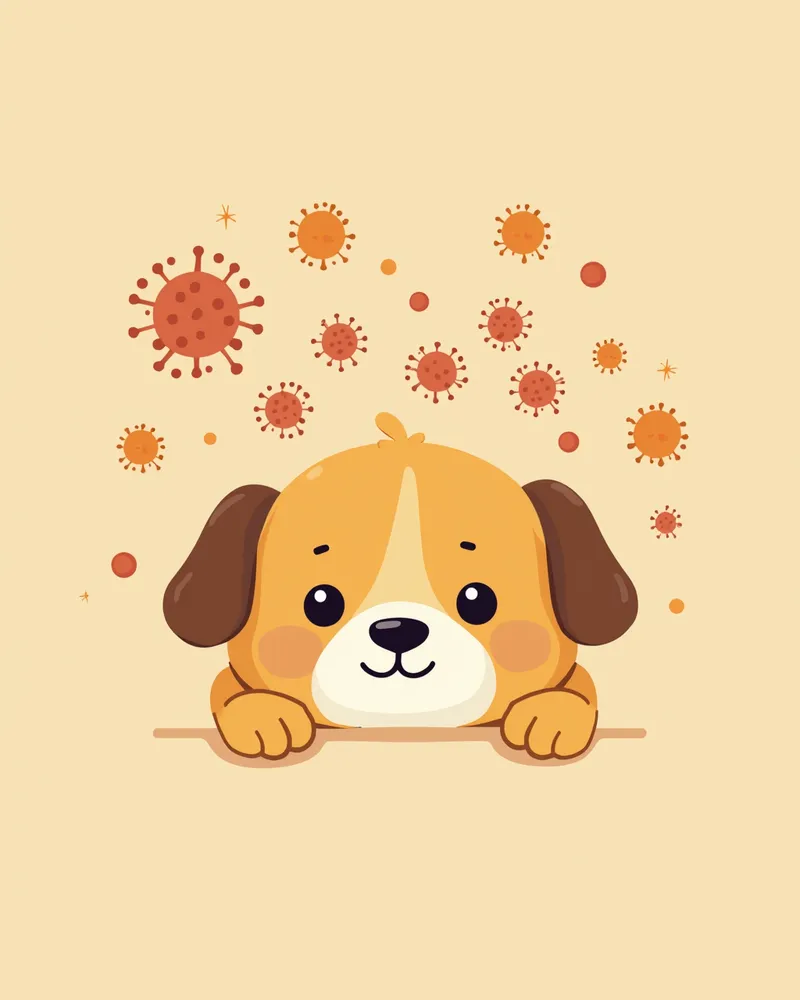
A puppy’s immune system begins to gradually mature between 6 and 8 weeks of age. - Impact of maternal immunity: Antibodies in colostrum can interfere with vaccine efficacy, so vaccinating too early may result in a reduced immune response. - Optimal timing: It is important to begin vaccination once maternal antibody levels have sufficiently declined. - How vaccines work: Vaccines stimulate the immune system with weakened pathogens to establish long-lasting immunity. - Individualized care: Your veterinarian will recommend the best timing based on a comprehensive assessment of your dog’s health, living environment, and local disease risks. - Safe stimulation: Vaccination is not just about administering a shot; it is a process of safely stimulating the immune system. - Ongoing care: Even after the initial vaccination series is complete, regular check-ups with your veterinarian are essential to monitor your dog’s immune status.
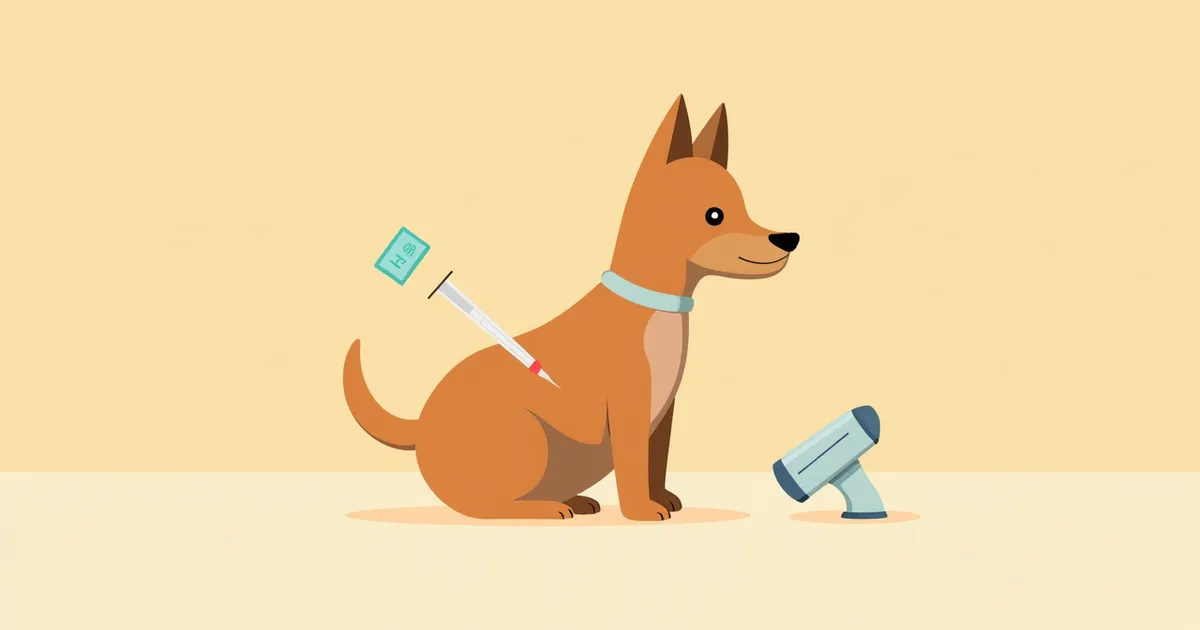
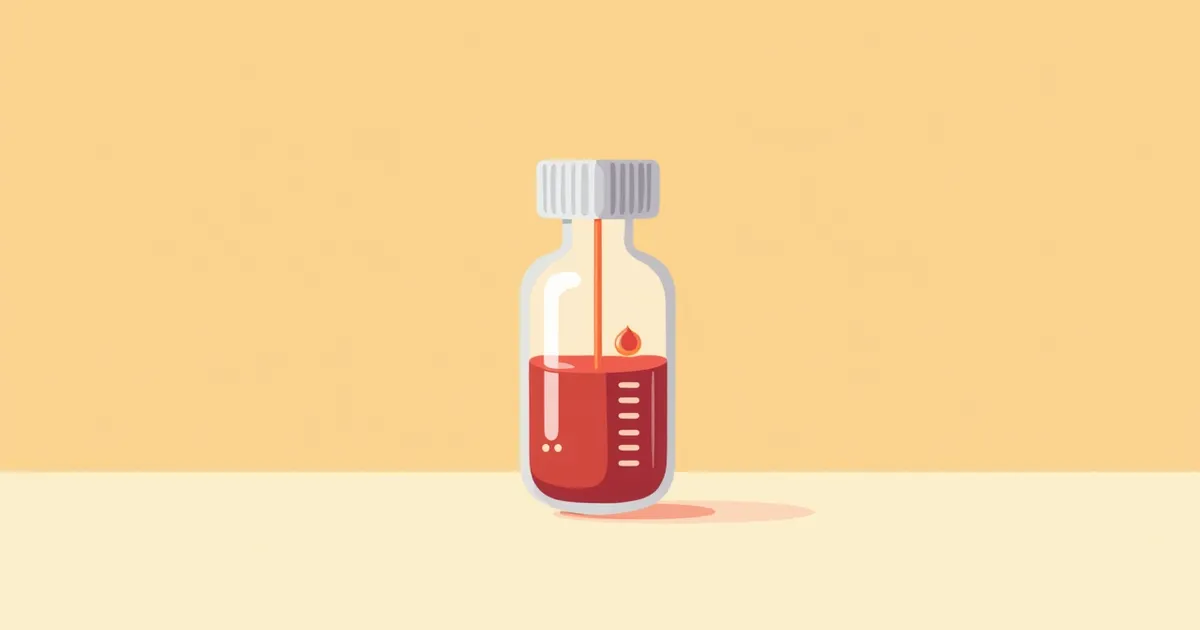
Visualizing your dog’s immune system and how vaccines work

Puppy Vaccinations Must Be Given Periodically to Maintain Their Effectiveness
Puppies need three core vaccinations between 6 and 16 weeks of age. - Why multiple doses are needed: Because their immune systems are still developing, a single shot isn’t enough to provide reliable protection. - Vaccination intervals: Shots are typically given 2–4 weeks apart, and sticking to this schedule is key to building stable immunity. - Booster shots: About a year after the initial series, a booster is recommended. Core vaccines for distemper, parvovirus, and adenovirus are usually given every three years thereafter. However, vaccines like leptospirosis, which offer shorter-lasting immunity, typically require annual boosters. The duration of protection varies by vaccine. - Maintaining immunity: Skipping vaccinations can weaken your dog’s immune defenses and increase the risk of infection, so consistent care is essential. - Ongoing care: Keeping up with regular vaccinations is one of the most important ways to protect your dog’s long-term health.
Puppy Vaccination Schedule Calendar by Age

You Must Follow Pre- and Post-Vaccination Precautions Carefully for Safety

It’s best to reduce your pet’s activity and minimize stress for 24 hours before and after vaccination. - Pre-vaccination preparation: Confirm your pet’s health status with your veterinarian. If they are sick or weakened, it’s safer to postpone the vaccination. - Post-vaccination monitoring: Mild side effects such as fever, lethargy, or decreased appetite may occur within 1–2 days. - Severe reactions: Contact your clinic immediately if you observe high fever (above 40°C), difficulty breathing, vomiting, diarrhea, seizures, or generalized swelling. - Emergency response: These symptoms may indicate an allergic reaction or serious adverse effect, so prompt action is essential. - Veterinary consultation: Be sure to review all pre-vaccination instructions provided by your veterinarian, and consult them immediately if any unusual symptoms appear after vaccination.
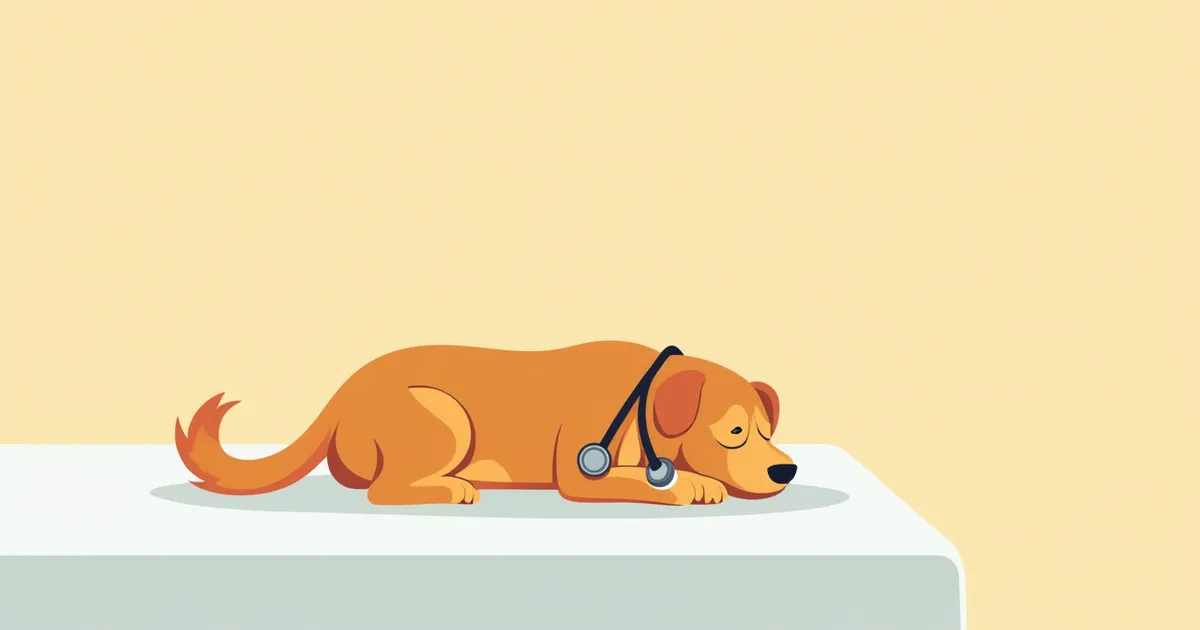
A puppy resting after vaccination

Puppy Vaccination Schedule Comparison Chart: Timing and Types of Major Vaccines

ItemVaccination TimingNumber of DosesPrecautions
canine distemper8 weeks, 12 weeks, 16 weeks3 dosesIt is important to start when maternal immunity has sufficiently declined.
parvovirus8 weeks, 12 weeks, 16 weeks3 dosesFor high-risk groups, additional vaccination up to 20 weeks may be considered
adenovirus (hepatitis)8 weeks, 12 weeks, 16 weeks3 dosesA booster shot is recommended 1 year later, with continued management thereafter based on the veterinarian's judgment
leptospirosis12 weeks, 16 weeks2 dosesSelective vaccination recommended depending on region and living environment; immunity is short-lived, so an annual booster shot is possible

All vaccines are recommended by the veterinarian according to individual circumstances. Additional vaccines may be needed depending on the region and living environment.

If Adverse Reactions Occur After Vaccination, Immediate Veterinary Visit Is Required

If your pet develops severe reactions such as high fever (over 40°C), difficulty breathing, vomiting, diarrhea, seizures, or generalized swelling after vaccination, contact your veterinarian immediately. These symptoms may indicate an allergic reaction or serious adverse effects, so prompt action is crucial. Be sure to monitor your pet closely for 24 hours after vaccination.

Following the Vaccination Schedule Is the First Step in Protecting Your Puppy’s Health

Your puppy’s health journey begins with early vaccinations. - The importance of prevention: Regular vaccinations significantly reduce the risk of highly contagious and dangerous core diseases such as distemper, parvovirus, and adenovirus. - Long-term benefits: Staying up to date with vaccinations can greatly reduce long-term veterinary costs and stress. - Tailored planning: It is essential to establish a vaccination schedule tailored to your puppy’s individual needs through regular consultations with your veterinarian. - Record keeping: Keep detailed vaccination records and develop a habit of managing them diligently to avoid missing any doses. - Prevention is best: Preventing disease before it occurs is far more effective and safer than treating it after it develops. - A start to a healthy life: Proper vaccination is the first step toward ensuring your puppy grows up healthy and energetic.
A scene showing the management of a puppy's vaccination records.

Reviewed by a veterinarian

Dr. Tony — Punnawat Phongkittirak

Dr. Tony — Punnawat Phongkittirak

Veterinarian

A veterinarian who majored in veterinary medicine at Khon Kaen University, Thailand, and completed the IVSA program at North Carolina State University in the United States. Drawing on clinical experience at animal hospitals, he works in the pet healthcare field and is dedicated to building a digital care environment that connects pet parents with veterinarians.

Frequently Asked Questions

When should puppies start their vaccinations?
Vaccination begins at 6 to 8 weeks of age, followed by two to three additional booster shots at intervals of 2 to 4 weeks. Your veterinarian will recommend a schedule tailored to your pet’s individual needs.
What happens if a vaccination is missed?
Without proper immunity, the risk of infection increases. If a vaccine dose was missed, consult your veterinarian about administering a catch-up vaccination.
Can a vaccine fail to work after vaccination?
While no vaccine offers 100% protection, completing the vaccination series significantly reduces the risk of serious diseases. Consider additional preventive measures as well.
Should dogs receive vaccinations every year?
Core vaccines for distemper, parvovirus, and adenovirus are typically administered every three years, while vaccines with shorter-lasting immunity, such as leptospirosis, require annual booster shots. Please follow the vaccination schedule recommended by your veterinarian.
Is testing necessary before vaccination?
If your pet is in poor health or you suspect an illness, a pre-vaccination checkup may be necessary. Your veterinarian will make the final assessment.

Share

Related Guides

References

[1] Scherk MA, Ford RB, Gaskell RM, Hartmann K, Hurley KF, Lappin MR, et al. 2013 AAFP Feline Vaccination Advisory Panel Report. J Feline Med Surg. 2013;15(9):785–808.

[2] The Veterinary Workbook of Small Animal Clinical Cases. British Small Animal Veterinary Association. https://www.bsava.com/Resources/Veterinary-resources/Position-statements/Vaccination

[3] Clinical Medicine of the Dog and Cat, 4th Ed. Chapter 21.2.1: Vaccination Protocols. Elsevier, 2023.

This information is based on veterinary literature and does not replace diagnosis or treatment. Please consult a veterinarian for specific health concerns.

Metapet Co., Ltd. | CEO: Park Sung-yong | Business Reg. No. 417-88-02562 | Seoul, South Korea | Customer Center

Puppy Vaccination Schedule: 5 FAQs Answered | Meongsiljang