

What Is Canine Endocarditis? — A Comprehensive Guide from Early Symptoms to Treatment
Canine endocarditis is a serious condition in which bacteria invade the heart valves and cause inflammation. Early detection and appropriate treatment are crucial for improving survival rates.
What Is Canine Endocarditis?

What Are the Main Causes of Endocarditis?
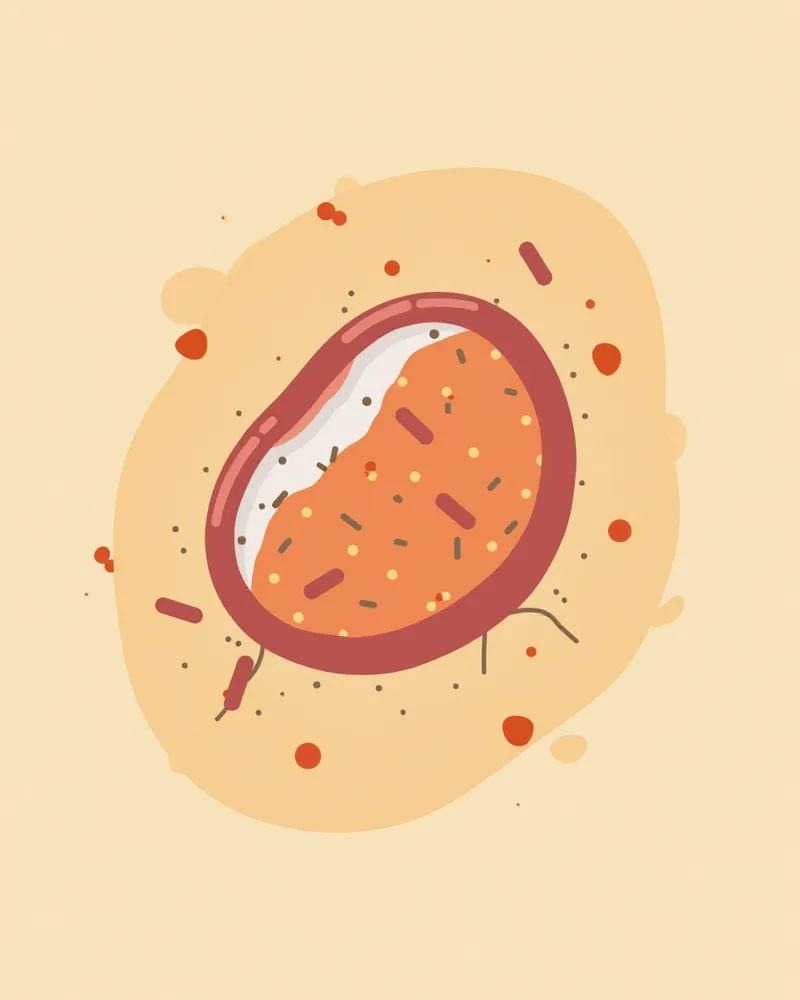
What Are the Main Symptoms of Endocarditis?

Signs Requiring Immediate Veterinary Care
Seek immediate veterinary care if your pet experiences severe difficulty breathing, sudden collapse, or a heart rate that becomes extremely rapid or irregular. These are signs of a sudden decline in heart function or the onset of heart failure, which can be life-threatening if treatment is delayed. When in doubt, it is safest to transport your pet directly to the nearest emergency clinic.
How Is Endocarditis Diagnosed?
What Are the Treatment Methods for Endocarditis?

Key Points for Home Care

Comparison of Management Strategies by Stage of Endocarditis Treatment
| Item | Main Symptoms | Treatment Method | Precautions |
|---|---|---|---|
| Early stage | Persistent fever, decreased appetite | Start antibiotics, echocardiographic examination | Adhere to medication schedule, regular checkups |
| Mid stage | Difficulty breathing, increased fatigue | Adjust antibiotics, add heart failure medication | Activity restriction, weight monitoring |
| Recovery stage | Symptom relief, weight recovery | Gradual tapering of medication, regular follow-up examinations | Infection prevention, enhanced oral care |
Treatment duration may vary depending on the individual's condition. Adjustment after consultation with a veterinarian is needed.
Precautions
During endocarditis treatment, it is important to avoid other infections and maintain meticulous oral hygiene. Since dental issues are a primary pathway for bacteria to spread to the heart, regular dental cleanings are essential. Additionally, because antibiotics can cause side effects, promptly inform your veterinarian if you notice vomiting, diarrhea, or loss of appetite.
Reviewed by a veterinarian

Dr. Tony — Punnawat Phongkittirak
VeterinarianA veterinarian who majored in veterinary medicine at Khon Kaen University, Thailand, and completed the IVSA program at North Carolina State University in the United States. Drawing on clinical experience at animal hospitals, he works in the pet healthcare field and is dedicated to building a digital care environment that connects pet parents with veterinarians.
Reviewed 2026-06-03
Frequently Asked Questions
Is endocarditis treatable?
Is endocarditis contagious?
Which dog breeds are at higher risk for endocarditis?
Can my pet receive vaccinations while being treated for endocarditis?
Can endocarditis recur?
Share
Related Guides

Coenzyme Q10 Benefits and Administration Guide

Dog Pulmonary Edema Warning — 7 Best Diuretics (Furosemide) for Heart Management

7 Best Prescription Diets for Feline Heart Disease Recommended by Veterinarians — Criteria for Choosing Low-Sodium Food

Internal Eye Diseases Detected by Fundus Examination
The Ultimate Guide to Fecal Exam Types (Flotation and Smear) and Result Interpretation
Interpreting T4 and Thyroid Hormone Tests

How to Check for Dehydration in Dogs and Cats at Home Using Skin Elasticity and Gums

Health Signals Revealed by Gum Color

How to Brush Your Dog’s Teeth and Get Them Used to It

The Ultimate Guide to Dog Brushing and Coat Care
References
[1] Kaplan JL, Stern JA. Canine Cardiomyopathy. In: Small Animal Critical Care Medicine, 3rd Ed. Elsevier, 2020.
[2] Freid KJ, Freeman LM, Rush JE, et al. Retrospective study of dilated cardiomyopathy in dogs. J Vet Intern Med. 2020;35(1):58–67.
[3] Adler Y, Charron P, Imazio M, et al. 2015 ESC Guidelines for the diagnosis and management of pericardial diseases. Eur Heart J. 2015;36(34):2921–2964.