Like
Share
멍실장
T4·갑상선 호르몬 검사 해석

Interpreting T4 and Thyroid Hormone Tests

WeightQ&AMeongsiljang Veterinary Advisory Board

We’ve compiled the essential information pet owners should know about T4 testing in dogs and cats, including normal reference ranges, causes of high and low levels, and guidance on additional tests and treatment options.

What is the Thyroid Hormone (T4) Test?
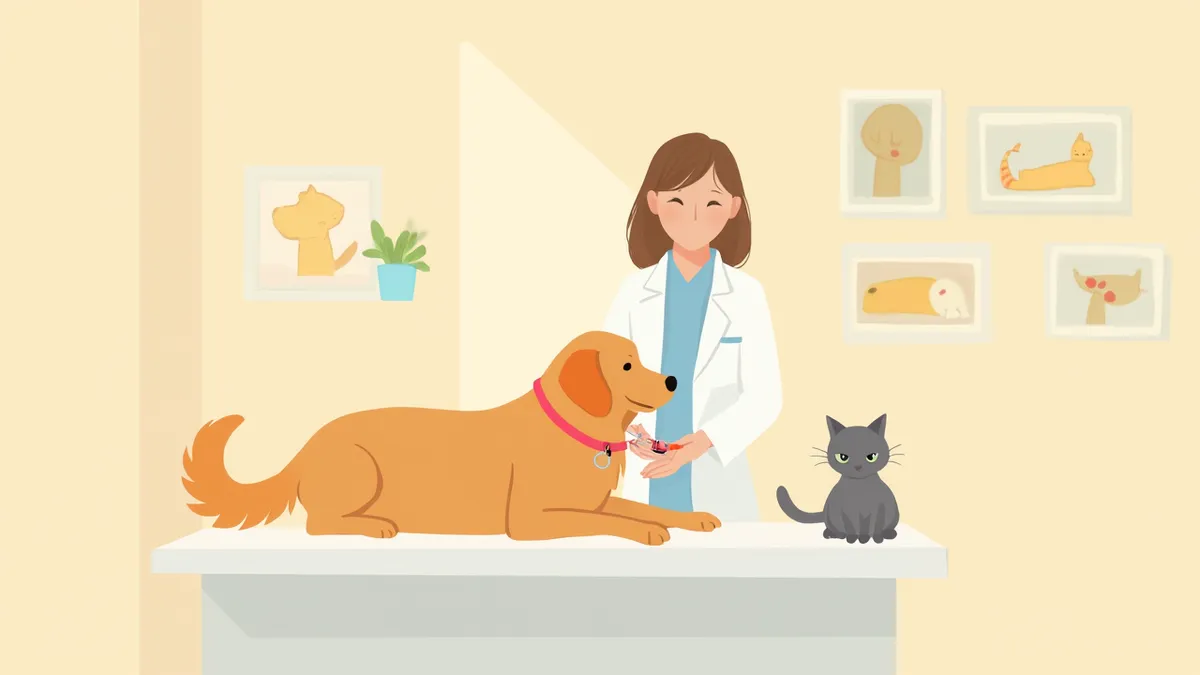
A veterinarian drawing blood from a puppy.
Thyroid hormone testing (T4 test) measures the level of thyroid hormones in the blood to check for thyroid dysfunction. The most important thing to remember is that a diagnosis is never based on a single number alone. This test is used to differentiate between hypothyroidism, which is primarily seen in dogs, and hyperthyroidism, which is more common in cats. It is one of the essential basic tests recommended when symptoms such as weight changes, hair loss, or abnormal appetite are observed.

How is the T4 Test Performed?

The T4 test requires only a small blood sample (1–2 ml). Fasting isn’t strictly necessary, but since it’s often performed alongside other tests, blood is typically drawn after an 8–12 hour fast. Results take 30 minutes to 1 hour if processed in-house, or 1–2 days if sent to an external laboratory. The primary measurement is total T4, but if results fall within a borderline range, we may also check free T4 and TSH (thyroid-stimulating hormone) for further evaluation.

Comparison of Normal T4 Ranges in Dogs and Cats

ItemDogCat
Total T4 normal range1.0–4.0 μg/dL0.8–4.0 μg/dL
Suspected condition when lowHypothyroidismSevere illness · drug effects
Suspected condition when highRare (e.g., tumor)Hyperthyroidism
Recommended additional testsFree T4, TSHFree T4, blood pressure, heart

Normal ranges may vary by laboratory and analyzer. Check the reference range printed on your result sheet first.

How to Read Your T4 Results
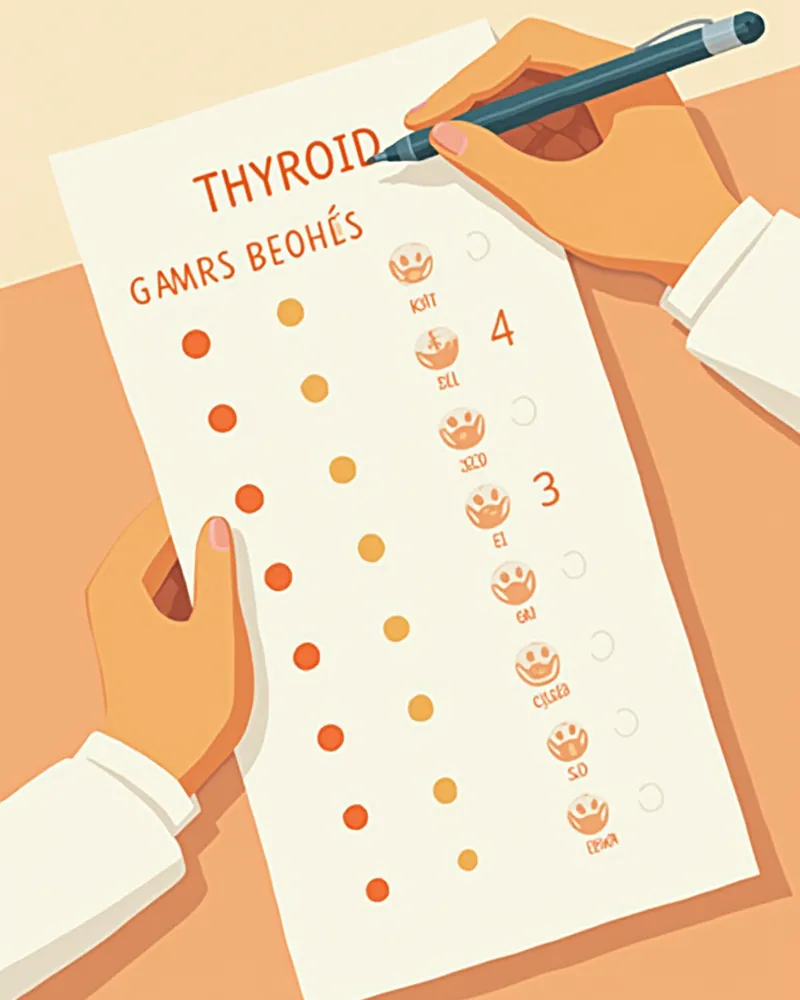
The key to interpreting results is always considering them alongside clinical signs. - Dogs with low T4: If your dog is gaining weight, showing low energy, and experiencing patchy hair loss, hypothyroidism is highly likely. - Cats with high T4: If your cat is eating well but losing weight and drinking excessive amounts of water, hyperthyroidism should be strongly suspected. - Borderline values: If the result falls near the upper limit of the normal range, retest using Free T4 and TSH. - When accompanied by severe illness: T4 levels may temporarily appear low due to other conditions (euthyroid sick syndrome/non-thyroidal illness).
A veterinarian reviewing the results of a thyroid hormone test.

Do Not Diagnose Prematurely Based on T4 Levels Alone

Never start medication or make your own diagnosis based solely on a T4 level. Stress, other diseases (such as kidney disease, diabetes, or infections—non-thyroidal illnesses), and medications currently being taken (including glucocorticoids like steroids, NSAIDs, and sulfonamide antibiotics) can skew T4 results. A diagnosis and treatment plan should always be determined by a veterinarian after a comprehensive assessment that includes clinical signs, blood tests, and additional diagnostic tests as needed.

What Additional Tests Are Needed?
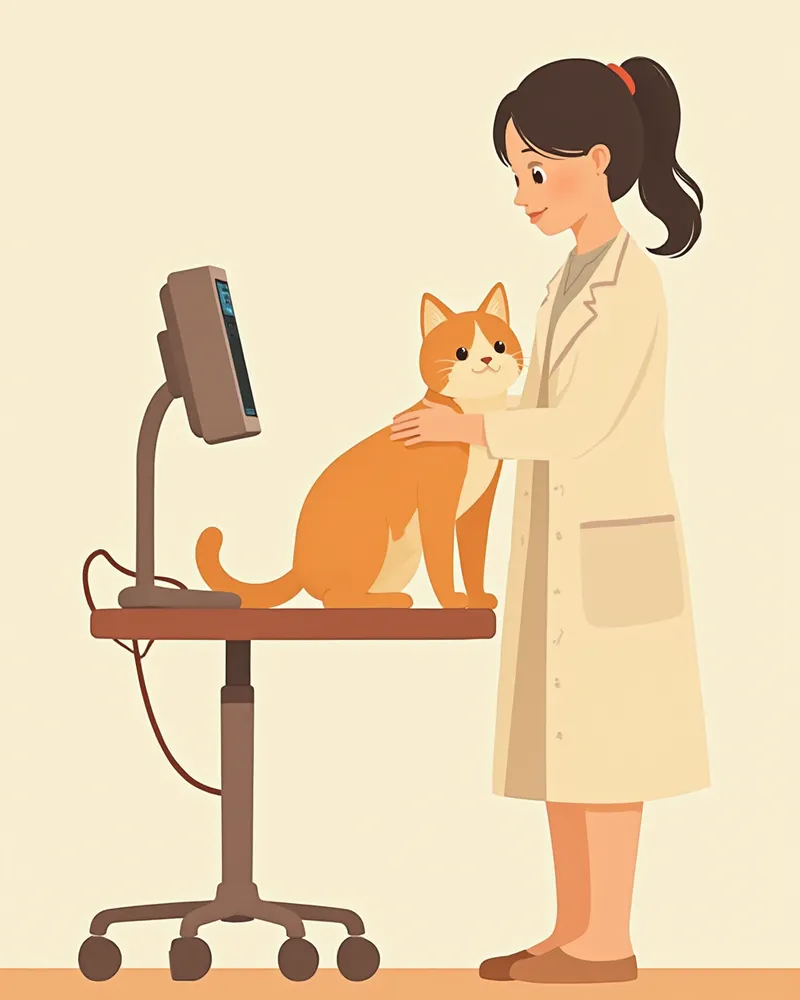
If T4 results are inconclusive or a specific condition is suspected, we recommend adding the following tests: - Free T4 (FT4): Measures the unbound (free) fraction of thyroxine not attached to proteins. It has very high sensitivity (>98%) and is useful for distinguishing suppressed levels caused by non-thyroidal illness, but because its specificity is lower than that of total T4, it must always be interpreted alongside total T4 results. - TSH (Thyroid-Stimulating Hormone): A hormone secreted by the pituitary gland, essential for differentiating hypothyroidism. - Thyroid Ultrasound: Used to identify thyroid nodules in cats. - Cardiac Examination (Cats): Hyperthyroidism places significant strain on the heart, so cardiac assessment is essential. - Renal Values and Blood Pressure Testing: Checks for concurrent kidney disease or hypertension.
Ultrasound examination of a cat's thyroid gland

How is Treatment Proceeded After Diagnosis?

According to veterinary internal medicine textbooks, thyroid diseases have a favorable prognosis when diagnosed early. - Canine hypothyroidism: Lifelong oral administration of levothyroxine is required, with dosage adjustments made through re-examination 4–8 weeks after initiating treatment. - Feline hyperthyroidism: Treatment options include oral medications such as methimazole or carbimazole, radioactive iodine therapy, thyroidectomy, or prescription diets, selected based on the individual case. - Criteria for treatment selection: Discuss thoroughly with your veterinarian, considering the pet’s age, concurrent diseases, and the owner’s daily circumstances, and decide together after reviewing the pros and cons of each treatment method. The exact dosage and schedule will be determined by your veterinarian based on the pet’s weight and blood test results.

These Pets Need More Frequent Testing

- Dogs: Physiological thyroid hormone levels vary by breed, so a comprehensive assessment that considers clinical signs and breed-specific characteristics is essential. For middle-aged and older dogs showing signs of hypothyroidism, such as weight gain, lethargy, or hair loss, we recommend planning regular thyroid screenings with your veterinarian. - Cats: The incidence of hyperthyroidism increases in senior cats, so we recommend regular T4 testing for cats aged 10 years and older, even if no obvious symptoms are present. Please ensure periodic check-ups based on age, regardless of whether the cat is spayed or neutered.

Reviewed by a veterinarian

Dr. Tony — Punnawat Phongkittirak

Dr. Tony — Punnawat Phongkittirak

Veterinarian

A veterinarian who majored in veterinary medicine at Khon Kaen University, Thailand, and completed the IVSA program at North Carolina State University in the United States. Drawing on clinical experience at animal hospitals, he works in the pet healthcare field and is dedicated to building a digital care environment that connects pet parents with veterinarians.

Frequently Asked Questions

How much does a T4 test cost?
Costs vary by clinic, but a single T4 test typically ranges from $20 to $40, while a full thyroid panel including free T4 and TSH usually costs between $60 to $100. These tests are often more affordable when included in a comprehensive health check-up package.
Do I need to fast my pet before the T4 test?
While fasting isn't strictly necessary if you're only testing T4 levels, we generally recommend an 8- to 12-hour fast since this test is usually performed alongside other blood work. Your pet can continue to drink water as usual.
Can the medications my pet is currently taking affect the test results?
Yes, steroids (such as prednisolone and other glucocorticoids), nonsteroidal anti-inflammatory drugs (NSAIDs), and sulfonamide antibiotics can lower T4 levels. It’s essential to inform your veterinarian about any medications your pet is taking so they can interpret the results accurately.
Does a normal T4 level mean there’s no thyroid disease at all?
Not necessarily. In the early stages, or when other conditions mask the results, we recommend additional tests for free T4 and TSH, along with a follow-up retest in 3 to 6 months if symptoms are present.
How often should follow-up check-ups be done once treatment begins?
The first follow-up test is typically done 4 to 8 weeks after starting treatment. Once your pet’s condition stabilizes, we’ll check in every 3 to 6 months. If dosage adjustments are needed, we may schedule more frequent tests.

Share

Related Guides

References

[1] Little SE. The Cat: Clinical Medicine and Management, 2nd Edition. Elsevier, 2020

[2] Peterson ME, Kintzer PP, Hurvitz AI. Methimazole treatment of 262 cats with hyperthyroidism. J Vet Intern Med. 1988;2:150

[3] Ettinger SJ, Feldman EC. Textbook of Veterinary Internal Medicine, 8th Edition. Elsevier, 2017

[4] Hill P, Warman S, Shawcross G. 100 Top Consultations in Small Animal General Practice. Blackwell Publishing, 2011

This information is based on veterinary literature and does not replace diagnosis or treatment. Please consult a veterinarian for specific health concerns.

Metapet Co., Ltd. | CEO: Park Sung-yong | Business Reg. No. 417-88-02562 | Seoul, South Korea | Customer Center

Interpreting T4 & Thyroid Hormone Tests in Pets | Meongsiljang