
Frequently Asked Questions About Feline Dental Scaling and Tartar Removal — Key Points Every Pet Owner Should Know
Tartar removal in cats is a routine dental procedure performed under general anesthesia, essential for preventing periodontal disease and maintaining overall health. Here are the key points every pet owner should know.
What Is Feline Dental Scaling and Tartar Removal?

Why Is Scaling Necessary for Cats?
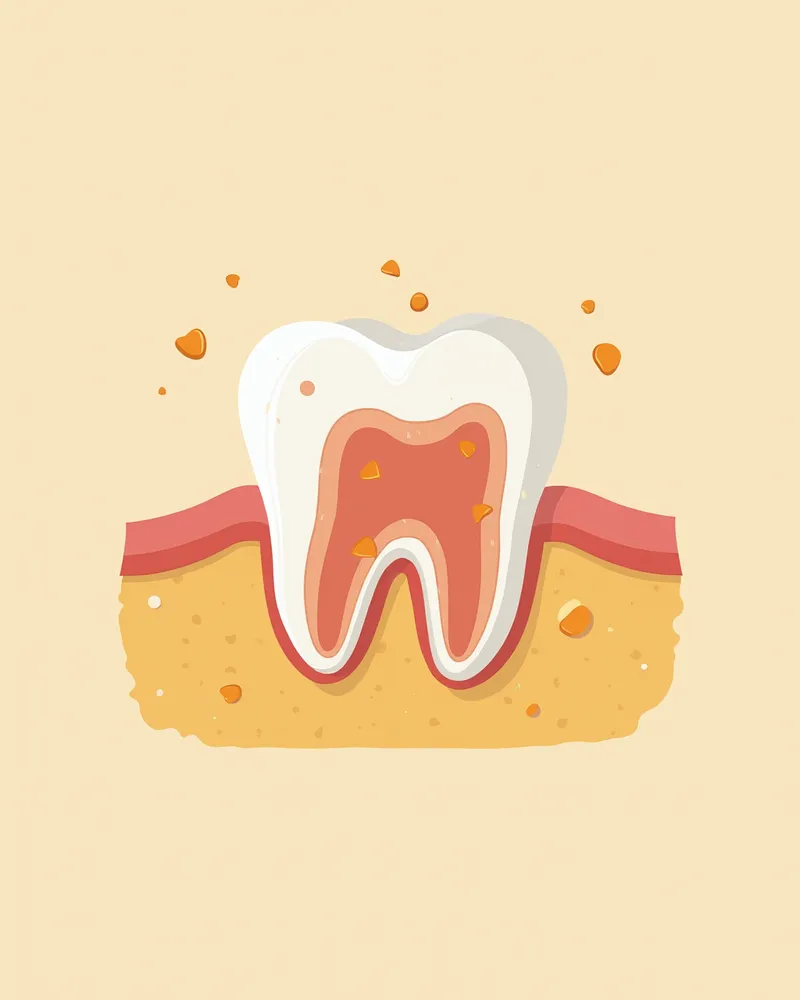
What Procedures Are Performed During Scaling?
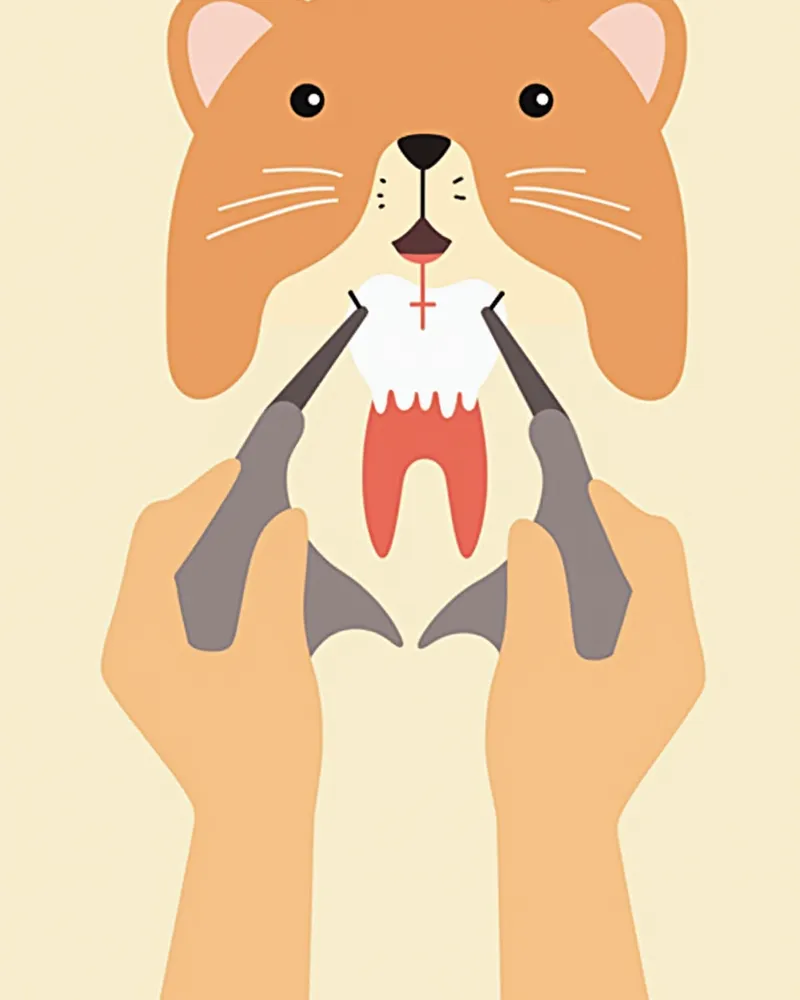
What Symptoms May Appear in Cats After Scaling?

Before and After Scaling: Your Cat’s Oral Health Status
| Item | Before Scaling | After Scaling |
|---|---|---|
| Tartar condition | Yellow-brown tartar present on tooth surfaces | Tartar completely removed, tooth surfaces smooth |
| Gum condition | Red, swollen gums with high likelihood of bleeding | Redness disappears and a healthy pink color is maintained |
| Bad breath | Severe foul odor occurs | Some odor may remain but is greatly improved |
| Appetite | Reluctance to eat food | Recovery of normal appetite |
Regular scaling prevents the progression of periodontitis and helps maintain overall health.
Caution: Be Sure to Get Checked Before Scaling
Before your cat undergoes dental scaling, it’s important to check their overall health through blood tests and a heart examination. This helps identify any conditions that could pose risks during anesthesia, ensuring a safe and smooth procedure.
Home Care Methods After Scaling

How Often Should Scaling Be Performed?

Reviewed by a veterinarian

Dr. Tony — Punnawat Phongkittirak
VeterinarianA veterinarian who majored in veterinary medicine at Khon Kaen University, Thailand, and completed the IVSA program at North Carolina State University in the United States. Drawing on clinical experience at animal hospitals, he works in the pet healthcare field and is dedicated to building a digital care environment that connects pet parents with veterinarians.
Reviewed 2026-06-07
Frequently Asked Questions
Does scaling cause pain?
Do teeth become loose after scaling?
Can brushing your pet’s teeth at home replace professional dental scaling?
Still noticing bad breath after your pet’s dental scaling?
My cat hates dental cleanings. What should I do?
Share
Related Guides

7 Best Cat Dental Chews for Tartar Prevention Recommended by Veterinarians and Selection Criteria
Top 5 Recommended Dental Treats for Dogs in 2026 — VOHC Certification Criteria

7 Criteria for Choosing Dog Tartar Prevention Dental Chews Recommended by Veterinarians
Dog Abdominal Tumors: What to Suspect — Key Q&A on Intra-abdominal Tumor Differential Diagnosis
Feline Tumor Prognosis and Survival Time FAQ — Key Information for Pet Owners
What Is Feline Tumor Immunotherapy? — Essential Q&A for Pet Owners on Principles to Efficacy
Feline Tumor CT/MRI Staging FAQ — Key Information Every Cat Owner Must Know
Cat Tumor Biopsy and Fine-Needle Aspiration FAQ — Key Information for Pet Owners

What is Feline Squamous Cell Carcinoma? — What Symptoms Should Raise Suspicion?
When to Spay Your Cat to Prevent Mammary Tumors — Key Prevention Q&A
References
[1] The Dog Care Handbook, Things I Wish My Vet Had Told Me, 2020
[2] 100 Top Consultations in Small Animal General Practice, 2019
[3] Canine and Feline Respiratory Medicine, 3rd Edition, 2021