

Do Cats Grieve Too? — Behavioral Changes and Care Q&A After Pet Loss
The grief that follows the loss of a cat is a normal psychological response. We’ve compiled a Q&A covering common emotions owners experience—such as guilt, apathy, and loss of appetite—along with ways to heal and access professional support.
It’s a Natural Response to Feel Sad After Losing Your Cat

Grief Reactions in Owners — Which Emotions Are Normal?

The 5 Stages of Grief — Check Which Stage You’re In
| Item | Main emotions/thoughts | Manifested behaviors |
|---|---|---|
| Stage 1: Denial | Unable to believe 'is this real' | Dazed state, refusing food |
| Stage 2: Anger | 'Why me,' self-blame and blaming others | Irritability without reason, tears |
| Stage 3: Bargaining | Repeating 'if only things had been different then' | Retracing the past, regret |
| Stage 4: Depression | Listlessness, 'I don't want to do anything' | Isolation, decreased appetite and sleep |
| Stage 5: Acceptance | 'I'll go on living with the memories' | Return to daily life, memorial activities |
Based on the Kübler-Ross model. The stages may not come in order and can recur.
For Owners Feeling Guilt After Choosing Euthanasia
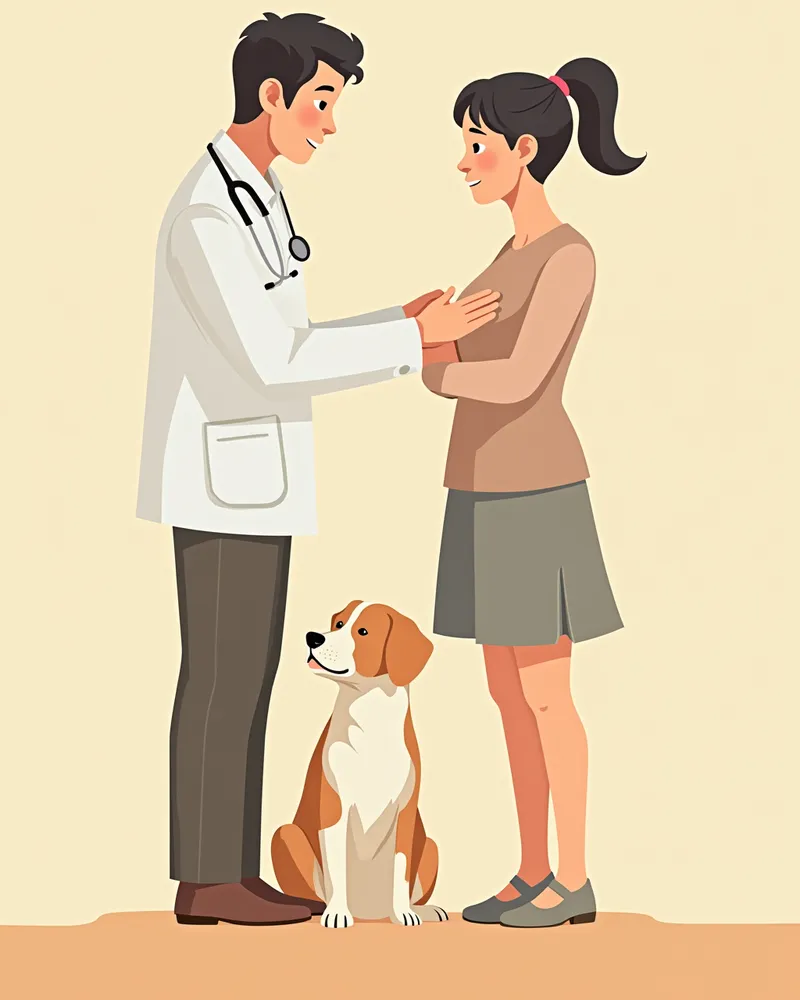
Professional Counseling Is Needed If You’re in This State
If these symptoms persist for an extended period or show little improvement over time, it may indicate complicated grief. Rather than trying to cope alone, please seek support from a mental health professional. A good first step is to contact your veterinarian, who can help you find local counseling resources or pet loss support services. • When sleep and appetite are severely disrupted • When daily functioning at work or school is significantly impaired • When you experience thoughts such as “I wish I were gone too” • When you become completely isolated from others
5 Practical Ways to Manage Grief

If You Have Other Cats or Pets at Home
Pet Loss Support — You Don’t Have to Bear It Alone
You don’t have to bear your grief alone. You can receive individual counseling from a mental health professional and connect with other pet owners who’ve had similar experiences through online pet-loss support communities. A good first step is to reach out to your veterinarian to inquire about local pet-loss support services.
Reviewed by a veterinarian

Dr. Tony — Punnawat Phongkittirak
VeterinarianA veterinarian who majored in veterinary medicine at Khon Kaen University, Thailand, and completed the IVSA program at North Carolina State University in the United States. Drawing on clinical experience at animal hospitals, he works in the pet healthcare field and is dedicated to building a digital care environment that connects pet parents with veterinarians.
Reviewed 2026-06-01
Frequently Asked Questions
How long is it normal for a cat to grieve after losing a companion?
I keep wondering if choosing euthanasia was the right decision.
It’s even harder when people around me say, “It’s just an animal.”
Will adopting a new cat help ease my sadness?
After my pet passed away, I sometimes hear their voice or feel like they’re still here at home. Is this normal?
Share
Related Guides

7 Behavioral Enrichment Strategies for Mental Stimulation Recommended by Veterinarians
Top 5 Calming Supplements for Dogs and Cats in 2026

L-Theanine Effects and Calming Support

Complete Guide to the Post-TPLO Surgery Rehabilitation Protocol
Monitoring Anesthesia Recovery (Body Temperature, Pain, Vomiting)
Types of Local and Regional Anesthesia and Their Indications
Is Anesthesia Safe for Dogs with Kidney Disease? Risks and Safety Management Owners Should Know
Anesthesia Protocol for Dogs with Heart Disease: What You Must Know
Anesthesia for Senior Pets: How to Ensure Safety — Pre-Anesthetic Tests You Must Check
Brachycephalic Breed Anesthesia Protocol and Risks
References
[1] Lindemann E. Symptomology and management of acute grief. Am J Psychiatry. 1944;101:141-148.
[2] Shear MK. Complicated grief treatment: the theory, practice and outcomes. Bereave Care. 2010;29(3):10-14.
[3] Silverstein DC, Hopper K (Eds.). Small Animal Critical Care Medicine, 3rd Edition. Elsevier.
[4] Little S (Ed.). The Cat: Clinical Medicine and Management, 2nd Edition. Saunders Elsevier.