Like
Share
멍실장
강아지 갑상선 저하증 증상 — 무기력·비만·털 빠짐 체크

If Your Dog Is Constantly Lethargic — Canine Hypothyroidism Symptom Checkpoints

EndocrineQ&AMeongsiljang Veterinary Advisory Board

We break down the hallmark signs of canine hypothyroidism—lethargy, weight gain, and symmetrical hair loss—by stage, and provide a clear overview of how to distinguish it from similar conditions, as well as the diagnostic and treatment process.

What Is Canine Hypothyroidism?
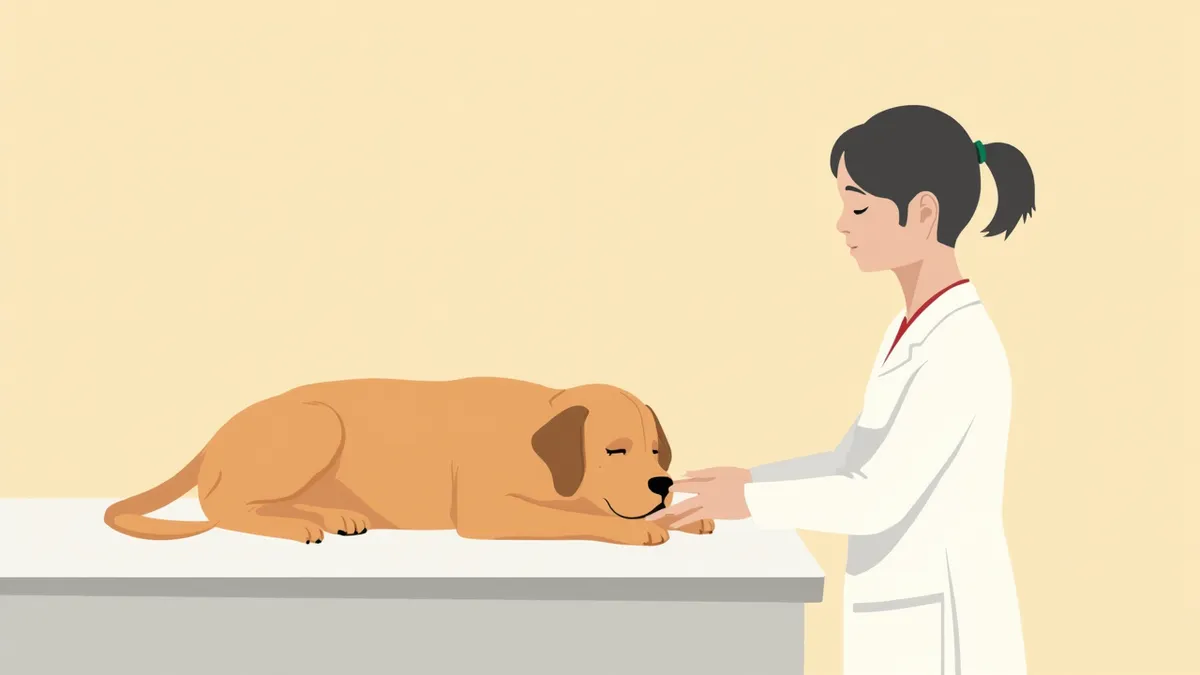
A veterinarian gently palpating a puppy’s thyroid gland in the neck area for examination.
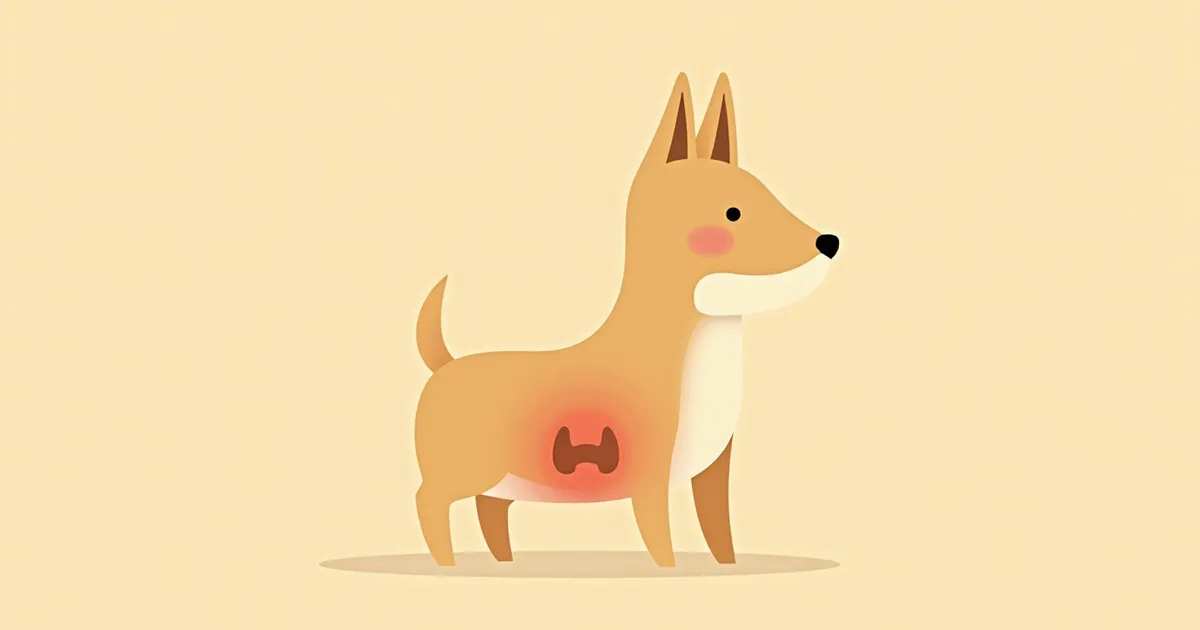
Canine hypothyroidism is an endocrine disorder in which the thyroid gland, located at the front of the neck, produces insufficient hormones, leading to a slowed metabolism throughout the body. What’s truly important is that symptoms progress very gradually, making it easy for owners to overlook them, assuming it’s just a normal part of aging. If you notice lethargy, weight gain, and symmetrical hair loss occurring together, it’s not simply aging—your dog should undergo hormone testing. Although this condition requires lifelong medication, with proper management, your dog can enjoy a healthy, normal daily life just like any other dog.

What Causes It? — Causes and Susceptible Dogs

Most cases of hypothyroidism in dogs are caused by either immune-mediated lymphocytic thyroiditis or idiopathic thyroid atrophy. In the former, the immune system mistakenly attacks the thyroid gland; in the latter, thyroid tissue gradually shrinks, leading to reduced hormone production. While these two causes are by far the most common, tumors, antithyroid medications, and congenital defects can rarely be responsible. The condition primarily affects middle-aged (roughly 3 to 6 years old) medium- to large-breed purebred dogs, with Golden Retrievers, Doberman Pinschers, Boxers, Great Danes, and Irish Setters showing particularly high incidence rates. However, in predisposed breeds, symptoms may appear earlier, around 2 to 3 years of age. Congenital hypothyroidism in puppies is very rare, but it is often detected relatively early due to signs such as growth retardation (dwarfism) or delayed tooth eruption.

Suspect It If You See These Signs — Key Symptom Check
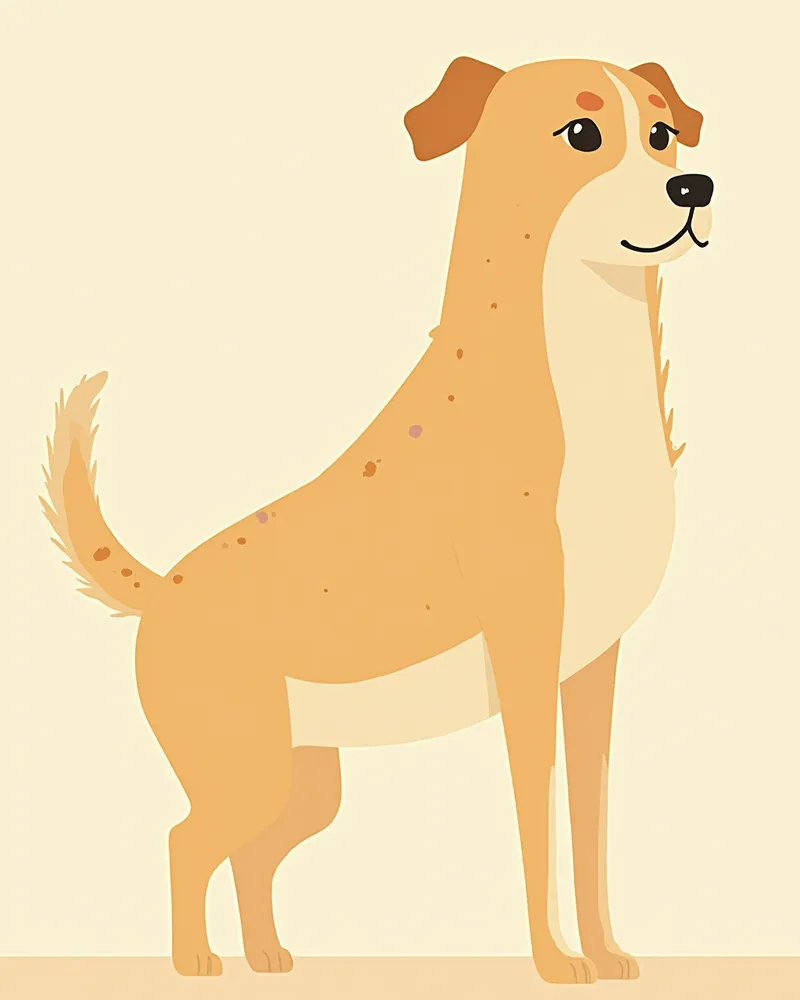
The symptoms of hypothyroidism can be broadly categorized into two groups: metabolic slowdown and skin-related issues. Even if your pet shows only one or two signs, don’t dismiss them. If multiple symptoms overlap, we strongly recommend getting tested. - Lethargy and reluctance to exercise: They may gradually walk shorter distances or refuse to climb stairs. - Weight gain: Their weight steadily increases despite no change in food intake. - Symmetrical hair loss: Hair falls out symmetrically on both sides of the body, including the flanks, tail, and back, often resulting in a “rat-tail” appearance. - Cold sensitivity: They constantly seek out warm spots and prefer to stay there. - Skin hyperpigmentation: The skin on the belly and groin area becomes darkened. - Dull facial expression: Thickening of the skin on the forehead can give them a sad or expressionless look.
Comparison of symmetrical flank hair loss in a healthy dog versus a dog with hypothyroidism

Go to the Vet Immediately for These Signs — Myxedema Coma

If hypothyroidism is left untreated for a long time, it can rarely lead to a medical emergency called "myxedema coma." This condition is characterized by abnormally low body temperature, a slow heart rate, and altered consciousness. If your pet becomes unusually lethargic or suddenly exhibits neurological signs such as head tilting, facial paralysis, or drooping on one side of the face, you should go to an emergency clinic immediately. Because thyroid hormones affect the heart, nerves, and muscles, emergencies are rare but can be very dangerous when they occur.

How to Distinguish It From Similar Conditions?

There are conditions that can easily be confused with hypothyroidism. Rather than attempting self-diagnosis based on symptoms alone, it’s helpful for pet owners to organize the “pattern of symptoms” beforehand, as this significantly speeds up the diagnostic process at the clinic. Cushing’s disease is characterized by excessive thirst and a pot-bellied appearance, while allergic dermatitis primarily presents with intense itching. The key distinguishing feature of hypothyroidism is non-itchy, symmetrical hair loss on both sides of the body.

Comparison Table of Confusing Conditions

ItemHypothyroidismHyperadrenocorticismAllergic Dermatitis
Main Age4–10 years, medium/large dogs6 years and olderAll ages
Weight ChangeIncreaseOnly abdomen enlargedUsually no change
Hair Loss PatternBilaterally symmetric, non-itchyThinning on the flanksMainly at scratched areas
Water IntakeNormalSharp increaseNormal
Activity LevelMarked lethargyIncreased pantingIrritable due to itching
Body Temperature TendencyDecreasedNormalNormal

Accurate differentiation must be confirmed by blood tests and hormone testing

What Tests Will Be Performed?
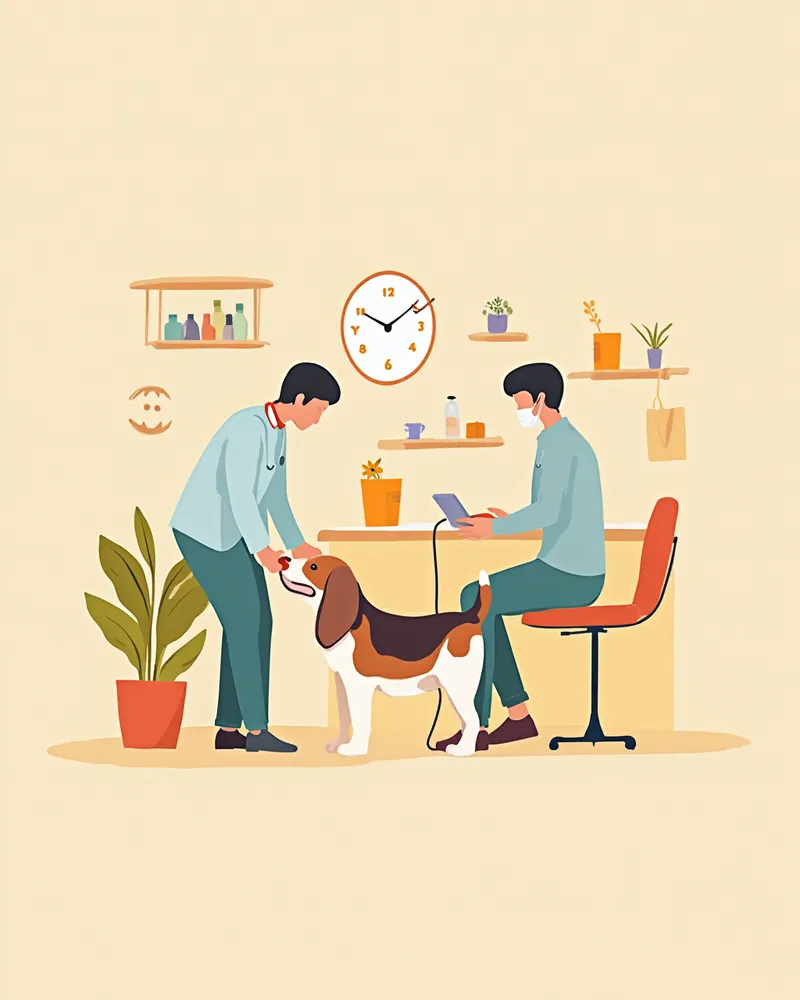
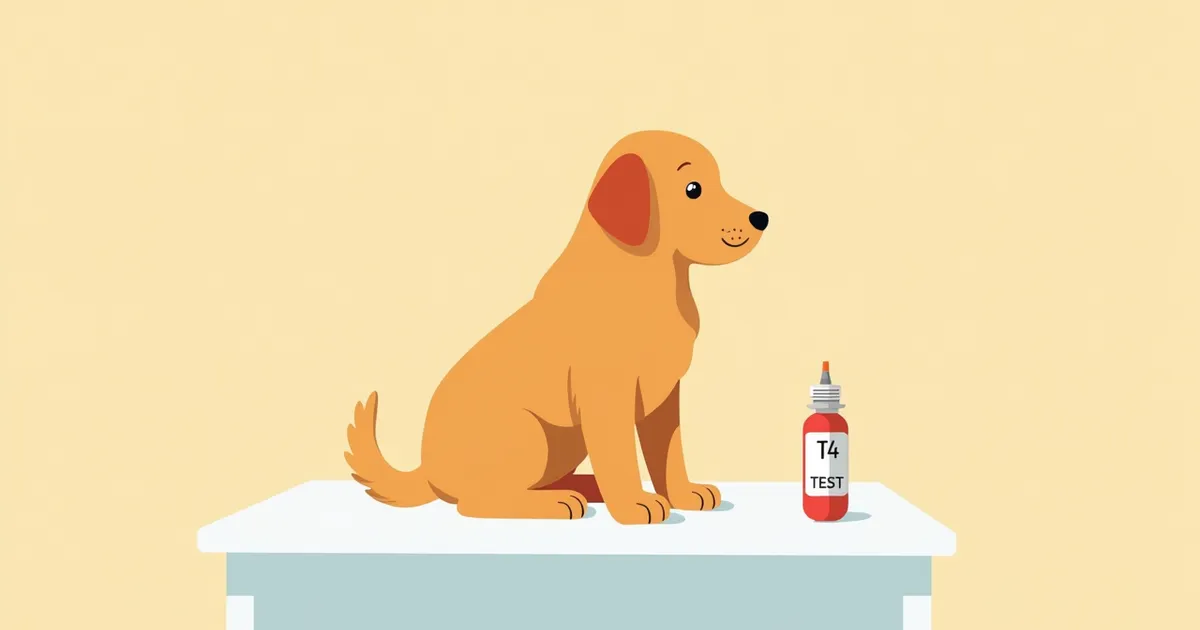
At the clinic, we typically follow a three-step diagnostic process. First, we look for indirect indicators in blood chemistry tests, such as elevated cholesterol, non-regenerative anemia, and high triglyceride levels. Second, we measure thyroid hormone levels (total T4 and free T4) to determine if they are low. Third, we assess thyroid-stimulating hormone (TSH) levels to confirm whether the issue originates from the thyroid gland itself. We don’t rely on a single test for a definitive diagnosis because other chronic conditions (non-thyroidal illnesses) or certain medications (such as steroids) can temporarily lower hormone levels. Additionally, some breeds naturally have lower baseline T4 levels, so we interpret their results using breed-specific reference ranges.
A veterinarian draws blood from the front leg of a quietly sitting beagle for a thyroid hormone test.

How Is Treatment Conducted?

Treatment primarily involves lifelong supplementation with synthetic thyroid hormone (levothyroxine) to replace the deficient thyroid hormone. Your veterinarian will determine the initial dosage based on your pet’s weight and hormone levels, then recheck hormone levels after 4–8 weeks to fine-tune the dose. Once stable, regular monitoring every 6–12 months is sufficient. Most pets regain their energy within 1–2 weeks of starting medication, while coat condition and weight gradually return to normal over 4–8 weeks. Stopping the medication abruptly will cause all symptoms to reappear, so consistent, lifelong administration is the most critical aspect of management.

Management Points to Keep in Mind at Home
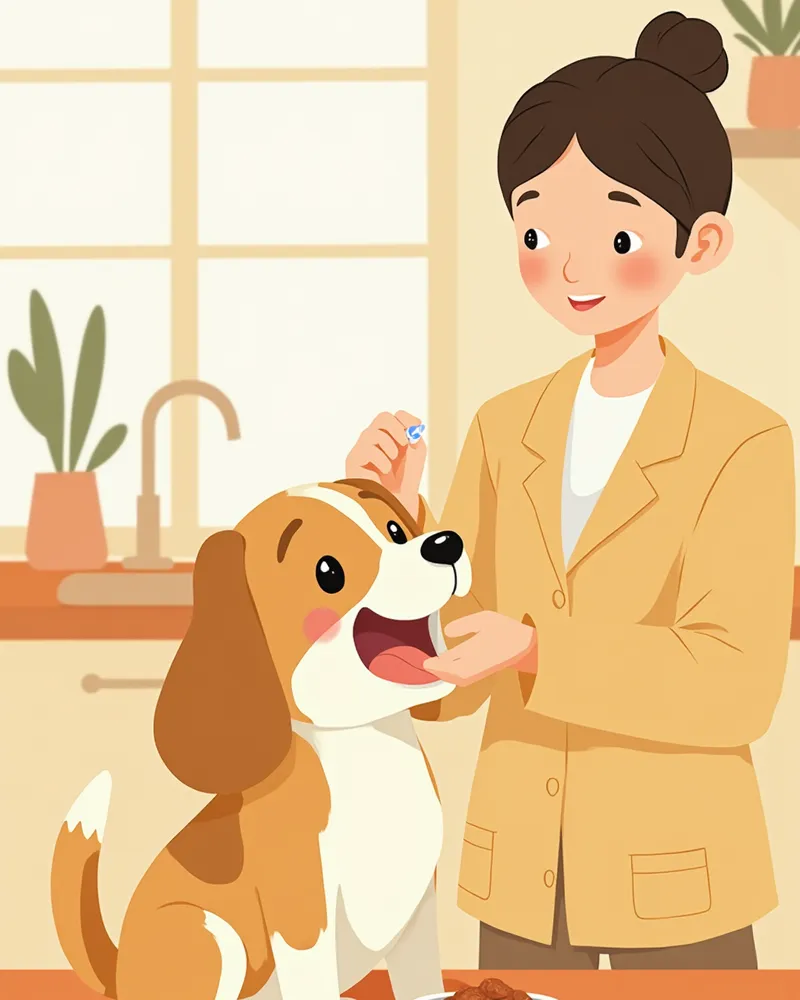
Daily care by the owner is just as important as medication. Administer medication at the same time every day, and consult your veterinarian before changing your pet’s food. Be cautious with diets high in soy protein, as they can interfere with hormone absorption. - Fixed medication time: Administer within ±1 hour of the same time each day - Weekly weight records: Measure on the same day and time each week to track changes - Photo records of coat condition: Take photos of the sides and tail every two weeks - Activity log: Note walking distance and playtime in a memo - Regular check-up reminders: Register hormone test schedules in your calendar
A pet owner administering thyroid hormone medication to their Beagle in the morning as part of daily care.

These Breeds Should Be Tested More Frequently

Golden Retrievers, Doberman Pinschers, Boxers, Great Danes, and Irish Setters have a higher incidence of hypothyroidism compared to other breeds. For these medium-to-large purebred dogs, we recommend including a thyroid hormone test during their annual check-up once they reach four years of age. In predisposed breeds, the condition can even develop at a relatively young age, around two to three years old. Additionally, some breeds naturally have lower baseline T4 levels, which can lead to misdiagnosis. Providing your veterinarian with your dog’s breed information in advance helps ensure a more accurate assessment.

Reviewed by a veterinarian

Dr. Tony — Punnawat Phongkittirak

Dr. Tony — Punnawat Phongkittirak

Veterinarian

A veterinarian who majored in veterinary medicine at Khon Kaen University, Thailand, and completed the IVSA program at North Carolina State University in the United States. Drawing on clinical experience at animal hospitals, he works in the pet healthcare field and is dedicated to building a digital care environment that connects pet parents with veterinarians.

Frequently Asked Questions

Can hypothyroidism be cured?
Unfortunately, the underlying causes—autoimmune disease and thyroid gland atrophy—cannot be reversed, so lifelong hormone supplementation is necessary. However, with consistent and proper medication, nearly all symptoms will disappear, allowing your pet to resume normal activities. Therefore, it can be viewed as a manageable chronic condition that does not interfere with daily life when properly controlled.
How soon will my pet start to improve after beginning the medication?
Energy levels typically show noticeable improvement within 1 to 2 weeks, while weight gain takes 4 to 6 weeks, and coat recovery unfolds gradually over 2 to 4 months. It’s completely normal for changes to seem slow during the first month.
Can I give my pet human thyroid medication?
Absolutely not. Humans and dogs absorb and metabolize hormones at different rates, so dosage conversions vary, and human medications are typically underdosed for dogs. Always administer only veterinarian-prescribed animal medications at the recommended times.
What should I do if I miss a dose of medication for a short time?
If you’ve missed a dose just once or twice, simply administer the usual amount at the next scheduled time. Never give a double dose to make up for a missed one, as this can lead to adverse effects such as arrhythmia or hyperactivity. If you find yourself frequently forgetting doses, we recommend setting up reminders to help you stay on track.
How much will the examination cost?
Costs vary widely depending on the clinic, location, and specific test package, so it’s difficult to provide an exact figure. In many cases, a general blood test is combined with a thyroid hormone test. It’s a good idea to contact the clinic in advance to confirm which hormone tests are included and to get an estimate of the expected costs.

Share

Related Guides

References

[1] Ettinger SJ, Feldman EC, Cote E. Textbook of Veterinary Internal Medicine, 8th Edition — Chapter on Canine Hypothyroidism, 2017

[2] Feldman EC, Nelson RW, Reusch CE, Scott-Moncrieff JC. Canine and Feline Endocrinology, 4th Edition — Hypothyroidism, 2015

[3] Scott-Moncrieff JC. Clinical Signs and Concurrent Diseases of Hypothyroidism in Dogs and Cats. Vet Clin North Am Small Anim Pract, 2007

This information is based on veterinary literature and does not replace diagnosis or treatment. Please consult a veterinarian for specific health concerns.

Metapet Co., Ltd. | CEO: Park Sung-yong | Business Reg. No. 417-88-02562 | Seoul, South Korea | Customer Center

Is Your Dog Always Lethargic? Canine Hypothyroidism Signs | Meongsiljang