Like
Share
멍실장
노견 골관절염 식이·운동 관리 완벽 가이드

The Complete Guide to Dietary and Exercise Management of Osteoarthritis in Senior Dogs

JointQ&AMeongsiljang Veterinary Advisory Board

Osteoarthritis in senior dogs can be managed by reducing pain and slowing disease progression through dietary adjustments and appropriate exercise. Key management strategies include weight control, omega-3 supplementation, and low-impact exercise.

What Are the Key Aspects of Managing Osteoarthritis in Senior Dogs?
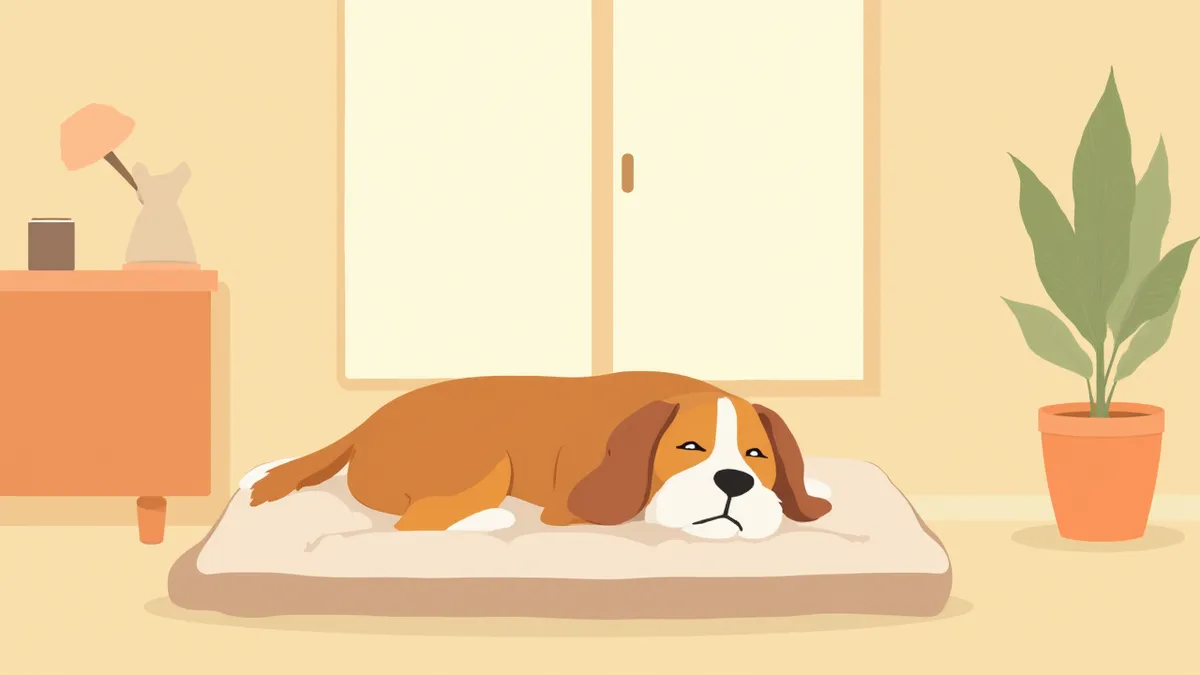
An elderly beagle resting comfortably on its bed
Osteoarthritis in senior dogs is a chronic, degenerative condition in which the joint cartilage gradually wears away, leading to inflammation, pain, and restricted mobility. The most critical aspects of management are weight control and low-impact exercise. While a complete cure is not possible, consistently combining dietary adjustments, appropriate exercise, and nutritional supplements can help reduce pain and slow disease progression. If you notice a sudden worsening of pain or severe limping, consult your veterinarian promptly.

Why Is Weight Control the Top Priority?

The load placed on joints is directly proportional to body weight. Veterinary studies have shown that dogs whose weight was managed through calorie restriction developed significantly less osteoarthritis than those that were not; when osteoarthritis did occur, it appeared later in life and in a milder form. In obese senior dogs, the increased burden on their joints makes them more prone to developing osteoarthritis, and if they already have it, their pain and discomfort are often more severe. Since osteoarthritis is a chronic condition with no cure, simply reducing food portions is not enough. Instead, a consistent approach to gradually reducing body fat through a diet that appropriately restricts calories while maintaining nutritional balance is essential.

Weight Management Goals by Weight Category

ItemNormal weightSlightly overweightObese
BCS (body condition score)4–5/96–7/98–9/9
Primary goalMaintain5% weight loss10–15% weight loss
Rate of weight lossWithin 1% per month1–2% per month
Reassessment interval3 monthsOnce a monthOnce every 2 weeks

Body condition score (BCS) is assessed by how easily the ribs can be felt and the waistline. Assessing together with a veterinarian is the most accurate.

Essential Nutrients to Include in the Diet

For older dogs with osteoarthritis, it’s important to incorporate joint-supporting nutrients into their diet.
Omega-3 fatty acids (EPA and DHA): This is the most well-researched ingredient for reducing inflammation. It’s typically provided in the form of fish oil.
Glucosamine and Chondroitin Sulfate: These are building blocks of cartilage, and consistent supplementation for at least 6 to 8 weeks is needed to see results.
Green-Lipped Mussel: Rich in naturally derived anti-inflammatory compounds.
Protein: High-quality protein is essential to help maintain muscle mass.
Joint-support nutrition plan for senior dogs

Summary of Key Ingredients for Joint Health in Senior Dogs

Safe

오메가-3(EPA+DHA)

관절 염증 완화, 통증 감소

Dosage: 체중 1kg당 EPA+DHA 50~100mg/일

수의내과학 교과서 권장

Safe

글루코사민

연골 재생 보조

Dosage: 체중 1kg당 20mg/일

미국수의외과학회 참고 자료

Safe

콘드로이틴

연골 분해 억제

Dosage: 체중 1kg당 15~20mg/일

Safe

녹색입홍합

자연 유래 항염

Dosage: 제품별 권장량 준수

Caution

MSM

항염·근육통 완화

Dosage: 제품별 차이 있음

보조적으로 병용 시 효과 보고

Signs That Require an Immediate Veterinary Visit

If you notice any of the following symptoms, the issue may be more than just a worsening of arthritis. Please visit a veterinary clinic within 24 hours. - Your pet is completely unable to put weight on one leg and is carrying it. - Your pet suddenly cries out or shows signs of severe pain. - The joint is visibly swollen and feels warm to the touch. - Your pet’s appetite drops sharply and they appear lethargic. - Your pet repeatedly tries to stand up but collapses back down. In these cases, further diagnosis may be needed to rule out conditions such as fractures, ligament tears, or infectious arthritis.

How Should Exercise Be Adapted for Senior Dogs?
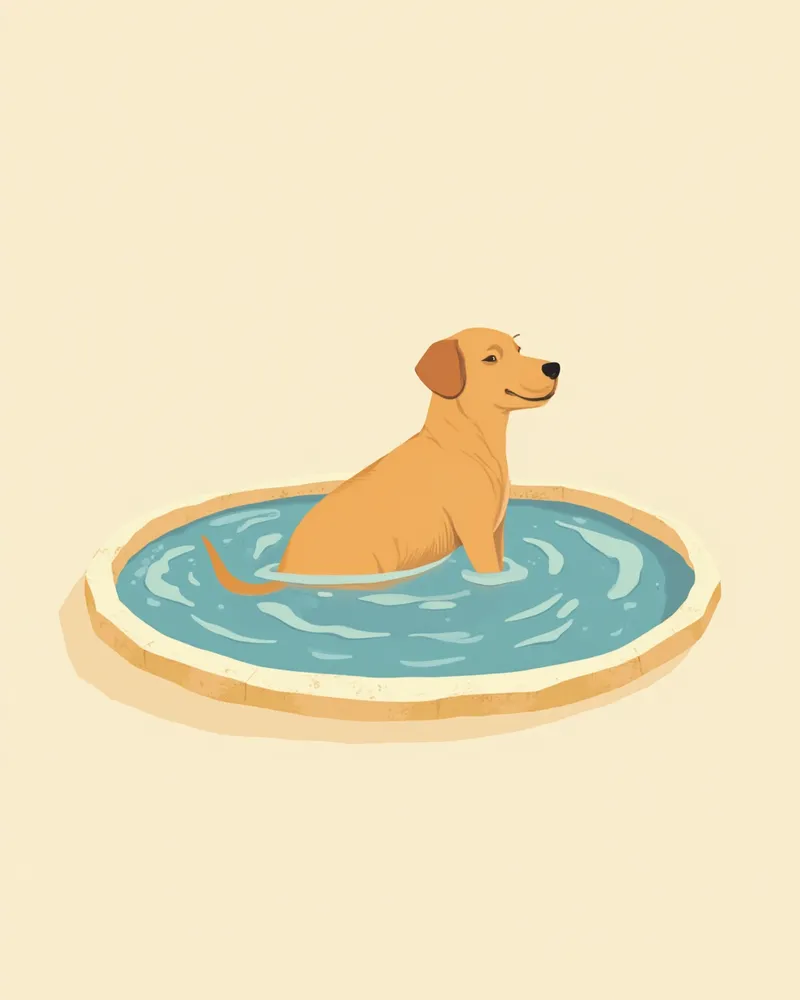
The key to managing osteoarthritis in senior dogs is to keep exercise short, frequent, and gentle. It’s important to engage in low-impact activities consistently every day.
Flat-terrain walks: Split into 2–3 sessions of 10–20 minutes each per day.
Swimming or underwater treadmill: Buoyancy significantly reduces stress on the joints.
Gentle stretching: Slowly bend and extend the legs after a massage.
Avoid slopes and stairs: Steep inclines and jumping should be strictly avoided.
If limping worsens the day after exercise, reduce the intensity.
An older Labrador undergoing aquatic rehabilitation exercises

Essential Home Environmental Adjustments

Environmental management is just as important as medication. - Prevent slipping on floors: Place rugs or mats on hardwood floors to provide traction. - Lower bed height: Install pet stairs to prevent your dog from jumping off high sofas. - Provide a soft sleeping surface: A joint-support mattress, such as one made of memory foam, is ideal. - Maintain a comfortable indoor temperature: Joint pain can worsen in cold weather, so keep your pet warm with clothing or blankets. - Trim nails and paw hair: Overgrown nails or hair between the paw pads can cause slipping, placing additional strain on the joints.

How Far Does Veterinary Treatment Go?

If diet and exercise alone don’t control the pain, a veterinarian’s prescription is necessary. According to veterinary internal medicine textbooks, nonsteroidal anti-inflammatory drugs (NSAIDs) are the first-line choice for managing osteoarthritis pain in senior dogs. However, because long-term use can cause gastrointestinal, hepatic, or renal side effects, regular blood tests are required to monitor your pet’s health. If NSAIDs alone are insufficient or if side effects are a concern, consult your veterinarian to discuss additional pain management options. The medication dosage will be determined by your veterinarian based on your dog’s weight and overall health status.

Reviewed by a veterinarian

Dr. Tony — Punnawat Phongkittirak

Dr. Tony — Punnawat Phongkittirak

Veterinarian

A veterinarian who majored in veterinary medicine at Khon Kaen University, Thailand, and completed the IVSA program at North Carolina State University in the United States. Drawing on clinical experience at animal hospitals, he works in the pet healthcare field and is dedicated to building a digital care environment that connects pet parents with veterinarians.

Frequently Asked Questions

Can I give my pet human joint supplements?
No, you shouldn’t. Many human products contain ingredients like xylitol and ibuprofen that can be fatal to dogs. Always choose products specifically formulated for dogs, and if your dog is currently taking any medication, consult your veterinarian before administering anything new.
How long does it take for joint supplements to show results?
Omega-3 fatty acids are typically supplemented on a trial basis for about 4 to 6 weeks to assess their effectiveness. Similarly, glucosamine and chondroitin should be administered consistently over the long term rather than in short bursts to achieve symptom relief. Since discontinuing these supplements can cause the benefits to diminish, plan for long-term use from the outset.
Wouldn’t it be better to avoid taking them for walks altogether?
Actually, it's the opposite. Lack of movement causes muscle atrophy, which reduces joint support and worsens pain. While strenuous exercise should be avoided, short and frequent walks on flat ground are essential to maintain.
My elderly dog is overweight, and I find it difficult to get him to exercise.
Dietary management should take precedence over exercise intensity. Start with a prescription low-calorie diet, and gradually increase activity levels with joint-friendly exercises such as hydrotherapy. It is safest to begin with short, gentle sessions while pain is properly managed, allowing muscle mass to build up over time.
Which is more important, glucosamine or omega-3?
Based on the current evidence, omega-3 fatty acids (EPA and DHA) have stronger scientific support for pain relief. While glucosamine and chondroitin have been reported to help alleviate some symptoms, their ability to actually restore cartilage structure has not yet been clearly confirmed. However, studies suggest that combining omega-3s with these other ingredients can produce synergistic effects, so if your budget allows, supplementing with both is a good option.

Share

Related Guides

References

[1] Johnston SA, Tobias KM, Veterinary Surgery: Small Animal, 2nd Edition, Chapter on Osteoarthritis

[2] Textbook of Veterinary Orthopaedic Surgery, Chapter 12.3 Osteoarthritis

[3] Hand MS et al., Small Animal Clinical Nutrition, 5th Edition, Chapter on Osteoarthritis Management

[4] Ettinger SJ, Textbook of Veterinary Internal Medicine, 8th Edition

This information is based on veterinary literature and does not replace diagnosis or treatment. Please consult a veterinarian for specific health concerns.

Metapet Co., Ltd. | CEO: Park Sung-yong | Business Reg. No. 417-88-02562 | Seoul, South Korea | Customer Center

Osteoarthritis in Senior Dogs: Diet & Exercise Management | Meongsiljang