

Tuxedo Cat Characteristics and Personality
Tuxedo cats aren’t a breed—they’re a black-and-white coat pattern. Here’s a breakdown of the genetics behind it, their personality traits, and care tips.
What Are Tuxedo Cats?

The Genetic Mechanism Behind the Tuxedo Pattern
Tuxedo Cat Appearance Pattern Types

Tuxedo Cat Personality Traits

Tuxedo Is Not a Breed
Tuxedo refers to a coat pattern, not a specific breed. Health traits, life expectancy, and the risk of genetic diseases vary significantly depending on the actual breed. Always confirm the breed when scheduling health check-ups or purchasing pet insurance.
Care Tips for Tuxedo Cats
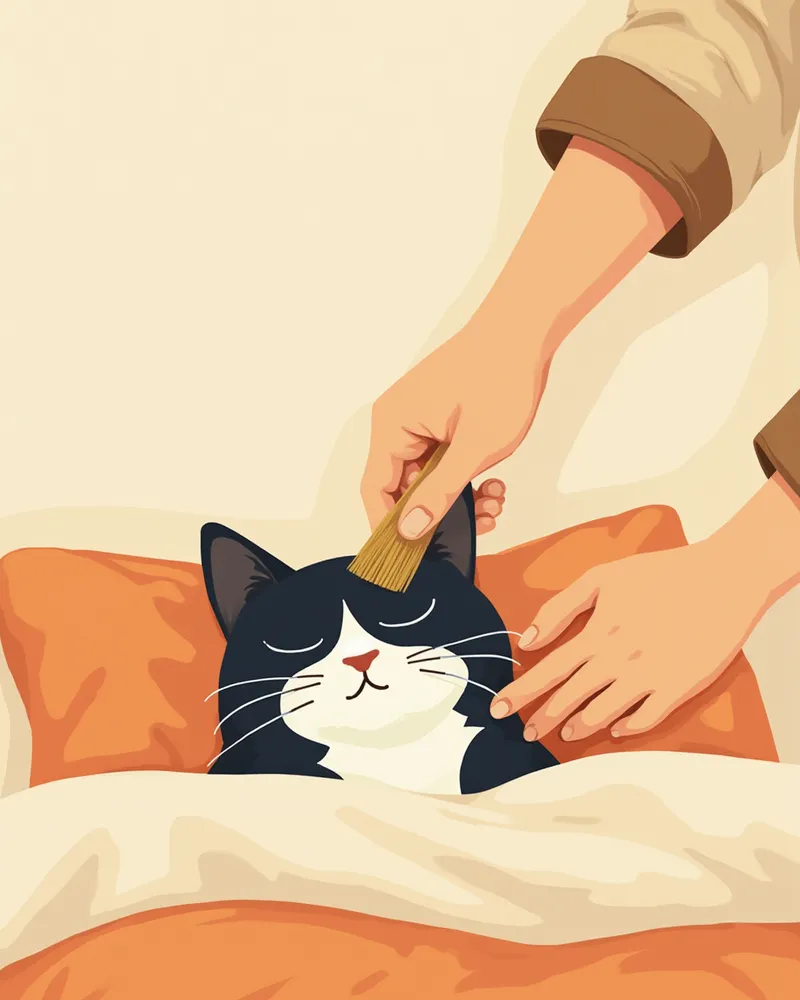
Fun Facts About Tuxedo Cats
Be Sure to Check Before Adopting
When adopting a tuxedo cat, prioritize assessing its health over its appearance. If you’re adopting a purebred kitten, be sure to review its medical history for genetic conditions known to affect that breed, and consult with your veterinarian about breed-specific health risks in advance. For Korean Shorthairs, confirm that a basic health checkup and deworming have been completed.
Reviewed by a veterinarian

Dr. Tony — Punnawat Phongkittirak
VeterinarianA veterinarian who majored in veterinary medicine at Khon Kaen University, Thailand, and completed the IVSA program at North Carolina State University in the United States. Drawing on clinical experience at animal hospitals, he works in the pet healthcare field and is dedicated to building a digital care environment that connects pet parents with veterinarians.
Reviewed 2026-04-18
Frequently Asked Questions
Is the tuxedo cat a specific breed?
What is the life expectancy of a tuxedo cat?
Are tuxedo cats really smarter?
Is the tuxedo pattern inherited from the parents?
What is the male-to-female ratio in tuxedo cats?
Share
Related Guides

Primary vs. Secondary Veterinary Hospitals: A Comparison
5 Easy-to-Raise Cat Breeds for First-Time Owners — Grooming Difficulty Comparison

Top 7 Short-Legged Dog Breeds

Is General Anesthesia in Cats Really Safe? — From Pre-anesthetic Tests to Risk Factors

Which Cat Dewormer Should You Choose? — Differences by Type and Selection Criteria
Complete Guide to Post-Tooth Extraction Care for Cats — Key Points for Owners

Complete Guide to Post-Tooth Extraction Care for Dogs — Key Points for Pet Owners
How to Administer Insulin to Cats — Key Precautions to Prevent Hypoglycemia

Complete Guide to Dog Insulin Administration and Precautions — Key Points for Pet Owners

Cat Anticonvulsant Medication: Key Points on Side Effects and Administration Management
References
[1] Little SE (ed.), The Cat: Clinical Medicine and Management, 2nd Edition, Chapter 52 — Genetics of Feline Diseases and Traits, Elsevier, 2024
[2] David VA, Menotti-Raymond M, Wallace AC, et al. Endogenous retrovirus insertion in the KIT oncogene determines white and white spotting in domestic cats. G3: Genes, Genomes, Genetics, 4(10):1881-1891, 2014
[3] Stelow EA, Bain MJ, Kass PH. The Relationship Between Coat Color and Aggressive Behaviors in the Domestic Cat. Journal of Applied Animal Welfare Science, 19(1):1-15, 2016