Like
Share
멍실장
기관지 내시경·BAL 검사, 우리 아이에게 꼭 필요할까요?

Bronchoscopy and BAL: Is This Test Necessary for Your Pet?

RespiratoryQ&AMeongsiljang Veterinary Advisory Board

We’ve summarized the essentials every pet owner should know about bronchoscopy and BAL (bronchoalveolar lavage), including their definitions, when they’re needed, the procedures involved, and anesthesia safety.

What Are Bronchoscopy and BAL?
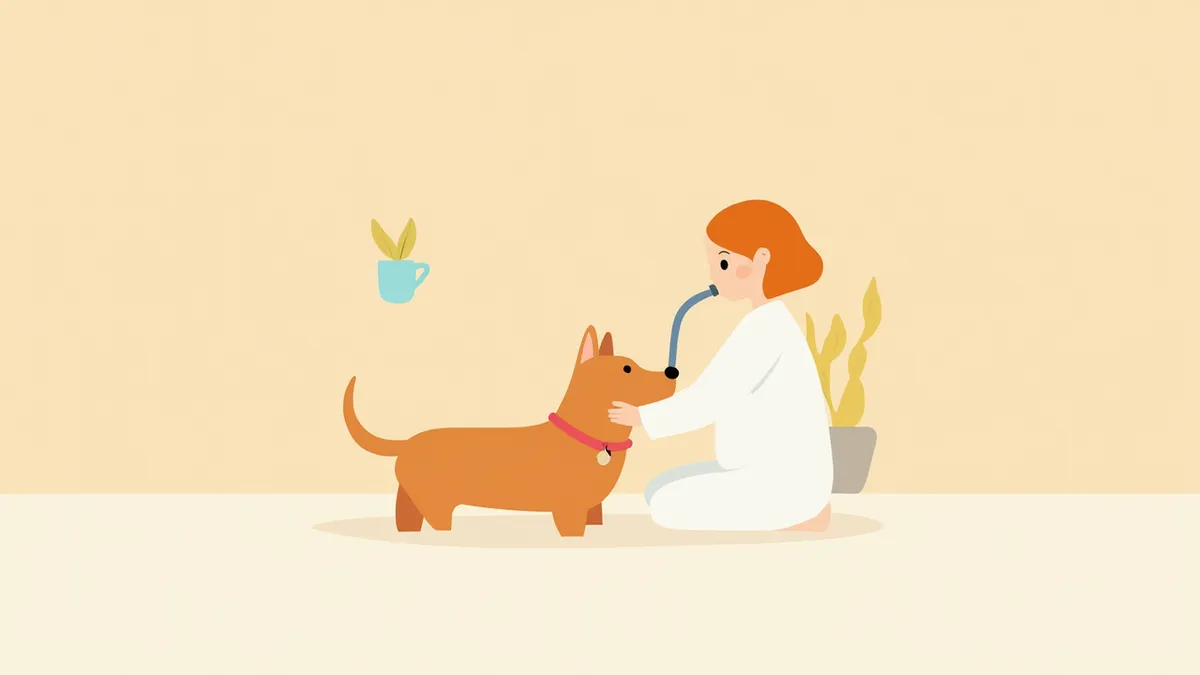
Scene of a dog undergoing bronchoscopy
Bronchoscopy is a precise diagnostic procedure that involves inserting a thin, flexible camera through the trachea into the bronchi to directly visualize the airways. Bronchoalveolar lavage (BAL) is a process in which sterile saline is instilled deep into the lungs via the bronchoscope and then retrieved to analyze cells and microorganisms. What’s truly important is that these tests often provide crucial clues when coughing persists or recurs, or when the cause remains unclear on X-ray.

Why Is This Test Necessary?

In cases of chronic coughing, suspected tracheal collapse, recurrent pneumonia, or aspiration of foreign objects, it is often difficult to pinpoint the cause with just a simple X-ray or blood test. Especially in small-breed dogs, conditions like tracheal collapse, bronchomalacia, or eosinophilic lung disease require direct visualization of the airway mucosa via endoscopy for an accurate diagnosis. Additionally, cell and bacterial analysis from bronchoalveolar lavage (BAL) provides critical evidence to determine which antibiotics will be most effective.

Consider This Test If You Notice These Symptoms
If you notice three or more of the following signs at home, it’s a good idea to consult a respiratory specialist about an endoscopic examination. - Chronic cough: A dry cough or honking sound that persists for more than two weeks - Exercise intolerance: Becoming easily tired and panting heavily during walks - Recurrent pneumonia: Cases where symptoms quickly return despite antibiotic treatment - Suspected foreign body: Sudden onset of severe coughing or gagging - Difficulty breathing: Rapid breathing when excited or when pressure is applied to the neck by a leash
A worried pet owner looking at their coughing puppy

Bronchoscopy vs. Other Respiratory Tests

ItemX-rayCT scanBronchoscopy + BAL
Direct inspection of airway mucosaFalseFalseTrue
Cell/bacteria samplingFalseFalseTrue
Foreign body removalFalseFalseTrue
Anesthesia requiredFalseTrueTrue
Exam time5 minutes15–30 minutes30–60 minutes

Time and cost may vary depending on the hospital and the patient's condition.

A Test That Requires Anesthesia or Sedation

Bronchoscopic examination and bronchoalveolar lavage (BAL) are performed under general anesthesia or deep sedation. This is necessary because any movement while the camera is inserted into the airways poses a significant risk of damaging the mucosal lining. For senior dogs or those with underlying heart or respiratory conditions, it is essential to first assess anesthesia risk through an echocardiogram and blood tests. Brachycephalic breeds (such as Bulldogs and Pugs) are particularly prone to airway obstruction during the recovery phase, making continuous oxygen monitoring mandatory.

How the Procedure Is Performed
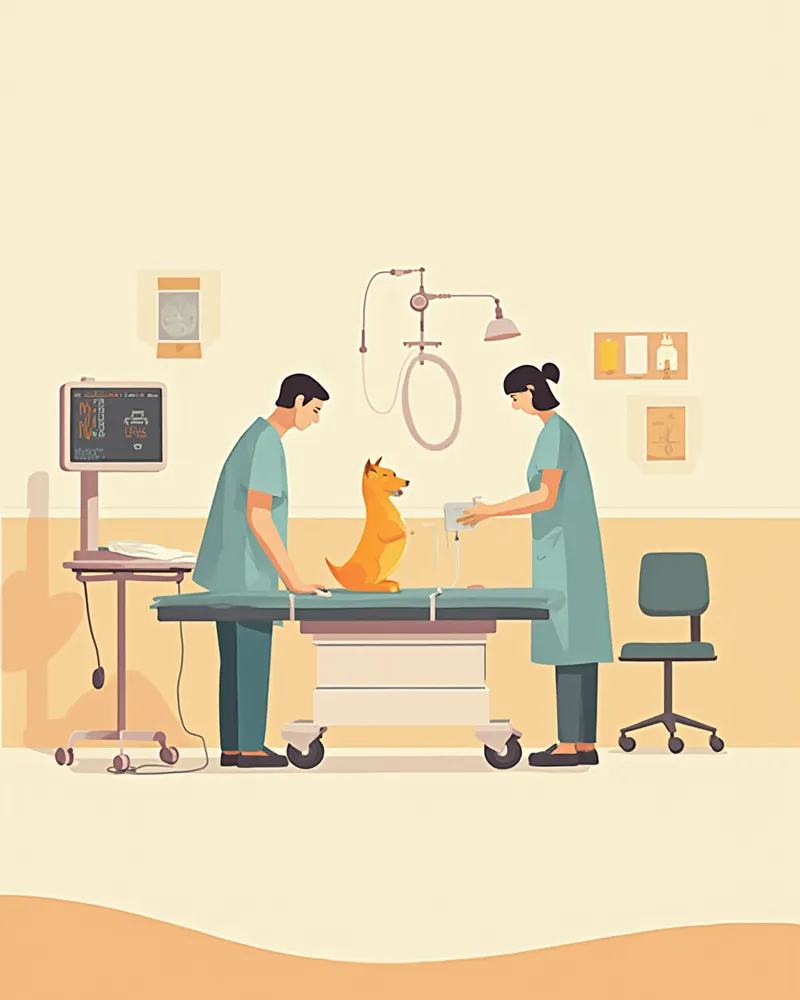
Fasting is required starting the night before the procedure, typically for 8 to 12 hours. Upon arrival at the clinic on the day of the exam, a preliminary assessment is performed and an intravenous catheter is placed. Once anesthesia is stable, the veterinarian inserts a flexible endoscope into the trachea to check for tracheal collapse, mucosal inflammation, or foreign bodies. Next, 10 to 30 ml of sterile saline is instilled and then aspirated to collect samples for cellular and bacterial analysis. The entire procedure usually takes about 30 to 60 minutes.
Performing a bronchoscopy under anesthesia

Post-Procedure Precautions

On the day of the examination, your pet may experience a hoarse voice or a slight increase in coughing. This is a normal response caused by temporary irritation of the mucous membranes as the endoscope passes through. However, if you notice coughing up blood, difficulty breathing, or cyanosis (blue discoloration of the lips), please contact the clinic immediately. After discharge, offer small amounts of water and food slowly over the next 4 to 6 hours, and keep your pet calm and confined in a cage to prevent excitement or running around.

When Will Results Be Available and How Are They Used?

You’ll receive an immediate explanation of the endoscopic findings right after the procedure. Cytological analysis of the BAL sample is typically completed within the same day or the next, while bacterial culture and antibiotic susceptibility results take about 3 to 7 days. Based on these results, if eosinophilia is confirmed, the diagnosis points to allergic bronchitis; if specific bacteria are detected, targeted antibiotic therapy is initiated; and if mucosal collapse is observed, the treatment plan focuses on cough suppressants along with lifestyle adjustments such as weight management and switching to a harness.
A veterinarian explaining test results to the pet owner

Reviewed by a veterinarian

Dr. Tony — Punnawat Phongkittirak

Dr. Tony — Punnawat Phongkittirak

Veterinarian

A veterinarian who majored in veterinary medicine at Khon Kaen University, Thailand, and completed the IVSA program at North Carolina State University in the United States. Drawing on clinical experience at animal hospitals, he works in the pet healthcare field and is dedicated to building a digital care environment that connects pet parents with veterinarians.

Frequently Asked Questions

How risky is a bronchoscopic examination?
This test is relatively safe for healthy dogs. However, since general anesthesia is required, it is important to reduce the risk by conducting a thorough pre-anesthetic evaluation for senior dogs, those with heart disease, and brachycephalic breeds.
Can I get a BAL test on its own?
BAL is performed only through bronchoscopy or endotracheal intubation. Therefore, it is standard practice to perform it in the same anesthesia session as a bronchoscopy.
My pet’s cough got worse after the exam. Is that normal?
It’s normal for your pet’s cough to temporarily increase for about a day after the procedure. However, if you notice blood in the cough, a progressively worsening cough, or new-onset difficulty breathing, these could indicate irritant bronchitis or, rarely, a pneumothorax. In such cases, please contact your veterinarian immediately without delay.
Can cats also undergo this test?
Yes, it’s possible. Bronchoalveolar lavage (BAL) is a very important diagnostic test for feline asthma and chronic bronchitis. However, because cats have smaller airways, the procedure requires a thinner endoscope and a skilled specialist.
How much does it cost?
Costs can vary significantly depending on the clinic, the anesthesia method, and any additional tests (such as cultures or PCR). It's a good idea to discuss the total estimated cost, including pre-anesthetic testing, with your veterinarian beforehand.

Share

Related Guides

References

[1] Canine and Feline Respiratory Medicine, 3rd Edition, Chapter: Bronchoscopy and BAL

[2] Small Animal Critical Care Medicine, 3rd Ed, Lower Airway Disease in Dogs (Johnson LR)

[3] Textbook of Respiratory Disease in Dogs and Cats, Chapter 46

[4] The Veterinary Workbook of Small Animal Clinical Cases, Case 42

This information is based on veterinary literature and does not replace diagnosis or treatment. Please consult a veterinarian for specific health concerns.

Metapet Co., Ltd. | CEO: Park Sung-yong | Business Reg. No. 417-88-02562 | Seoul, South Korea | Customer Center

Complete Guide to Bronchoscopy and BAL in Dogs and Cats | Meongsiljang