Like
Share
멍실장
강아지 분리불안 증상과 교정법

Signs of Separation Anxiety in Dogs and How to Correct It

Brain & CognitionQ&AMeongsiljang Veterinary Advisory Board

We’ll explore the key signs and causes of separation anxiety in dogs, then walk you through a step-by-step desensitization and counterconditioning training program grounded in veterinary behavior medicine.

Canine Separation Anxiety: It’s Not Just Simple Barking
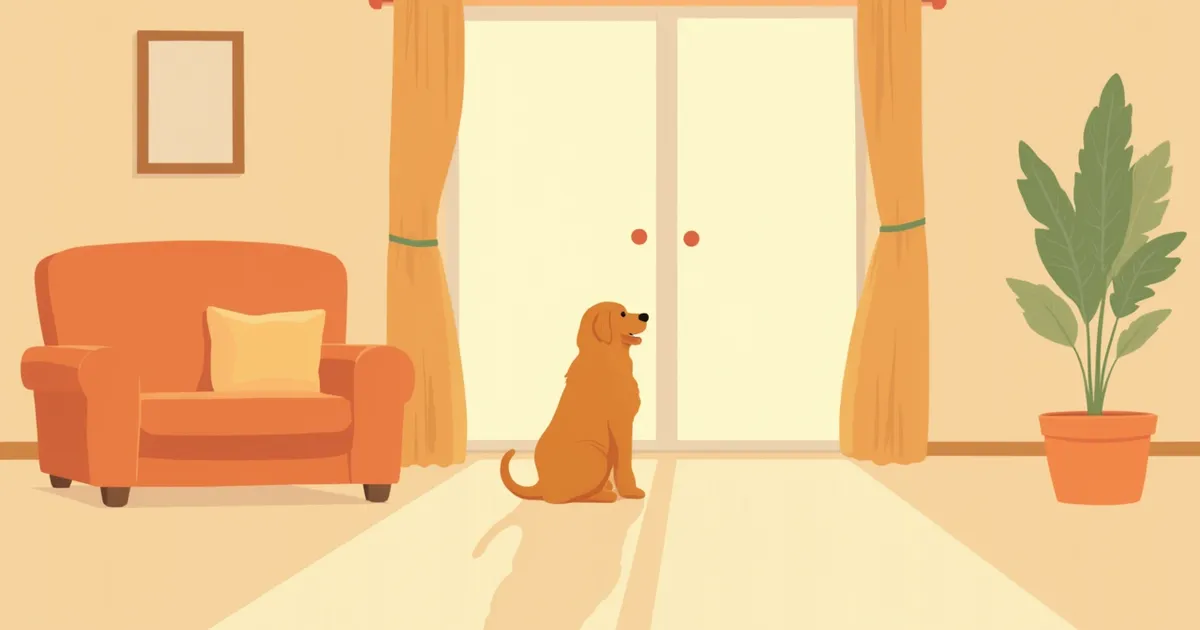
A dog anxiously staring at the front door from the living room
Canine separation anxiety, or separation-related disorder, is a condition in which dogs experience distress when left alone, leading to various behavioral issues. While excessive barking and destructive behavior can be genuine stress responses, they may also stem from boredom or opportunistic habits unrelated to anxiety, making it crucial to distinguish between these causes. According to veterinary behavioral medicine textbooks, separation-related disorders are common in dogs and often result from multiple, complex factors rather than a single cause. While it is difficult to specify exact improvement rates, identifying the underlying triggers and consistently combining behavioral modification techniques—such as desensitization and counterconditioning—with environmental management can be beneficial. The key is to patiently and repeatedly practice these desensitization and counterconditioning steps.

Suspect Separation Anxiety If You Notice These Signs
Separation anxiety manifests in various behaviors when your pet is left alone. If you notice several of the following signs, it may be worth considering separation anxiety.
Excessive barking and whining: Your pet continues to bark or whine persistently right after you leave, without stopping.
Destructive behavior: They chew or scratch at doors, window frames, or cages, with damage often concentrated around entryways.
Accidental elimination: A pet that is usually house-trained may have accidents only when left alone.
Stress responses associated with anxiety: Severe anxiety can cause restlessness and difficulty calming down. However, the physical manifestations of these stress responses vary from pet to pet.
Escape attempts: Some pets may injure themselves while trying to escape through doors or windows.
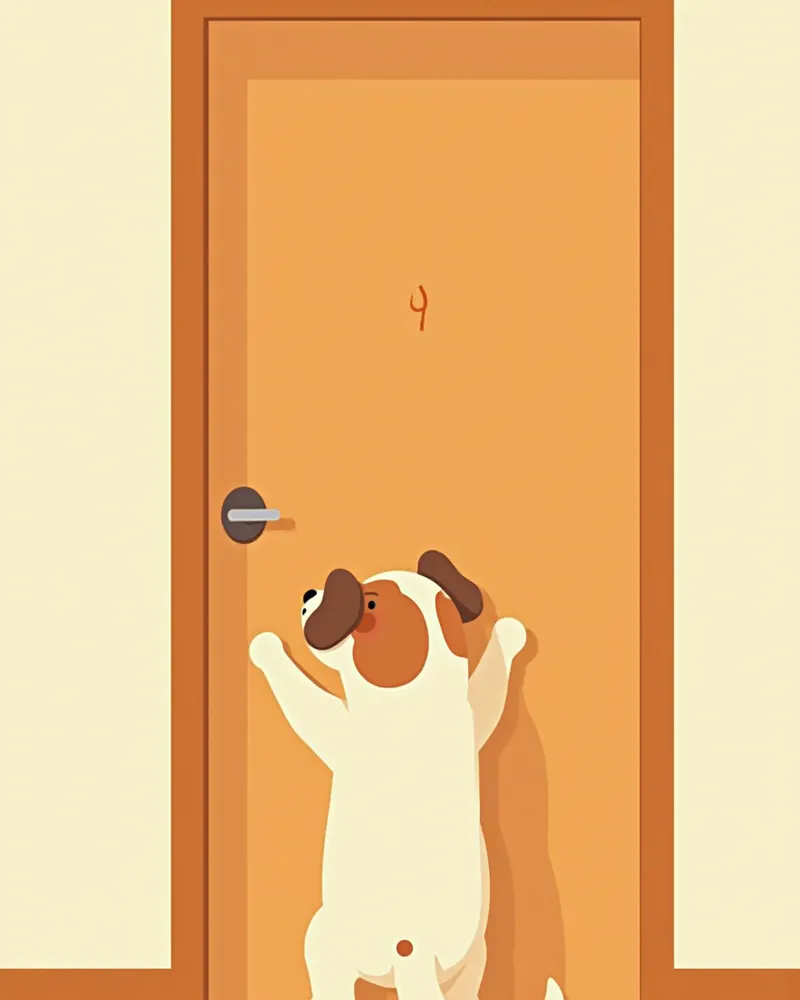
A dog feeling anxious and scratching at a closed door

Causes of Separation Anxiety

Separation anxiety rarely stems from a single cause; it is usually the result of multiple contributing factors.
Environmental changes: Significant shifts in living conditions—such as moving to a new home, changes in family composition, or alterations in the owner’s work schedule—can trigger separation-related issues.
Insufficient socialization: Puppies that lack early experience being alone may develop a lower tolerance for separation.
History of abandonment or shelter life: Dogs that have been abandoned or spent time in shelters often exhibit heightened sensitivity to being left alone.
Sudden changes after close-bonded living: A sudden increase in the owner’s time away after a period of constant companionship can induce anxiety in some dogs. However, close-bonded living alone does not inevitably lead to separation anxiety; individual temperament and other factors play a combined role.

When to See a Veterinarian Immediately

If any of the following apply, please consult a veterinarian or a veterinary behaviorist: • Nails are torn off or gums bleed during escape attempts • Self-harming behaviors (such as tail biting or excessive scratching of the skin) occur repeatedly • Appetite is completely lost and weight decreases • Destructive behavior becomes severe enough to damage walls or floors At this level, the issue cannot be resolved through training alone and requires a professional behavioral treatment plan.

Core Correction Method: Desensitization and Counterconditioning
In veterinary behavioral medicine, the cornerstone of treating separation anxiety is desensitization and counterconditioning. Desensitization involves gradually exposing your pet to anxiety-triggering situations, starting at a very low intensity. You begin with simple actions like opening and closing the front door, then slowly increase the duration of your actual absences. Counterconditioning aims to replace negative emotions with positive ones. By offering special treats or toys when you prepare to leave, you help your pet associate your departure with something enjoyable. Combining these two approaches yields significantly better results.
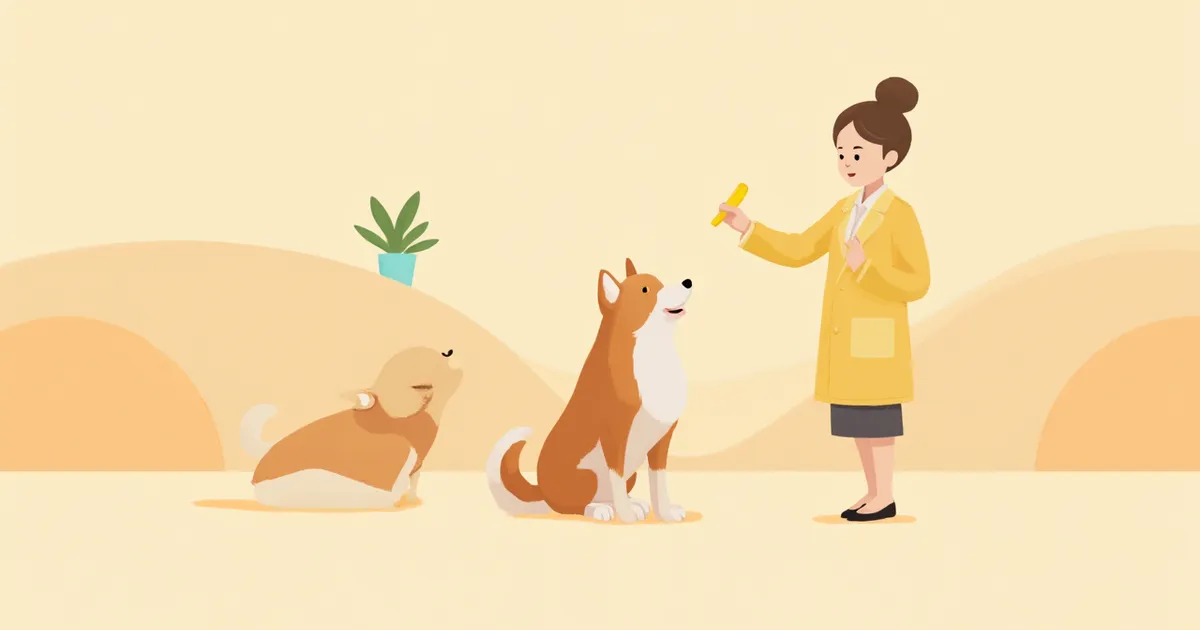
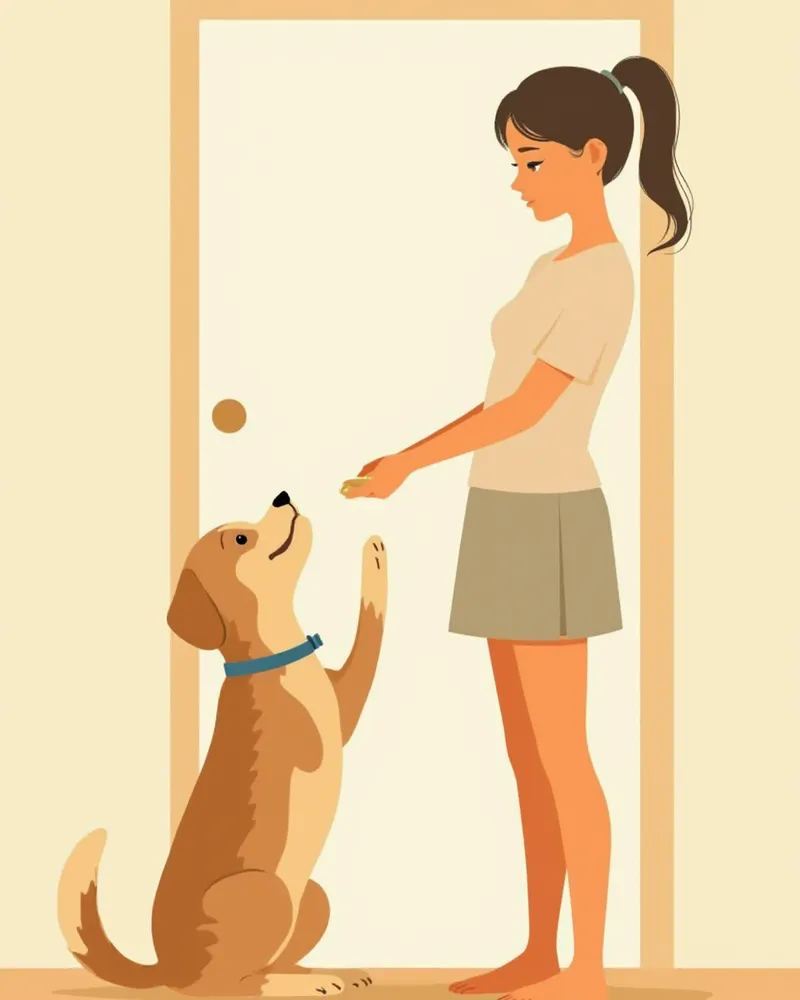
A dog receiving treats near the entrance while undergoing positive reinforcement training.

Step-by-Step Correction Training Methods

Step 1: Desensitizing Departure Cues: Repeatedly perform pre-departure actions like picking up keys, grabbing a bag, or putting on shoes without actually leaving, to remove their association with going out.
Step 2: Very Short Separation Practice: Close the door and return immediately after 1–2 seconds. If your pet remains calm, gradually increase the duration to 5 seconds, then 10 seconds.
Step 3: Gradually Increasing Time: Extend the separation time in increments of 30 seconds, 1 minute, and 3 minutes. If you notice signs of anxiety, step back to the previous stage.
Step 4: Applying to Actual Departures: Start with short outings. Avoid overly enthusiastic greetings when leaving or returning, as this can heighten anxiety; instead, keep your demeanor calm and low-key.

Environmental Management to Enhance Training Effectiveness

Combining training with environmental adjustments significantly enhances the effectiveness of behavior modification.
Create a safe, dedicated space: Provide a special area where your pet can rest comfortably. If your pet is crate-trained, a crate is an excellent option.
Use enrichment toys: Stuffing a Kong toy with treats can transform alone time into a positive experience.
Utilize background noise: While appropriate background sounds can help calm some dogs, effects vary by individual, so please observe your pet’s response before applying this method.
Ensure sufficient exercise: Allowing your pet to expend energy through walks or play before you leave can help reduce anxiety.
A puppy playing with a bean toy on its dog bed

Medication May Be Necessary

For severe separation anxiety, medication may be used in conjunction with behavioral modification under a veterinarian’s prescription. According to veterinary behavior textbooks, medication serves as an adjunct to enhance the effectiveness of training. It can take some time for the full therapeutic effects of the medication to manifest, and your veterinarian will determine the appropriate drug and dosage based on your pet’s weight and symptoms. Never administer or discontinue medication without veterinary guidance.

Reviewed by a veterinarian

Dr. Tony — Punnawat Phongkittirak

Dr. Tony — Punnawat Phongkittirak

Veterinarian

A veterinarian who majored in veterinary medicine at Khon Kaen University, Thailand, and completed the IVSA program at North Carolina State University in the United States. Drawing on clinical experience at animal hospitals, he works in the pet healthcare field and is dedicated to building a digital care environment that connects pet parents with veterinarians.

Frequently Asked Questions

Can a dog's separation anxiety improve on its own?
While very mild cases may improve on their own as the pet adjusts to its environment, most require active corrective training. It’s important to address the issue early, as leaving it unchecked often leads to worsening behavior.
How long does it take to correct separation anxiety?
The timeline varies depending on the severity of the symptoms, but it typically takes several weeks to several months. The most important thing is to practice short training sessions consistently every day; if you give up midway, you may have to start over from the beginning.
Will bringing home a second dog help ease my dog’s separation anxiety?
Separation anxiety stems from the bond with the owner, so having another dog often doesn’t resolve the issue. In fact, both dogs may become more anxious, so it’s important to carefully consider this option.
Does giving treats when going outside have an effect?
Hiding treats in Kong toys or on snuffle mats can help with counterconditioning. However, if your pet is highly anxious, they may not even be interested in the treats, so it’s best to start with gradual desensitization training first.
Can keeping your pet in a crate help with separation anxiety?
For dogs who have undergone proper crate training, the crate can serve as a safe and secure space. However, forcing a dog unfamiliar with crates into one can heighten anxiety, so it’s essential to introduce them gradually and allow time for adjustment.

Share

Related Guides

References

[1] Horwitz, D.F. (Ed.), Veterinary Guide to Preventing Behavior Problems in Dogs and Cats, Wiley-Blackwell

[2] Tynes, V.V. (Ed.), Introduction to Animal Behavior and Veterinary Behavioral Medicine, Wiley-Blackwell

[3] Mazur, J.E. (2016), Learning and Behavior, 8th Edition, Routledge

[4] McGreevy, P. & Boakes, R. (2011), Carrots and Sticks: Principles of Animal Training, Darlington Press

This information is based on veterinary literature and does not replace diagnosis or treatment. Please consult a veterinarian for specific health concerns.

Metapet Co., Ltd. | CEO: Park Sung-yong | Business Reg. No. 417-88-02562 | Seoul, South Korea | Customer Center

Dog Separation Anxiety: Signs and Correction Training | Meongsiljang