

What Changes in Middle-Aged Cats (7–10 Years)? — Essential Health Care
Middle-aged cats, aged 7 to 10, may appear healthy on the outside, but subtle changes are already beginning in their metabolism, immune system, and joints. Here’s a summary of the key health signs to watch for and the care practices to prioritize during this stage.
What Stage Is a Middle-Aged Cat (7–10 Years)?
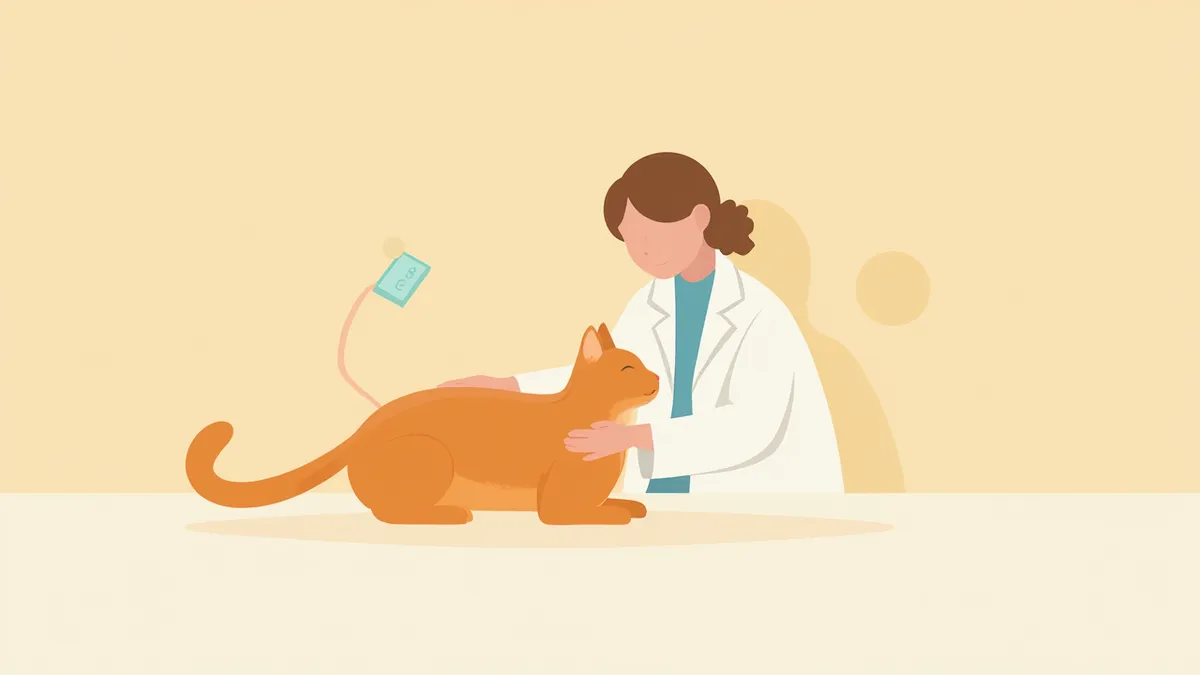
Why Are Cats Considered "Middle-Aged" Starting at 7 Years?
Comparison of Characteristics by Feline Life Stage
| Item | Adult cat (1-6 years) | Middle age (7-10 years) | Senior (10-14 years) |
|---|---|---|---|
| Human age equivalent | About 15-40 years | About 44-56 years | About 56-72 years |
| Recommended checkup interval | Once a year | 1-2 times a year | Once every 6 months |
| Blood/urine tests | Basic health checkup | Add kidney and thyroid markers | Comprehensive panel essential |
| Key observation points | Behavior and obesity | Weight loss and water intake | Sudden changes in appetite and activity |
Based on the American Association of Feline Practitioners (AAFP) life stage guidelines
Six Key Changes in This Stage

These Signs Require an Immediate Vet Visit
If you notice significant weight loss, or if your cat is drinking noticeably more water and producing more urine than usual, it may be a sign of common middle-aged feline conditions such as kidney disease, hyperthyroidism, or diabetes. If your cat’s appetite decreases for several days or if they experience repeated vomiting, their overall health could deteriorate rapidly. Please seek veterinary care promptly.
How to Care for Your Cat at Home

Lifestyle Habits to Maintain Immunity
How to Manage Regular Checkups
Once your cat reaches seven years of age, it is advisable to have blood tests, urinalysis, and blood pressure measurements performed one to two times per year. In particular, tests for kidney function (SDMA), thyroid hormone (T4), blood glucose, and blood pressure should be included in any mid-life screening panel. Many veterinary clinics offer "senior wellness packages," so please consult with your veterinarian to determine the most appropriate schedule for your cat.
Reviewed by a veterinarian

Dr. Tony — Punnawat Phongkittirak
VeterinarianA veterinarian who majored in veterinary medicine at Khon Kaen University, Thailand, and completed the IVSA program at North Carolina State University in the United States. Drawing on clinical experience at animal hospitals, he works in the pet healthcare field and is dedicated to building a digital care environment that connects pet parents with veterinarians.
Reviewed 2026-04-26
Frequently Asked Questions
My cat is 7 years old and still very active. Should I switch to a different food?
My middle-aged cat has suddenly lost weight, but they’re still eating well. Is this normal?
Do health check-ups really need to be done twice a year?
Should middle-aged cats continue to receive vaccinations?
Is it okay to give my pet nutritional supplements?
Share
Related Guides

Primary vs. Secondary Veterinary Hospitals: A Comparison

5 Easy-to-Raise Cat Breeds for First-Time Owners — Grooming Difficulty Comparison

Top 7 Short-Legged Dog Breeds
Is Dog Surgery Anesthesia Safe? From Risk Assessment to Recovery Management

Types and Necessity of Canine Genetic Testing

Checklist for Preparing to Raise Your First Puppy
A Complete Guide to Cat Vaccination Costs

What Are Prescription Diets? Types and Feeding Guide

The Ultimate Guide to Choosing Dog Food (by Age and Constitution)

What Is Hydrolyzed Dog Food? Effects and Selection Criteria
References
[1] Little S. The Cat: Clinical Medicine and Management, 2nd Edition, Chapter on Senior and Geriatric Feline Care
[2] Drobatz KJ, Hopper K, Rozanski E, Silverstein DC. Small Animal Critical Care Medicine, 3rd Ed, Chapter 146 Geriatric Patient
[3] Sherding RG, Norsworthy GD. Feline Emergency and Critical Care Medicine, 2nd Ed, Geriatric Feline Chapter