Like
Share
멍실장
고양이 모래 종류 비교 (벤토나이트·두부 등)

Comparison of Cat Litter Types (Bentonite, Tofu, etc.)

ImmunityQ&AMeongsiljang Veterinary Advisory Board

Compare the pros and cons, prices, and health impacts of five types of cat litter—bentonite, tofu, crystal, pellet, and more—at a glance. We’ll also share tips to help you choose the right litter for your furry friend.

What Is Cat Litter? Differences by Type at a Glance
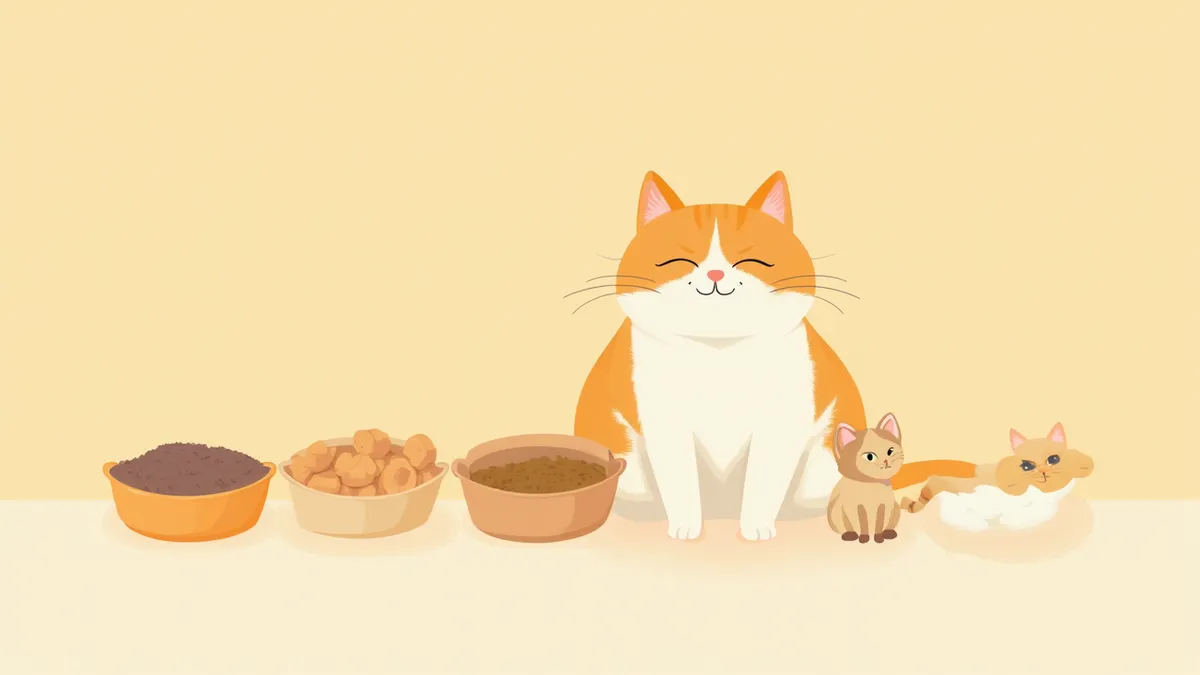
A cat sitting in front of various types of cat litter
Cat litter is an absorbent and clumping material designed to support your cat’s natural instinct to cover their waste after elimination. The most important factors to consider when choosing litter are clumping ability, dust levels, and safety. Bentonite litter offers the strongest clumping but tends to produce more dust, while tofu-based litter is eco-friendly but has weaker clumping performance. Crystal litter excels at odor control, and pellet litter is a safe option for kittens. The right choice depends entirely on your cat’s age, health status, and litter box habits.

The Impact of Cat Litter on Health

Cat litter is far more than a simple consumable; it directly impacts your cat’s lower urinary tract health, respiratory system, and stress levels. Cats are highly sensitive to their litter box environment, and if they dislike the litter, they may delay urination or defecation. This stress can exacerbate lower urinary tract symptoms, such as feline idiopathic cystitis (FIC). Dusty litter is a known trigger for lower respiratory conditions like asthma and can irritate the airways, while strongly scented litters can stress sensitive cats, leading to litter box avoidance. Therefore, finding a litter that your cat uses willingly and that helps maintain a clean environment is of utmost importance.

Quick Comparison Chart of 5 Cat Litter Types

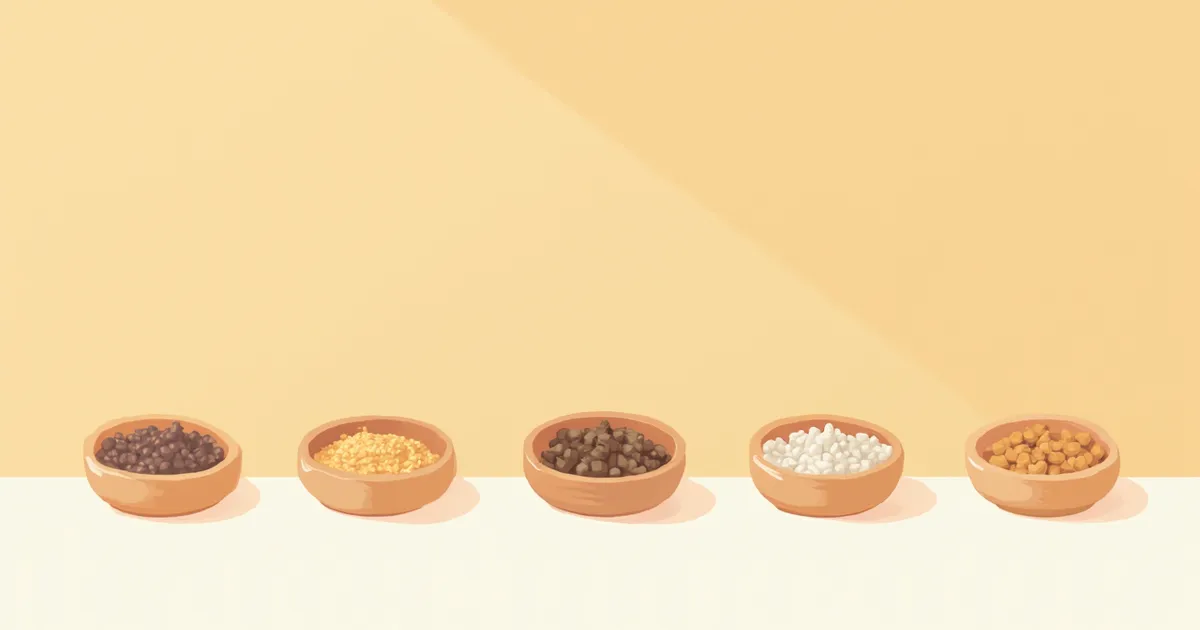
ItemBentoniteTofu litterCrystalWood pelletsPaper pellets
Clumping powerVery strongMediumNone (absorbs)None (decomposes)Medium
DustHighLowAlmost noneLowAlmost none
Odor removalModerateGoodExcellentGood (wood scent)Moderate
Toilet disposalNot possiblePossibleNot possiblePossible (some)Possible
Safety for kittensCautionSafeCautionSafeSafe
Average monthly cost$10 to $10$10 to $20$10 to $30$10 to $10$10 to $10

Based on April 2026 market prices, assuming monthly use of 5–6 bags of 4kg

Detailed Pros and Cons of Bentonite, Tofu, and Crystal Litter
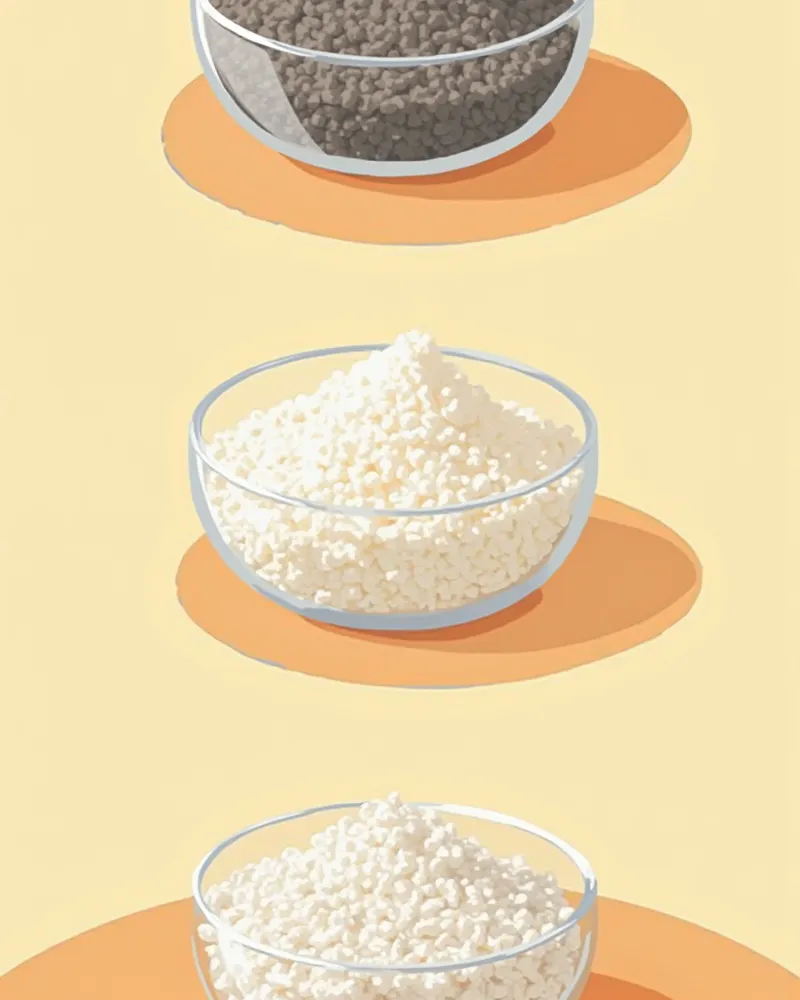
Bentonite: This type has strong clumping power, making cleanup easy since you only need to scoop out the clumps. However, it tends to produce more dust, which can be a burden for cats with sensitive respiratory systems. Be sure to prevent kittens from putting the litter in their mouths or swallowing it.
Biodegradable (plant-based): Made from soybean byproducts, this litter is eco-friendly, and many varieties are flushable. However, it is sensitive to moisture, so you may need to change it more frequently during the summer.
Crystal (silica gel): This litter absorbs moisture effectively, helping to control odors. However, some cats dislike the texture under their paws and may avoid using it.
Wood/paper pellets: With almost no dust, this type is recommended for cats with respiratory conditions like asthma or those recovering from surgery. However, its clumping ability is relatively weak.
Close-up comparison of bentonite tofu crystal litter

Litter to Avoid for Kittens and Post-Surgery Cats

Kittens under four months old are curious and may put sand in their mouths or even swallow it. Swallowed foreign objects can cause gastrointestinal obstruction in cats, and linear foreign body obstructions are particularly common in this species, so please keep a close eye on young kittens to prevent them from ingesting litter. Additionally, because kidney and liver function in kittens do not reach mature levels until around three to four months of age, they require more careful management. Immediately after neutering or abdominal surgery, paper or wood pellets are relatively safer options, as they produce less dust and are less likely to adhere to surgical wounds. For cats diagnosed with urinary stones, please consult your veterinarian regarding both prescription diets and appropriate litter choices.

Recommended Litter Based on Your Cat’s Situation

Kittens (0–4 months): Tofu-based or paper pellets — relatively safe if accidentally ingested. Senior cats (10 years and older): Tofu-based litter — soft texture reduces strain on the digestive tract, even if the cat’s kicking strength has weakened. Cats with allergies or asthma: Crystal or paper pellets — virtually dust-free, making them gentle on the respiratory system. Multi-cat households: Bentonite — strong clumping ability makes maintenance easy, even with multiple cats. Long-haired breeds or cats with long fur on their paws: Crystal or pellet litter — less likely to stick to their paws.
Senior cats using two-parent sand

Precautions When Changing Litter

Cats are sensitive to environmental changes, so abruptly switching litter can cause them to hold their urine or feces or have accidents outside the box. The key is a gradual transition. Mix a small amount of the new litter into the old litter and slowly increase the proportion over several days. During this transition, monitor urine output, defecation frequency, and any behavioral changes. If your cat continues to reject the new litter, don’t force it—revert to the previous litter. Since cats prefer clean bathrooms, scoop clumps once or twice daily and keep the litter box tidy. In multi-cat households, provide several litter boxes, and if you live in a multi-story home, place at least one on each floor.

Signs That May Indicate a Litter Problem

If your cat hesitates before using the litter box, rushes out immediately after elimination, or repeatedly urinates outside the box, it may indicate that the litter isn’t suitable for them. If urine output drops to less than half of normal, appears blood-tinged, or if your cat assumes a urination posture but produces no urine, these could be signs of lower urinary tract disease, requiring a veterinary visit within 24 hours. In particular, urethral obstruction in male cats is a medical emergency.

Reviewed by a veterinarian

Dr. Tony — Punnawat Phongkittirak

Dr. Tony — Punnawat Phongkittirak

Veterinarian

A veterinarian who majored in veterinary medicine at Khon Kaen University, Thailand, and completed the IVSA program at North Carolina State University in the United States. Drawing on clinical experience at animal hospitals, he works in the pet healthcare field and is dedicated to building a digital care environment that connects pet parents with veterinarians.

Frequently Asked Questions

Can I really flush tofu litter down the toilet?
Most clumping cat litters are water-soluble and can be flushed down the toilet. However, flushing large amounts at once may clog your pipes, so it’s best to dispose of it one scoop at a time. For older buildings, we recommend separating the litter for regular trash disposal instead.
I’m concerned about the excessive dust from the bentonite litter—is it safe?
Prolonged inhalation can irritate the respiratory tracts of both cats and humans. Since dusty cat litter is a known trigger for asthma, it’s best to choose products labeled “low-dust” and use them alongside covered litter boxes and air purifiers.
Can I mix it with sand to use?
Yes, it’s possible. A common combination is bentonite and tofu-based litter, which offers the benefits of both good clumping and easy toilet disposal. However, since the clumps may be harder to distinguish, you’ll need to scoop more frequently.
Is it okay to use scented litter?
Cats are highly sensitive to smells, and strong fragrances can cause them stress. Since scent can lead to litter box avoidance, we recommend fragrance-free products as the standard choice.
How often should I change my cat’s litter?
For clumping litter, scoop out clumps once or twice daily, and empty and wash the entire box every one to three weeks before refilling with fresh litter. Maintain absorbent litters (crystal or pellet) on a similar schedule, and replace them whenever you notice an odor, regardless of the routine. Since odors can linger in the litter box itself, it’s best to replace the box about once a year.

Share

Related Guides

References

[1] Little SE, The Cat: Clinical Medicine and Management, 2nd Edition, Chapter: Lower Urinary Tract Diseases

[2] Naarden B, Corbee RJ. The effect of a therapeutic urinary stress diet on the short-term recurrence of feline idiopathic cystitis, 2020

[3] Lekcharoensuk C, Osborne CA, Lulich JP. Epidemiologic study of risk factors for lower urinary tract diseases in cats. J Am Vet Med Assoc

This information is based on veterinary literature and does not replace diagnosis or treatment. Please consult a veterinarian for specific health concerns.

Metapet Co., Ltd. | CEO: Park Sung-yong | Business Reg. No. 417-88-02562 | Seoul, South Korea | Customer Center

Cat Litter Types Compared: Bentonite, Tofu, Crystal & More | Meongsiljang