Like
Share
멍실장
강아지 다음다뇨(PU/PD) 자주 묻는 질문 Q&A — 보호자가 꼭 알아야 할 핵심

My Dog Is Drinking Too Much Water — Causes of Polyuria and Polydipsia and When to Visit the Vet Q&A

KidneyQ&AMeongsiljang Veterinary Advisory Board

Canine polyuria and polydipsia (PU/PD), characterized by excessive water consumption and frequent urination, can be an early sign of serious conditions such as diabetes mellitus or kidney disease. It is important for pet owners to recognize these symptoms promptly and consult with a veterinarian.

What Is Polyuria and Polydipsia (PU/PD) in Dogs?
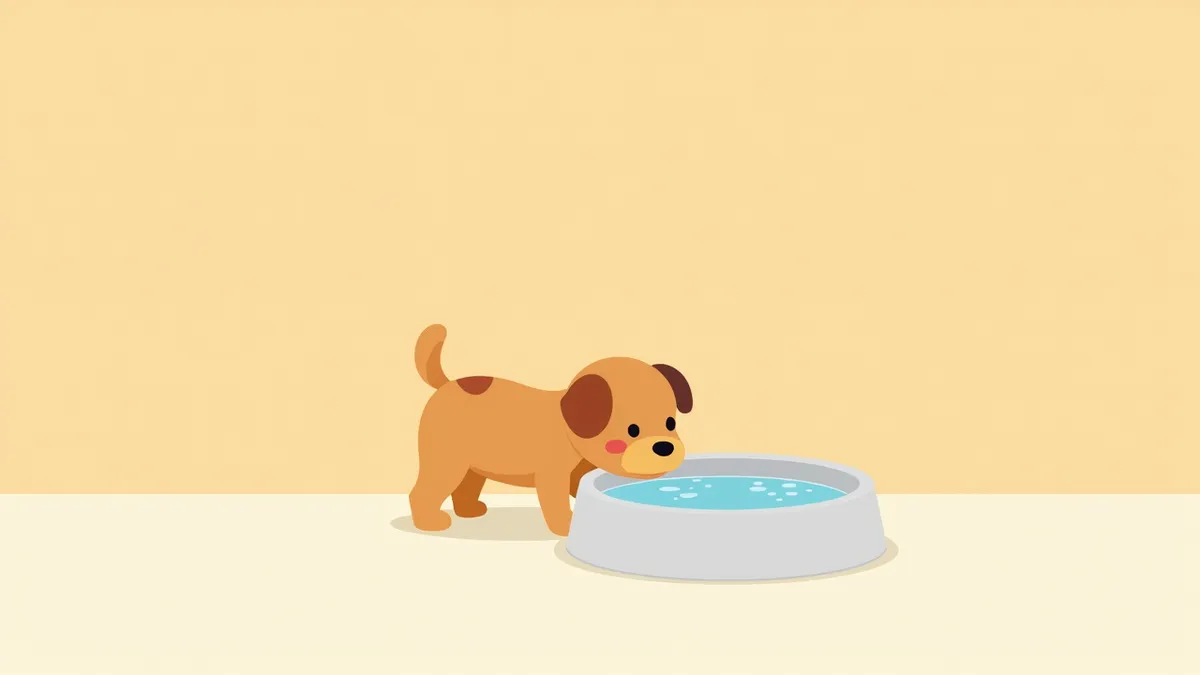
A puppy drinking a lot of water
Polyuria and polydipsia (PU/PD) in dogs refers to a condition characterized by excessive water intake (polydipsia) and increased urine output (polyuria). According to veterinary textbook standards, polydipsia is defined as daily water consumption exceeding 100 ml per kilogram of body weight, while polyuria is defined as daily urine output exceeding 50 ml per kilogram of body weight. Typically, when the kidneys fail to adequately concentrate urine, the dog loses excess water through urination, leading to increased thirst and further water intake as a compensatory mechanism known as "compensatory polydipsia." Because this can signal various underlying conditions, such as kidney dysfunction or hormonal imbalances, it is crucial to identify the cause early. - Increased water intake: Daily water consumption exceeding 90–100 ml per kilogram of body weight is considered polydipsia. - Increased urine volume: This should be distinguished from frequent urination (pollakiuria), which refers only to an increased number of trips to urinate. In polyuria, both the volume per void and the total daily output are increased. - Nighttime or indoor urination: If your dog, who previously held it, starts waking up at night to urinate or has accidents indoors, this warrants attention. - Associated symptoms: Depending on the underlying cause, changes in appetite or body weight may also occur. Consultation with a veterinarian is essential for an accurate diagnosis.

What Are the Main Causes of PU/PD?

The main causes of polyuria and polydipsia (PU/PD) in dogs are highly varied, including diabetes mellitus, chronic kidney disease, hyperadrenocorticism, electrolyte imbalances, and medications. - Diabetes mellitus: Elevated blood glucose leads to glucose spilling into the urine, causing osmotic diuresis that increases both urination and thirst. - Chronic kidney disease: The kidneys’ ability to concentrate urine is impaired, resulting in increased urine volume, which triggers increased water intake to compensate. - Hyperadrenocorticism: Excess cortisol causes PU/PD, which often appears as an early symptom in dogs. - Electrolyte imbalances: Conditions such as hypercalcemia, hyponatremia, and hypokalemia can be underlying causes. - Medications and other conditions: Drugs like diuretics and steroids, as well as diseases such as diabetes insipidus and pyometra, can also cause PU/PD. Regular check-ups, including blood and urine tests, are essential for an accurate diagnosis.
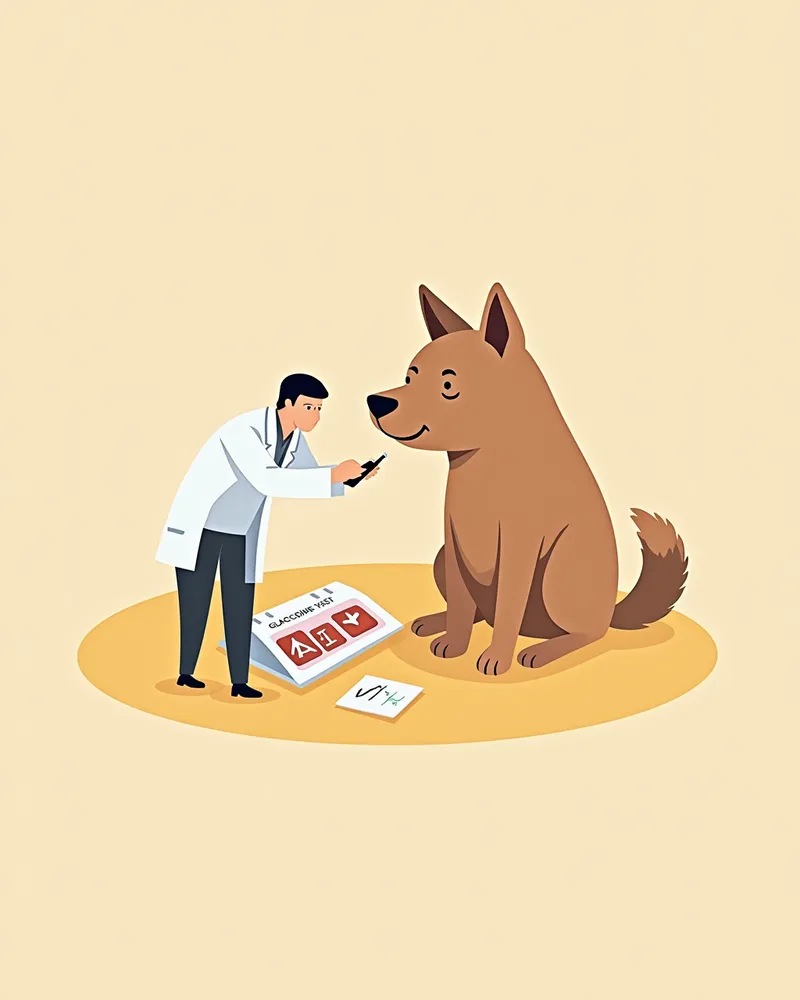
A veterinarian analyzing blood test results.

6 Key Signs That PU/PD May Be Suspected
Increased water intake: If daily water consumption exceeds 90–100 ml per kilogram of body weight, it is considered polydipsia (excessive thirst).
Increased urine volume: Both the amount of urine passed at one time and the total daily output increase, which is different from simply urinating more frequently (pollakiuria).
Nighttime or indoor urination: Your pet may start waking up at night to urinate or have accidents indoors.
Changes in appetite: Depending on the underlying condition, food intake may increase or decrease.
Weight loss: In cases of diabetes or chronic kidney disease, weight loss can occur even if your pet is eating well.
Dehydration and lethargy: If fluid intake doesn’t keep up with losses, dehydration can occur, leading to decreased skin elasticity and a noticeable lack of energy.
A puppy peeing outside the litter box

When Immediate Veterinary Care Is Needed

If your pet drinks more than 100 ml of water per kilogram of body weight per day, urinates more frequently than usual, shows no appetite, or is lethargic and reluctant to move, seek veterinary care immediately. These signs may indicate diabetic ketoacidosis or acute kidney injury.

Comparison of Symptoms and Management by Cause of PU/PD

ItemMain symptomsDiagnostic methodTreatment approach
Diabetes mellitusExcessive drinking, excessive urination, weight lossBlood glucose test, urine glucose testInsulin injection, dietary control
Chronic kidney diseaseExcessive drinking, excessive urination, vomiting, weight lossBlood creatinine, SDMA, urine protein/creatinine ratioDietary control, medication, fluid therapy
HyperadrenocorticismExcessive drinking, excessive urination, abdominal enlargement, muscle weaknessBlood hormone test, ultrasoundMedication, possible surgery

Each cause requires a different treatment, so an accurate diagnosis is essential.

Home Care Management
Keep a daily log of your dog’s water intake and urination frequency. Always keep the water bowl clean and in a consistent location. Clean the litter area or potty spot regularly to maintain hygiene. Switch to the special therapeutic diet recommended by your veterinarian. Maintain regular walks and playtime to help reduce stress. If your dog urinates indoors, clean the area immediately and eliminate any odor. Monitor for changes in your dog’s condition through regular veterinary check-ups. Work closely with your veterinarian to develop a tailored management plan.
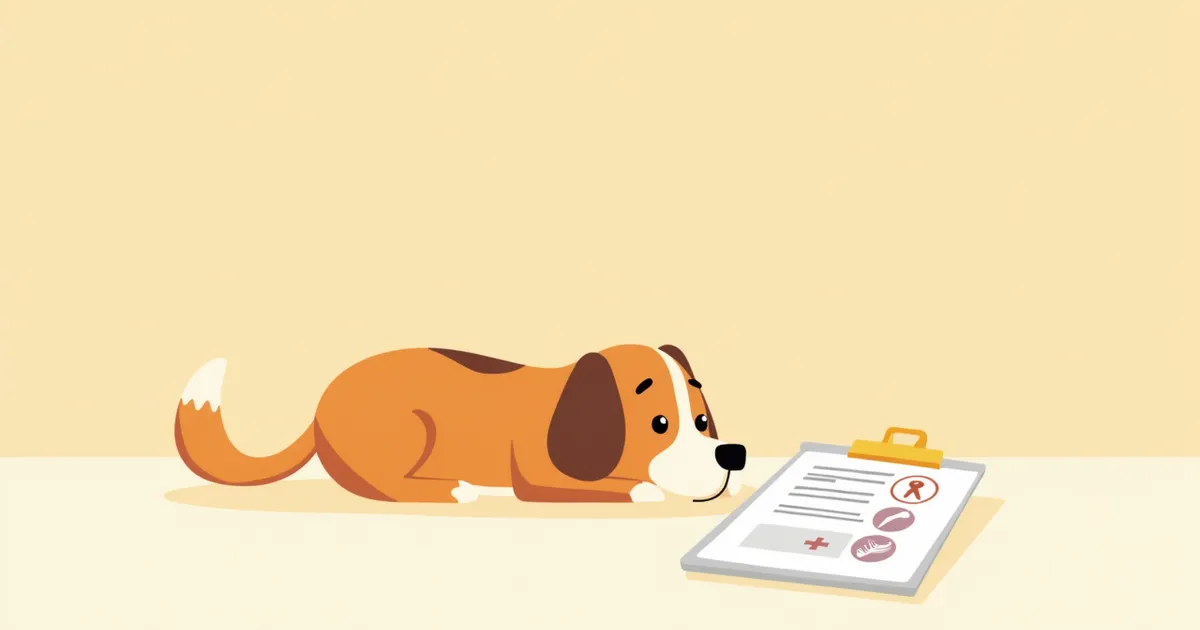
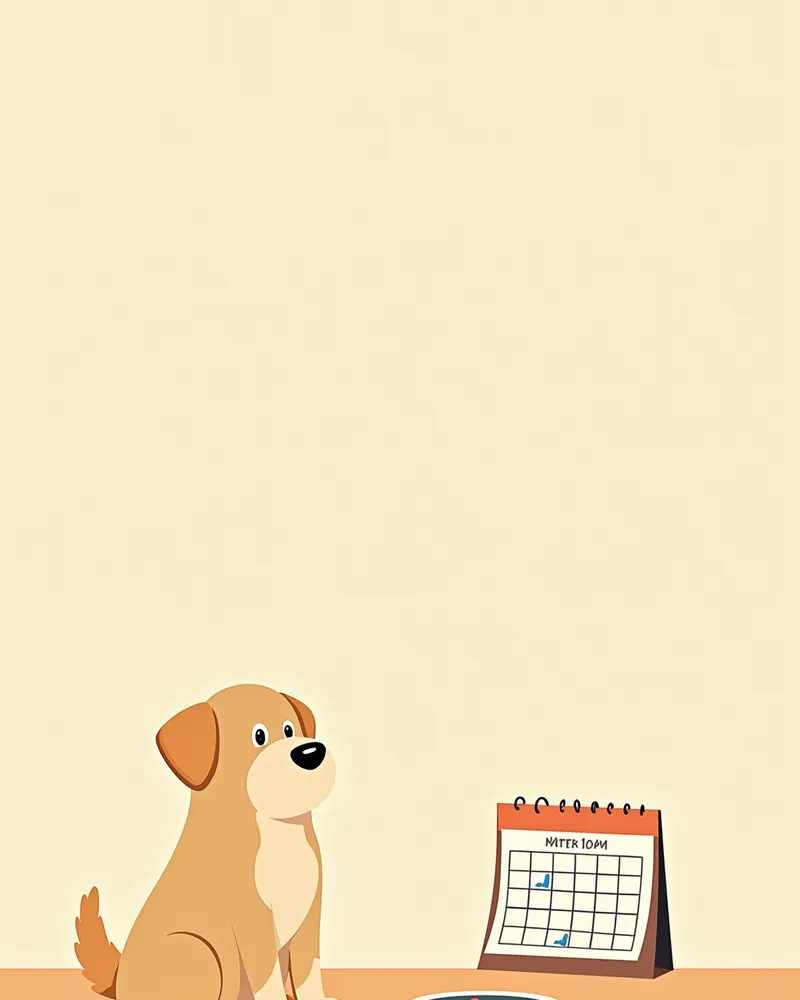
A pet owner recording their dog's water intake and urination frequency.

5 Tips for Managing PU/PD

- Refresh water frequently: Replace the water with fresh water 2–3 times a day. - Prepare urine pads: If your pet urinates indoors, clean it up immediately. - Dietary management: Switch to the special diet recommended by your veterinarian. - Regular check-ups: Have blood and urine tests performed every six months. - Keep records: Track water intake and urination frequency in a log. - Maintain environmental stability: Keep a consistent daily routine to minimize stress. - Strengthen communication with your vet: Consult your veterinarian immediately if you notice any changes in symptoms.
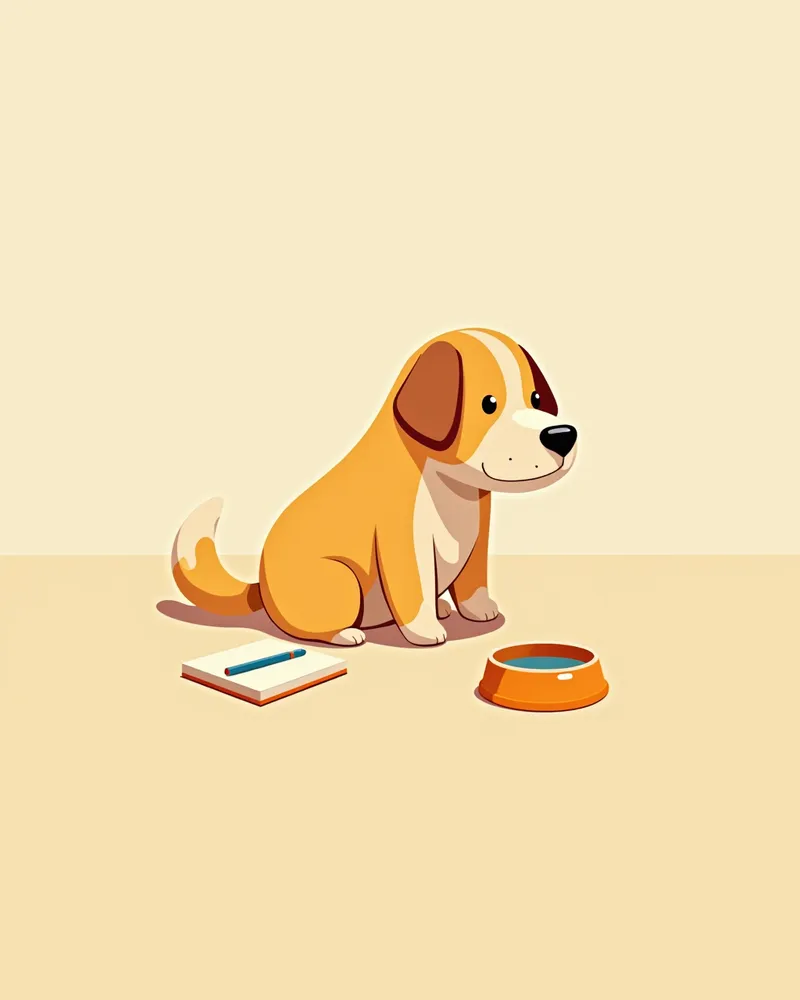
A puppy taking notes next to its water bowl

Precautions

While a dog’s increased water intake may stem from temporary stress or environmental changes, persistent symptoms could signal underlying conditions such as diabetes, kidney disease, or Cushing’s disease. In such cases, blood and urine tests are necessary to identify the cause. Avoid restricting water intake, as this can be dangerous; instead, consult your veterinarian.

Reviewed by a veterinarian

Dr. Tony — Punnawat Phongkittirak

Dr. Tony — Punnawat Phongkittirak

Veterinarian

A veterinarian who majored in veterinary medicine at Khon Kaen University, Thailand, and completed the IVSA program at North Carolina State University in the United States. Drawing on clinical experience at animal hospitals, he works in the pet healthcare field and is dedicated to building a digital care environment that connects pet parents with veterinarians.

Frequently Asked Questions

Is it okay for a dog to drink 1 liter of water a day?
Normal water intake should not exceed 90 ml per kilogram of body weight per day, and exceeding 100 ml/kg is considered polydipsia (excessive thirst). Therefore, the significance of drinking 1 liter of water varies depending on the pet's weight. For example, if a 10 kg dog drinks 1 liter in a day, that equals 100 ml/kg, which qualifies as polydipsia, so please consult your veterinarian.
Should I take my pet to the vet if they’re urinating more frequently?
If your pet is drinking more water and also urinating more frequently (including nighttime trips or indoor accidents), it’s time to visit the vet. To identify the underlying cause, blood and urine tests are usually necessary, so early evaluation is recommended.
Can PU/PD be treated?
The approach depends on the underlying cause. Diabetes is managed with insulin and diet, while chronic kidney disease is treated with specialized diets, medications, and fluid therapy. Treatment success hinges on an accurate diagnosis, making early detection essential.
Can PU/PD be cured with diet alone?
Dietary management is part of the treatment, but medication may be necessary depending on the underlying cause. A veterinarian must provide an accurate diagnosis and prescribe the appropriate treatment.
Could stress be the reason your dog is drinking a lot of water?
While psychogenic polydipsia (excessive drinking due to psychological factors) is rare, most cases are likely caused by an underlying physical condition. Restricting water intake can be dangerous, so please do not limit your pet’s access to water and instead seek an accurate diagnosis to identify the root cause.

Share

Related Guides

References

[1] The Veterinary Workbook of Small Animal Clinical Cases, Case 21, 2020

[2] Notes on Canine Internal Medicine, 4th Edition, 2018

[3] O’Neill, D.G. et al. (2015). Longevity and mortality of dogs attending primary care veterinary practices in England. J. Vet. Intern. Med. 29: 125–133.

This information is based on veterinary literature and does not replace diagnosis or treatment. Please consult a veterinarian for specific health concerns.

Metapet Co., Ltd. | CEO: Park Sung-yong | Business Reg. No. 417-88-02562 | Seoul, South Korea | Customer Center

Dog Drinking Too Much Water: PU/PD Causes & When to See a Vet | Meongsiljang