

How Old Is Your Cat in Human Years? — A Complete Guide to Age Conversion by Life Stage
We’ve put together a formula to convert your cat’s age into human years, along with key health care tips for each life stage. Find out your furry friend’s true age!
How Do You Convert a Cat’s Age to Human Years?

Why Does Age Increase Rapidly at 1–2 Years Old?
Cat Age to Human Age Conversion Chart
| Item | Human Age | Life Stage |
|---|---|---|
| 6 months | 10 years | Kitten |
| 1 year | 15 years | Junior |
| 2 years | 24 years | Young Adult |
| 6 years | 40 years | Young Adult |
| 10 years | 56 years | Senior |
| 14 years | 72 years | Senior |
| 18 years | 88 years | Geriatric |
Based on the AAFP-AAHA Feline Life Stage Guidelines (Kitten: ~1 year, Young Adult: 1–6 years, Mature Adult: 7–10 years, Senior: 10–14 years, Geriatric: 15 years and older)
Characteristics and Care Points by Life Stage
Increase the Frequency of Health Check-ups from Age 7
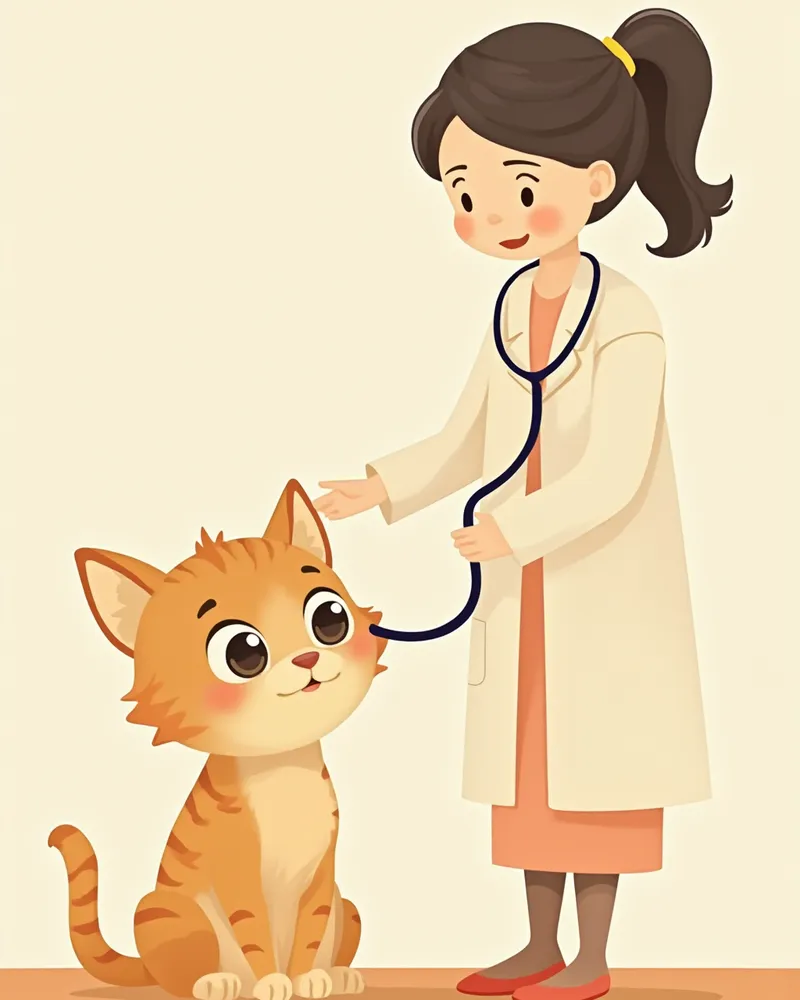
A seven-year-old cat is equivalent to a 44-year-old human. From this age onward, cats enter the mature adult stage (7–10 years), and their risk of age-related conditions such as chronic kidney disease, hyperthyroidism, diabetes mellitus, and hypertension gradually increases. Veterinary guidelines recommend at least one annual wellness exam for cats of all ages, with more frequent check-ups advised for mature and senior cats aged seven and older. These exams should include a complete blood count (CBC), urinalysis, and blood pressure measurement as standard components. Because cats instinctively hide signs of illness, they may appear healthy even when unwell, making regular veterinary check-ups nearly the only way to detect health issues early.
Checklist of Changes Seen in Senior Cats (10 Years and Older)

Food and Nutrition Should Also Change with Age
Lifespan Varies by Breed
Cats that live indoors and receive proper nutrition and consistent veterinary care generally enjoy longer lifespans and better quality of life than those that do not. In fact, advances in feline nutrition and veterinary medicine have steadily increased the life expectancy of companion cats. Additionally, different breeds may have varying predispositions to congenital and genetic diseases, so it is important to consider breed-specific health vulnerabilities as part of preventive care. Knowing the common health issues associated with your cat’s breed can greatly aid in early detection before symptoms become apparent.
Reviewed by a veterinarian

Dr. Tony — Punnawat Phongkittirak
VeterinarianA veterinarian who majored in veterinary medicine at Khon Kaen University, Thailand, and completed the IVSA program at North Carolina State University in the United States. Drawing on clinical experience at animal hospitals, he works in the pet healthcare field and is dedicated to building a digital care environment that connects pet parents with veterinarians.
Reviewed 2026-04-20
Frequently Asked Questions
Do stray cats and domestic cats have different age calculations?
Is it really true that a one-year-old cat is equivalent to a 15-year-old human? That seems like a very rapid aging rate.
What is the average lifespan of a cat?
How often should senior cats have health check-ups?
At what age is a cat considered a senior?
Share
Related Guides

Primary vs. Secondary Veterinary Hospitals: A Comparison
5 Easy-to-Raise Cat Breeds for First-Time Owners — Grooming Difficulty Comparison

Top 7 Short-Legged Dog Breeds

How to Check Lymph Nodes at Home

Recognizing End-of-Life Signs in Cats

Cat Litter Box Frequency and Normal Patterns: How Many Times a Day Is Normal?

Cat Meal Times and Frequency: How Many Times a Day Is Right?
The Complete Guide to Toceranib (Palladia) for Dogs

Dog Anal Sac Disease and How to Express Them

Canine Addison’s Disease — Sudden Lethargy and Vomiting: Could This Be a Sign of an Addisonian Crisis?
References
[1] The Cat, Clinical Medicine and Management, 2nd Edition - Chapter 47 Managing the Senior Cat
[2] Applied Veterinary Clinical Nutrition, 2nd Ed - Age-related changes in nutrient utilization by companion animals
[3] AAFP-AAHA Feline Life Stage Guidelines