
Correcting Your Dog's Barking at Visitors
When your dog barks at visitors, it’s often a territorial protection behavior. We’ve outlined a step-by-step training approach, from desensitizing your dog to the doorbell to teaching a quiet cue.
Why Does Your Dog Bark at Visitors?
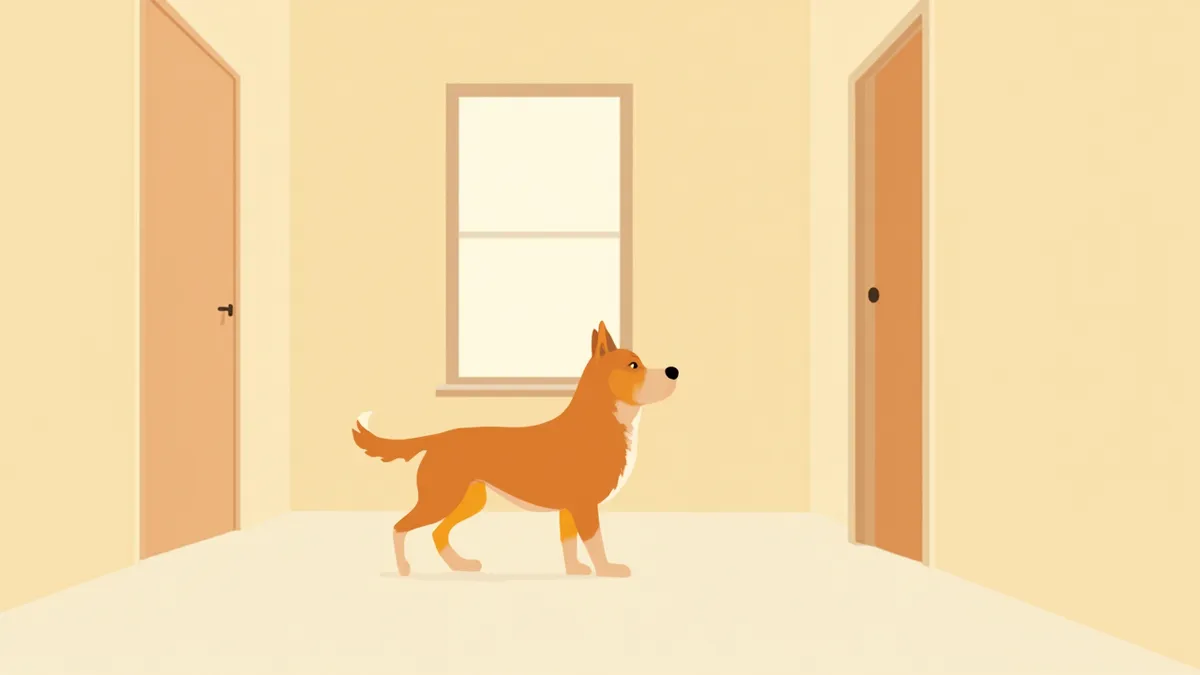
Three Types of Causes for Barking at Guests
Comparing Behavioral Signals by Type
| Item | Territory-defense type | Fear/anxiety type | Attention-seeking type |
|---|---|---|---|
| Tail position | Held vertically upright | Tucked between the legs | Wagging rapidly |
| Barking location | Front door/window | Behind the owner | Around guests |
| Body posture | Leaning body forward | Lowering body and backing away | Approaching with jumping |
| After guest enters | Keeps growling | Hides in a corner | Stops when given attention |
Behavioral signals by type vary greatly between individuals, so use them only as a reference. Identify the exact cause by reviewing sufficient behavioral history, and approach with a positive-reinforcement basis.
Step 1: Desensitizing to the Doorbell Sound
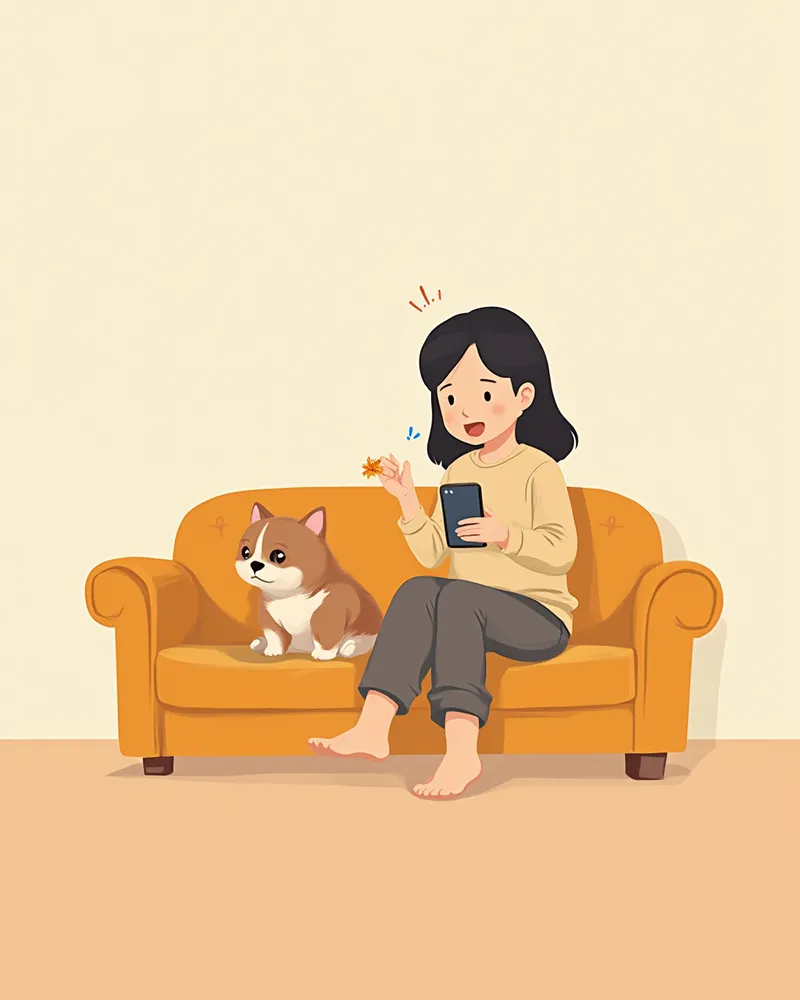
Step 2: Teaching the "Quiet" Cue
Actions to Absolutely Avoid
Scolding loudly or forcefully restraining your dog when it barks can actually heighten its excitement and anxiety. Excessive barking often stems from underlying emotions such as fear, anxiety, or frustration, so methods like covering the mouth or forcibly suppressing the behavior fail to address the root cause and may instead worsen the condition. Veterinary behavior textbooks recommend managing and correcting this type of barking—which is normal but problematic—through positive reinforcement-based training rather than punishment. The key is to identify and address the true cause of the barking. Consistently combining calm ignoring with reward-based training is the most effective approach.
Step 3: Training Manners for Guest Entry
Consult a Behavior Professional if Correction Is Difficult
If your dog continues to bark despite consistent training for over six weeks, or shows aggression toward guests such as growling or attempting to bite, this may indicate an anxiety disorder or behavioral aggression rather than a simple training issue. In such cases, consultation with a veterinarian or a veterinary behavior specialist is necessary. Medication may also be part of the treatment plan, so it’s important to seek professional veterinary care instead of trying to manage the situation on your own.
Reviewed by a veterinarian

Dr. Tony — Punnawat Phongkittirak
VeterinarianA veterinarian who majored in veterinary medicine at Khon Kaen University, Thailand, and completed the IVSA program at North Carolina State University in the United States. Drawing on clinical experience at animal hospitals, he works in the pet healthcare field and is dedicated to building a digital care environment that connects pet parents with veterinarians.
Reviewed 2026-04-19
Frequently Asked Questions
How long does orthodontic treatment usually take?
Which learns faster, puppies or adult dogs?
Is it okay to use an anti-barking collar?
What should I do if my pet frequently visits the litter box?
Does it get worse if I have more than one pet?
Share
Related Guides

7 Behavioral Enrichment Strategies for Mental Stimulation Recommended by Veterinarians

Top 5 Calming Supplements for Dogs and Cats in 2026

L-Theanine Effects and Calming Support
Kennel Cough Symptoms and Treatment in Dogs
How to Brush Your Cat’s Teeth and Get Them Used to It

Symptoms and Prevention of Feline Panleukopenia
Symptoms and Management of Feline Hypertrophic Cardiomyopathy (HCM)
Rescue Dog Adoption Procedures and Precautions – What You Must Know Before Adopting

The Ultimate Guide to Preparing for Cat Adoption
Pet Health Checkup Timing and Examination Items
References
[1] Horwitz D, Mills D, BSAVA Manual of Canine and Feline Behavioural Medicine, 2nd ed., 2009
[2] Landsberg G, Hunthausen W, Ackerman L, Behavior Problems of the Dog and Cat, 4th ed., 2024
[3] Bowen J, Heath S, Behaviour Problems in Small Animals, 2005
[4] Veterinary Guide to Preventing Behavior Problems in Dogs and Cats, 2023