Like
Share
멍실장
고양이 과도한 그루밍(핥기) 원인과 대처법

My Cat Keeps Licking — Is This Normal? Causes and Solutions for Excessive Grooming

ImmunityQ&AMeongsiljang Veterinary Advisory Board

We’ve compiled the main causes of excessive grooming in cats, how to distinguish stress from skin conditions, and home care tips you can try.

What Is Excessive Grooming in Cats?

A cat licking its front paw
Excessive grooming in cats is a compulsive behavior where the time spent on grooming exceeds the normal range, leading to skin damage, hair loss, and wounds. The most crucial step is identifying the underlying cause. While cats naturally dedicate a significant portion of their day to grooming, repeatedly licking a specific area until hair falls out or the skin becomes injured is an abnormal sign that goes beyond simple hygiene. This excessive grooming may indicate stress or an underlying medical condition. If left unaddressed without identifying the root cause, it can worsen, resulting in further skin damage and secondary infections.

Why Does Excessive Grooming Occur?

The reasons behind excessive grooming in cats generally fall into two categories: medical and psychological. We first suspect skin conditions that cause itching, such as food allergies, parasitic infestations like fleas and mites, or bacterial and fungal infections. Cats may also persistently lick specific areas due to pain from conditions like joint disease. In fact, investigations into cases initially suspected of being psychogenic alopecia revealed that a significant number also had underlying medical causes, such as allergies, parasites, or food sensitivities, and it is common for a single cat to have more than one contributing factor. Therefore, we only diagnose stress-induced psychogenic alopecia after all potential medical causes have been ruled out.

Medical vs. Psychological Causes Comparison Table

ItemMedical causePsychological cause
Onset triggerOccurs suddenlyGradually after an environmental change
Licked areaFixed on a specific itchy or painful lesion siteBelly/groin/inner and posterior thigh/flank/forelegs
Skin conditionRed rash/scabs/dischargeInitially only hair loss may occur, but if it persists it can progress to abrasions/scabs/ulcers
ItchinessAccompanied by itching/painLittle itching
Priority actionSee a clinic firstEnvironment check + clinic consultation

Reference table for self-assessment — the final judgment requires a veterinary exam.

Stress-Induced Excessive Grooming Checklist
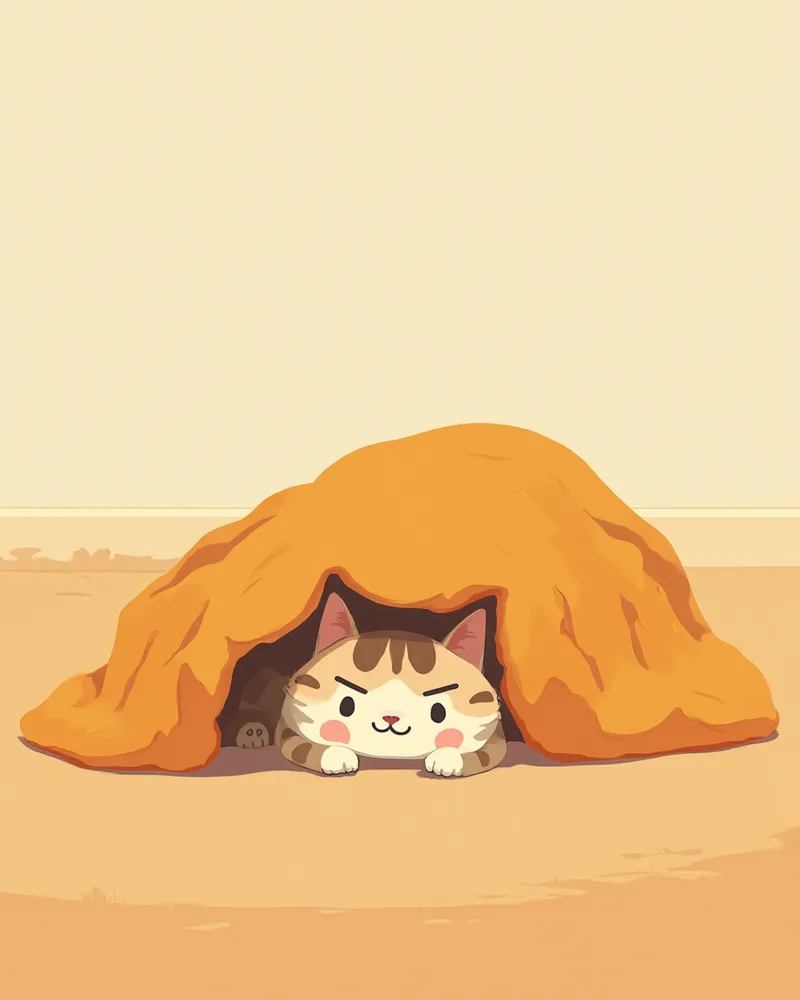
Psychogenic grooming typically presents with the following signs: - Triggers: Symptoms often begin after moving, changes in family composition, or the adoption of a new pet. - Affected areas: Grooming is concentrated on areas easily reached by the tongue, such as the abdomen, groin, inner thighs, flanks, and front legs. - Pattern: Cats often groom intensely when left alone, but the behavior may also be observed in the owner’s presence. Be cautious, as owner responses like making eye contact, speaking to the cat, or touching it can inadvertently reinforce the behavior. - Associated symptoms: Increased hiding, changes in appetite, and altered urination patterns. - Skin condition: In early stages, only hair loss may be visible without apparent skin damage. However, repeated or prolonged grooming can lead to abrasions or scabs. If several of these signs appear together, a psychological cause may be suspected. However, studies have shown that many cats suspected of having psychogenic alopecia actually have concurrent medical issues such as allergies, parasites, or pain. Therefore, rather than making a self-diagnosis based solely on the number of signs, it is important to first visit a veterinary clinic to rule out medical causes.
A cat with an anxious expression hiding under the sofa

When to Seek Immediate Veterinary Care

If you notice any of the following, seek veterinary care rather than just observing at home: - The area being licked shows bleeding, discharge, or scabs. - Hair has fallen out in a distinct circular pattern (suspected fungal skin infection). - Your pet persistently licks only around the anus or under the tail (various causes, including pain or skin issues, require veterinary diagnosis). - Your pet shows signs of pain while licking, such as whining or biting. - There are concurrent changes in appetite, urination, or activity level. In particular, if your pet suddenly starts intensely licking one specific area, especially the lower abdomen or around the anus, it may indicate an underlying painful condition. It is best to seek veterinary care as soon as possible.

What Examinations Are Performed at the Clinic?
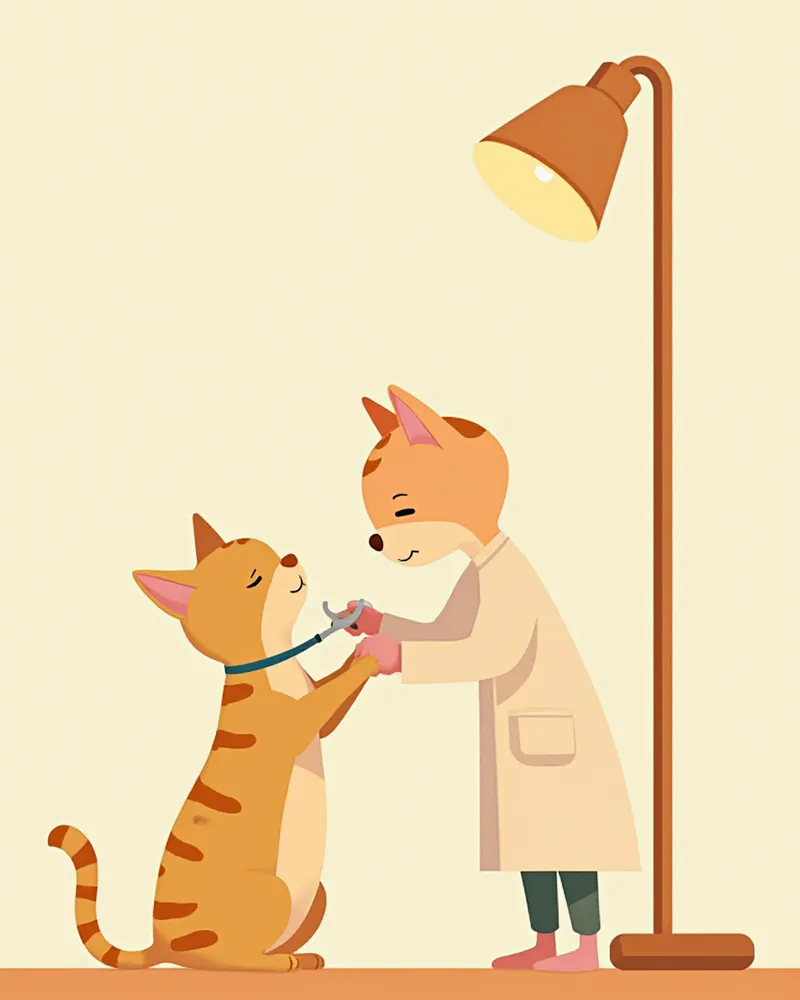
The veterinarian begins by taking a detailed history to identify any environmental changes and pinpoint when the symptoms started, then performs a hair microscopy exam. This first step in diagnosis involves examining the shape of the plucked hair tips to distinguish between self-induced alopecia—caused by licking or chewing that breaks the hair—and naturally shed hair. If self-induced alopecia is confirmed, the next step is a skin examination. Skin scrapings are used to check for parasites such as mites, while cytology tests detect bacterial or yeast infections. Because fungal infections (dermatophytosis) are difficult to confirm with a Wood’s lamp alone, fungal culture is often performed alongside other tests, as dermatophytosis is the most common cause of alopecia in cats. If necessary, further diagnostics such as allergy testing or blood work may be conducted. Once all medical causes have been ruled out, the evaluation proceeds to a behavioral assessment.
A veterinarian examining a cat's skin

Home Stress Relief Methods

If medical causes have been ruled out, reorganize the home environment to be cat-centered. - Vertical space: Provide high retreats using cat trees and shelves. - Hiding spots: Place 2–3 quiet boxes or igloos around the home. - Resource distribution: Separate food bowls, water bowls, and litter boxes (provide one more item than the number of cats). - Playtime: Engage in 10–15 minutes of hunting-style play twice daily. - Pheromones: Consider using synthetic facial pheromone products. After making these environmental changes, observe your cat for 2–4 weeks and record whether grooming time decreases.

Must-Check for Multi-Cat Households

In households with multiple cats, hidden conflicts are often the underlying cause of overgrooming. Even without overt fighting, persistent low-level tension—such as staring contests, blocking movement paths, or monopolizing resources—can lead the more submissive cat to begin stress-related grooming. Provide each cat with its own set of resources (food, water, litter boxes, and resting spots) and arrange the space so they can avoid direct eye contact.

Reviewed by a veterinarian

Dr. Tony — Punnawat Phongkittirak

Dr. Tony — Punnawat Phongkittirak

Veterinarian

A veterinarian who majored in veterinary medicine at Khon Kaen University, Thailand, and completed the IVSA program at North Carolina State University in the United States. Drawing on clinical experience at animal hospitals, he works in the pet healthcare field and is dedicated to building a digital care environment that connects pet parents with veterinarians.

Frequently Asked Questions

How much grooming is normal for a cat in a day?
Cats spend a significant portion of their day grooming themselves. If your cat repeatedly licks a specific area or starts losing hair, it may be a sign of overgrooming. A veterinarian will make an accurate diagnosis by considering clinical signs alongside other observations.
Does stress-related licking resolve on its own?
Once the underlying environmental triggers are addressed, symptoms may improve. However, grooming can release endorphins, which may reinforce the behavior. If it becomes a habitual pattern, medication and behavioral therapy may be necessary. We recommend consulting a veterinarian if the behavior persists for more than four weeks.
Should I fill out the eight-color (neck collar) section?
Use this only as a temporary measure to prevent the wound from worsening. If you rely solely on an Elizabethan collar without identifying the underlying cause, the stress it causes may actually exacerbate the symptoms.
Can food allergies also be a cause?
Yes, food allergies are one of the common medical causes identified even in cases suspected of psychogenic alopecia. They can manifest as itching and excessive licking, and diagnosis is confirmed through a restricted diet trial under veterinary guidance. To ensure reliable results, an adequate observation period is necessary.
Can nutritional supplements help?
Based on current veterinary textbooks, it is difficult to definitively conclude the efficacy of specific nutritional supplements. Treating the underlying cause should always be the top priority, and any use of supplements should only be decided after consulting with a veterinarian.

Share

Related Guides

References

[1] A Professional's Guide to Feline Behaviour: Understanding, Improving and Resolving Problems

[2] Ellis, S.L. et al. (2015) 'The influence of body region, handler familiarity and order of region handled on the domestic cat's response to being stroked', Applied Animal Behaviour Science, 173, pp. 60-67

[3] Buffington, C.A.T. (2023) Feline medicine pandora syndrome in cats: Diagnosis and treatment, Today's Veterinary Practice

[4] Veterinary Guide to Preventing Behavior Problems in Dogs and Cats

[5] Applied Veterinary Clinical Nutrition, 2nd Ed

This information is based on veterinary literature and does not replace diagnosis or treatment. Please consult a veterinarian for specific health concerns.

Metapet Co., Ltd. | CEO: Park Sung-yong | Business Reg. No. 417-88-02562 | Seoul, South Korea | Customer Center

Why Is My Cat Licking So Much? Causes of Overgrooming and How to Help | Meongsiljang