

Why Are Dogs and Cats Afraid of Grooming? — A Complete Step-by-Step Adaptation Guide
Grooming desensitization training gradually familiarizes pets with grooming tools and handling, enabling them to undergo grooming and hygiene care without stress. The key is to keep sessions short and positive, starting from an early age and repeating them consistently.
What Is Grooming Desensitization Training?
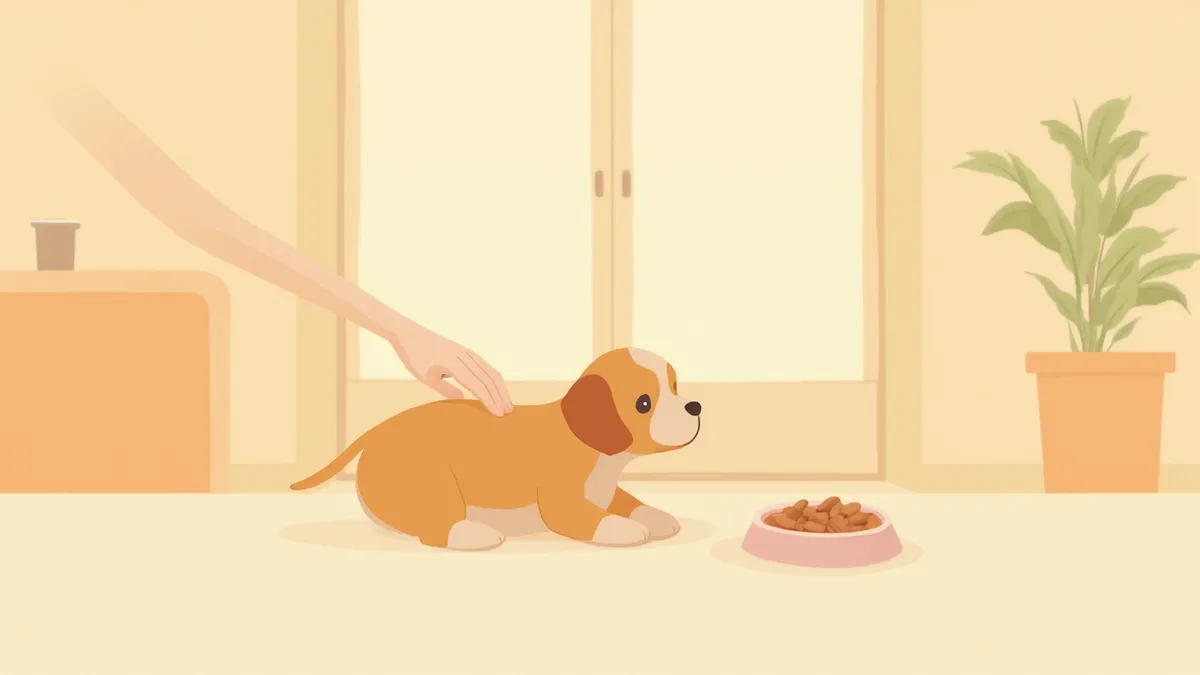
Why Is Grooming Desensitization Necessary?
5-Step Roadmap for Grooming Desensitization
Step-by-Step Training Sequence
| Item | Stage 1 | Stage 2 | Stage 3 | Stage 4 | Stage 5 |
|---|---|---|---|---|---|
| Goal | Exploring the tool | Contacting the tool | Brief use | Full body area | Real grooming |
| Action | Place it on the floor and let them sniff | Lightly touch it to the body | Brush/clip once or twice | Extend to back, legs, and paws | Complete an actual grooming session |
| Time | 10–30 seconds | 30 seconds–1 minute | 1–2 minutes | 3–5 minutes | 5–10 minutes |
| Reward | Top-grade treat | Treat + praise | Treat + rest | Treat + play | Treat + walk |
If the dog becomes tense, retreat to the previous stage. Never force it forward
Adaptation Tips by Tool
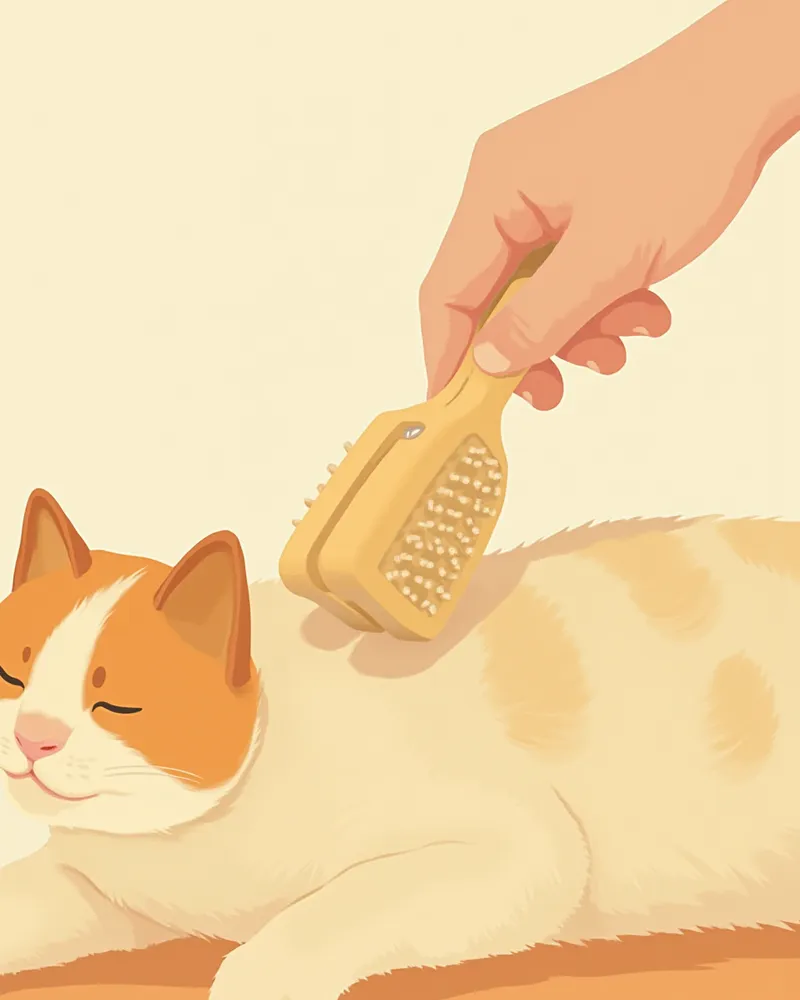
Stop Immediately If You See These Signs
Rapid breathing, muscle tension, dilated pupils, flattened ears, sweaty paw pads, or excessive shedding are all signs of severe stress or fear. Continuing training at this point will firmly associate the training tools with threat, leading to even stronger resistance in future sessions. If you notice these signals, stop immediately and allow your pet to fully calm down before returning to the previous step. If your dog growls, bares its teeth, or snaps, end the training session for the day and thoroughly reassess both the environment and your reward system.
Dogs vs. Cats: Different Approaches

Daily Routine You Can Do at Home
Reviewed by a veterinarian

Dr. Tony — Punnawat Phongkittirak
VeterinarianA veterinarian who majored in veterinary medicine at Khon Kaen University, Thailand, and completed the IVSA program at North Carolina State University in the United States. Drawing on clinical experience at animal hospitals, he works in the pet healthcare field and is dedicated to building a digital care environment that connects pet parents with veterinarians.
Reviewed 2026-04-27
Frequently Asked Questions
Can adult dogs and cats still be trained?
How long should I continue giving treats as rewards?
My pet really hates having their nails trimmed. What should I do?
My pet is extremely afraid of the sound of the dryer.
What if my pet still refuses, even after training?
Share
Related Guides

Top 5 Medicated Dog Shampoos — For Pyoderma and Bacterial Infections

Veterinarian-Recommended Top 5 Medicated Shampoos for Canine Yeast Dermatitis — Relieves Itching and Greasiness

Top 5 Medicated Cat Shampoos Recommended by Veterinarians — Fungal Dermatitis and Fungal Care
Meaning of Heart Murmur Grades 1–6

How to Read Your Dog’s CBC Blood Test Results — How to Check Anemia, Inflammation, and Infection Levels
Guide to First Meal and Dietary Progression After Surgery

Use of Emergency Medications (Epinephrine and Atropine)
The Complete Guide to IV Line Management
The Complete Guide to Endotracheal Intubation and Monitoring in Dogs and Cats
When is the best time to spay after giving birth?
References
[1] Horwitz D., Mills D., BSAVA Manual of Canine and Feline Behavioural Medicine, 2nd Ed, BSAVA
[2] Overall K.L., Manual of Clinical Behavioral Medicine for Dogs and Cats, Elsevier
[3] Yin S., Low Stress Handling, Restraint and Behavior Modification of Dogs & Cats, CattleDog Publishing