Like
Share
멍실장
강아지 코 마른 이유와 정상 여부

Reasons for a Dry Nose in Dogs and Whether It Is Normal

ImmunityQ&AMeongsiljang Veterinary Advisory Board

A dry nose is usually a normal physiological occurrence in dogs. However, if it is accompanied by cracking, oozing, or scabbing, it may be a sign of an immune or skin disease.

Is a Dry Nose in Dogs a Sign of Pain?
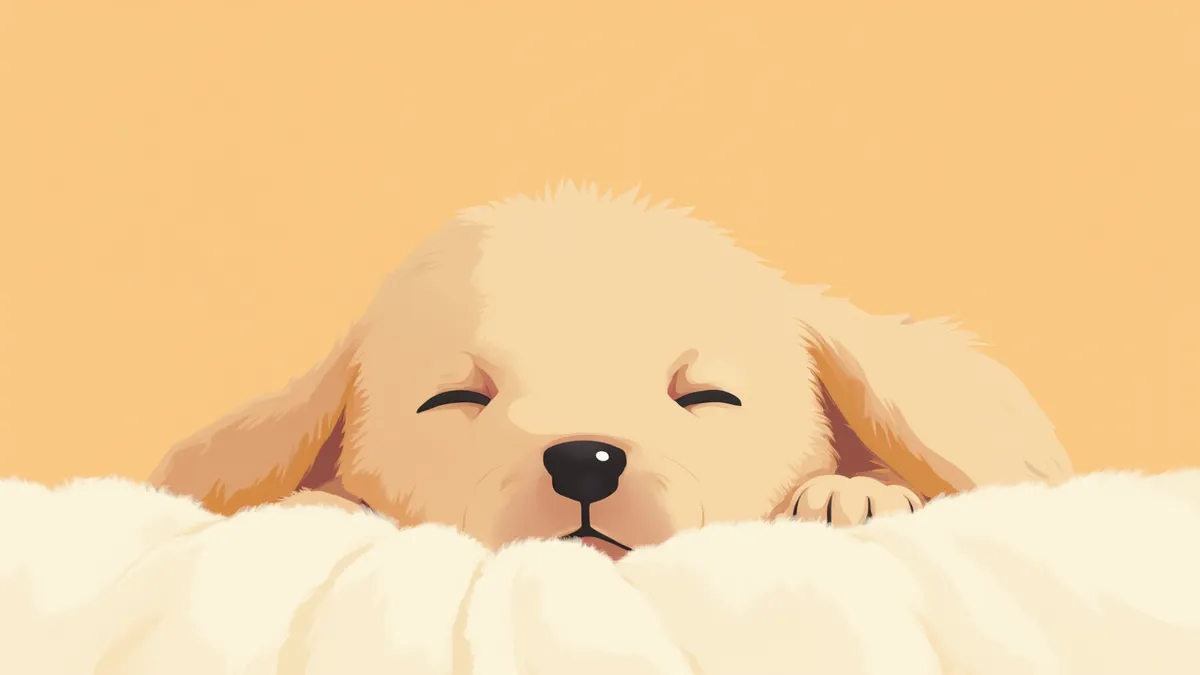
A close-up of a puppy’s nose as it rests on a blanket
A dry nose in dogs is a natural physiological response caused by factors such as moisture evaporation and changes in blood flow, leading to temporary dryness at the tip of the nose. In most cases, there is no need for concern. Even healthy dogs naturally experience fluctuations between a moist and dry nose throughout the day. However, if the nasal surface becomes rough and cracked, or if you notice discharge, scabs, or changes in pigmentation, these could be signs of an immune or skin condition, so a veterinary check-up is recommended.

Why Is a Dog’s Nose Moist?

A dog’s nose feels moist due to moisture from the nasal mucosa and the habit of licking the nose. However, this moisture level isn’t always consistent; it fluctuates depending on factors such as activity level, sleep, and indoor temperature and humidity. Therefore, a temporarily dry nose doesn’t necessarily indicate illness. When assessing nasal health, it’s more important to check whether the surface is smooth and look for signs of cracking, scabs, discharge, or color changes, rather than focusing solely on moisture levels. If you notice rough cracking, scabs, discharge, or discoloration, it’s advisable to have your veterinarian evaluate your dog’s skin and immune status.

Situations Where a Dry Nose Is Normal

Even healthy puppies can have a naturally dry nose in certain situations.
Right after waking up: Their nose may temporarily dry out because they don’t lick it while sleeping.
After exercise or a walk: Heavy breathing can cause moisture on the surface of the nose to evaporate quickly.
Indoor heating or air conditioning: Dry air can cause the moisture on the nose to disappear more easily.
Sun exposure: Lying in a warm spot for too long can also dry out the nose.
Senior dogs: As dogs age, their nose condition may change, but sudden changes in color or texture could be a sign of illness, so it’s important to monitor the surface closely.
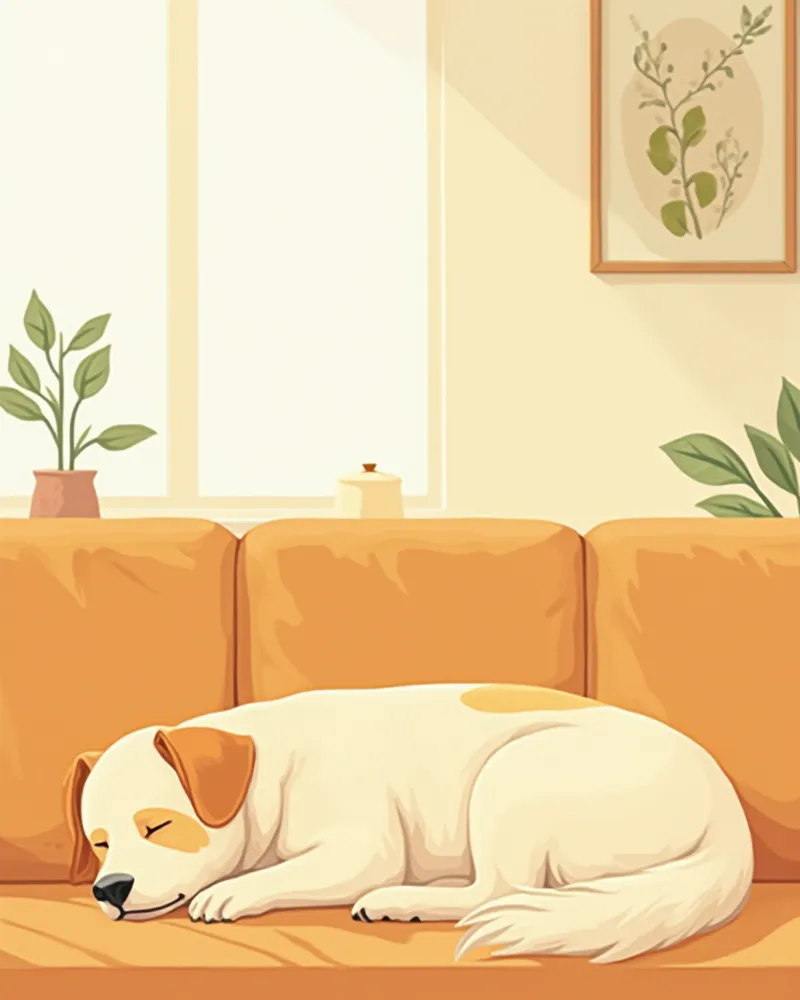
An elderly dog sleeping in the sunlit living room

Normal vs. Cases Requiring Veterinary Attention

ItemNormal (OK to Monitor)Abnormal (Needs Vet Check)
Surface conditionSmooth and softCracked and rough
DurationRecovers within a few hoursPersists 2–3 days or more
ColorRetains usual colorDiscolored, red, or turning black
Accompanying symptomsNoneScabs, discharge, itching, bleeding
ConditionSame as usualLoss of appetite, lethargy

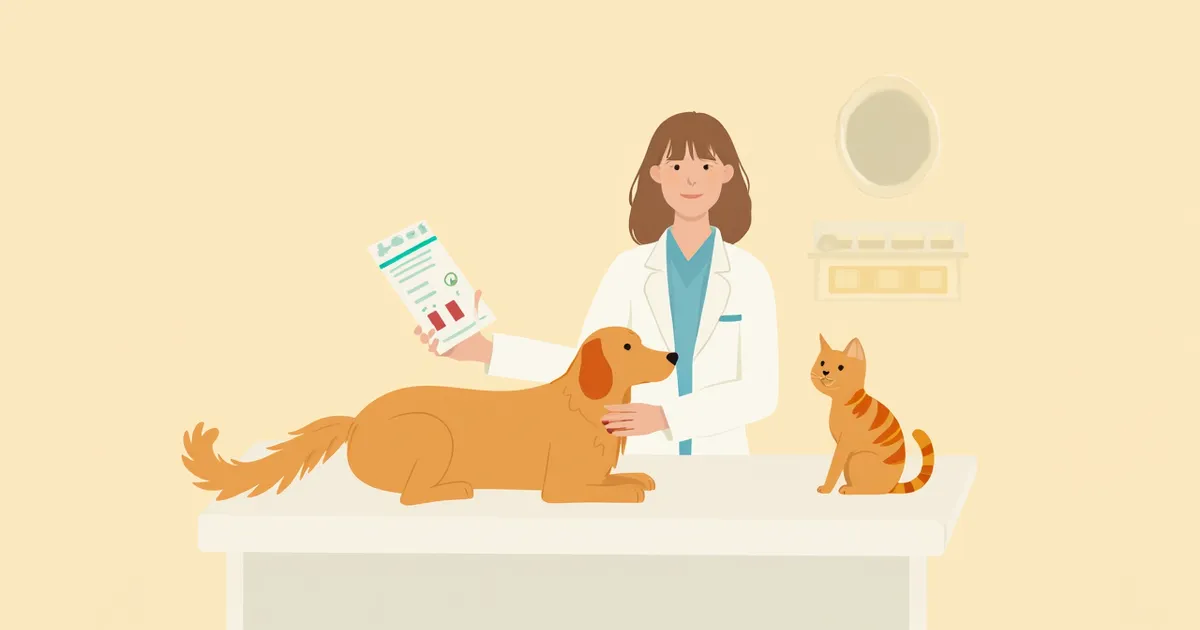
If one or two items fall under 'abnormal,' have the vet check the skin and immune status.

Signs That Require Immediate Veterinary Care

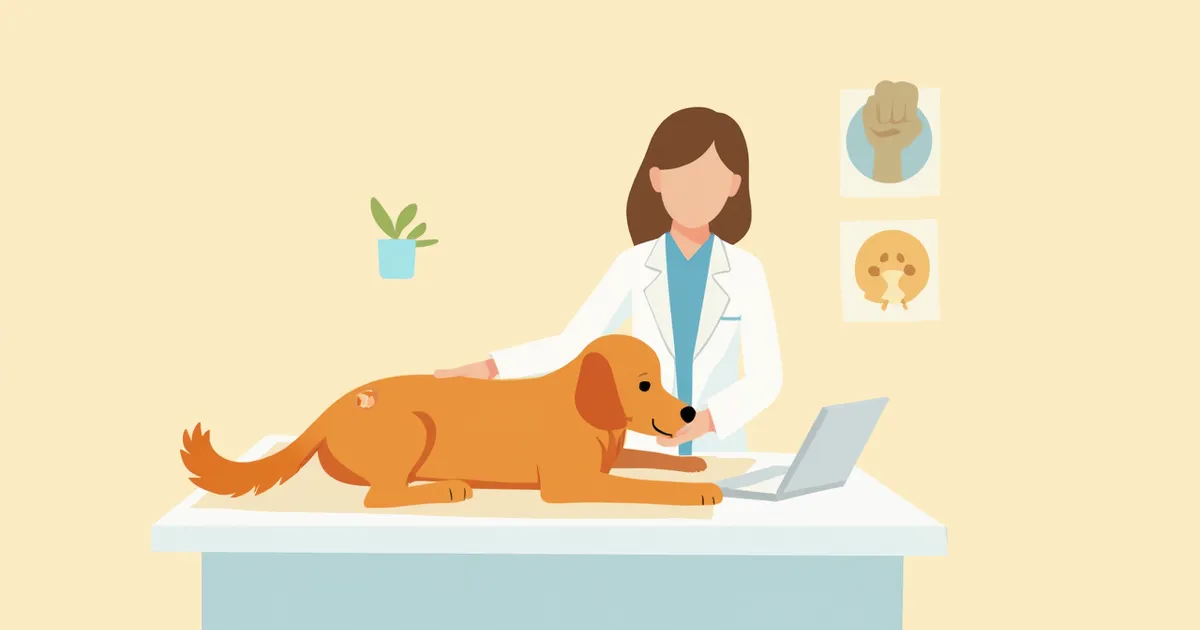
If your pet’s nose is cracking and bleeding, oozing fluid or pus, or forming thick scabs, it’s not just simple dryness. It could be an autoimmune condition such as discoid lupus erythematosus (DLE), pemphigus, or nasal dermatitis. Additionally, rapid changes in nose color—such as shifting from pink to black or black to pink—can signal an immune system issue. We recommend consulting a veterinary dermatologist within 24 to 48 hours.

Pathological Causes of a Dry Nose
This may not be simple dryness but rather a sign of an underlying condition.
Autoimmune diseases: Conditions such as discoid lupus erythematosus (DLE) and pemphigus (including pemphigus foliaceus) involve immune responses that attack the nasal skin, causing depigmentation, redness, cracking, and crusting. DLE, in particular, can worsen with sun exposure.
Hereditary nasal parakeratosis: In breeds such as Labrador Retrievers, thick, adherent scales form on the dorsal surface of the nose tip, often accompanied by fissures, ulcers, and erosions, and may be painful to touch.
Keratinization disorders: Some breeds have been reported to develop thickened keratin on the nose and facial areas.
Systemic health changes: A dog’s nose may feel dry when its overall health is poor. If accompanied by symptoms such as decreased appetite or lethargy, veterinary evaluation is necessary.
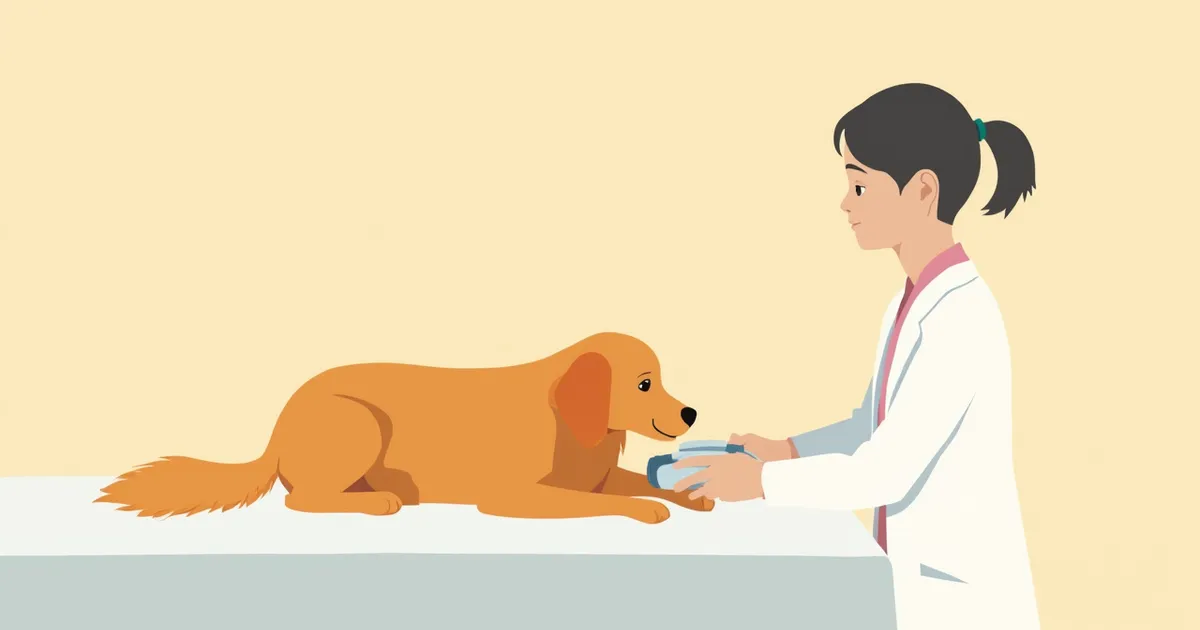
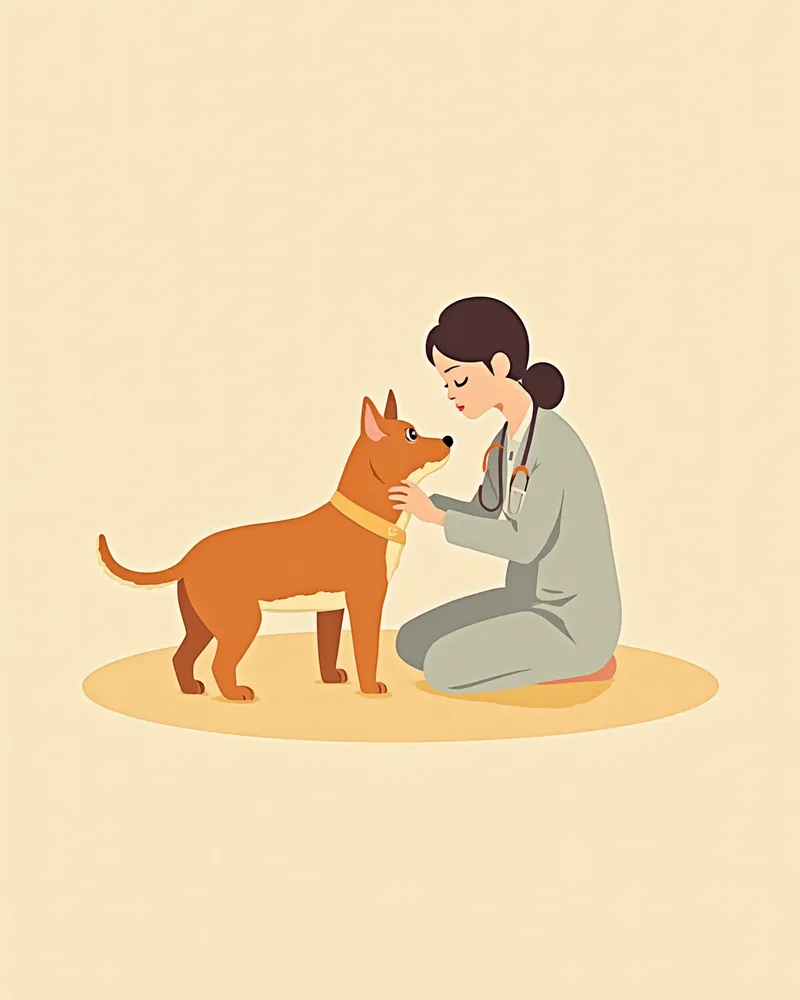
A veterinarian examining a puppy's nose.

Home Care Methods

Humidity control: Keep indoor humidity at a comfortable level to prevent excessive dryness, and consider placing a humidifier near heating units during winter.
Water bowl check: Ensure your pet has access to plenty of fresh water at all times.
Nose moisturizing: Keeping the nose (nasal planum) well-moisturized is key to proper care. Gently applying a dog-specific moisturizing balm or oil twice daily can help. Use only pet-safe products that are non-toxic if licked, rather than human skincare items. If the nose is severely cracked or crusted, avoid applying anything without first consulting your veterinarian, as treatments such as topical steroids or tacrolimus may be necessary.
UV protection: On sunny days, limit outdoor exposure and use dog-specific sun protection when needed.

Extra Caution for Breeds with Weaker Immunity

Certain breeds, such as Border Collies and German Shepherds, are reported to have a relatively higher incidence of autoimmune skin diseases like pemphigus. In particular, Collie-type breeds may develop discoid lupus erythematosus (DLE), which is exacerbated by sunlight, leading to changes known as Collie Nose. Therefore, during the summer, it is advisable to use dog-specific sun protection and regularly document the condition of the nose with photos to detect changes early. We recommend taking monthly photos with a smartphone to monitor and compare changes in pigmentation and surface texture.

Reviewed by a veterinarian

Dr. Tony — Punnawat Phongkittirak

Dr. Tony — Punnawat Phongkittirak

Veterinarian

A veterinarian who majored in veterinary medicine at Khon Kaen University, Thailand, and completed the IVSA program at North Carolina State University in the United States. Drawing on clinical experience at animal hospitals, he works in the pet healthcare field and is dedicated to building a digital care environment that connects pet parents with veterinarians.

Frequently Asked Questions

My dog’s nose is hot and dry. Does that mean he has a fever?
It’s difficult to determine if your pet has a fever based on nose temperature alone. An accurate body temperature requires measurement with a rectal thermometer. Even if the nose feels warm, it’s hard to immediately conclude there’s a fever if your pet’s overall condition and appetite are normal. However, if lethargy or decreased appetite are present, it’s best to check their temperature and seek veterinary care.
It’s been a day since my pet’s nose got dry—should I take them to the vet?
If your pet’s overall condition and appetite are normal, and the skin surface appears smooth, it’s fine to monitor the situation for 2–3 days. However, if you notice cracking, oozing, or scabbing, please seek veterinary care immediately.
Can I apply human-grade petroleum jelly to my pet’s nose?
We don't recommend it. It's safer to use a nose moisturizer specifically formulated for dogs rather than human products, and since dogs frequently lick their noses, it's important to choose a product that's safe if ingested.
My dog’s nose has turned a lighter pink. Is that normal?
It is known that a dog’s nose may temporarily lighten in color during winter when sunlight exposure decreases. However, if cracking, crusting, or depigmentation occur alongside this change, testing for autoimmune conditions such as discoid lupus erythematosus (DLE) is necessary.
Do senior dogs naturally tend to have drier noses?
As dogs age, their nose may change in appearance. However, sudden changes in pigmentation or texture, or cracking, could be signs of a health issue. If you notice rapid changes, it’s best to have your pet checked by a veterinarian.

Share

Related Guides

References

[1] Miller, Griffin, Campbell, Muller and Kirk's Small Animal Dermatology, 7th Ed, Chapter: Nasal Planum Disorders

[2] Ettinger's Textbook of Veterinary Internal Medicine, 8th Ed, Chapter: Disorders of the Nasal Planum

[3] BSAVA Manual of Canine and Feline Dermatology, 3rd Ed

This information is based on veterinary literature and does not replace diagnosis or treatment. Please consult a veterinarian for specific health concerns.

Metapet Co., Ltd. | CEO: Park Sung-yong | Business Reg. No. 417-88-02562 | Seoul, South Korea | Customer Center

Why Is My Dog's Nose Dry? Normal vs. Warning Signs | Meongsiljang