Like
Share
멍실장
강아지 꼬리 신호 의미

What Does Your Dog’s Tail Mean? — A Complete Guide to Reading Tail Signals

Brain & CognitionQ&AMeongsiljang Veterinary Advisory Board

Learn how to accurately interpret your dog’s tail movements—by height, speed, and direction—to understand their emotions and detect signs of health issues.

A Dog’s Tail Is a Signal Board Showing Emotions and Health
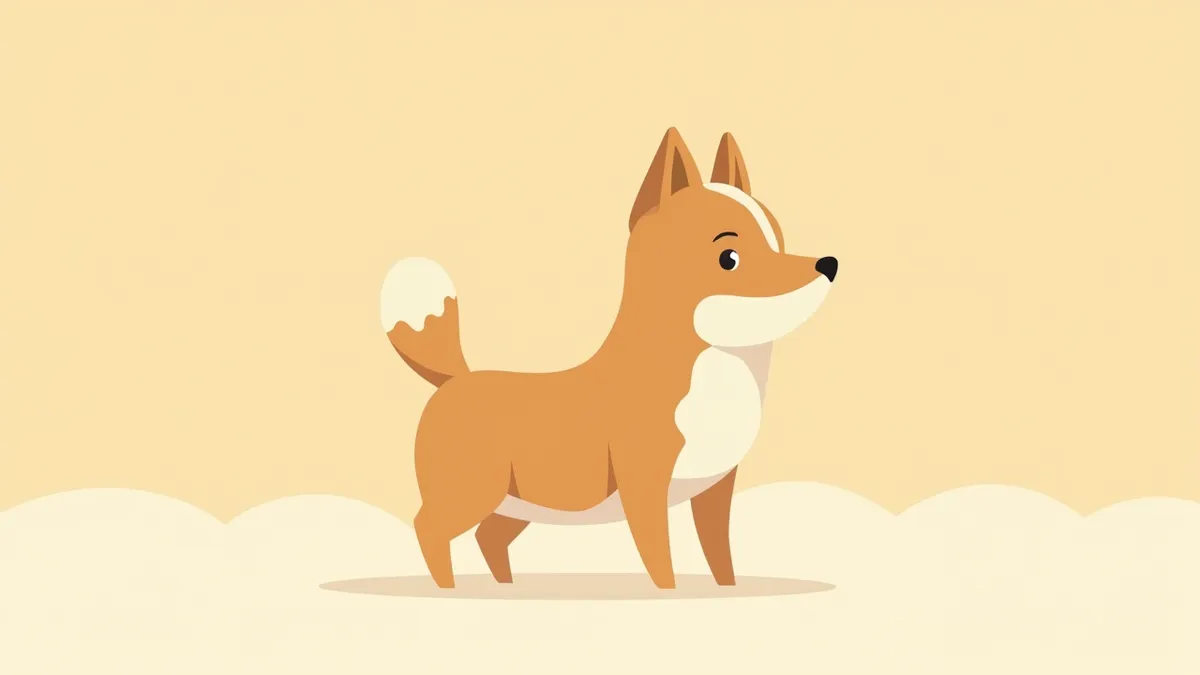
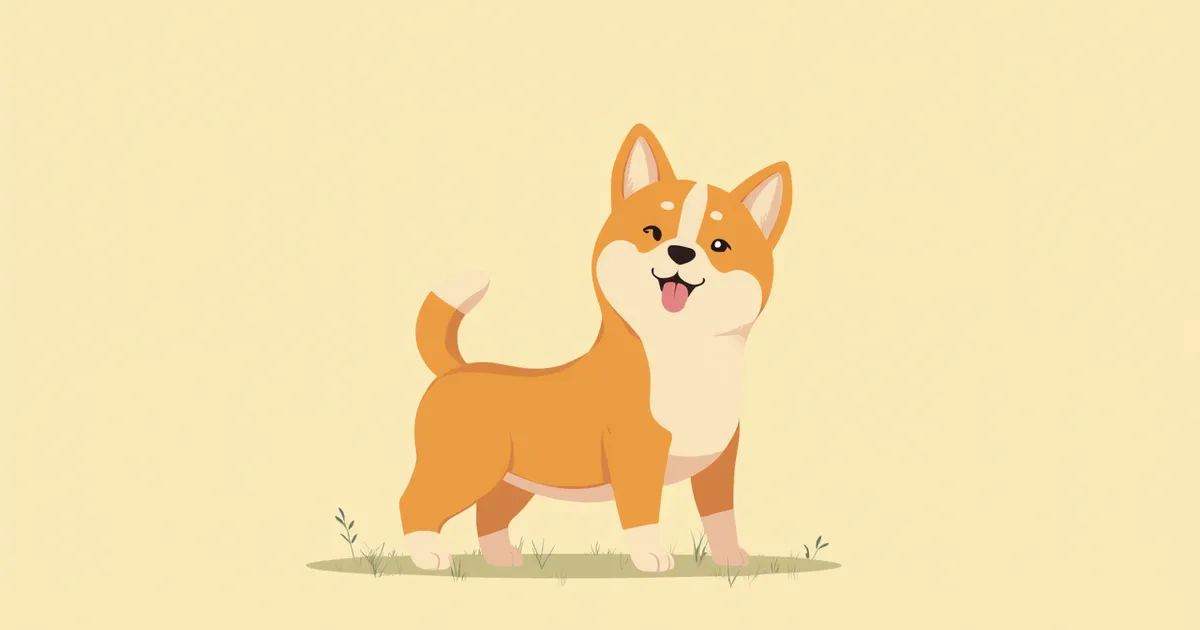
A side view of a puppy standing with its tail held naturally.
A dog’s tail is a physical indicator that reflects both emotional state and neuromusculoskeletal health. What’s truly important is that “wagging equals happiness” is not always true. To interpret tail signals accurately, you need to consider the tail’s height, speed, direction, and even left-right asymmetry. If your dog suddenly drops its tail or shows signs of pain when touched, it may indicate a neurological or muscular issue rather than just an emotional response, so prompt veterinary evaluation is essential.

Why Do Dogs Express Their Intentions with Their Tails?

A dog’s tail is an extension of the spine, composed of a variable number of caudal vertebrae (tail bones) depending on the breed, along with surrounding muscles and nerves. Much like human facial expressions, the tail serves as the quickest visual signal for conveying emotions and social hierarchy within a group. In particular, dogs use tail position to communicate feelings such as “relaxation,” “alertness,” or “submission” to both humans and other dogs. Therefore, if your dog’s tail movements differ from their usual pattern, consider that it may indicate not only emotional changes but also pain or anxiety.

Emotional Signals by Tail Height at a Glance

ItemTail PositionEmotional StatePoints to Watch
Tail held higher than horizontalConfidence/excitementHigh arousalCan escalate into aggression
Horizontal tailInterest/explorationCuriosityAssessing the situation
Tail lower than horizontalSubmission/calming signalReceptive, calm attitudeDon't confuse with simple relaxation
Tail tucked between the legsFear/submissionStressDo not force an approach
Stiff, rigid tailTension/warinessPerceiving a threatRisk of a bite incident

Because each breed has a different baseline tail position, you should compare against your own dog's usual tail height.

The Real Emotions Revealed by Tail Wagging Direction and Speed
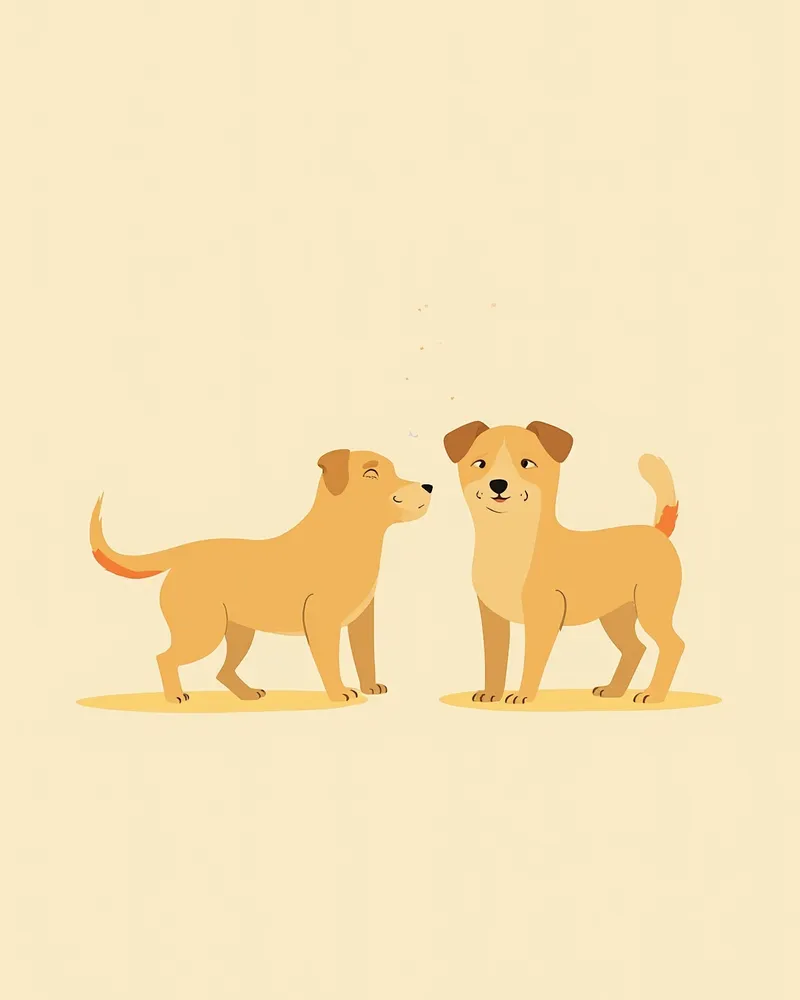
A wagging tail doesn’t always mean a dog is happy. Some studies suggest that a tail wag biased to the right may be associated with positive emotions, while a wag biased to the left may indicate negative emotions, but these findings should be interpreted cautiously within the context of ongoing research. The speed of the wag is also important. - Fast, wide wagging: Genuine excitement and friendly enthusiasm - Short, rapid tremors: Tension or alertness; can signal an impending aggressive response - Slow, broad wagging: Often seen alongside play-inviting behaviors such as a lowered front end or play bow; when observed alone, its meaning depends on context - Slight movement of just the tail tip: Focused attention or active exploration
A comparison between a dog that wags its tail widely to the right and one that wags it stiffly to the left

These Tail Conditions Require Immediate Veterinary Attention!

If your dog’s tail suddenly droops and won’t lift, or if it cries out in pain when touched, don’t wait—seek veterinary attention promptly. This kind of unusual tail drooping or pain is more likely to be a medical issue, such as acute caudal myositis (limber tail), tail vertebrae trauma, or nerve irritation, rather than just a change in mood. It’s safest to have a veterinarian examine your pet to determine the exact cause, rather than trying to diagnose it yourself. Additionally, if your dog is constantly licking or biting its tail, and you notice wounds, hair loss, swelling, or bleeding, there may be a skin problem on or around the tail. If symptoms are severe or worsening quickly, we strongly recommend visiting an animal hospital as soon as possible.

How to Interpret Tail Signals in Different Situations
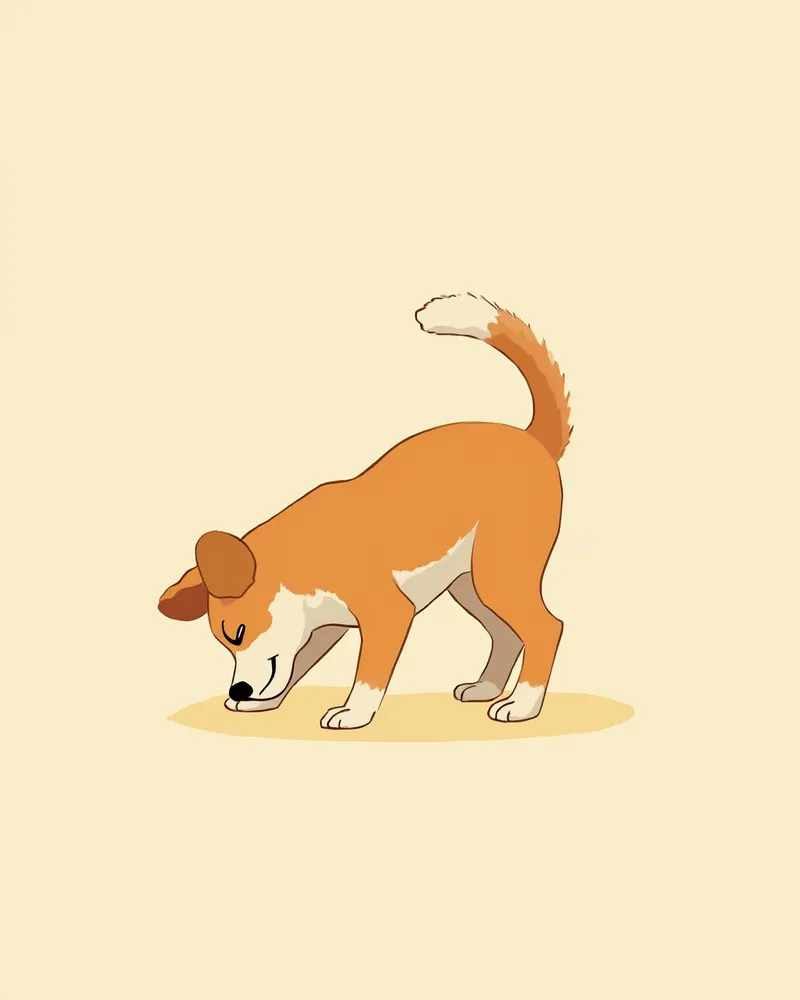
Don’t focus on the tail alone—read the ears, mouth, eyes, and overall body posture together. Here’s a quick checklist: - Ears flattened back + tucked tail: Fear; give the pet space - Lips pulled back + stiff tail: Imminent aggression; create distance - Front end lowered + high, wagging tail: Play invitation - Drooping tail + food refusal and lethargy: Possible sign of pain or illness Judging by the tail alone can easily lead to misinterpretation, so always consider the full context.
Illustration of a puppy in a playful bow, with its front legs lowered and tail held high, inviting play

Reading Tail Signals in Different Breeds and Docked Dogs

Tail length and shape vary significantly by breed. Breeds like Shiba Inus and Malamutes, whose tails curl over their backs, have a higher "baseline" tail position, which can make signs of excitement or tension appear less pronounced. Conversely, slender, long tails, such as those of Italian Greyhounds, make emotional changes easier to read. For dogs that have had their tails docked, like Cocker Spaniels, the range of tail signals is limited, so you need to place greater emphasis on interpreting their body posture and facial expressions. Remember your dog's "default tail angle" when they are relaxed.

Do Not Forcefully Touch the Tail

A dog’s tail is both an emotional expression tool and an extension of the spine. Never force a curled tail to straighten or pull it as a joke, especially when your pet is anxious. Applying external force to the tail’s vertebrae can lead to various complications, including nerve damage. If your pet shows signs of discomfort, such as curling its tail or growling, the best response is to stop approaching and give them space.

Daily Care Points for Maintaining Tail Health
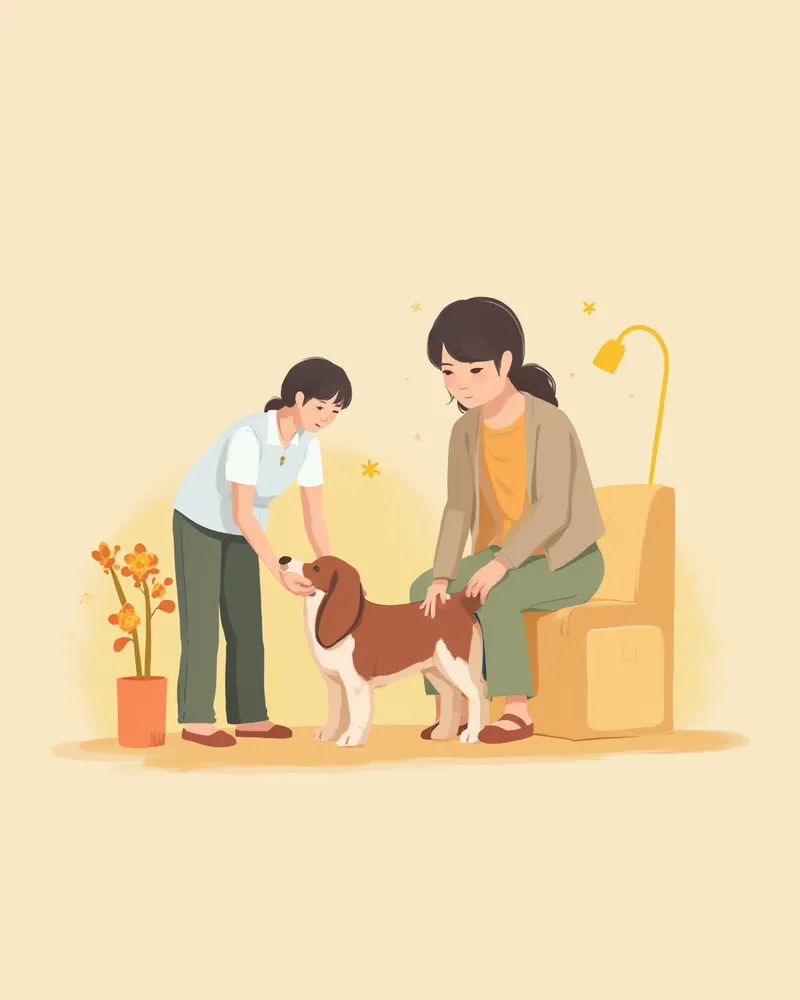
Since the tail is a complex structure containing both muscles and joints, it requires consistent care. - Rest after vigorous tail wagging: Be cautious with large breeds, as their tails can collide with walls or furniture, causing injuries. - Check the anal glands: Regularly monitor for changes, such as a strong odor or frequent licking of the area. - Groom the hair around the tail: Prevent fecal matter from getting tangled in the fur, as this can irritate the skin. - Reduce strain after cold water exposure or intense activity: Allow your pet to rest adequately to avoid putting undue stress on the tail muscles. - Regular walks and weight management: Maintain a healthy weight, as obesity can negatively impact overall health and well-being.
A caregiver gently inspecting and caring for the area around their puppy’s tail.

Reviewed by a veterinarian

Dr. Tony — Punnawat Phongkittirak

Dr. Tony — Punnawat Phongkittirak

Veterinarian

A veterinarian who majored in veterinary medicine at Khon Kaen University, Thailand, and completed the IVSA program at North Carolina State University in the United States. Drawing on clinical experience at animal hospitals, he works in the pet healthcare field and is dedicated to building a digital care environment that connects pet parents with veterinarians.

Frequently Asked Questions

Why does my dog wag its tail but still try to bite?
A quick, short tail wag can signal tension or alertness. If the dog’s body is stiff and the corners of its mouth are pulled back, it’s likely a warning born of discomfort rather than joy. In such cases, give the dog space and wait until it calms down.
My dog’s tail suddenly drooped. Is this a cause for concern?
If your dog’s tail is limp and won’t hold up as usual, suspect acute myositis (limber tail) or tail trauma and nerve damage. If there’s pain when touched, it’s best to have an X-ray and neurological exam at a vet clinic within 24 hours.
Your pet is constantly licking or biting its tail.
The causes can vary widely, including dermatitis, anal gland inflammation, allergies, and stress-related repetitive behaviors such as lick granuloma. If you notice wounds, odor, or hair loss, a dermatology consultation is recommended. However, if your pet’s appearance seems normal but they continue to lick persistently, a behavioral assessment may be necessary.
How do short-tailed dogs read emotions?
When tail signals become less obvious, **ears, eyes, mouth shape, and body posture** become even more important. Watch for signs of tension, such as a stiffened body or a shift in weight distribution toward the front or back. Since misunderstandings can occur during socialization with other dogs, it’s best to introduce them gradually.
Does a dog that always holds its tail low indicate depression?
Tail carriage varies by breed. Some breeds, such as Greyhounds and Whippets, naturally carry their tails low. If your pet’s appetite, activity level, and demeanor are normal, there’s no need for concern. However, if the tail suddenly drops and is accompanied by lethargy, have your pet checked for potential health issues.

Share

Related Guides

References

[1] Horowitz, A., Canine Behavior and Cognition, 2017

[2] Siniscalchi M. et al., Seeing Left- or Right-Asymmetric Tail Wagging Produces Different Emotional Responses in Dogs, Current Biology, 2013

[3] Introduction to Animal Behavior and Veterinary Behavioral Medicine, Wiley-Blackwell

This information is based on veterinary literature and does not replace diagnosis or treatment. Please consult a veterinarian for specific health concerns.

Metapet Co., Ltd. | CEO: Park Sung-yong | Business Reg. No. 417-88-02562 | Seoul, South Korea | Customer Center

What Does Your Dog's Tail Mean? Reading Tail Signals | Meongsiljang