

Feline Giardiasis FAQ — Essential Information Every Pet Owner Should Know
Feline giardiasis is a parasitic cause of enteritis that can lead to diarrhea and weight loss. Here’s a summary of the essential information every pet owner should know.
What is Feline Giardiasis?

How is Giardia Transmitted?

What Are the Main Symptoms?

Signs Requiring Immediate Veterinary Attention
If your cat experiences diarrhea lasting more than 24 hours, passes blood in its stool, loses its appetite entirely, or shows signs of dehydration (such as decreased skin elasticity and sunken eyes), immediate veterinary attention is necessary. In particular, for kittens, senior cats, and immunocompromised individuals, prompt treatment can be life-saving.
How is it Diagnosed?
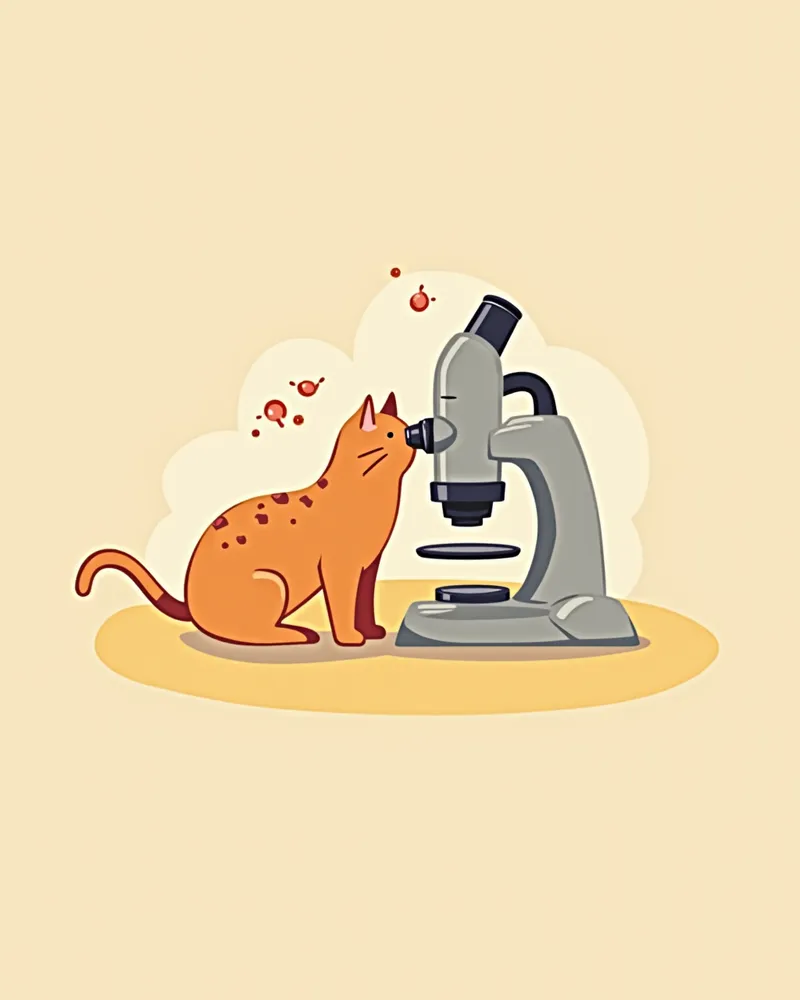
What Are the Treatment Options?

Management to Prevent Recurrence

Comparison Table of Giardia Medications
| Item | Duration of Effect | Main Side Effects | When to Use |
|---|---|---|---|
| Metronidazole | 5–7 days (every 12 hours) | Nausea, vomiting | Adult and young cats |
| Fenbendazole | 5 days (once a day) | Indigestion, diarrhea | Adult and young cats |
| Nitazoxanide | 5–28 days (every 12 hours) | Mild side effects | Adult and young cats |
Take according to the veterinarian's prescription. If side effects appear, visit the clinic immediately.
Reviewed by a veterinarian

Dr. Tony — Punnawat Phongkittirak
VeterinarianA veterinarian who majored in veterinary medicine at Khon Kaen University, Thailand, and completed the IVSA program at North Carolina State University in the United States. Drawing on clinical experience at animal hospitals, he works in the pet healthcare field and is dedicated to building a digital care environment that connects pet parents with veterinarians.
Reviewed 2026-06-29
Frequently Asked Questions
Can feline giardiasis be transmitted to humans?
Can giardiasis be completely cured?
How often should Giardia testing be performed?
Can I live with a cat that has giardia?
Can I feed my pet while it’s being treated for giardia?
Share
Related Guides

5 Flea and Tick Preventives for Cats Recommended by Veterinarians — Ingredient Safety Comparison

The Ultimate Guide to Differentiating Symptoms, Managing Internal Parasites in Dogs, and Choosing the Best Products

Best Practices and Selection Criteria for Dog Heartworm Antigen Testing

When Common Drugs and Toxins Damage a Cat’s Liver — Warning Signs of Liver Injury and When to Act

If Your Cat Has Jaundice — Key Q&A on the Causes and Treatment of Cholangiohepatitis

If Your Cat’s Belly Is Distended — Ascites and Liver Disease: Warning Signs You Must Not Miss

What is feline hepatic failure? — Emergency Q&A to not miss the golden time

What is urine specific gravity in dogs? — How to assess kidney function
Why Get a Kidney Ultrasound for Your Dog? — When to Test and What It Reveals

Should You Feed Prescription Renal Diets to Dogs? — Effects and Feeding Guidelines
References
[1] Plumb's Veterinary Drug Handbook, 9th Edition. 2022. Wiley-Blackwell.
[2] Feline Gastroenterology: A Practical Guide to Diagnosis and Management. 2021. Elsevier.
[3] American Association of Feline Practitioners (AAFP). Feline Parasite Control Guidelines. 2023.