Like
Share
멍실장
강아지 음식 자원 보호 행동 자주 묻는 질문 Q&A — 보호자가 꼭 알아야 할 핵심

My puppy growls while guarding his food bowl — is this normal?

Brain & CognitionQ&AMeongsiljang Veterinary Advisory Board

We’ve compiled a Q&A from a veterinary behaviorist’s perspective, explaining why dogs may growl or become aggressive around their food bowls and how owners can safely manage and correct this behavior.

What is food-resource guarding behavior in dogs?
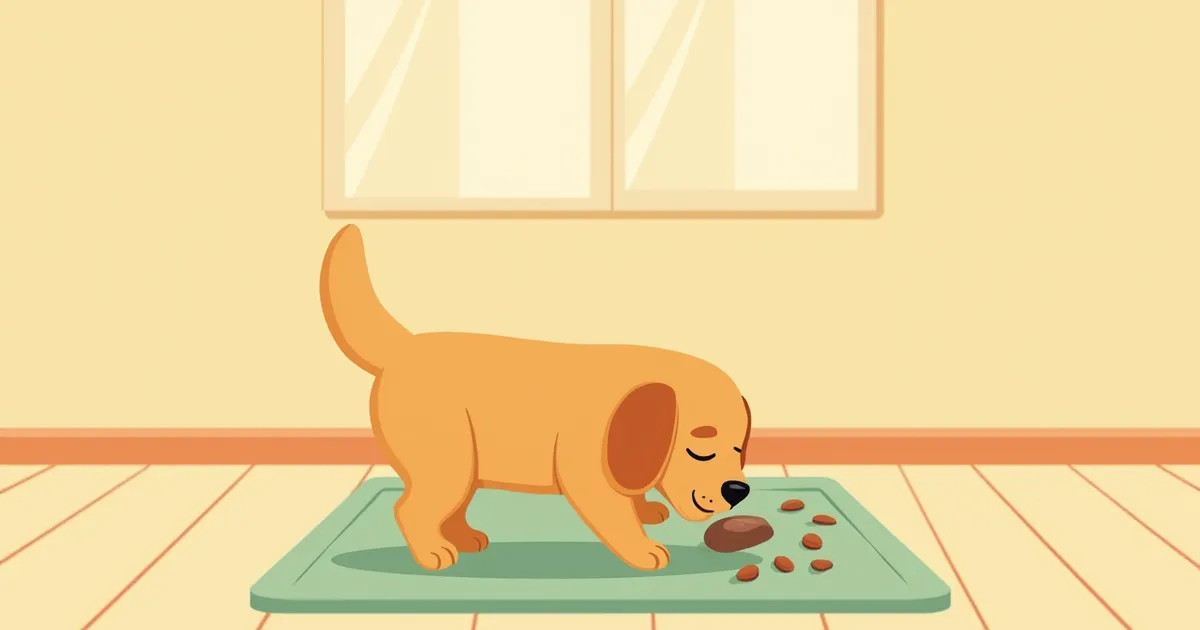
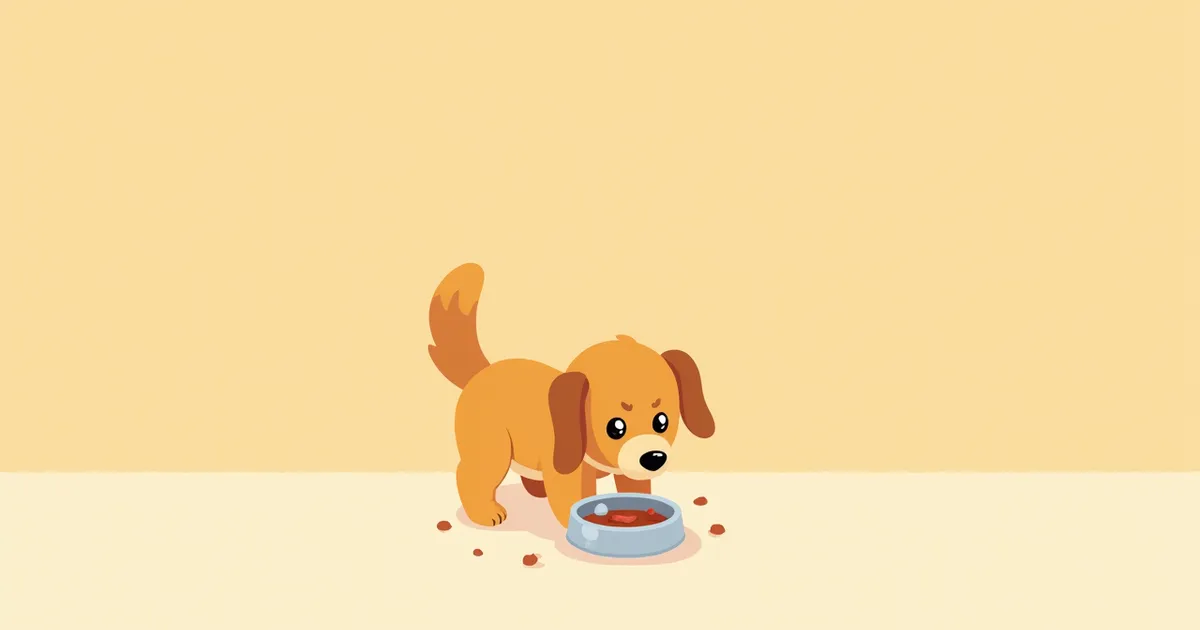
A dog taking a cautious stance in front of its food bowl
Food-resource guarding in dogs is a defensive response driven by the fear of having their food or treats taken away, often manifesting as growling or baring teeth. Veterinary behaviorists view signals such as growling, baring teeth, stiffening the body, and staring as expressions of resource guarding, explaining them not as abnormal "problems" but as behaviors that can occur normally. What truly matters is that interpreting this behavior as "defiance" and punishing it can actually increase aggression. Practices such as removing the bowl during meals, touching the bowl or the dog, or feeding kibble piece by piece from your hand can foster fear, anxiety, and frustration, potentially leading to food-related aggression. Additionally, please remember that resource guarding behavior that appears suddenly may stem from health issues such as gastrointestinal absorption or digestive disorders, so a veterinary checkup is essential before attempting behavioral modification.

Why does my dog growl while eating?

Resource-guarding behavior often stems from a combination of factors.
Past experiences: If a dog has repeatedly had its food bowl taken away or been touched while eating, it can develop fear, anxiety, or frustration, which may intensify the behavior.
Individual differences: The severity of resource guarding varies from dog to dog, and mild forms can be considered normal. Rather than attributing it to specific breeds, it’s important to observe your individual dog’s reactions.
Anxiety and environmental stress: Resource guarding may become more pronounced in multi-dog households with food competition, in unstable feeding environments, or during periods of stress or environmental change.
Health issues: Underlying medical conditions such as gastrointestinal absorption or digestive disorders, as well as pain or discomfort, can contribute to this behavior. If resource guarding appears, it’s best to first rule out medical causes with a veterinary checkup rather than assuming it’s purely behavioral.

Stages of resource-guarding intensity and management directions

ItemStage 1Stage 2Stage 3Stage 4
SignalsBody stiffens, glaring eyesLow growling soundBaring teethSnapping, actual biting
ResponseBegin behavior correctionCorrection + professional consultationProfessional intervention essentialSee a veterinary behaviorist immediately

Early intervention at stages 1–2 can improve most cases.

Behaviors owners must absolutely avoid
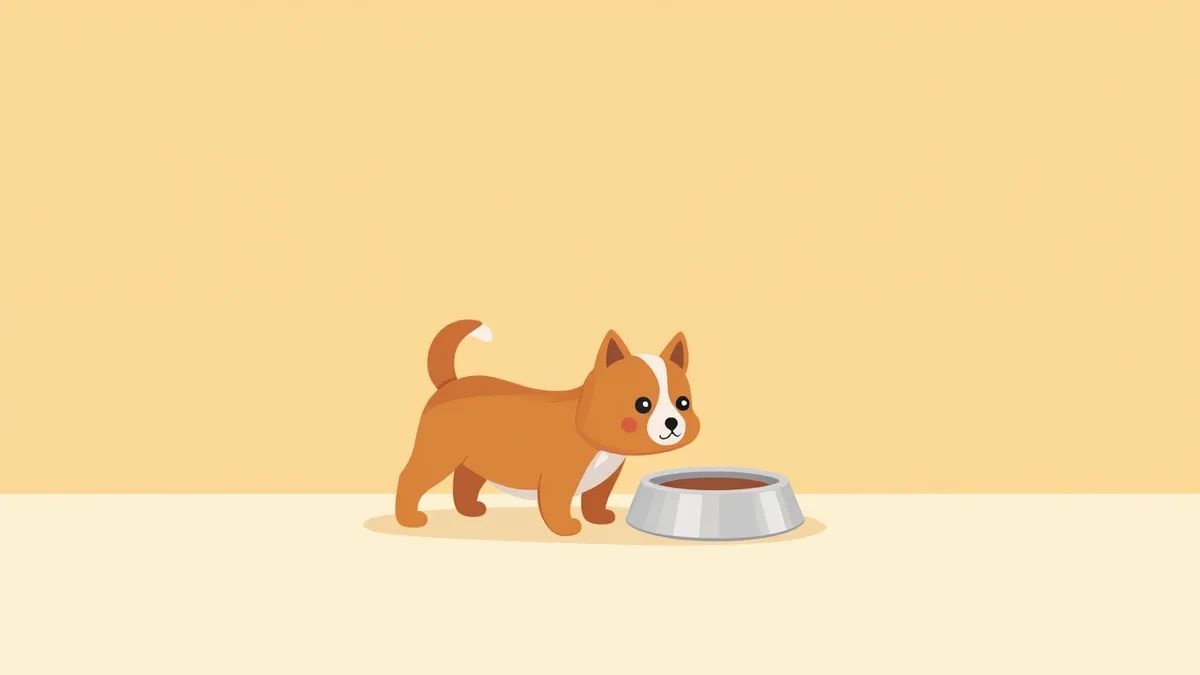
In veterinary behavior science, the following behaviors are known to worsen resource guarding.
Taking the bowl away during meals: Removing your dog’s food bowl while they are eating, even if they protest, can increase fear, anxiety, and frustration. This is a major cause that can actually reinforce resource guarding and aggression.
Touching the bowl or body, feeding by hand one piece at a time: Touching your dog or their bowl during meals, or feeding them kibble one piece at a time by hand, can also increase food-related aggression, so it’s best to avoid these practices.
Punishment or threats: Scolding, threatening, or physically restraining your dog when they growl can heighten their fear, which may lead to aggression. It’s safer to avoid creating any situations that could be perceived as threatening.
If your dog’s resource guarding has reached stage 3 or higher, it can be dangerous for the owner to attempt correction alone.
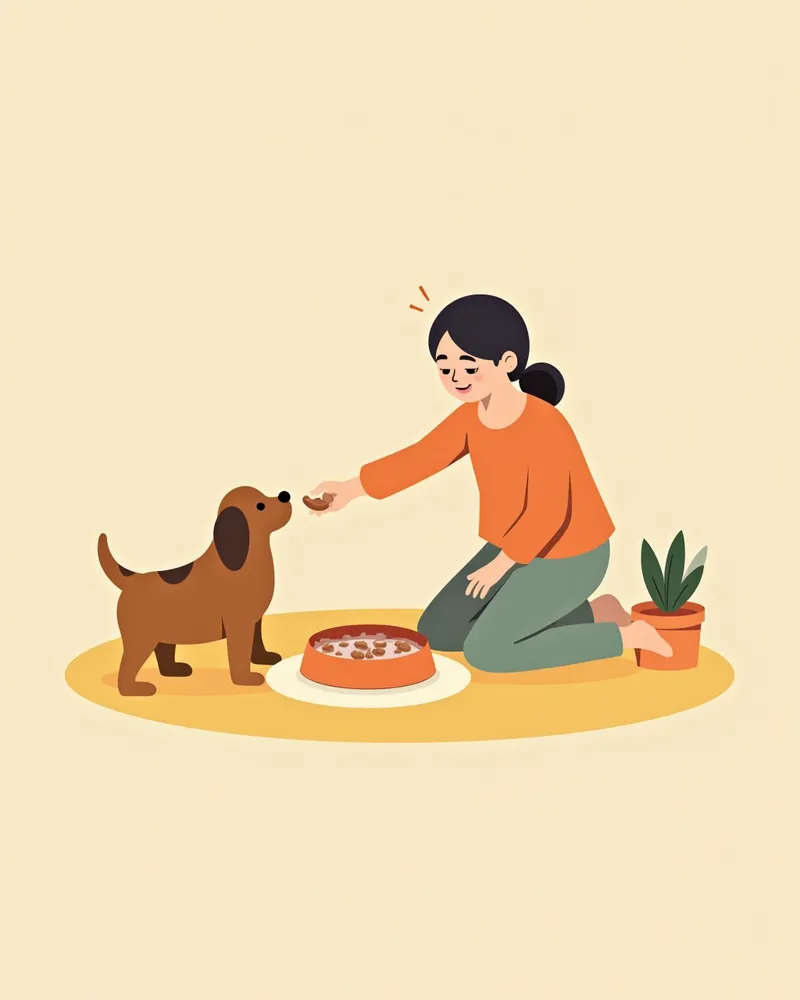
A dog owner using treat-based positive reinforcement training

Consult a professional immediately in these situations

If your dog has already bitten someone or is displaying stage 3 or higher behaviors in a household with children, do not attempt to correct the behavior on your own. Instead, consult a veterinary behaviorist immediately. If left unaddressed, the intensity of the aggression can escalate over time.

Three key methods for safe correction
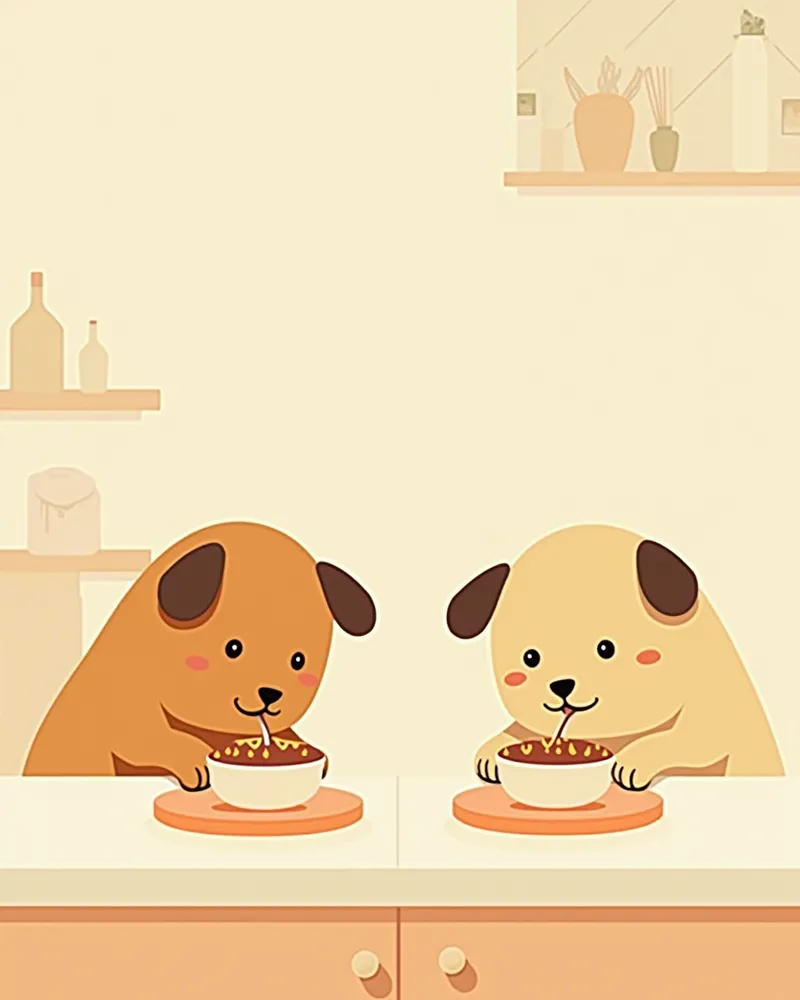
In veterinary behavior science, the recommended approach is to create an environment that minimizes conflict.
Separate feeding: In homes with multiple dogs, feeding each dog in a separate space can eliminate competition entirely. This is especially recommended for households with young children.
Trade training: Instead of taking the bowl away, teach your dog to voluntarily move aside by showing them a higher-value treat.
Remove bowls immediately after meals: Clearing away empty bowls right after your dog finishes eating reduces unnecessary resource-guarding situations.
Two dogs comfortably eating their meals in separate spaces.

Practice approaching while eating — gradual desensitization
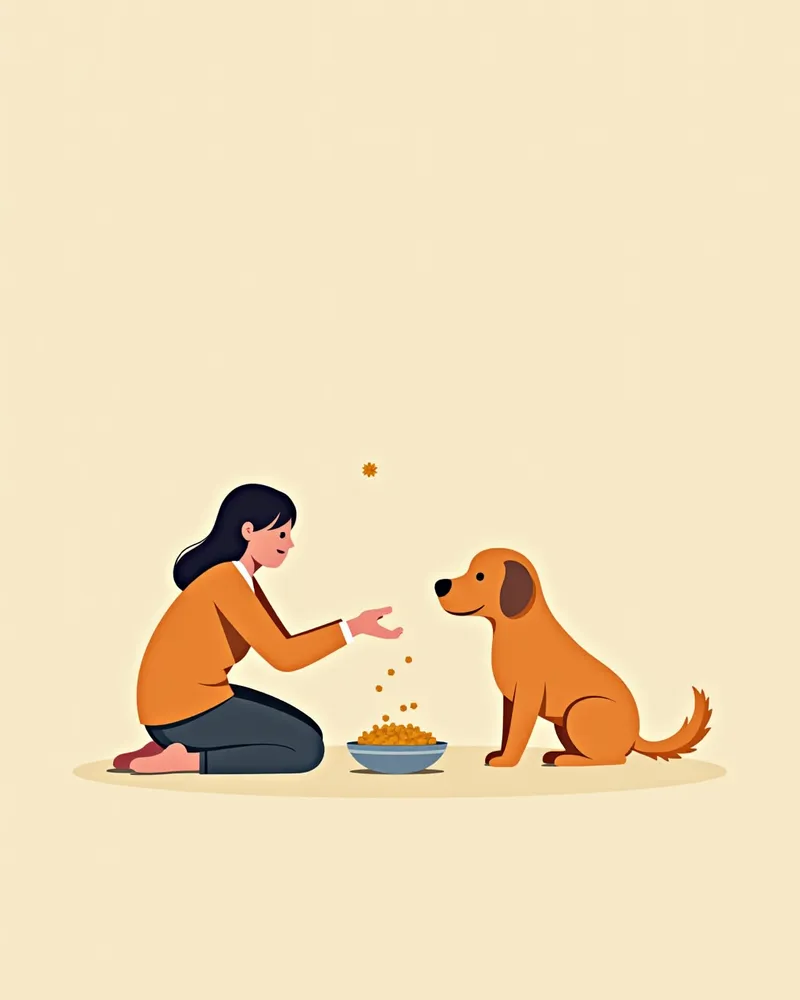
If your dog’s resource guarding is at stage 1 or 2, it can be improved through gradual desensitization training. 1. While your dog is eating, toss a tasty treat from a distance (associating your approach with something positive). 2. After repeating this for several days, gradually decrease the distance. 3. Once your dog is comfortable, practice placing a treat near the bowl and walking past. 4. Finally, progress to directly adding a treat into the bowl. Each step should be carried out slowly over several days to weeks. Only move on to the next step when your dog appears relaxed and comfortable.
A pet owner who gradually trains their dog by offering treats close by during mealtime.

Prevention is much easier during the puppy stage

The most effective way to prevent resource guarding is to closely monitor behavioral changes in puppies and intervene early. Veterinary behaviorists emphasize that identifying and addressing these changes early can stop the behavior from progressing, while prolonged neglect tends to worsen the issue and make it more difficult to correct. Focus on building positive associations by pairing the presence of people with rewarding experiences, such as tasty treats, at the right moments. However, avoid touching or taking away their food bowl during meals, as this can backfire. Don’t miss this critical window of opportunity.

Reviewed by a veterinarian

Dr. Tony — Punnawat Phongkittirak

Dr. Tony — Punnawat Phongkittirak

Veterinarian

A veterinarian who majored in veterinary medicine at Khon Kaen University, Thailand, and completed the IVSA program at North Carolina State University in the United States. Drawing on clinical experience at animal hospitals, he works in the pet healthcare field and is dedicated to building a digital care environment that connects pet parents with veterinarians.

Frequently Asked Questions

If my dog only growls when eating, could he also be guarding toys or his resting spot?
That’s understandable. Dogs with strong food-resource guarding tendencies often exhibit similar behavior around bones, toys, and even furniture like sofas. As you begin addressing food-related guarding, it’s a good idea to monitor their behavior around other valued resources as well.
Should you scold your dog when it growls?
Don’t scold your dog. Growling is actually a warning signal. If you punish it, your dog may learn to skip the warning and bite without any prior indication. When your dog growls, calmly give it space, and conduct training sessions at times other than mealtime.
How should I manage a household with multiple dogs?
Feeding your pets separately is the most effective approach. Eliminating competition for food is the most direct way to reduce resource guarding. Feed them in separate areas, and remove their bowls immediately after they finish eating.
Can a dog that has already bitten a person be corrected?
It is possible, but you will definitely need the help of a veterinary behavior specialist. If biting has already occurred, it can be dangerous for the owner to attempt training alone, and a structured behavior modification program under professional guidance is necessary.
Is the behavior of biting the bowl and carrying it somewhere while eating also considered resource guarding?
That’s right. Moving food to a safer location is also a form of resource guarding behavior. It can occur when the eating environment feels stressful or when other people or dogs are nearby. Providing a quiet, secure space for meals can help reduce this behavior.

Share

Related Guides

References

[1] Herron ME, Shofer FS, Reisner IR. Survey of the use and outcome of confrontational and non-confrontational training methods in client-owned dogs showing undesired behaviors. Applied Animal Behaviour Science, 2009

[2] Veterinary Guide to Preventing Behavior Problems in Dogs and Cats — Chapter: Feeding in Households with Children (Bergman L, Gaskins L, 2008)

[3] Introduction to Animal Behavior and Veterinary Behavioral Medicine — Chapter 5: Resource Guarding and Meal Feeding Protocols

This information is based on veterinary literature and does not replace diagnosis or treatment. Please consult a veterinarian for specific health concerns.

Metapet Co., Ltd. | CEO: Park Sung-yong | Business Reg. No. 417-88-02562 | Seoul, South Korea | Customer Center

Is It Normal for Dogs to Growl Over Their Food Bowl? | Meongsiljang