Like
Share
멍실장
강아지 CKD 진행 속도 모니터링 자주 묻는 질문 Q&A — 보호자가 꼭 알아야 할 핵심

Will My Dog’s Kidney Disease Get Worse? — CKD Progression Monitoring Indicators and Testing Timing

KidneyQ&AMeongsiljang Veterinary Advisory Board

We’ve compiled essential information for pet owners on how to regularly monitor the progression of chronic kidney disease (CKD) in dogs and why it’s so important.

Why Is Monitoring CKD Progression in Dogs Important?
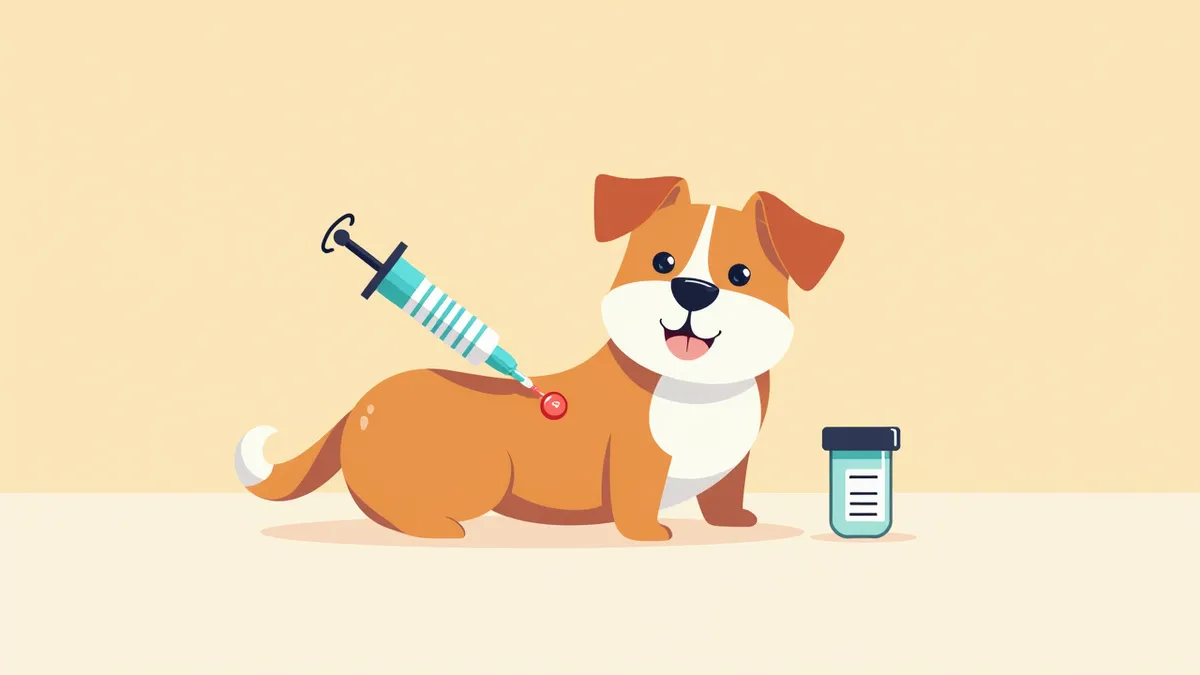
A veterinarian draws blood from a puppy's vein, with "kidney function" labeled on the test syringe and tube.
Regularly monitoring the progression of chronic kidney disease (CKD) in dogs helps detect changes early and enables timely, appropriate interventions. Because kidney function declines gradually, it’s easy for pet owners to miss subtle signs. Through routine veterinary check-ups, precise tracking of kidney function allows for adjustments to the treatment plan and prevention of complications. Early detection significantly improves treatment outcomes and can greatly extend your dog’s lifespan. This process is essential to maintaining your dog’s quality of life.

What Are the Key Tests to Assess CKD Progression?

To accurately assess the progression of chronic kidney disease (CKD) in dogs, regular blood and urine tests are essential. - Creatinine levels: A key indicator of kidney filtration function; higher levels signal declining kidney function. - SDMA levels: A more sensitive marker than creatinine, capable of detecting kidney damage earlier, which aids in early diagnosis. - Proteinuria: The presence of protein in urine suggests ongoing kidney damage. - Urine concentration: Reduced kidney concentrating ability leads to dilute urine, an important sign of CKD progression. By comprehensively analyzing these four indicators, we can accurately evaluate the rate of disease progression.
A scene showing a urine test strip being dipped into a sample, with proteinuria and specific gravity values displayed on a digital screen.

How Should Regular Testing Intervals Be Set?
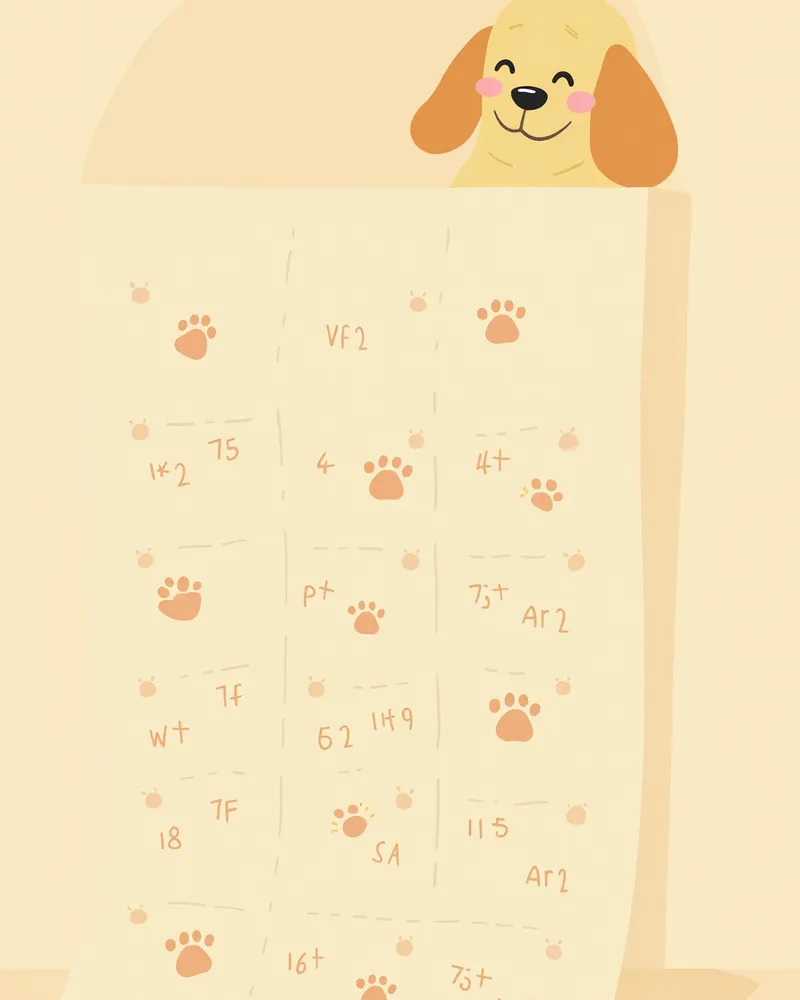
For dogs with chronic kidney disease (CKD), we recommend monitoring the progression of the condition with tests every 1 to 3 months in the early stages. Once the disease stabilizes, it is common to maintain a testing schedule every 3 to 6 months. If symptoms worsen or the treatment plan changes, the testing interval may be shortened. Pet owners should work with their veterinarian to establish a personalized testing schedule and visit the clinic regularly. Adhering to this schedule is key to successful treatment.
A monthly calendar featuring your puppy’s paw prints, with vet visit dates clearly marked.

Comparison of Testing Intervals and Key Indicators by CKD Stage

ItemTesting IntervalMain IndicatorsPrecautions
Stage 1 (Early)1–3 monthsSDMA, creatinine, proteinuriaRegular follow-up essential
Stages 2–3 (Moderate)3–6 monthsSDMA, creatinine, urine concentrationDietary adjustment needed
Stage 4 (Severe)1–2 monthsSDMA, creatinine, electrolytesConsider fluid therapy

Stages are evaluated by the veterinarian as Stages 1–4 based on International Renal Interest Society (IRIS) criteria. Since there are individual differences, regular testing is important.

What Signs Can Owners Observe at Home?

To monitor the progression of chronic kidney disease (CKD) in dogs, daily observation by pet owners is essential. - Increased water intake: A sudden increase in water consumption may indicate that the kidneys are no longer regulating fluid balance properly. - Changes in urination frequency: Frequent urination or an overall increase in bathroom trips should be closely monitored. - Decreased appetite: A lack of interest in food or a sudden drop in food intake can signal worsening kidney function. - Reduced activity level: Increased lethargy or disinterest in play compared to usual behavior is a significant change to watch for. - Abnormal breathing or vomiting: Foul-smelling breath or repeated vomiting requires immediate veterinary attention.
A scene of a puppy drinking water, with a notebook recording water intake and appetite next to it.

Signs Requiring Immediate Veterinary Visit

If your dog suddenly loses its appetite, experiences repeated vomiting or diarrhea, or collapses as if in shock, seek veterinary care immediately. These signs may indicate a rapid decline in kidney function or an electrolyte imbalance. In particular, going more than 24 hours without food or water can be life-threatening, so never ignore these symptoms.

How to Slow the Progression of CKD

To slow the progression of chronic kidney disease (CKD) in dogs, comprehensive management is essential. - Prescription diet: Consistently feed a CKD-specific diet recommended by your veterinarian to control protein and phosphorus intake. - Hydration: Prevent dehydration by providing frequent access to fresh water or using moisture-rich foods. - Activity management: Avoid excessive exercise and provide a calm, stable environment to minimize stress. - Regular check-ups: Monitor disease progression and adjust the treatment plan through examinations every 1 to 3 months. Consistently following these management strategies can significantly slow the progression of the disease.
A scene showing a veterinarian-recommended special diet and a water bowl placed side by side.

Caution: Incorrect Dietary Management Can Worsen the Condition

Never create a homemade diet for your dog. Unregulated adjustments to protein or phosphorus intake can place excessive strain on the kidneys. Always strictly follow the prescription diet and feeding amounts recommended by your veterinarian, and avoid mixing in other foods or treats. Improper management can accelerate the progression of the disease.

Reviewed by a veterinarian

Dr. Tony — Punnawat Phongkittirak

Dr. Tony — Punnawat Phongkittirak

Veterinarian

A veterinarian who majored in veterinary medicine at Khon Kaen University, Thailand, and completed the IVSA program at North Carolina State University in the United States. Drawing on clinical experience at animal hospitals, he works in the pet healthcare field and is dedicated to building a digital care environment that connects pet parents with veterinarians.

Frequently Asked Questions

How often should I monitor the progression of chronic kidney disease (CKD)?
We recommend check-ups every 1 to 3 months in the early stage, every 3 to 6 months in the moderate stage, and every 1 to 2 months in the severe stage. Please consult with your veterinarian to establish a personalized schedule.
What’s the difference between SDMA and creatinine?
Both markers are used to assess kidney function, and the IRIS staging system is based on repeated measurements of creatinine and SDMA. When interpreting SDMA trends, it’s important to consider the critical difference (approximately 20%), and evaluating both markers together provides the most accurate assessment.
How can you keep track of your dog’s condition at home?
Please keep a daily log of your pet’s water intake, bowel movement frequency, appetite changes, and activity level. Bringing this record to your vet visit will be very helpful.
Can pets still have a long lifespan even as chronic kidney disease progresses?
Life expectancy varies significantly depending on the stage of chronic kidney disease (CKD) and how quickly it progresses. In general, the median survival time for stages 2 and 3 is approximately 11 to 15 months, while stage 4 is typically shorter. However, early detection combined with consistent, stage-appropriate dietary and fluid management, along with regular monitoring, can help maintain a stable quality of life.
Can I give my pet other supplements in addition to the special diet?
Giving your pet supplements without a veterinarian’s guidance can be risky. Always consult a professional before use.

Share

Related Guides

References

[1] Plumb's Veterinary Drug Handbook, 9th Edition, 2022

[2] Notes on Canine Internal Medicine, 4th Edition, 2021

[3] Urinalysis in the Dog and Cat, 2020

This information is based on veterinary literature and does not replace diagnosis or treatment. Please consult a veterinarian for specific health concerns.

Metapet Co., Ltd. | CEO: Park Sung-yong | Business Reg. No. 417-88-02562 | Seoul, South Korea | Customer Center

Will My Dog's CKD Get Worse? Monitoring Indicators & Testing | Meongsiljang