

What Is Feline Soft Tissue Sarcoma? — Essential Q&A for Pet Owners from Diagnosis to Treatment
Feline soft tissue sarcomas are uncommon but challenging-to-treat malignant tumors. Here’s a summary of the key information pet owners should know.
What Is Feline Soft Tissue Sarcoma?
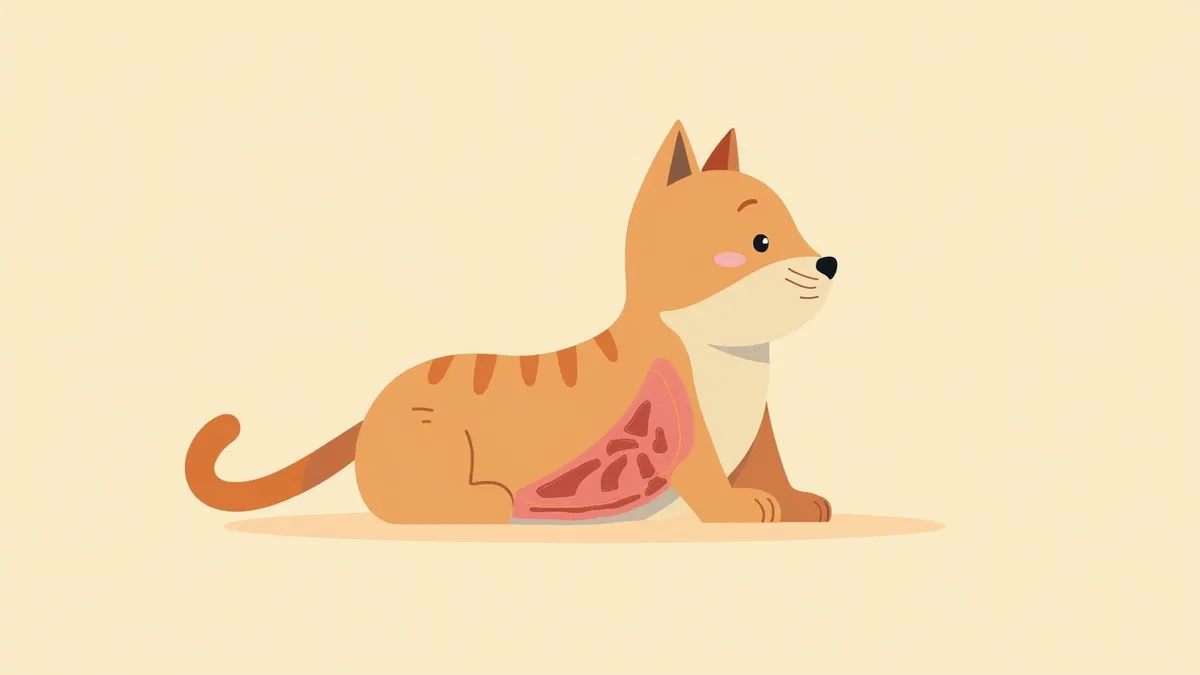
Why Is Feline Soft Tissue Sarcoma Dangerous?

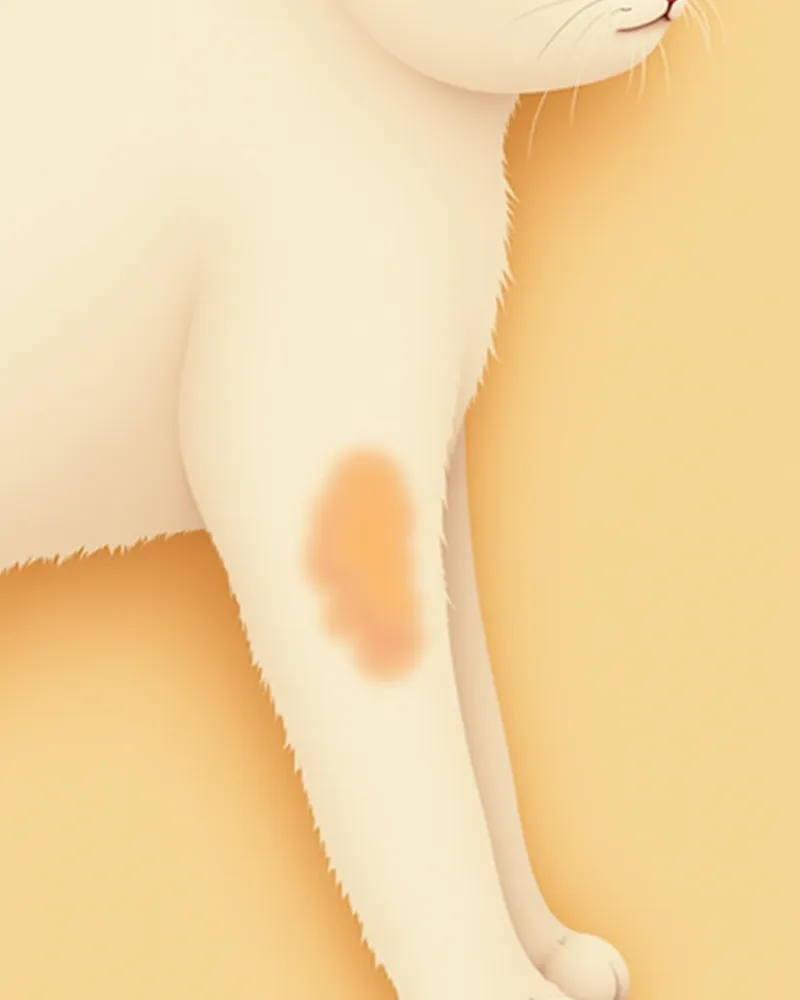
What Symptoms Appear?
How Is Diagnosis Performed?
Comparison of Treatment Methods: Surgery, Radiation, and Chemotherapy
| Item | Surgery | Radiation Therapy | Chemotherapy |
|---|---|---|---|
| Scope of Application | When complete removal with wide surgical margins is possible | When complete resection is difficult, margins are insufficient, or recurrence occurs | When malignancy is high or the risk of metastasis is high |
| Effectiveness | Best outcome when completely resected with wide margins | When used adjunctively after resection, helps suppress local recurrence | Considered adjunctively for high-grade tumors, but efficacy is not yet clearly established |
| Side Effects | Surgical site infection, pain | Dermatitis, fatigue | Reduced appetite, blood abnormalities |
Treatment is determined by the tumor's size, location, and malignancy (grade); surgery with wide margins is the standard, with radiation or chemotherapy added as needed.
How to Manage Care After Treatment?
Signs Requiring Immediate Veterinary Attention
If the tumor grows rapidly, or if the skin becomes red, swollen, and painful, immediate veterinary attention is necessary. Additionally, if your cat loses its appetite or shows a sudden decrease in activity levels, there is a high possibility of malignant metastasis. In such cases, consult your veterinarian right away.
Important Note: Do Not Self-Diagnose
Just because you find a lump on your cat’s skin doesn’t mean it’s cancer. However, you can’t tell whether a lump is benign or malignant just by looking at it or feeling it. An accurate diagnosis requires tests such as fine-needle aspiration cytology or a tissue biopsy. Starting treatment without a proper diagnosis can actually worsen the condition. Never attempt to medicate or remove the lump on your own.
Reviewed by a veterinarian

Dr. Tony — Punnawat Phongkittirak
VeterinarianA veterinarian who majored in veterinary medicine at Khon Kaen University, Thailand, and completed the IVSA program at North Carolina State University in the United States. Drawing on clinical experience at animal hospitals, he works in the pet healthcare field and is dedicated to building a digital care environment that connects pet parents with veterinarians.
Reviewed 2026-06-07
Frequently Asked Questions
Is there a genetic component to feline soft tissue sarcoma?
How often does the condition recur after surgery?
Is chemotherapy always necessary?
Are soft tissue sarcomas common in cats?
Can it be prevented?
Share
Related Guides

Comprehensive Guide to Recommended Hospice Care and Quality of Life Management for Cats with Tumors

7 Factors Determining Prognosis and Life Expectancy in Dogs with Tumors, According to Veterinarians
7 Key Management Points for Canine Transitional Cell Carcinoma (Bladder Cancer) Recommended by Veterinarians — From Symptoms to Care

Is That Skin Lump on Your Cat a Mast Cell Tumor? — A Complete Guide from Symptoms to Treatment

Frequently Asked Questions About Feline Mast Cell Tumor Grading and Treatment — Key Information Every Pet Owner Should Know

Soft Lumps: Benign or Malignant? — Key Q&A on Feline Lipomas and Liposarcomas

Why You Shouldn’t Ignore Lumps at Vaccination Sites — Feline Injection-Site Sarcoma Q&A

My cat is vomiting and not eating after chemotherapy — is this normal?

What is feline chemotherapy? — What is the sequence and schedule?

If Your Cat Has Been Diagnosed with Cancer — Nutritional Management Q&A from Diet to Supplements
References
[1] Fossum TW, et al. (2020) Small Animal Surgical Oncology. 2nd ed. Elsevier, pp. 345-360.
[2] Lloyd WH, et al. (2018) Feline Soft Tissue Sarcomas: A Retrospective Study of 127 Cases. Journal of Feline Medicine and Surgery, 20(4), 321-330.
[3] American Veterinary Medical Association (AVMA). (2021) Guidelines for the Management of Feline Soft Tissue Sarcomas. AVMA Publications.