
Like
Share
멍실장
고양이 단백뇨 관리·UPC비 자주 묻는 질문 Q&A — 보호자가 꼭 알아야 할 핵심

Complete Guide to Feline Proteinuria and UPC Ratio — From Interpreting Values to Timing Kidney Care

KidneyQ&AMeongsiljang Veterinary Advisory Board

Proteinuria in cats can be a sign of kidney dysfunction. The UPC ratio is a key indicator for assessing this condition. We’ve compiled essential questions and answers that pet owners should know.

What Are Proteinuria and the UPC Ratio in Cats?

Proteinuria in cats refers to the presence of an abnormally high amount of protein in the urine. However, the presence of proteinuria does not necessarily mean that the kidney’s filtration function is impaired. Protein can leak from areas before it reaches the kidneys (such as in cases of systemic inflammation or fever), from the glomeruli or tubules within the kidneys, or from the lower urinary tract below the kidneys. The UPC ratio (urine protein-to-creatinine ratio) is a key indicator for assessing the severity of proteinuria, with a normal value for cats being less than 0.2. However, external factors such as stress or contamination of blood or urine samples can cause temporary increases, so it should be interpreted alongside a urinalysis (sediment examination). Therefore, veterinarians often repeat urine and blood tests to confirm whether proteinuria is truly persistent. Early detection and ongoing monitoring are essential.
A photo of a cat urine sample in a test tube

What Are the Main Causes of Proteinuria?

The causes of proteinuria in cats depend on where the protein is leaking from. - Pre-renal (systemic) causes: Fever, systemic inflammation, or temporary stress can increase protein in the urine. - Renal (kidney) causes: Proteinuria occurs due to glomerular disease or damage to the tubules and interstitium. However, glomerular disease is less common in cats than in dogs. - Post-renal (urinary tract) causes: Protein and blood can mix into the urine from the lower urinary tract below the kidneys. Persistent proteinuria, such as that caused by immune complex-mediated glomerular disease or chronic kidney disease, requires detailed testing. Some cases are transient proteinuria due to stress or sample contamination. Multiple tests are performed concurrently to accurately identify the cause.
A veterinarian examining a cat’s urine under a microscope

How to Respond When the UPC Ratio Is High?
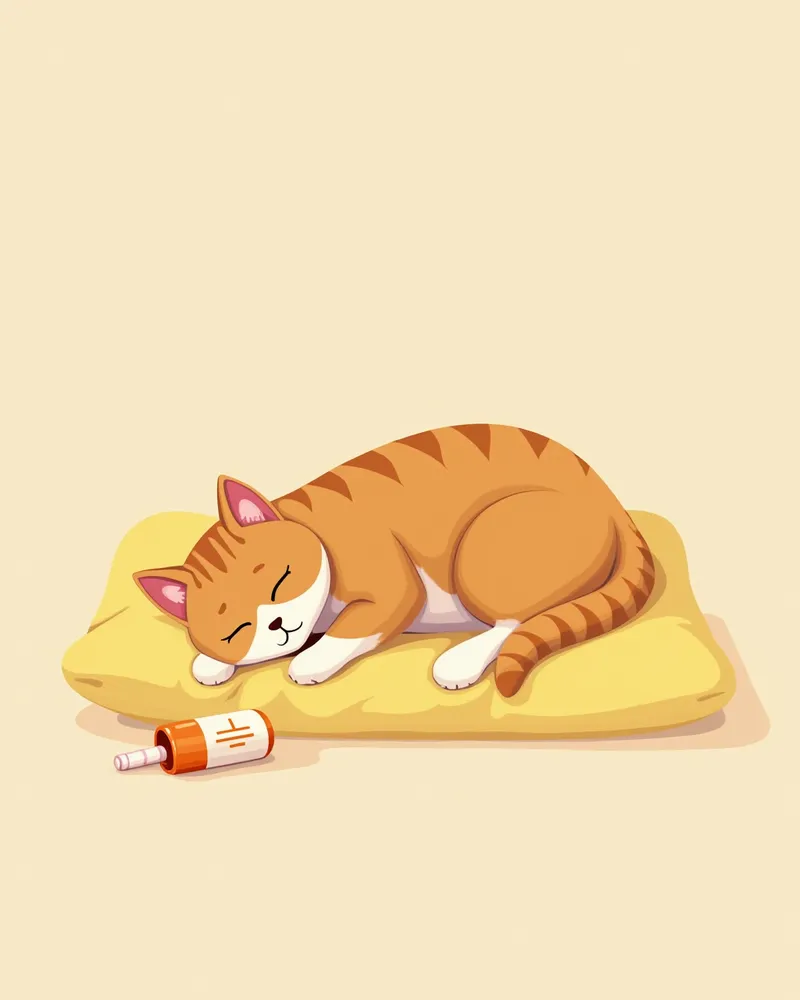
If the UPC ratio is high, consult your veterinarian right away. - Identify the cause: Additional tests and a urine sediment analysis help distinguish between pre-renal, renal, and post-renal causes, and determine whether proteinuria is persistent. - Treatment approach: If renal (kidney) proteinuria is confirmed, consider therapies to reduce proteinuria, along with antithrombotic treatment, omega-3 fatty acid supplementation, and a low-protein diet. If hypertension is present, manage blood pressure accordingly. - If the cause is temporary: If stress or sample contamination is suspected, learn the correct collection method and retest. - Ongoing monitoring: Regularly check weight, blood pressure, blood work, urinalysis, and the UPC ratio to adjust treatment as needed.
A photo of a cat lying comfortably with medicine nearby.

Condition and Response Strategies by UPC Ratio Value

ItemMeaningWhether additional testing is neededManagement measures
Below 0.2Normal (non-proteinuria)NoMaintain routine care
0.2–0.4Borderline proteinuriaYesPerform a urine sediment test alongside, retest in 2 weeks to 2 months to confirm persistence
0.4–2.0ProteinuriaYesEvaluate kidney function and retest in 2–4 weeks, start treatment according to the cause
Above 2.0Severe proteinuriaYesEstablish a specialist care and treatment plan immediately without confirming persistence

The UPC ratio can temporarily rise due to stress/fever, blood (hematuria)/urine contamination, or systemic inflammation. Since even invisible blood can raise the UPC ratio, interpret it together with a urine sediment test, and confirm whether the proteinuria persists through retesting.

Why Are Regular Testing and Management Important?

Proteinuria in cats often shows few or no symptoms in its early stages. However, as kidney function gradually declines, it can eventually lead to serious complications. - Early detection: Regular urine tests, blood work, and urinalysis can help identify proteinuria at an early stage. - Evaluating treatment effectiveness: Continuously monitoring the UPC ratio along with weight, blood pressure, and blood tests helps determine whether treatment is effective. - Medication and dietary adjustments: Based on test results, medication dosages and diet can be promptly adjusted. - Prognosis management: The prognosis varies depending on the underlying cause and the state of kidney function (such as blood creatinine and albumin levels), but early detection and consistent care can help protect kidney function.
A calendar with a schedule for kidney health checkups and a photo of a cat's paw prints

Signs That Require Immediate Veterinary Visit

If your cat shows loss of appetite, vomiting, nausea, drooling, diarrhea, weight loss, lethargy, dehydration, or decreased urine output, seek veterinary care immediately. These signs may indicate declining kidney function, such as uremia. Prompt treatment is especially critical if there is severe proteinuria with a urine protein-to-creatinine ratio exceeding 2, or if symptoms worsen.

Management Tips for Pet Owners
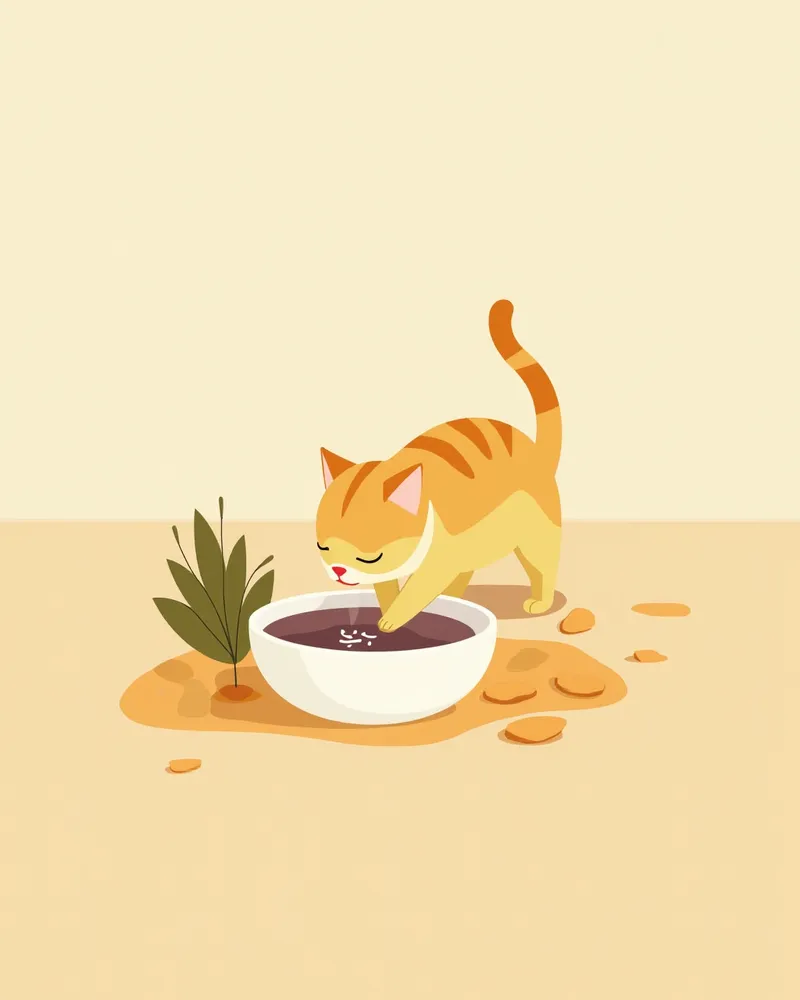
- Encourage water intake: Place multiple water bowls around the home and consider using a flowing water fountain. - Dietary management: Feed a low-protein, low-phosphorus diet as recommended by your veterinarian. - Reduce stress: Maintain a quiet environment, keep a consistent routine, and provide a secure, stable space. - Regular check-ups: Follow your veterinarian’s advice for regular urine and blood tests. Note that fasting samples yield more accurate UPC (urine protein-to-creatinine) ratios. - Medication management: Administer prescribed medications at the exact times and dosages specified. - Monitor and record symptoms: Keep a log of urine output, appetite, and activity levels to share with your veterinarian.
A photo of a cat drinking from a water fountain with a water bowl next to it.

Reviewed by a veterinarian

Dr. Tony — Punnawat Phongkittirak

Dr. Tony — Punnawat Phongkittirak

Veterinarian

A veterinarian who majored in veterinary medicine at Khon Kaen University, Thailand, and completed the IVSA program at North Carolina State University in the United States. Drawing on clinical experience at animal hospitals, he works in the pet healthcare field and is dedicated to building a digital care environment that connects pet parents with veterinarians.

Frequently Asked Questions

Is there a problem if the UPC ratio is 0.3?
A value of 0.3 in cats is above the normal range (less than 0.2) and falls into the borderline category. To identify the cause, we recommend a urine sediment examination and additional tests. Stress or contamination of blood or urine samples may be contributing factors, so we advise retesting in two weeks to two months to confirm whether the finding persists.
Can proteinuria be treated?
Once the cause is clear, we can determine the treatment approach. In cases of chronic kidney disease, we can help reduce protein in the urine and slow the progression of the disease, but a complete cure is difficult, and ongoing management is necessary.
Can proteinuria be reduced through diet alone?
Dietary management is a key component of care. A low-protein diet can help reduce the burden on the kidneys, but depending on the underlying cause, additional treatments such as antiproteinuric medications or anticoagulant therapy may also be necessary.
Does proteinuria shorten a cat’s lifespan?
The degree of kidney function decline (such as blood creatinine and albumin levels) has a greater impact on prognosis than proteinuria itself. While the prognosis varies depending on the cause, early detection, consistent management, and regular check-ups are key.
When is the best time to perform a UPC test?
Regular testing is recommended for senior cats, those with a family history of hereditary kidney disease, or if abnormalities are detected in a urinalysis. The UPC ratio is more accurate when measured using a fasting sample, and the test should be performed under the guidance of your veterinarian.

Share

Related Guides

References

[1] Sparkes AH, Caney S, Chalhoub S, et al. ISFM consensus guidelines on the diagnosis and management of feline chronic kidney disease. J Fel Med Surg. 18(3):219–239, 2016.

[2] Littman MP. Protein-losing nephropathy in small animals. Vet Clin North Am Small Anim Pract. 41(1):31–62, 2011.

[3] Feline Emergency and Critical Care Medicine, 2nd Ed. Normal feline UPC values are <0.2. Inflammation and blood contamination can increase urine protein content.

This information is based on veterinary literature and does not replace diagnosis or treatment. Please consult a veterinarian for specific health concerns.

Metapet Co., Ltd. | CEO: Park Sung-yong | Business Reg. No. 417-88-02562 | Seoul, South Korea | Customer Center

Feline Proteinuria & UPC Ratio: Reading Values to Kidney Care | Meongsiljang