
How to Check Your Dog’s Paws at Home — Warning Signs and What to Do
Checking your pet’s paws and paw pads once a week at home can help detect joint issues, injuries, and infections early. Here’s a simple 5-step self-check method using touch and sight.
What Is a Home Paw Check?
Why Is a Weekly Home Paw Check Necessary?
5 Areas to Check at Home
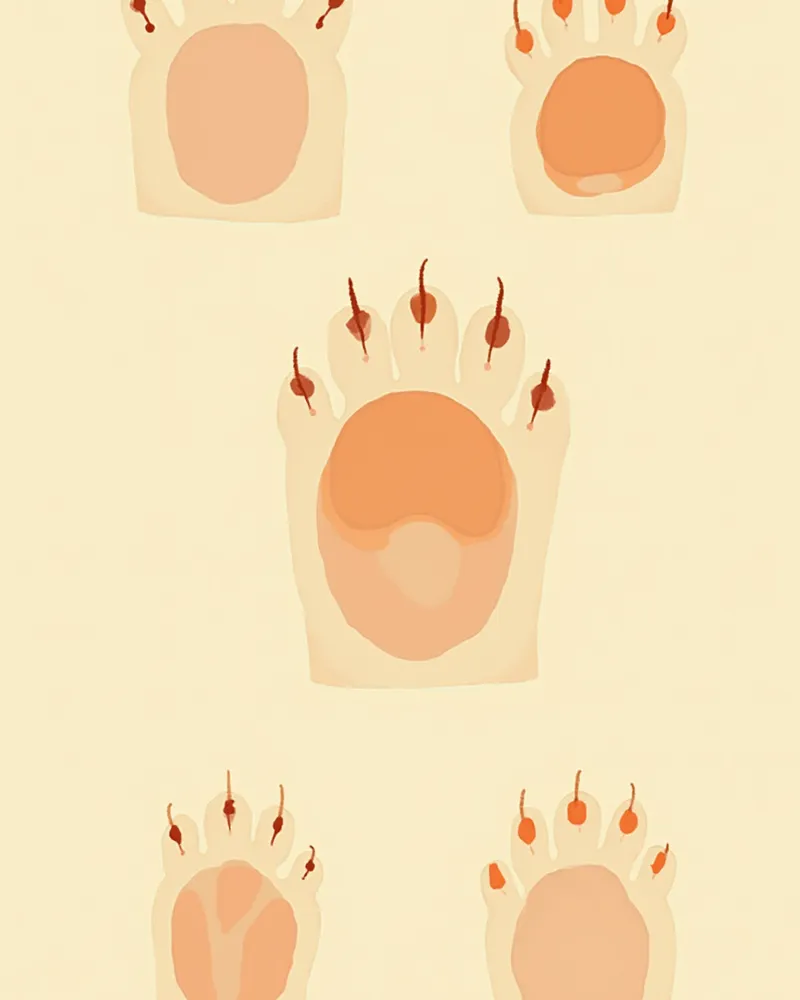
Normal vs. Abnormal Signs Comparison Chart
| Item | Normal | Watch closely | See vet immediately |
|---|---|---|---|
| Paw pad texture | Springy and moist | Slightly rough or cracked | Bleeding or deeply cracked |
| Color between the toes | Pale flesh tone/pink | Slightly reddened | Deep red/dark reddish-black |
| Odor | Almost none | Slightly sour smell | Strong foul/moldy odor |
| Reaction when touched | Comfortable | Flinches or pulls away | Yelping/aggression |
| Hair between the toes | Dry and tidy | Damp or matted | Discharge/pus |
If the watch-closely stage lasts 3 or more days, a vet visit is recommended.
Checkpoints When Feeling the Paw Pads by Hand
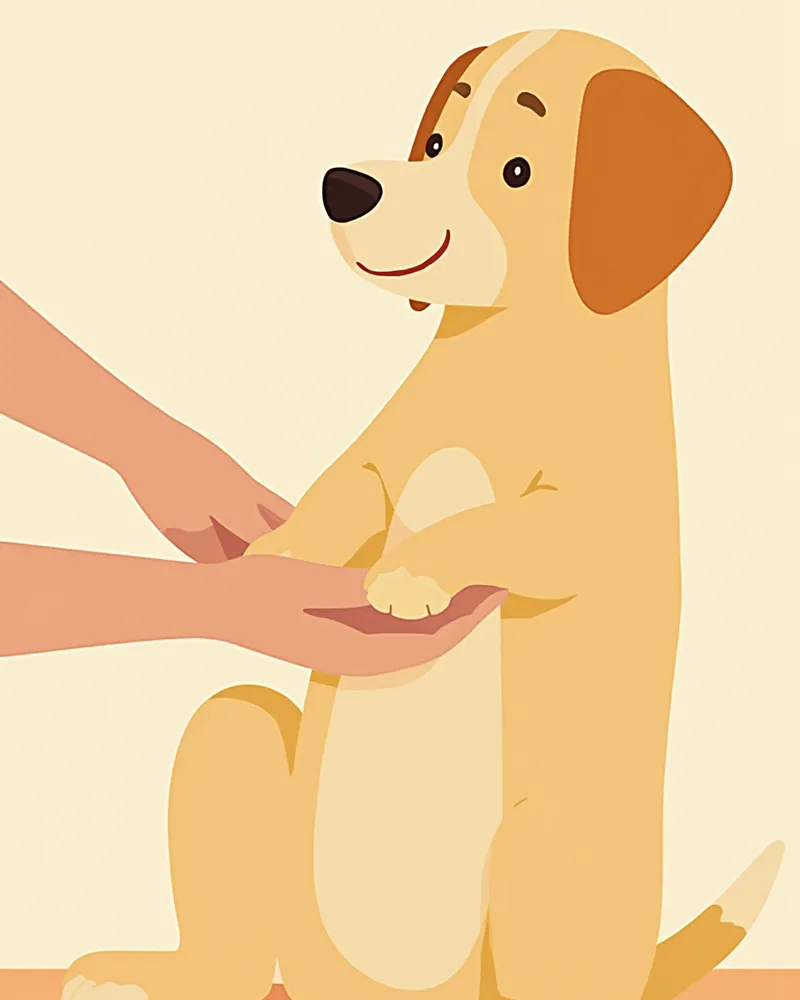
Go to the Vet Immediately for These Signs
If you notice any of the following signs during a routine paw check, do not attempt home care and take your pet to a veterinarian immediately: pus or discharge between the toes, bleeding that won’t stop, a nail broken off to the quick, or the paw pad peeling away like a burn to expose raw tissue. Also seek immediate care if your pet yelps in pain or reacts aggressively when touched. In particular, if limping persists for more than 24 hours, your pet should be evaluated for possible joint injury.
Basic Care After a Home Paw Check

Check More Frequently for Senior Dogs and Those with Arthritis
Senior dogs and those with arthritis, as well as dogs with orthopedic conditions such as patellar luxation or hip dysplasia, often experience uneven weight distribution, which can cause the pads on certain paws to become unusually thick or cracked. This abnormal weight-bearing pattern is linked to these orthopedic issues and may result in uneven wear on the paw pads. For these dogs, we recommend checking their paws two to three times a week. If you notice even subtle changes in their gait, the issue may not be limited to the paws but could indicate joint problems; therefore, also check for stiffness or reduced range of motion in the ankles. If joint care is needed, please also refer to our Patellar Luxation Management Guide.
Reviewed by a veterinarian

Dr. Tony — Punnawat Phongkittirak
VeterinarianA veterinarian who majored in veterinary medicine at Khon Kaen University, Thailand, and completed the IVSA program at North Carolina State University in the United States. Drawing on clinical experience at animal hospitals, he works in the pet healthcare field and is dedicated to building a digital care environment that connects pet parents with veterinarians.
Reviewed 2026-04-29
Frequently Asked Questions
How often should you check your pet’s paws at home?
My pet’s paw pads feel rough. Is that normal?
If your pet keeps licking between its toes, will a simple check-up be enough to resolve the issue?
Do cats need their paws checked too?
What is the appropriate length for a pet's nails?
Share
Related Guides
Top 5 Patellar Support Braces for Dogs — Stage-by-Stage Size Guide
Curcumin Efficacy and Anti-inflammatory/Joint Support

Top 5 Recommended Joint Supplements for Dogs in 2026

Why Do Dogs Get Car Sickness? — Causes, Prevention, and Relief Explained
Is This Signal Okay During Puppy Birth? — Emergency Management of Dystocia and Timing for Cesarean Section
Medications and Methods for Postoperative Pain Management in Dogs and Cats

How to Read Urinalysis Results — A Complete Guide to Hematuria, Proteinuria, and Crystals

Calico Cat Genetics and Characteristics — Why Are They Almost Always Female?

Emergency Response for Pet Poisoning
Basic Guide to Pet First Aid — CPR, Choking, and Bleeding Response
References
[1] BSAVA Manual of Canine and Feline Dermatology, 4th Edition - Chapter: Nail and Paw Disorders
[2] Clinical Medicine of the Dog and Cat, 4th Edition - Dermatologic Examination
[3] Miller WH, Griffin CE, Campbell KL. Muller and Kirk's Small Animal Dermatology, 7th Edition