Like
Share
멍실장
강아지가 잠자리 빙빙 도는 이유

Why Dogs Circle Before Lying Down

ImmunityQ&AMeongsiljang Veterinary Advisory Board

Dogs circling before settling down is an instinct inherited from their wild ancestors. However, if your dog circles excessively or appears anxious, it could be a sign of pain or cognitive issues.

What Is Circling Before Lying Down?
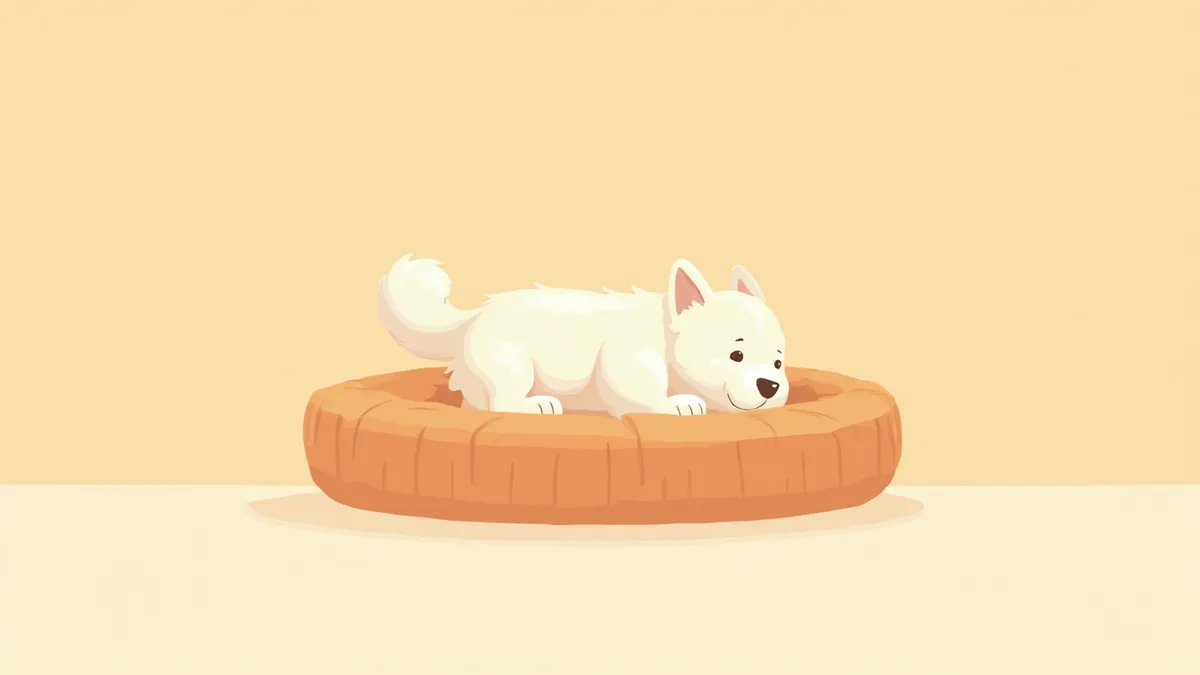
A puppy spinning in circles on its bed before settling down
Spinning in circles before lying down is a common behavior in dogs. If your dog briefly spins once or twice right before settling down comfortably to sleep, it’s usually a normal behavior that doesn’t require concern. However, if your dog repeatedly paces without settling, whines while turning, or keeps circling the same spot without finding a comfortable position, there may be an underlying issue such as joint or back pain, or cognitive dysfunction syndrome in older dogs. Veterinary behavioral textbooks note that repetitive spinning can be a displacement behavior used to relieve tension, or it may be linked to compulsive disorders or neurological problems. Today, we’ll go over why dogs exhibit this behavior and when it’s time to visit the vet.

Why Do They Circle Before Sleeping? — A Wild Instinct

Circling before settling down is commonly explained as a “nesting” behavior, where pets choose and prepare their resting spot. It’s a process of finding a comfortable position, curling up, and getting ready to lie down. However, veterinary behavior textbooks also note that spinning in place can sometimes be a “displacement behavior,” which helps relieve tension in stressful or conflicting situations. In other words, this behavior may become more noticeable in unfamiliar environments or when the pet is stressed. If your pet circles briefly and then lies down comfortably, it’s usually normal. But if they seem anxious or keep pacing for a long time, it’s a good idea to consider their surroundings and how they’re feeling that day. Rather than trying to stop the behavior, providing a sense of security is more helpful.

Checklist by Reason — Which Case Applies to Your Dog?
Even though it’s the same “bed-making” behavior, the underlying meaning can vary slightly. See which of the patterns below best describes your pet. - Settling in: Spins a few times, then lies down comfortably with a relaxed expression. - Finding a comfortable position: Curles up into a ball to find the best angle for lying down. - Cold environment: Curles up and adjusts its position on a cold floor or during chilly weather. - Vigilance and safety check: Spins while looking around; more noticeable in new or unfamiliar environments (this may be a displacement behavior to relieve tension). - Nesting behavior due to hormonal changes: A nesting behavior that can occur in intact female pets. Regardless of which pattern applies, if your pet spins briefly and then lies down comfortably, it’s usually nothing to worry about. However, if they pace for a long time, groan, or repeatedly lie down and get back up, please continue checking the items below.
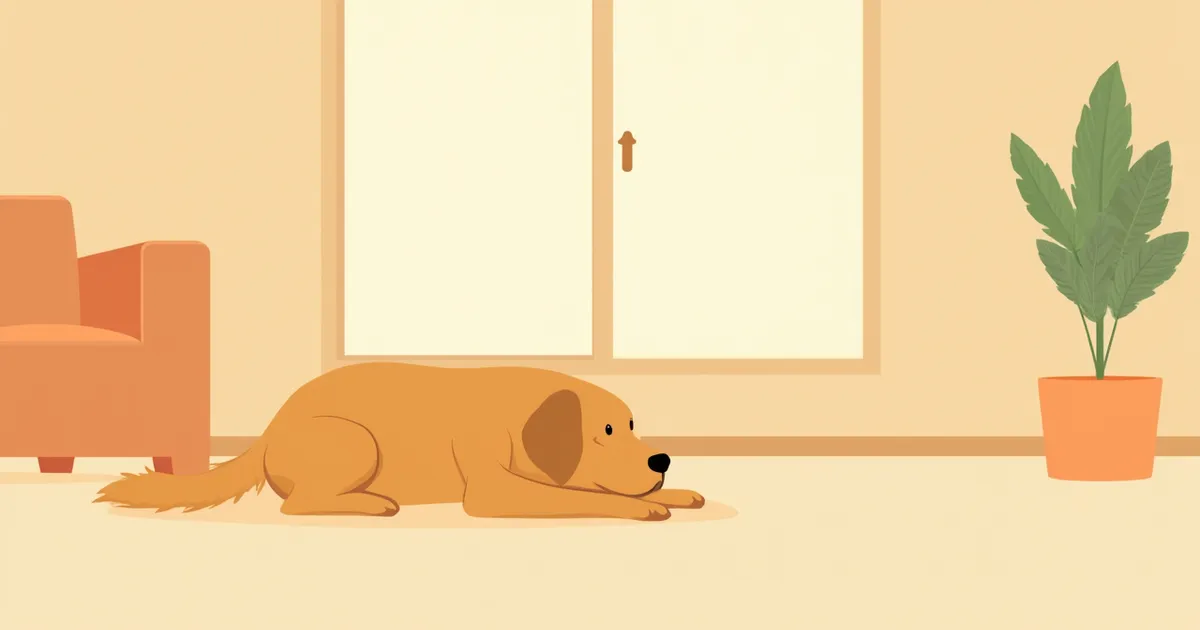
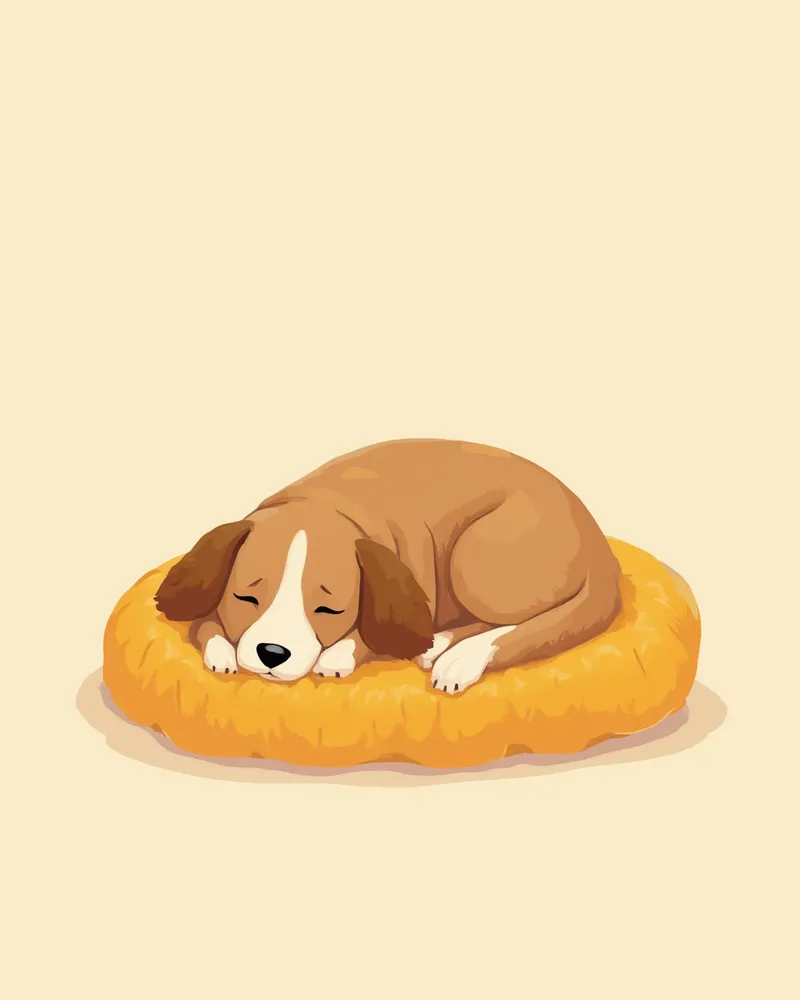
A puppy curled up comfortably, fast asleep.

Normal Circling vs. Circling That Requires Veterinary Care

ItemNormal BehaviorSigns Needing a Vet Visit
Number of turnsTurns a few times briefly, then lies downTurns repeatedly for a long time
Time takenSettles down right awayPaces around for a long while (minutes)
How they lie downLies down comfortably in one goRepeatedly lies down and gets back up
Expression / soundsRelaxed, unresponsiveWhimpering, panting
OnsetConsistent since puppyhoodStarted suddenly and recently
Accompanying symptomsNoneLimping / loss of orientation

Referenced from veterinary behavioral and neurology textbooks

If It Suddenly Worsens? — It Could Be Hidden Pain

If your pup, who was lying down comfortably just yesterday, suddenly can’t settle and keeps turning in circles, it’s likely a sign that something hurts. The most common culprits are the joints and the back. - Patellar luxation or hip dysplasia: Pain when lowering the body into a lying position - Intervertebral disc disease or back pain: Difficulty bending the spine, leading to circling as they search for a less painful posture - Abdominal pain or gastrointestinal discomfort: Tensing up and standing back up the moment their belly touches the floor - Trauma or pressure sores: Startling when a specific area makes contact with the ground If you’re interested in joint health care, you can find a detailed overview of key ingredients in dog joint supplements here: Dog Joint Supplement Ingredients: A Complete Guide

When to Go to the Vet Immediately

If your dog’s spinning behavior matches any of the following, it may not be a simple habit but rather a sign of an emergency or underlying medical condition: • Inability to lie down and restlessness lasting more than one minute, occurring daily • Limping or crying out while spinning • Heavy, labored breathing and frequent position changes even after lying down • Senior dogs circling the same spot at night without finding a comfortable position (possible cognitive dysfunction) • Distended abdomen accompanied by dry heaving (possible gastric dilatation-volvulus, a medical emergency) In particular, if a large-breed dog has a swollen abdomen and is only spinning, there is a risk of gastric dilatation-volvulus (GDV), requiring immediate emergency veterinary care.

Nighttime Pacing in Senior Dogs — A Sign of Cognitive Dysfunction

In senior dogs aged eight years and older, aimlessly pacing around their sleeping area at night can be an early sign of canine cognitive dysfunction syndrome (CDS), commonly referred to as dog dementia. Key characteristics include: - Day-night reversal: Sleeping during the day and pacing at night - Disorientation: Continuously circling the same spot - Failure to recognize family members: Staring blankly at walls - Increased house-soiling accidents Early diagnosis can help slow progression through antioxidant prescription diets, cognitive support supplements, and environmental adjustments. If you suspect changes in your senior dog, we recommend health check-ups every six months.
An elderly dog pacing around the sleeping area at night

Three Ways to Manage Your Dog’s Sleeping Area at Home

It’s best not to suppress instinctive behaviors outright. However, making slight adjustments to the sleeping environment can help your pet settle down more quickly and comfortably. - A medium-sized round or donut-shaped cushion: This shape best accommodates the instinct to curl up while sleeping. - Memory foam mattress: For senior dogs or those with joint issues, a supportive mattress is preferable to one that is merely soft. - A quiet, dim corner: Pets with high anxiety often prefer a spot where they can rest against a wall. - Temperature of 20–24°C with a single blanket: If your pet rolls around trying to regulate body temperature, simply providing adequate warmth can significantly reduce this behavior. After introducing a new sleeping area, allow a 2–3 day adjustment period. Placing a blanket with familiar scents in the new spot can speed up the adaptation process.

Seek Behavioral Counseling for Compulsive Repetitive Behaviors

If your dog repeatedly engages in behaviors such as spinning in circles, chasing its tail, or licking its paws—multiple times a day, to the point where it interferes with other activities—it may be suffering from compulsive disorder. Veterinary behavior textbooks define compulsive behaviors as those that are repeated across various situations regardless of the original trigger, are difficult to interrupt mid-action, and disrupt normal daily life. Underlying anxiety disorders are often at play, with boredom, separation anxiety, or stress acting as triggers. While these behaviors are known to occur more frequently in dogs with sensitive temperaments, the most helpful approach is not to scold or forcibly stop them, but rather to increase stimulation through expanded walk and playtime and environmental enrichment. If necessary, consulting a veterinary behavior specialist is recommended.

Reviewed by a veterinarian

Dr. Tony — Punnawat Phongkittirak

Dr. Tony — Punnawat Phongkittirak

Veterinarian

A veterinarian who majored in veterinary medicine at Khon Kaen University, Thailand, and completed the IVSA program at North Carolina State University in the United States. Drawing on clinical experience at animal hospitals, he works in the pet healthcare field and is dedicated to building a digital care environment that connects pet parents with veterinarians.

Frequently Asked Questions

Your dog circles around its sleeping spot and then suddenly growls. Why might this be happening?
Joint or back pain may have been aggravated during the process of establishing territory. In particular, small breeds are prone to patellar luxation, while large breeds commonly experience hip and disc issues. If growling persists for more than three days, please consult an orthopedic specialist.
Why does my cat keep rolling around and scratching like it’s grooming itself, even on a soft cushion?
This is because your pet still exhibits the instinctive behavior of selecting and preparing a comfortable sleeping spot. Even if the cushion is already flat, they may scratch and circle as if making a bed. If they circle briefly and then settle down comfortably, this is generally normal behavior. However, the same actions can sometimes be displacement behaviors triggered by stress or conflict. If your pet paces for an extended period or appears anxious, please also assess their environment for potential stressors.
Is it just a habit when an older dog circles its bed only at night?
If your dog is eight years or older and wanders aimlessly only at night, it could be an early sign of cognitive dysfunction (canine dementia). If this is accompanied by day-night reversal and accidents with urination or defecation, earlier diagnosis can help slow disease progression, so we recommend consulting your veterinarian.
Is it okay to call my dog over with "come here" and have them lie down when I turn over in bed?
It’s best to leave this normal instinctive behavior alone. However, if your pet seems distressed and unable to settle for more than a minute, gently wrapping them in a warm blanket can provide comfort and reduce stress. Repeatedly scolding them may actually lead to compulsive behaviors.
My female dog hasn’t even been in heat, yet she keeps digging at the blanket and circling around.
If your female pet is intact, this nesting behavior may be linked to pseudopregnancy (false pregnancy). It often occurs due to hormonal changes after estrus and typically subsides on its own over time. However, if the symptoms are severe or recurring, it’s a good idea to rule out other underlying causes and discuss the possibility of spaying with your veterinarian.

Share

Related Guides

References

[1] Horwitz, D. & Mills, D., BSAVA Manual of Canine and Feline Behavioural Medicine, 2nd ed., Chapter on Stereotypic and Compulsive Behaviours

[2] Landsberg, G., Hunthausen, W., Ackerman, L., Behavior Problems of the Dog and Cat, 3rd ed., Sleep and Resting Behaviour

[3] Introduction to Animal Behavior and Veterinary Behavioral Medicine, Chapter 17: Stereotypic Behaviours in Companion Animals

This information is based on veterinary literature and does not replace diagnosis or treatment. Please consult a veterinarian for specific health concerns.

Metapet Co., Ltd. | CEO: Park Sung-yong | Business Reg. No. 417-88-02562 | Seoul, South Korea | Customer Center

Why Dogs Circle Before Lying Down & Warning Signs | Meongsiljang