Like
Share
멍실장
고양이 비문증(유리체 혼탁) 자주 묻는 질문 Q&A — 보호자가 꼭 알아야 할 핵심

What Are Feline Vitreous Opacities (Floaters)? — Causes and Warning Signs Q&A

Eye HealthQ&AMeongsiljang Veterinary Advisory Board

Feline vitreous opacities occur when cloudy particles float in the vitreous humor, potentially affecting vision. Here’s a summary of key questions and management tips for pet owners to know.

Feline vitreous opacities are a condition where cloudy objects float in the vitreous body
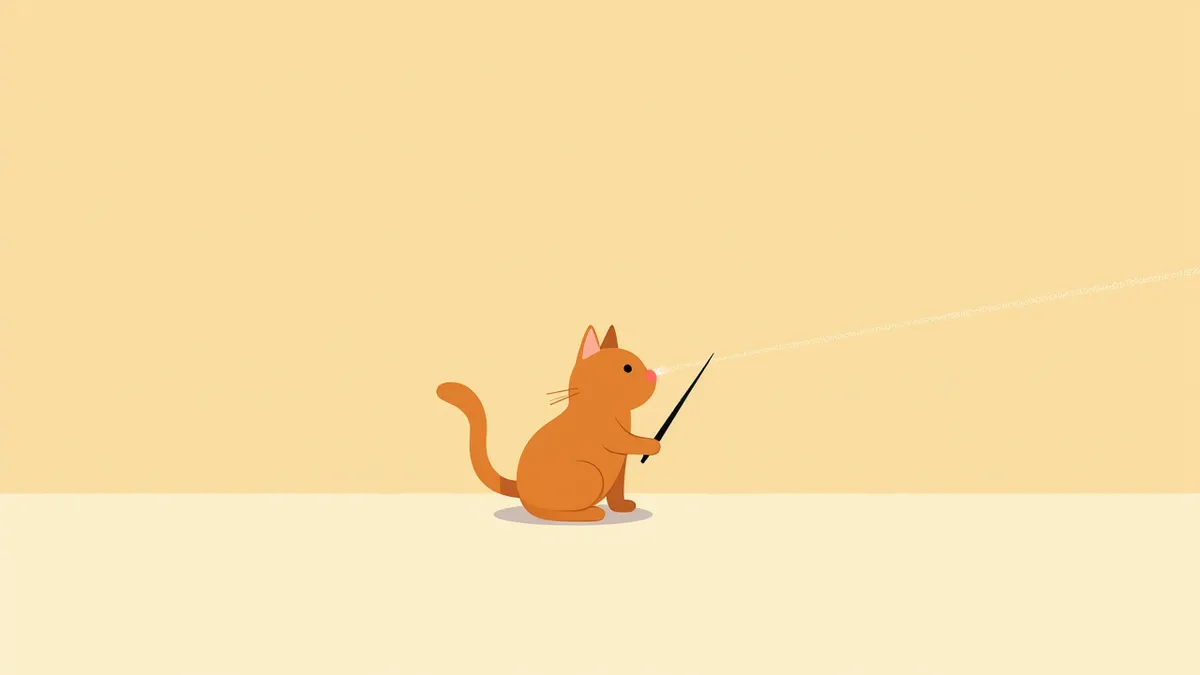
A cat watching a laser pointer, with an effect showing vitreous opacity in the eye
Feline vitreous opacities occur when small cloudy spots or shadows appear to float within the vitreous body of the eye. While this can sometimes result from age-related changes in the vitreous, it is difficult to attribute it solely to natural aging in cats, as it may also signal other eye diseases. Therefore, careful observation is essential. - Vitreous changes: Cloudiness in the vitreous body can obstruct light and affect vision. - Individual variation: The severity of symptoms varies from cat to cat. Some cats may show no obvious discomfort, but the prognosis can differ significantly depending on the underlying disease. - Visual changes: Cloudy spots may become more noticeable in bright light, or shadows may appear to move along with eye movements. If symptoms worsen suddenly or vision loss is suspected, it is safest to seek veterinary care without delay.

The main causes of floaters include age, trauma, and disease
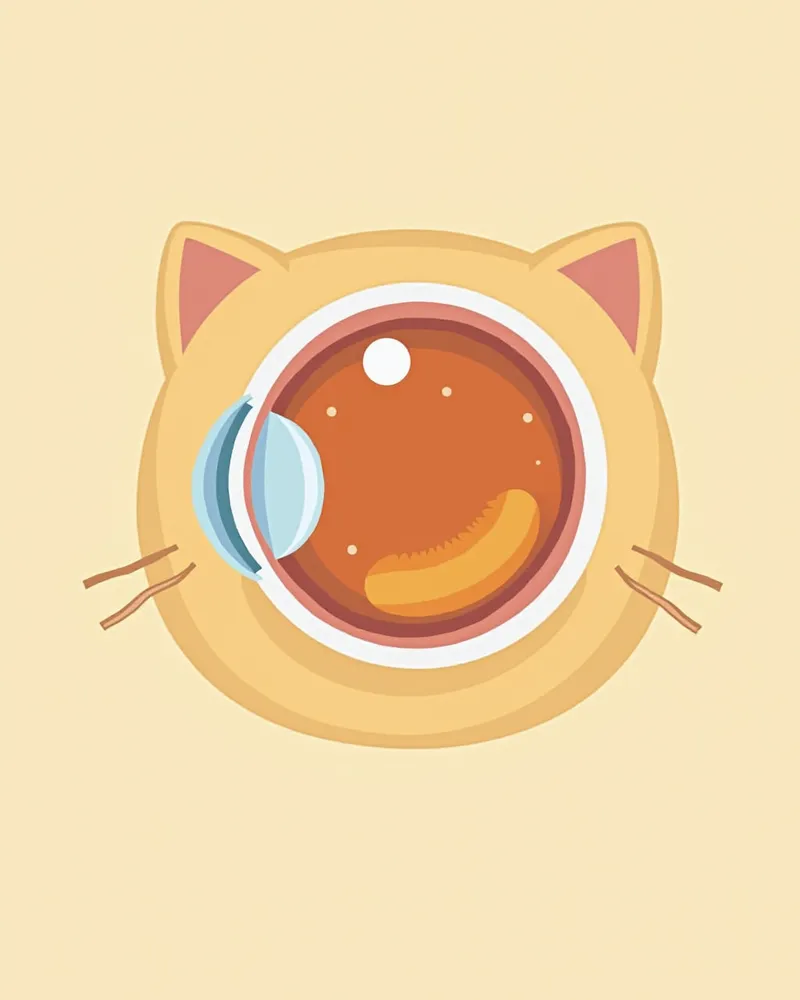
The causes of floaters in cats are varied, and age-related changes in the vitreous body can be one contributing factor. However, in cats, floaters can also be associated with eye or systemic diseases in addition to aging changes, making it difficult to pinpoint a single cause. - Trauma: Blunt force to the head or eye can damage the interior of the eye. Ocular or lens trauma, as well as chronic uveitis, can lead to lesions inside the eye. - Internal eye diseases: Conditions affecting the retina or vitreous body may appear as cloudy spots. - Potential link to systemic health: Some systemic diseases can affect the eyes, so if a systemic cause is suspected, it is best to have a veterinarian evaluate your cat. The progression speed and severity of symptoms can vary depending on the underlying cause.
An anatomical diagram of a cat’s eye, showing the vitreous body and areas of opacity.

The main symptom of floaters is cloudy spots floating in the eye
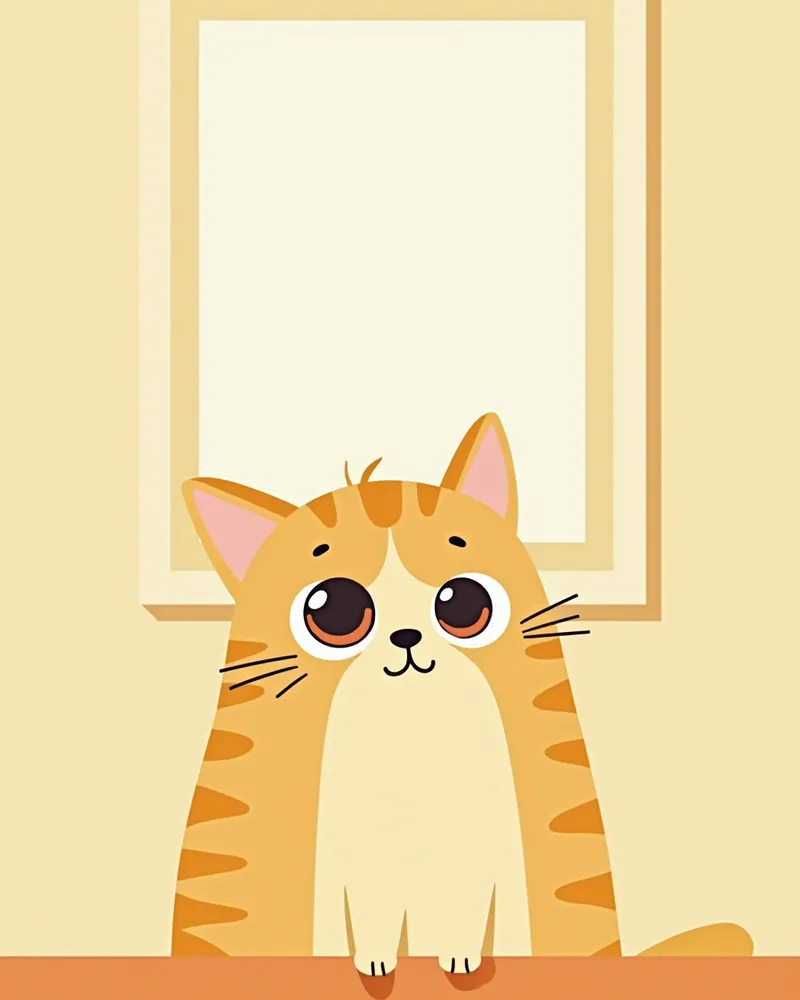
The hallmark sign of feline floaters is the appearance of hazy spots or thread-like strands drifting in the eye, which can obstruct light and impair vision. - Visual obstruction: These spots are often more noticeable in bright light or may appear to follow eye movements in certain directions. - Behavioral changes: Cats may misjudge objects or bump into walls more frequently. - Impact on daily life: While most cases do not significantly disrupt daily activities, severe cases can lead to delayed responses or increased anxiety. - When to seek care: If symptoms worsen suddenly, or if you notice bleeding or swelling in the eye, immediate veterinary attention is required.
A cat gazing out a bright window, with visible cloudiness in the vitreous humor of its eye

If there is sudden vision loss or eye pain, an immediate veterinary visit is necessary

If floaters suddenly worsen, or if you notice swelling or pain in the eye, it could indicate a serious condition such as retinal detachment or hemorrhage. Please consult a veterinarian immediately.

Diagnosis of floaters is confirmed through ophthalmic examination and ultrasound
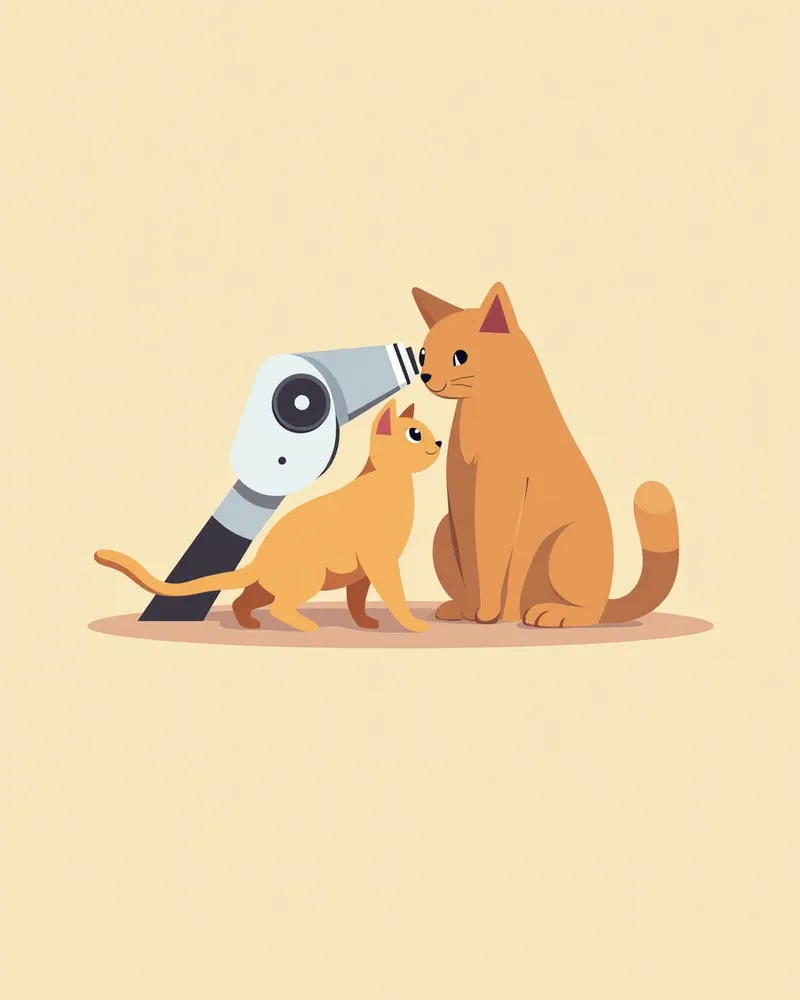
Veterinarians directly examine your cat’s eyes and, if necessary, use ophthalmic ultrasound to assess the condition of the vitreous body. - Ophthalmic Examination: Specialized lamps and microscopes are used to closely observe the internal structures of the eye. - Ultrasound Examination: This is particularly useful when the vitreous body is cloudy and difficult to visualize. The procedure causes minimal discomfort and is generally well-tolerated by cats. - Accurate Diagnosis: Through these examinations, veterinarians can determine the cause and severity of floaters. - Additional Tests: If an underlying condition is suspected (e.g., diabetes), blood tests may also be performed.
A veterinarian using an ophthalmic retinal scanner on a cat's eye

Treatment for floaters varies depending on the cause
There is no specific treatment for floaters themselves, but managing the underlying condition can help improve symptoms. - Disease Management: Properly treating underlying conditions such as diabetes or inflammation can slow the progression of floaters. - Observation-Focused Approach: In most cases, symptoms remain stable, so regular check-ups are usually sufficient. - Surgical Consideration: If severe bleeding or retinal detachment is present, vitrectomy may be considered. - Environmental Support: Maintaining a stable environment for your cat and keeping objects in consistent locations can be helpful. - Veterinary Consultation: If symptoms worsen suddenly, consult your veterinarian immediately.
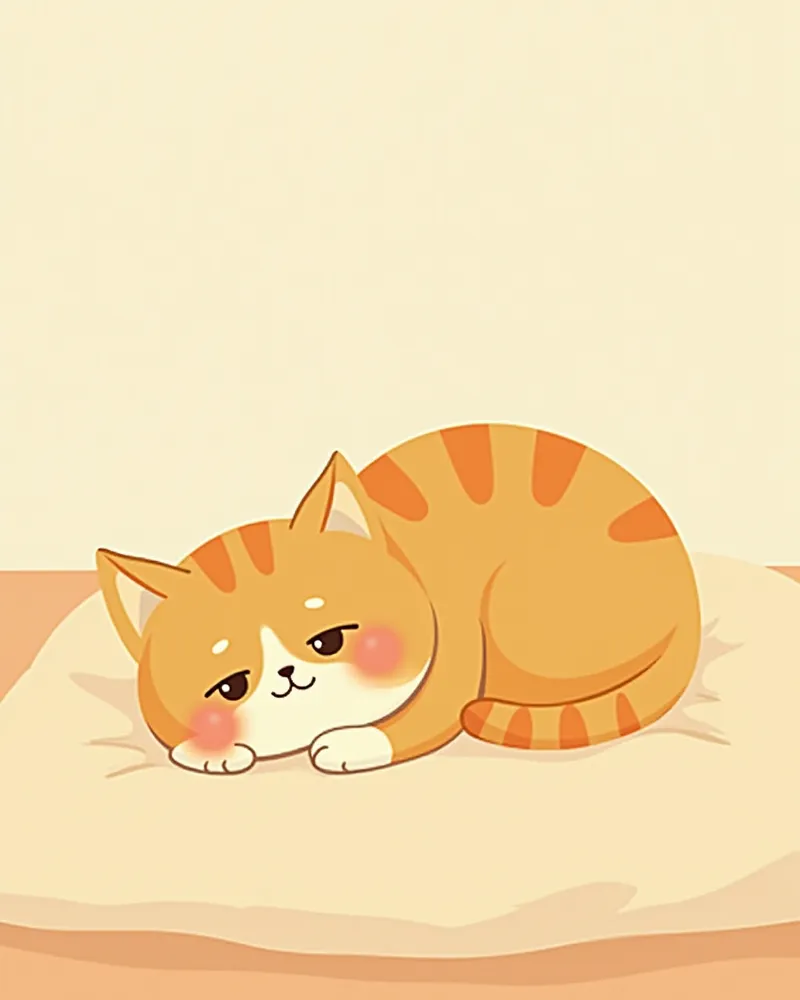
A cat resting quietly, in a peaceful atmosphere

Comparison of characteristics and management by stage of floaters

ItemCharacteristicsManagement
MildCloudy spots seen occasionally, no effect on visionMaintain regular check-ups; observation alone is sufficient
ModerateSeen frequently, prominent in bright lightConsult a veterinarian; testing for the cause is recommended
SevereReduced vision, eye pain, decreased responsivenessVisit the clinic immediately; ultrasound examination needed

If symptoms worsen, an immediate visit to the clinic is necessary.

Be alert if your cat suddenly rubs its eyes or misses objects in its field of vision

If a cat’s floaters worsen, it may rub its eyes or miss objects when trying to catch them. These are signs of vision loss, so consult your veterinarian right away.

Reviewed by a veterinarian

Dr. Tony — Punnawat Phongkittirak

Dr. Tony — Punnawat Phongkittirak

Veterinarian

A veterinarian who majored in veterinary medicine at Khon Kaen University, Thailand, and completed the IVSA program at North Carolina State University in the United States. Drawing on clinical experience at animal hospitals, he works in the pet healthcare field and is dedicated to building a digital care environment that connects pet parents with veterinarians.

Frequently Asked Questions

Can feline asthma be treated?
It is often difficult to completely eliminate cloudy eyes, so the key is to manage the underlying disease if one is present. Depending on the condition, your veterinarian may consider additional treatments.
Does floaters cause complete vision loss?
The severity varies from cat to cat. While some cats are barely affected, others may experience vision impairment if an underlying disease is present, making regular check-ups essential.
Does floaters cause pain in cats?
A cloudy cornea itself is unlikely to cause pain. However, if there’s an underlying eye condition, it may be accompanied by pain or discomfort.
Can conjunctivitis spread to other cats?
No, it’s not a condition that spreads to other cats because it’s not an infectious disease.
Will a cataract affect my cat’s daily life?
While it may not always have a significant impact, vision impairment can make it difficult for your pet to recognize objects. Maintaining a stable and consistent environment can be helpful.

Share

Related Guides

References

[1] Feldman, E.C. and Nelson, R.W. (2020). Canine and Feline Ophthalmology. 2nd ed. Elsevier.

[2] Kass, P.H. et al. (2018). Vitreous opacities in cats: A retrospective study of 120 cases. Journal of Feline Medicine and Surgery, 20(5), 456–463.

[3] Hoskins, J.D. (2019). Small Animal Ophthalmology. 3rd ed. Wiley-Blackwell.

This information is based on veterinary literature and does not replace diagnosis or treatment. Please consult a veterinarian for specific health concerns.

Metapet Co., Ltd. | CEO: Park Sung-yong | Business Reg. No. 417-88-02562 | Seoul, South Korea | Customer Center

What Is Feline Vitreous Opacity? Causes, Warning Signs & FAQs | Meongsiljang