Like
Share
멍실장
고양이 당뇨 식이 관리 자주 묻는 질문 Q&A — 보호자가 꼭 알아야 할 핵심

Frequently Asked Questions on Dietary Management for Feline Diabetes — Key Points Every Pet Owner Should Know

EndocrineQ&AMeongsiljang Veterinary Advisory Board

Dietary management is the most important aspect of caring for a cat with diabetes. We’ve compiled the key questions and answers every pet owner should know.

Dietary Management Is a Core Treatment for Feline Diabetes
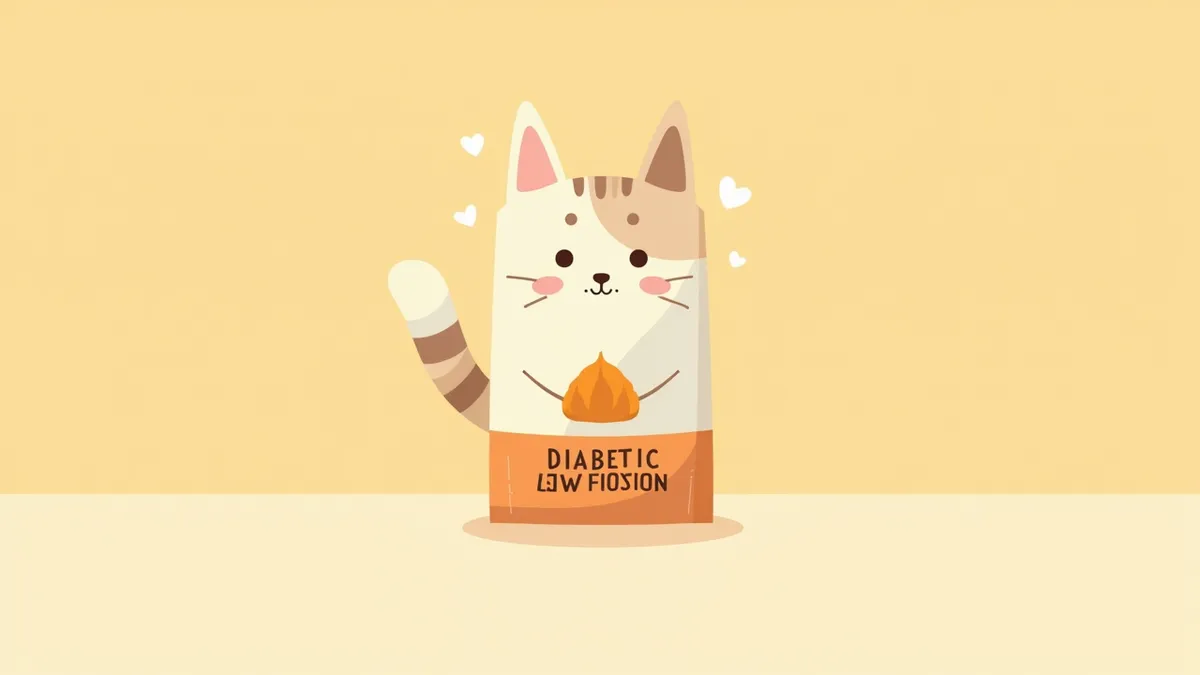
Packaging box for cat-specific diabetic food
Feline diabetes is most commonly similar to type 2 diabetes in humans, a condition in which insulin resistance and decreased insulin secretion make blood sugar control difficult. - Dietary management: The most effective approach is to choose a high-protein, low-carbohydrate diet that minimizes carbohydrate intake. This type of diet helps prevent blood sugar spikes, reduces insulin requirements, and can even increase the likelihood of remission in some cats. - Use of prescription diets: Consistently feed the low-carbohydrate therapeutic diet recommended by your veterinarian, and avoid making arbitrary changes to your cat’s food. - Consistent feeding schedule: Providing meals in consistent amounts at set times each day supports better blood sugar management. - Stabilizing blood sugar: Pairing regular meals with consistent insulin injection times helps make blood sugar fluctuations more predictable. - Regular monitoring: Check your cat’s blood glucose curve every 1–2 weeks after starting dietary management, and work with your veterinarian to adjust insulin dosage and diet as needed.

The Key to Dietary Control Is Carbohydrate Regulation

In managing feline diabetes, the amount of carbohydrates in the diet is the most critical factor. - Low-carbohydrate diet: Diets with reduced carbohydrate content (less than 6% of calories) have been shown to improve blood glucose control and increase remission rates. - High-protein diet: This helps maintain muscle mass and manage weight. However, it is more accurate to attribute improvements in insulin sensitivity to weight management and a low-carbohydrate diet rather than to protein itself. - Limit sugary foods: Avoid carbohydrate-rich foods such as fruits, sweets, and bread. - Consistent feeding times: Feeding the same amount at the same time every day helps predict blood glucose fluctuations. - Criteria for selecting food: Consistently using a veterinarian-recommended, specialized low-carbohydrate diet is the safest and most effective approach.
Comparing Carbohydrate Types in Cat Food

Foods to Avoid in Dietary Management for Feline Diabetes

High-carbohydrate foods can interfere with blood sugar control in diabetic cats. - Fruits and sweets: These are high in sugar and can cause rapid spikes in blood glucose (hyperglycemia), leading to significant fluctuations, so they should be avoided. - Bread and legumes: These are high in carbohydrates and digest quickly, so they should be avoided. - Raw meat or fish: Due to the risk of bacterial contamination, these are not recommended unless handled with strict hygiene and safety measures. - Treat selection: Choose only low-carbohydrate products and limit treats to no more than 10% of your cat’s daily caloric intake. - Consult your veterinarian: Always consult your veterinarian before introducing any new treats.
Foods to Avoid in a Diabetic Cat’s Diet

How to Regulate Meal Frequency and Timing

When managing feline diabetes, it is crucial to maintain strict consistency in both the frequency and timing of meals. - Feed 2–3 times daily at fixed times: Ideally, provide a consistent amount of food at set times each day. - Synchronize with insulin injections: Aligning meal times with insulin administration leads to much more stable blood sugar control. - Avoid sudden changes: Abruptly stopping meals or overfeeding can cause dangerous spikes or drops in blood glucose levels. - Maintain a consistent schedule: It is important to establish a habit of feeding at the same times every day throughout the week. - Consult your veterinarian: Any adjustments to the feeding schedule should only be made after discussing them with your vet.
Cat Mealtime Schedule

Dietary Management for Feline Diabetes: Comparison Table of Prescription Diets

ItemLow-Carbohydrate FoodHigh-Protein FoodDedicated Therapeutic Food
Carbohydrate RatioLow (10% or less)Medium (15–20%)Very low (6% or less)
Protein RatioMedium (35–40%)High (45% or more)Very high (50% or more)
Blood Glucose Control EffectGoodMediumBest
RecommendationTrueFalseTrue

Therapeutic food with the lowest carbohydrate content (less than about 6% of calories) is most effective at increasing the remission rate. The choice may vary depending on the individual's condition.

Essential Care Points Beyond Dietary Control

In addition to dietary management, several other care points are crucial. - Weight Management: Excess weight worsens insulin resistance, which can exacerbate diabetes. - Monitoring Water Intake: Sudden increases or decreases in water consumption may signal kidney issues or worsening diabetes. - Regular Blood Glucose Monitoring: Check blood sugar levels and assess your pet’s response at intervals recommended by your veterinarian. - Exercise Management: Appropriate physical activity helps with weight control and stabilizes blood glucose levels. - Veterinary Visits: Schedule regular check-ups every 1 to 3 months to monitor your pet’s overall health.
A veterinarian measuring a cat's blood glucose level

Abruptly Stopping Meals Is Dangerous

Cats with diabetes are at risk of hypoglycemia if their meals are interrupted. This can lead to loss of consciousness or seizures, so never abruptly stop feeding. Any adjustments to portion sizes should only be made after consulting your veterinarian. Sudden changes in diet can cause rapid blood sugar fluctuations, so caution is essential.

How to Determine the Success of Dietary Control
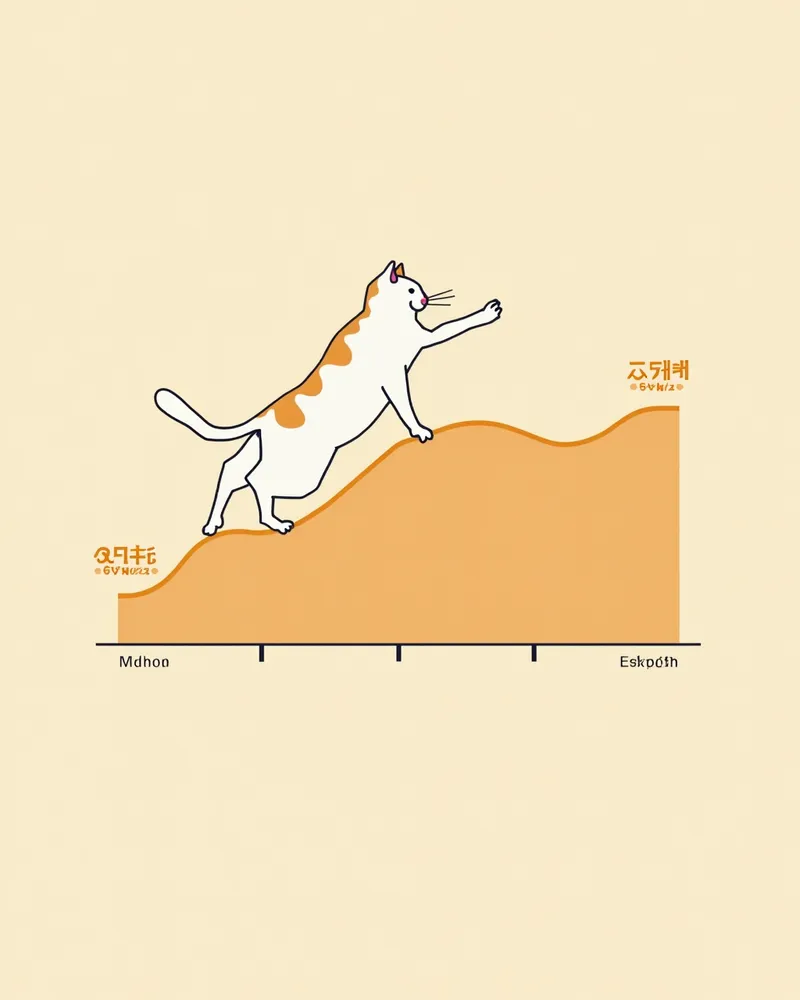
The success of dietary management can be assessed by evaluating several indicators together. - Stable blood glucose levels: The blood glucose curve, measured regularly by your veterinarian, should remain stable. - Weight trend: If your pet is overweight, they should gradually lose weight; if underweight, their weight should stabilize. - Activity level and mood: Increased activity and a good appetite are positive signs. - Stool quality: The consistency and frequency of bowel movements also reflect overall health. - Veterinary feedback: Typically, the blood glucose curve should be checked every 1–2 weeks, with adjustments to diet, feeding amounts, or insulin dosage as needed.
Graph showing the trend of a cat's blood sugar levels

Reviewed by a veterinarian

Dr. Tony — Punnawat Phongkittirak

Dr. Tony — Punnawat Phongkittirak

Veterinarian

A veterinarian who majored in veterinary medicine at Khon Kaen University, Thailand, and completed the IVSA program at North Carolina State University in the United States. Drawing on clinical experience at animal hospitals, he works in the pet healthcare field and is dedicated to building a digital care environment that connects pet parents with veterinarians.

Frequently Asked Questions

Is a specialized diet essential for managing diabetes in cats?
Yes, I recommend a specialized diet that balances carbohydrates and protein to help regulate blood sugar. Using a product recommended by your veterinarian is the safest approach.
When and how much can I give treats?
Limit diabetic-specific treats to no more than 10% of your pet’s total daily caloric intake. It’s best to offer them alongside regular meals, and only use products recommended by your veterinarian.
Will reducing food intake lower blood sugar levels?
Reducing food intake may temporarily lower blood sugar levels, but it can also disrupt your cat’s energy supply. Maintaining an appropriate amount of food is important.
What should I do if my cat isn’t eating its food?
If your pet refuses to eat, consult your veterinarian. You might consider changing the flavor or texture of the specialized food, or switching to a jelly-based or wet food formula.
Is insulin injection still necessary even after dietary management?
Dietary management can help reduce insulin requirements, but in most cases, insulin injections are still necessary. Please follow your veterinarian's instructions and maintain the prescribed injection schedule.

Share

Related Guides

References

[1] The Dog Care Handbook, Things I Wish My Vet Had Told Me, 2023

[2] Notes on Canine Internal Medicine, 4th Ed, 2021

[3] Clinical Medicine of the Dog and Cat, 4th Ed, 2020

This information is based on veterinary literature and does not replace diagnosis or treatment. Please consult a veterinarian for specific health concerns.

Metapet Co., Ltd. | CEO: Park Sung-yong | Business Reg. No. 417-88-02562 | Seoul, South Korea | Customer Center

Cat Diabetes Diet Management: 5 Key Questions | Meongsiljang