

Can My Dog Become an Assistance Dog? — Key Criteria for Qualification Assessment
We’ve put together an easy-to-understand guide for pet owners on the temperament and qualities needed to become an assistance dog, along with the evaluation criteria and training process.
What Is an Assistance Dog?
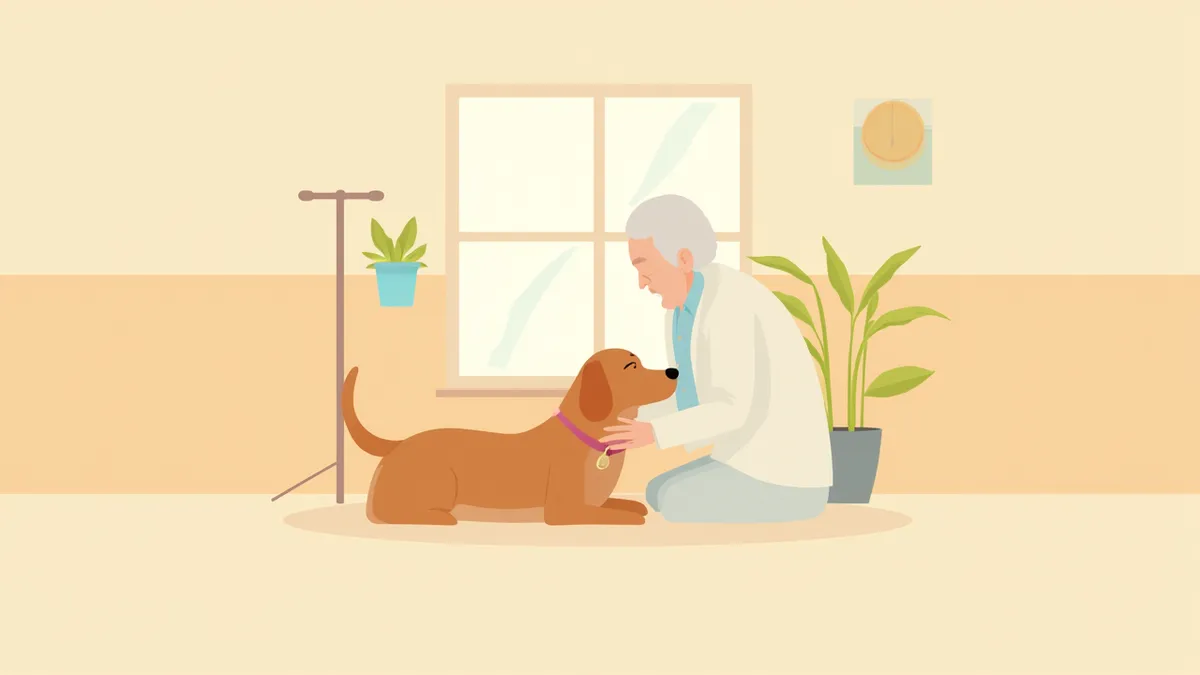
How Do Assistance Dogs Differ from Guide Dogs?
Main Items in Assistance Dog Qualification Assessment
| Item | Item to Check | Importance |
|---|---|---|
| Temperament Stability | No excessive reaction to unfamiliar noises or people | Required |
| Socialization Level | Accepts other dogs, children, and elderly people alike | Required |
| Basic Training | Obeys sit, stay, and come commands | Required |
| Health Status | Vaccinations and parasite screening completed | Required |
| Focus | Stays focused on the guardian even amid noise | Recommended |
| Tolerance of Physical Contact | Comfortable being petted by strangers | Required |
Detailed criteria may vary by evaluating organization.
What Temperament Is Suitable for an Assistance Dog?

Cases Where Assistance Dog Evaluation Is Difficult
In the following situations, it’s better for your dog to live happily as a companion pet rather than being forced into evaluation. These include cases where the dog barks or hides around strangers, is extremely sensitive to sounds, shows aggression toward other dogs, suffers from severe separation anxiety, or is currently recovering from recent surgery or illness. While behavioral issues like fear or aggression can sometimes be improved through positive reinforcement training, behaviors rooted in anxiety or fear often have limitations with training alone and frequently require a behavioral medicine assessment and a multifaceted approach. Pushing your dog to continue therapy dog work under these circumstances can lead to chronic stress.
How Is the Assistance Dog Qualification Assessment Conducted?
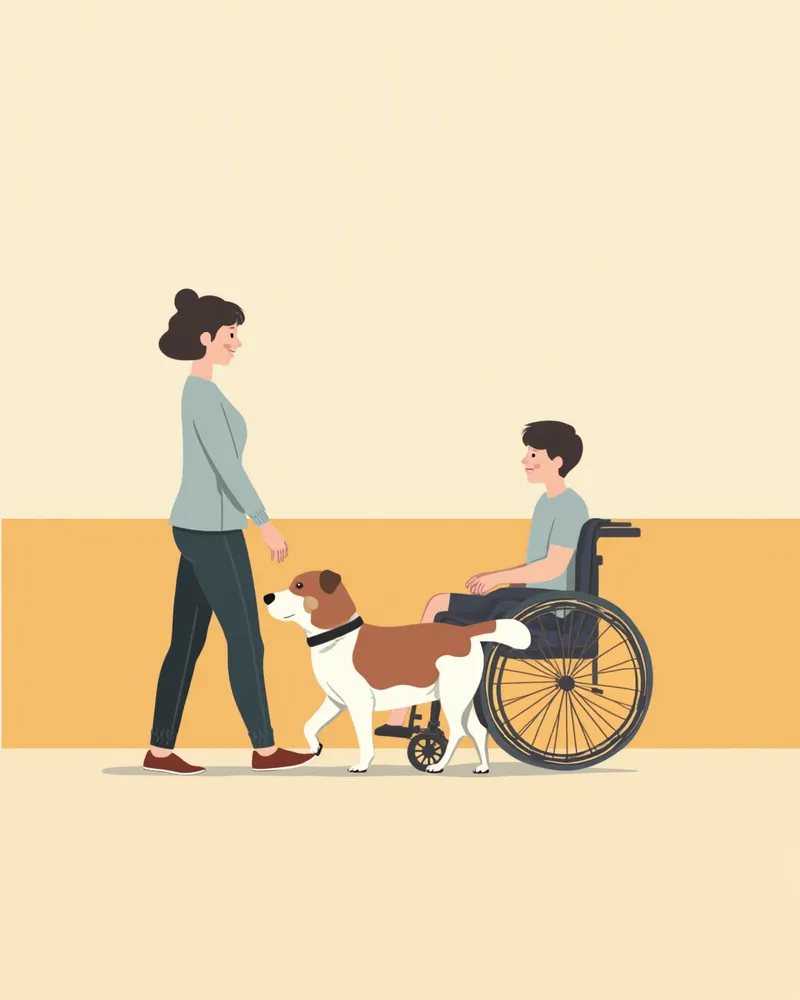
Essential Preparations Before Evaluation
Breed and Age Criteria for Assistance Dogs
While it’s not limited to specific breeds, people-friendly breeds like Golden Retrievers, Labradors, Poodles, and Bichon Frises are often preferred. However, mixed-breed dogs and small breeds can also be suitable if their temperament is right. The recommended age range is typically from 12 months to 8 years old. Puppies are often excluded because their temperament isn’t fully developed, and senior dogs may be excluded due to the physical strain involved.
Reviewed by a veterinarian

Dr. Tony — Punnawat Phongkittirak
VeterinarianA veterinarian who majored in veterinary medicine at Khon Kaen University, Thailand, and completed the IVSA program at North Carolina State University in the United States. Drawing on clinical experience at animal hospitals, he works in the pet healthcare field and is dedicated to building a digital care environment that connects pet parents with veterinarians.
Reviewed 2026-04-27
Frequently Asked Questions
Where can I get an assessment for a service dog?
My pet is very timid. Can training help improve this?
Can my pet still be evaluated if it hasn’t been spayed or neutered?
Should the owner also participate in the assistance dog's activities?
How much does the evaluation cost?
Share
Related Guides

Primary vs. Secondary Veterinary Hospitals: A Comparison

5 Easy-to-Raise Cat Breeds for First-Time Owners — Grooming Difficulty Comparison

Top 7 Short-Legged Dog Breeds

Should You Definitely Use Cyclosporine for Canine Dry Eye? — A Summary of Effects and Side Effects
Dog Fluorescein Staining Corneal Exam FAQ — Key Information Every Pet Owner Should Know

If Your Dog Has a Lump on Its Eyelid — Distinguishing Benign from Malignant Eyelid Tumors and How to Respond

Why Is Giving Eye Drops to My Dog So Hard? — Administration Techniques That Work Even for Resistant Puppies

If Your Dog Keeps Rubbing Their Eyes — Causes of Entropion and Surgical Timing

What Are Diabetic Cataracts in Dogs? — What Signs Appear Before Vision Loss

If Your Dog Can’t Keep Its Eyes Open — Causes of Corneal Ulcers and When to Visit the Vet
References
[1] Horwitz D, Mills D. BSAVA Manual of Canine and Feline Behavioural Medicine, 2nd Edition, 2009
[2] Serpell JA. The Domestic Dog: Its Evolution, Behavior and Interactions with People, Cambridge University Press, 2016
[3] Udell MAR, Wynne CDL. Canine Behavior Assessment, Learning & Motivation, 2010