Like
Share
멍실장
강아지 빈혈과 CKD(EPO 결핍) 자주 묻는 질문 Q&A — 보호자가 꼭 알아야 할 핵심

Is EPO Deficiency the Cause of Anemia in Dogs with CKD? — From Symptoms to EPO Treatment

KidneyQ&AMeongsiljang Veterinary Advisory Board

Anemia caused by chronic kidney disease is primarily due to a deficiency of erythropoietin (EPO). It’s essential for pet owners to understand how to manage both anemia and declining kidney function in dogs.

What Is the Relationship Between Anemia in Dogs and CKD (EPO Deficiency)?

A photo showing a puppy with pale lips and a tired expression
Anemia in dogs associated with chronic kidney disease (CKD) and erythropoietin (EPO) deficiency occurs when reduced EPO production due to CKD leads to anemia. EPO is a key hormone primarily produced by the kidneys that stimulates red blood cell production in the bone marrow; therefore, when EPO levels drop, red blood cell production decreases. This results in impaired oxygen-carrying capacity and symptoms such as fatigue, pallor, and rapid breathing. However, anemia typically becomes more pronounced in advanced stages of kidney disease, and because it develops gradually, the body may adapt to some extent, causing symptoms to appear later. Regular veterinary check-ups and monitoring are essential. If signs of anemia appear, a comprehensive assessment of kidney function should be conducted alongside.

Why Does Chronic Kidney Disease Cause Anemia?
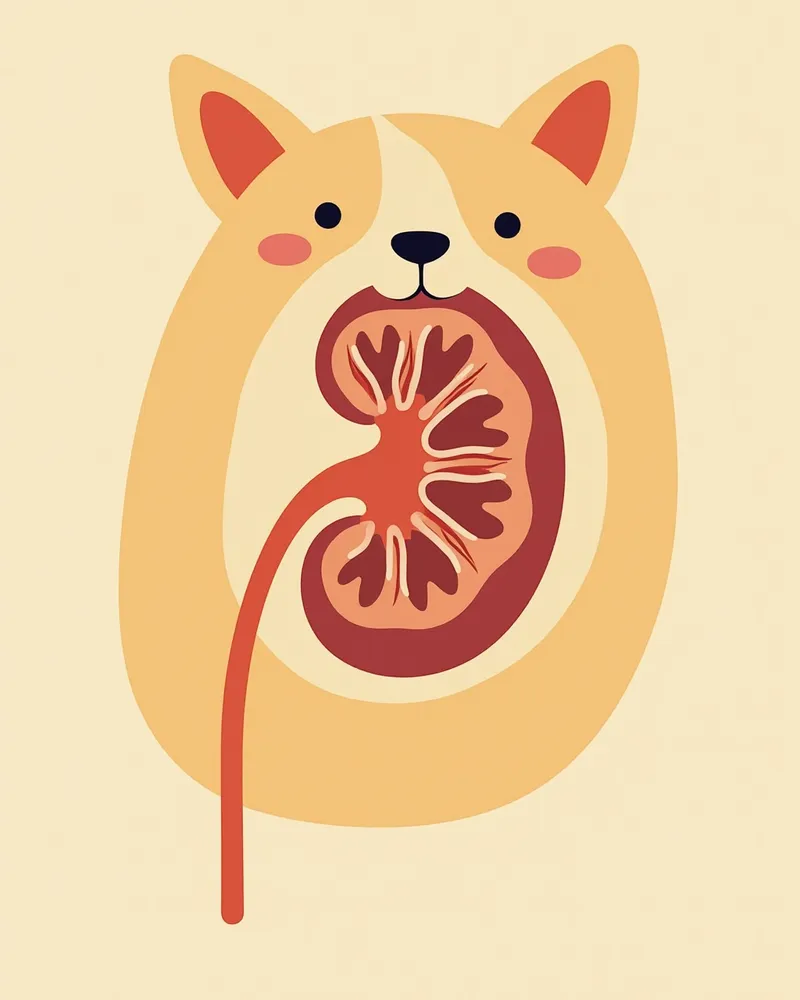
The kidneys are the primary organs responsible for producing erythropoietin (EPO), a hormone that regulates red blood cell production. As chronic kidney disease progresses, the kidneys’ ability to produce EPO declines due to the effects of uremic toxins, and the bone marrow’s responsiveness to EPO also decreases. This leads to insufficient red blood cell production in the bone marrow, resulting in anemia. EPO deficiency can cause more than just anemia; it may lead to reduced activity levels, decreased stamina, increased heart rate, and added strain on the heart. Anemia typically becomes more pronounced in advanced stages of kidney disease, making early detection crucial. Diagnosis is usually made not by directly measuring blood EPO levels, but by evaluating non-regenerative anemia seen on a complete blood count alongside kidney function indicators. Therefore, decreased kidney function and anemia are closely related pathological conditions.
An anatomical diagram showing the internal structure of a dog's kidney and the cells that produce EPO

What Are the Main Symptoms of EPO-Deficiency Anemia?

The hallmark signs of EPO-deficiency anemia include persistent fatigue and easy exhaustion. You may notice pale lips or conjunctiva, along with labored breathing that causes your pet to pant or stop and rest during walks. Other common indicators are loss of appetite, lethargy, dizziness, and a sudden drop in activity levels. In many cases, pets struggle to stay in one place or find even routine activities difficult. If these symptoms recur, kidney function tests and blood work are essential to identify the underlying cause of the anemia. Early detection and treatment are crucial for restoring strength and improving quality of life.
A puppy struggling to catch its breath and appearing distressed

Signs That Require Immediate Veterinary Care

If your dog suddenly collapses, begins breathing very rapidly, or develops blue-tinged lips, seek immediate veterinary care. These symptoms may indicate severe anemia or a cardiac issue. Your veterinarian can perform urgent blood tests and administer oxygen therapy.

What Tests Are Needed for Diagnosis?

To accurately diagnose anemia and chronic kidney disease (CKD) with erythropoietin (EPO) deficiency in dogs, several tests are necessary. First, a complete blood count (CBC) is performed to check hemoglobin and hematocrit levels, along with assessing whether the anemia is normocytic, normochromic, and non-regenerative (i.e., showing an inadequate reticulocyte response). Additionally, kidney function tests evaluate blood urea nitrogen (BUN), creatinine, and phosphorus levels. When non-regenerative anemia occurs alongside reduced kidney function, EPO-deficiency-related anemia can be suspected. Veterinarians comprehensively analyze these test results to identify the underlying cause. If other causes are suspected, additional tests such as bone marrow examination may be considered. Starting treatment without an accurate diagnosis can lead to poor outcomes, so it is essential to receive a professional evaluation at a veterinary clinic.
A scene of a veterinarian drawing blood from a puppy

What Are the Treatment Methods?

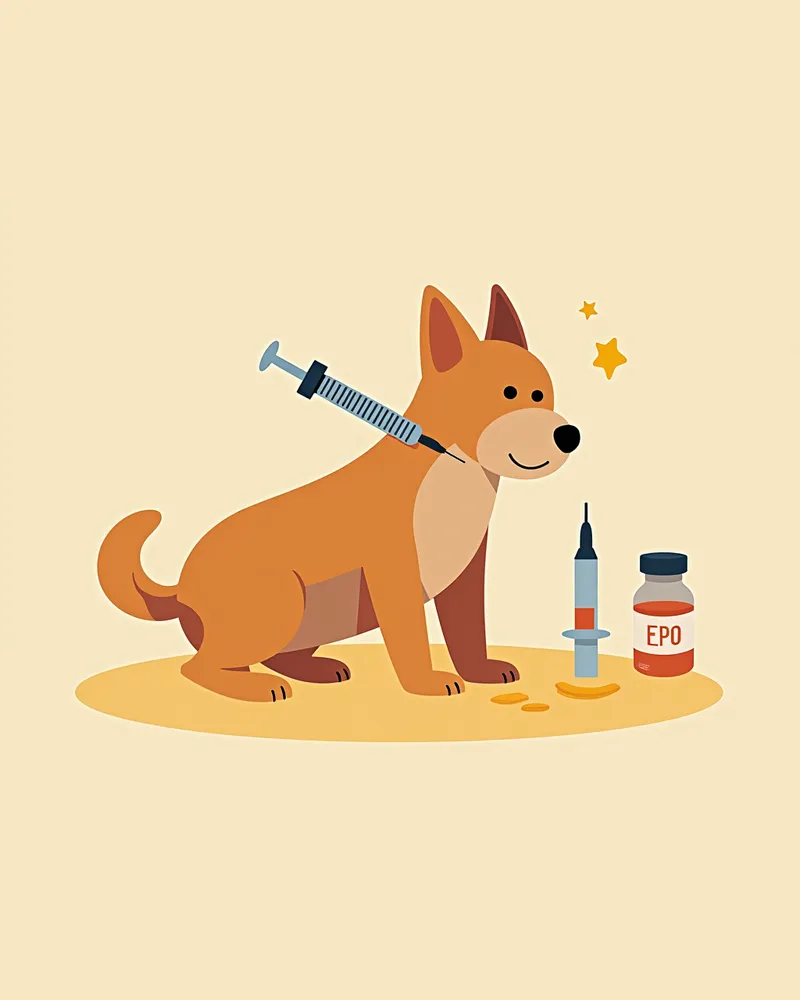
The cornerstone of treating EPO-deficiency anemia is erythropoietin injections. Your veterinarian will administer these injections regularly, dosing them according to your pet’s weight and overall condition, and will monitor progress through periodic blood tests. As the injections stimulate red blood cell production, hemoglobin levels should rise steadily, leading to reduced fatigue. In addition to hormone therapy, it’s important to support treatment with nutritional supplements such as iron, folic acid, and vitamin B12, as well as a kidney-friendly diet low in protein and phosphorus. Because consistent, long-term management is key to seeing results, close collaboration with your veterinarian is essential.
A veterinarian administering an EPO injection to a puppy

How to Manage at Home?

- Dietary management: Consistently provide a low-protein, low-phosphorus diet that reduces the burden on the kidneys. - Hydration: Offer water frequently to prevent dehydration, and consider using a water fountain to encourage drinking. - Activity management: Avoid excessive exercise and ensure ample rest time. - Regular check-ups: Strictly adhere to scheduled veterinary examinations and keep records of the results. - Medication administration: Administer EPO injections and supplements exactly at the prescribed times. - Environmental stability: Provide a quiet space to minimize stress. These management practices are crucial for preventing anemia progression and improving your pet’s quality of life.
A peaceful scene of a puppy drinking water

Precautions

Erythropoietin (EPO) injections can cause high blood pressure or polycythemia (an excess of red blood cells) if the dose is too high, and side effects such as seizures have also been reported. Therefore, monitor your pet’s blood pressure regularly and strictly follow the dosage and schedule prescribed by your veterinarian. Additionally, since adverse reactions may occur when EPO is used in combination with other medications, always consult your vet before doing so.

Reviewed by a veterinarian

Dr. Tony — Punnawat Phongkittirak

Dr. Tony — Punnawat Phongkittirak

Veterinarian

A veterinarian who majored in veterinary medicine at Khon Kaen University, Thailand, and completed the IVSA program at North Carolina State University in the United States. Drawing on clinical experience at animal hospitals, he works in the pet healthcare field and is dedicated to building a digital care environment that connects pet parents with veterinarians.

Frequently Asked Questions

How often should EPO injections be administered?
Initially, injections are given about three times a week until the PCV (packed cell volume) reaches the target level, and then the frequency is reduced to once or twice a week for maintenance. Regular tests are used to monitor effectiveness and adjust the injection schedule accordingly.
Are there any side effects after an EPO injection?
In some dogs, high blood pressure, seizures (convulsions), polycythemia (an abnormally high red blood cell count), pain at the injection site, and rarely pure red cell aplasia may occur. If you notice any of these symptoms, contact your veterinarian immediately.
Can anemia be improved through diet alone?
While dietary adjustments can help, they cannot fully correct an EPO deficiency, so a veterinarian’s prescription is necessary.
Does anemia always require an EPO injection?
If the anemia is severe or the pet is significantly lethargic, injections may be necessary. Your veterinarian will assess the condition and determine the appropriate course of action.
Should EPO injections be administered long-term?
Once kidney function stabilizes, the frequency of injections can be reduced, but most pets will still require ongoing management. Please consult with your veterinarian.

Share

Related Guides

References

[1] Plumb's Veterinary Drug Handbook, 9th Edition, 2022

[2] Clinical Medicine of the Dog and Cat, 4th Edition, 2021

[3] Fundamentals of Veterinary Clinical Pathology, 3rd Edition, 2020

This information is based on veterinary literature and does not replace diagnosis or treatment. Please consult a veterinarian for specific health concerns.

Metapet Co., Ltd. | CEO: Park Sung-yong | Business Reg. No. 417-88-02562 | Seoul, South Korea | Customer Center

Is EPO Deficiency Behind CKD Anemia in Dogs? Symptoms & Care | Meongsiljang