
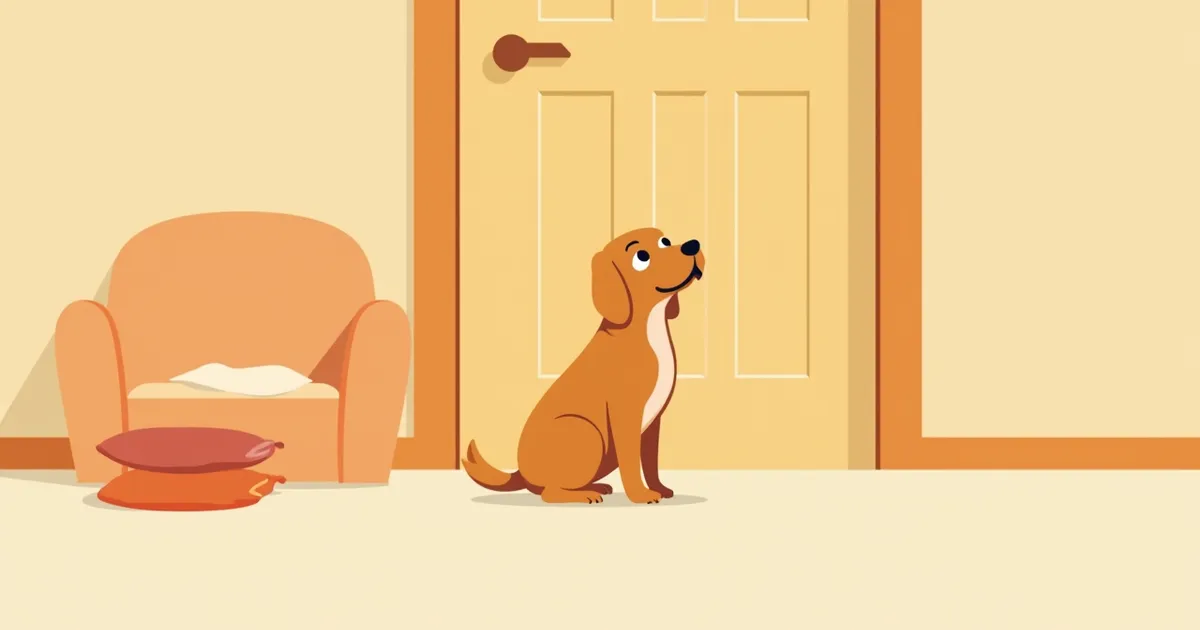
Dogs That Destroy the House When Left Alone — Is Separation-Related Destructive Behavior Normal?
We’ve compiled a Q&A guide on the causes and solutions for destructive behaviors, such as chewing furniture or scratching doors, when dogs are left alone.
What Is Destructive Behavior When Separated From the Owner?
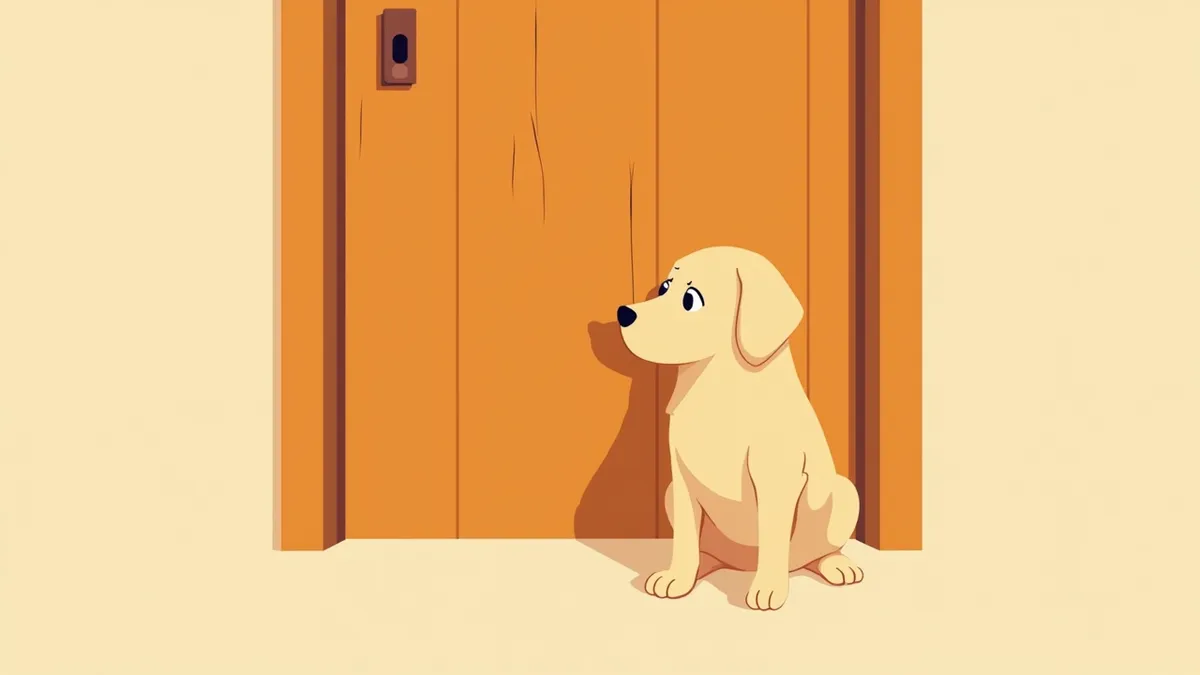
Two Main Causes of Destructive Behavior
Separation Anxiety vs. Boredom — Criteria for Distinguishing Destructive Behavior
| Item | Separation Anxiety | Boredom/Exploration |
|---|---|---|
| Timing of destruction | Concentrated relatively early, right after departure | Random throughout the absence |
| Main destruction location | Concentrated around exits such as doors and windows | Random throughout the house |
| Accompanying symptoms | Barking, drooling, toileting accidents | Almost none (lively, as if playing) |
| Reaction upon owner's return | Excitement does not subside easily | Calms down quickly |
| Behavior around the owner | Tends to follow the owner frequently | Acts independently |
Separation anxiety is a problem with multiple combined causes such as frustration, isolation stress, and confinement anxiety, and over-attachment does not necessarily mean separation anxiety. Accurate diagnosis requires consistent behavioral pattern analysis, so consultation with a veterinary behaviorist is recommended. (Reference: Introduction to Animal Behavior and Veterinary Behavioral Medicine, etc.)
Checklist for Suspected Separation Anxiety Symptoms
When to Consult a Veterinarian
If destructive behavior occurs daily, or if it is accompanied by self-harm such as biting paws or the tail, or a loss of appetite, it may be difficult to resolve through training alone. Veterinary behaviorists may combine a behavior modification program with a prescription for anti-anxiety medication. Seeking professional help is a much faster solution than struggling with the problem on your own for too long.
Management Strategies You Can Implement Immediately

Gradual Separation Training — Desensitization Method
Pay Special Attention to Young Puppies and Shelter-Adopted Dogs
Separation anxiety is more common in young puppies and dogs adopted from shelters. The most effective way to prevent it is to gradually begin short practice sessions of being alone from the very start of adoption. Leaving them alone for long periods right away can easily establish anxious behavior patterns.
Reviewed by a veterinarian

Dr. Tony — Punnawat Phongkittirak
VeterinarianA veterinarian who majored in veterinary medicine at Khon Kaen University, Thailand, and completed the IVSA program at North Carolina State University in the United States. Drawing on clinical experience at animal hospitals, he works in the pet healthcare field and is dedicated to building a digital care environment that connects pet parents with veterinarians.
Reviewed 2026-06-01
Frequently Asked Questions
When I came home, I found the sofa torn apart. Should I scold my pet?
How can you tell the difference between destruction caused by separation anxiety and that caused by simple boredom?
Is my dog destroying things out of spite?
Will confining your pet to a cage resolve destructive behavior?
Is it okay to give my pet an anti-anxiety medication?
Share
Related Guides
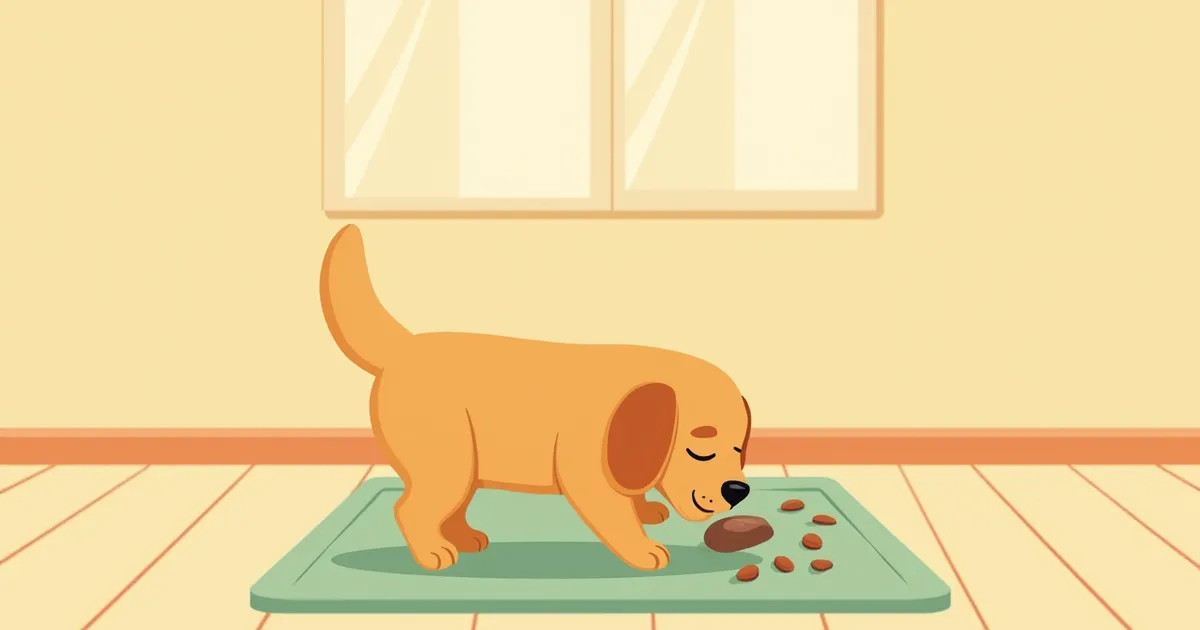
7 Behavioral Enrichment Strategies for Mental Stimulation Recommended by Veterinarians
Top 5 Calming Supplements for Dogs and Cats in 2026
L-Theanine Effects and Calming Support
Guide to Veterinary Neurology Consultations: When and How to Seek Care
Our Pet’s Dentist: General Clinic vs. Specialist — A Guide to Choosing Care
Indications for Veterinary Acupuncture (TCVM)
Comparing Implantable Microchips and External ID Tags
What Is Therapeutic Massage for Dogs and Cats? — Safe Techniques and Precautions at Home
Low-Level Laser Rehabilitation Therapy
The Complete Guide to Post-Disc Surgery Rehabilitation Protocols
References
[1] Moffat, K. (Ed.). Introduction to Animal Behavior and Veterinary Behavioral Medicine. Chapter 15: Separation-Related Disorders.
[2] Bowen, J. Separation problems in the dog. In: Cave, N. & Bridges, J. (Eds.), 100 Top Consultations in Small Animal General Practice. Wiley-Blackwell, 2010.
[3] Landsberg, G., Hunthausen, W., & Ackerman, L. Veterinary Guide to Preventing Behavior Problems in Dogs and Cats. Elsevier. De Assis et al. 2020; Lund and Jørgensen 1999 cited within.