Like
Share
멍실장
노견 청각 저하 관리법, 우리 아이가 안 들리는 것 같아요

How to Manage Age-Related Hearing Loss in Senior Dogs: I Think My Dog Can’t Hear

ImmunityQ&AMeongsiljang Veterinary Advisory Board

Age-related hearing loss is the most common cause of hearing decline in senior dogs. Early detection and adapting their living environment can significantly improve their quality of life.

How to Tell If Your Senior Dog Has Hearing Loss
An elderly dog that doesn’t respond even when called from behind by its owner
Age-related hearing loss in senior dogs is a type of presbycusis caused by the gradual wear and tear of sensory cells within the cochlea, which weakens sound transmission. The most important aspect is not "treatment," but rather "environmental adaptation." If your dog no longer responds when called, startles easily while sleeping, or struggles to orient itself, these are signs of declining hearing. While complete hearing loss cannot be reversed, adjusting your dog's lifestyle can help them live comfortably without anxiety.

Why Hearing Declines with Age

As dogs age, their hearing may gradually decline. The most common cause is presbycusis, or age-related sensorineural hearing loss, which results from the degeneration of the cochlea in the inner ear and the auditory nerve due to aging. This type of hearing loss progresses slowly in both ears and, once established, is difficult to reverse. Other causes include conductive hearing loss due to conditions like chronic otitis externa, which blocks sound transmission, or the development of tumors or polyps in the inner ear. Past use of aminoglycoside antibiotics such as gentamicin or diuretics can also contribute to hearing impairment. Breeds prone to chronic otitis externa and media, such as Cocker Spaniels and Cavalier King Charles Spaniels, are more likely to experience hearing loss resulting from chronic inflammation.

Signs of Hearing Loss to Check at Home

If you notice any of the following signs recurring in your senior dog, it may be worth considering hearing loss.
Response to name: They may not look at you when called or fail to come as reliably as they used to.
Startling during sleep: They may be startled and jump up when you approach them while they are sleeping deeply.
Response to sounds: They may become indifferent to doorbells or everyday noises that they previously reacted to.
Directional awareness: They may struggle to locate the source of a sound and appear disoriented.
Changes in interaction: Their responsiveness may decrease because they no longer pick up on verbal cues.
Nighttime behavior: They may appear more confused or anxious in dark environments.
However, these signs alone are not enough to make a definitive diagnosis, and an accurate assessment requires a veterinary examination.
An elderly dog that tilts its head, unable to locate the direction of a sound

When to Go to the Vet Immediately

It may not be simple age-related hearing loss. If there is a foul odor or discharge from only one ear, or if your pet tilts its head to one side, stumbles, or spins in circles, it could indicate middle or inner ear infection, or a tumor inside the ear. These concerns are even greater if accompanied by nystagmus (involuntary eye movements) or drooping on one side of the face. Unlike simple hearing decline, these conditions can be serious and require immediate veterinary attention. Sudden hearing loss that progresses over just a few days may also be an emergency.

How Diagnosis Is Done at the Vet

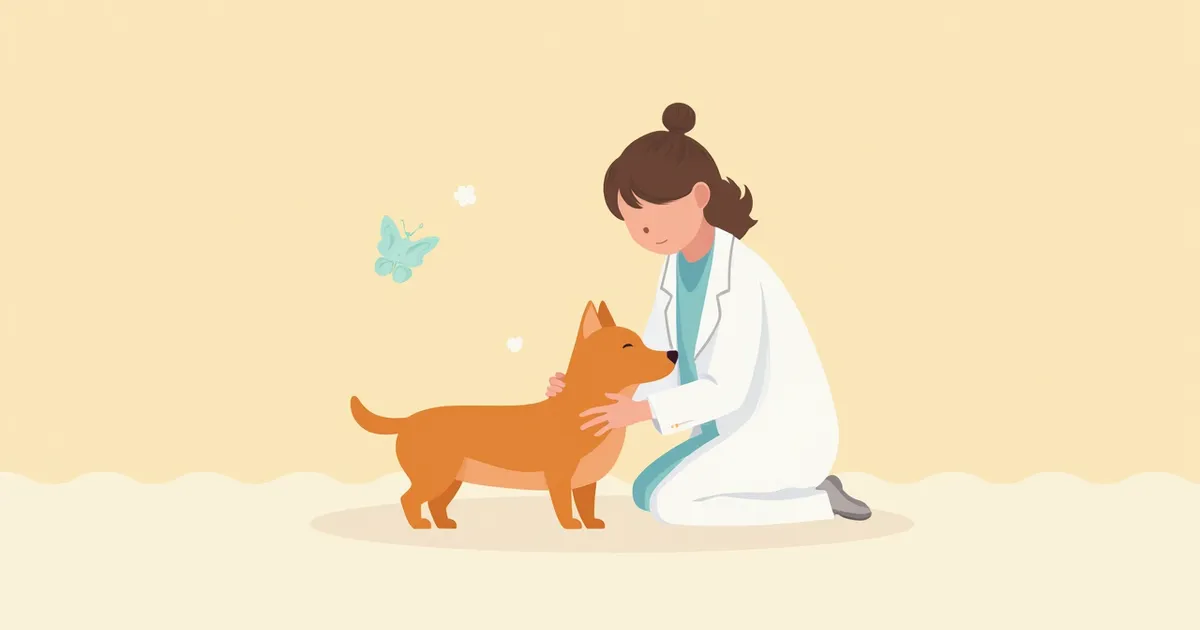
First, we carefully examine the ear canal and eardrum using an otoscope to check for foreign bodies, inflammation, or tumors. In older dogs, gradually progressive hearing loss in both ears is most likely presbycusis (age-related hearing loss). Therefore, we also review the medical history to determine whether ototoxic medications, such as the antibiotic gentamicin or diuretics, have been used in the past. If a more precise distinction between presbycusis and neurological issues is needed, specialized tests such as brainstem auditory evoked response (BAER) testing may be performed. However, these tests require specialized equipment available only at certain clinics and may necessitate mild sedation.

Living Adaptations for Each Stage of Hearing Loss

ItemMildModerateSevere (nearly deaf)
How to callLow, deep voiceName + clapVibration or light signals
During walksRegular leashShort leashKeep close under control with a short leash (prevent straying)
Signal trainingOptionalBegin combining hand signalsHand signals essential
When approachingAs usualLet them feel floor vibrationsMake contact after entering their field of view

Management Tips to Practice at Home

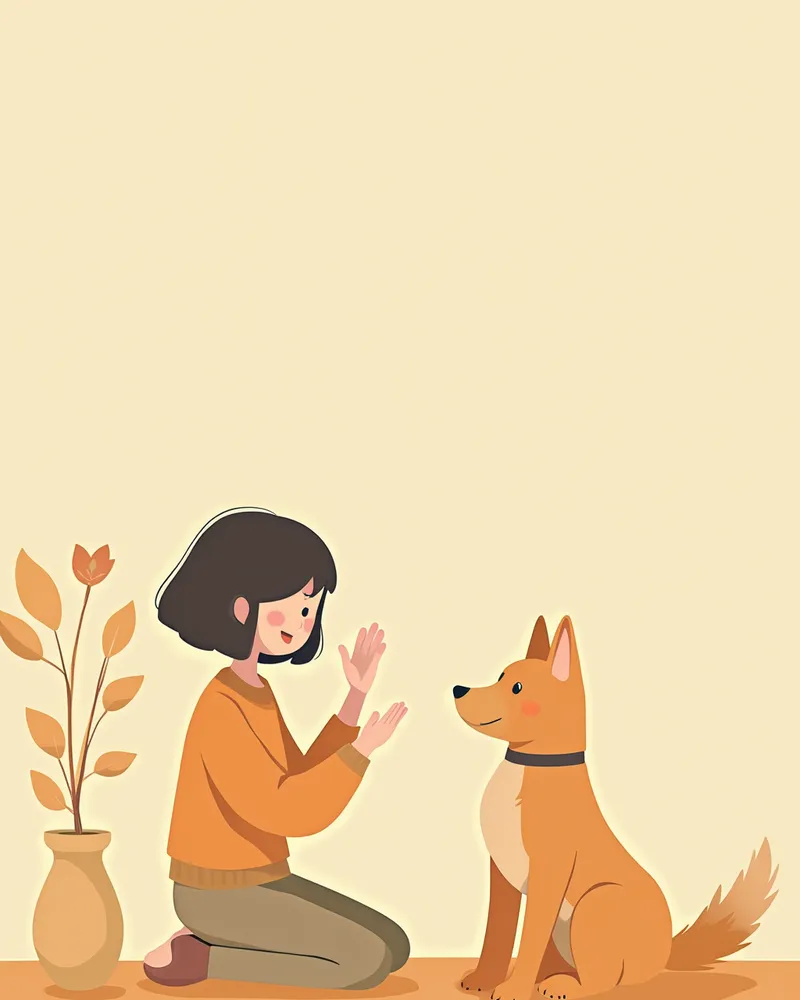
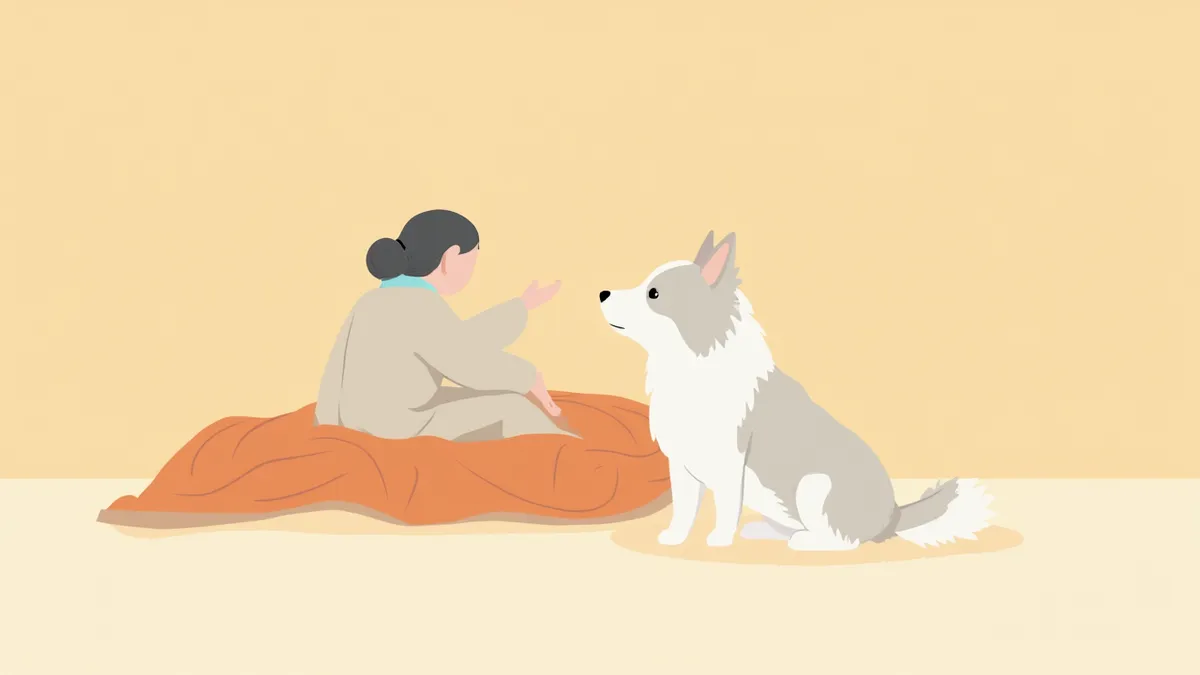
Even if your pet’s hearing declines, they can still navigate the world through sight, smell, and vibrations. Walk with a slight rolling motion to let them sense your presence through floor vibrations, and when waking a sleeping pet, gently place your palm near their nose so they can detect your scent first. Teaching basic hand signals in advance can be very helpful during walks and potty training. For example, point your index finger downward for “sit,” and extend your arms wide for “come.” At night, using sensor lights to improve visibility can help reduce anxiety.
A caregiver communicating with an elderly dog using hand signals.

Hearing Loss and Cognitive Dysfunction Can Occur Together

If your dog is over 10 years old and shows hearing loss along with nighttime pacing, staring blankly at walls, or increased accidents, consider canine cognitive dysfunction (CCD). The symptoms can resemble those of other conditions, making it easy to confuse them. During regular check-ups, be sure to describe any specific behavioral changes to your veterinarian.

Preventive Habits to Slow Hearing Loss
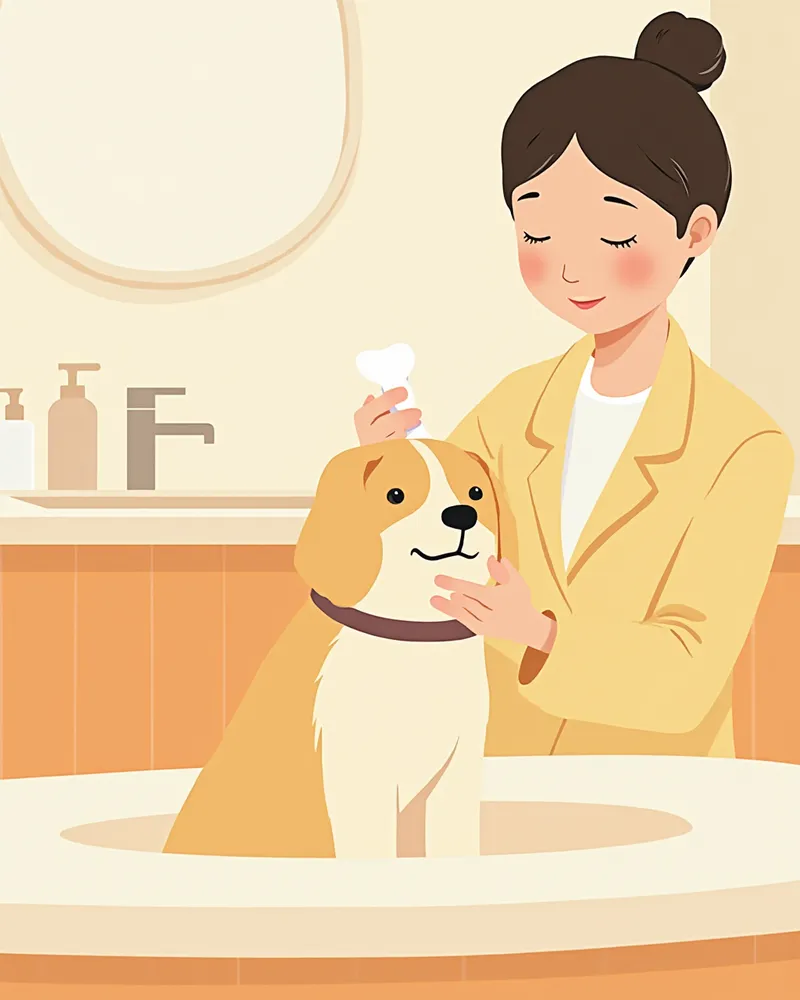
While age-related hearing loss is difficult to prevent, hearing impairment caused by inflammation can be reduced through proper care.
Ear hygiene: Keeping the external ear canal clean helps prevent chronic otitis externa and media, lowering the risk of conductive hearing loss.
Regular check-ups: Senior dogs should undergo consistent health screenings that include ear examinations.
Caution with ototoxic drugs: Use medications known to be toxic to the ears, such as the antibiotic gentamicin or diuretics, only after careful consultation with your veterinarian.
Antioxidant nutrition: Diets rich in antioxidants are known to help reduce cognitive decline associated with brain aging.
Oral care: Maintain good oral hygiene, such as regular tooth brushing, to prevent chronic inflammation from periodontal disease.
A caregiver gently cleaning the ears of a senior dog

Reviewed by a veterinarian

Dr. Tony — Punnawat Phongkittirak

Dr. Tony — Punnawat Phongkittirak

Veterinarian

A veterinarian who majored in veterinary medicine at Khon Kaen University, Thailand, and completed the IVSA program at North Carolina State University in the United States. Drawing on clinical experience at animal hospitals, he works in the pet healthcare field and is dedicated to building a digital care environment that connects pet parents with veterinarians.

Frequently Asked Questions

Can hearing that has been lost ever return?
Age-related hearing loss is caused by irreversible damage to the inner ear cells, making it difficult to reverse. However, if the hearing loss is due to middle ear infections or foreign objects in the ear, it may improve once the underlying cause is addressed.
Can I use a hearing aid?
While hearing aids for dogs are available in some countries, most dogs dislike the foreign sensation they cause, resulting in low success rates for actual use. Adapting your dog’s living environment is a more practical approach.
Can I still take my pet for walks if their hearing is impaired?
Yes, please do so actively. However, always keep the leash short and visually alert your dog to approaching bicycles or motorcycles. Dogs with hearing loss are at greater risk in traffic and crowds, so free-roaming walks are unsafe.
My pet seems depressed because they don’t respond to their name.
It may not be depression; your pet might simply not be receiving your signals. By frequently interacting with them in new ways—such as through touch, vibration, or visual presence—they will adapt quickly.
Which breeds are more prone to hearing loss?
Breeds with white or merle coats, such as Boxers, Dachshunds, and Jack Russell Terriers, are at a higher risk for congenital sensorineural deafness. In contrast, age-related (presbycusis) deafness can occur in dogs of any breed.

Share

Related Guides

References

[1] Strain, G.M., Deafness in Dogs and Cats, CABI, 2011

[2] Ettinger's Textbook of Veterinary Internal Medicine, 9th ed., Chapter on Geriatric Medicine, 2024

[3] Landsberg, G.M. et al., Cognitive Dysfunction and the Neurobiology of Ageing, J. Small Anim. Prac., 2007

This information is based on veterinary literature and does not replace diagnosis or treatment. Please consult a veterinarian for specific health concerns.

Metapet Co., Ltd. | CEO: Park Sung-yong | Business Reg. No. 417-88-02562 | Seoul, South Korea | Customer Center

Age-Related Hearing Loss in Senior Dogs: Care Guide | Meongsiljang