
Like
Share
멍실장
반려동물 중독 응급 대처

Emergency Response for Pet Poisoning

ImmunityQ&AMeongsiljang Veterinary Advisory Board

We’ve compiled essential emergency steps for pet owners when their pets ingest toxic substances, along with common causes and symptoms of poisoning, and what to prepare before visiting the vet.

Golden Time Determines Life or Death in Pet Poisoning
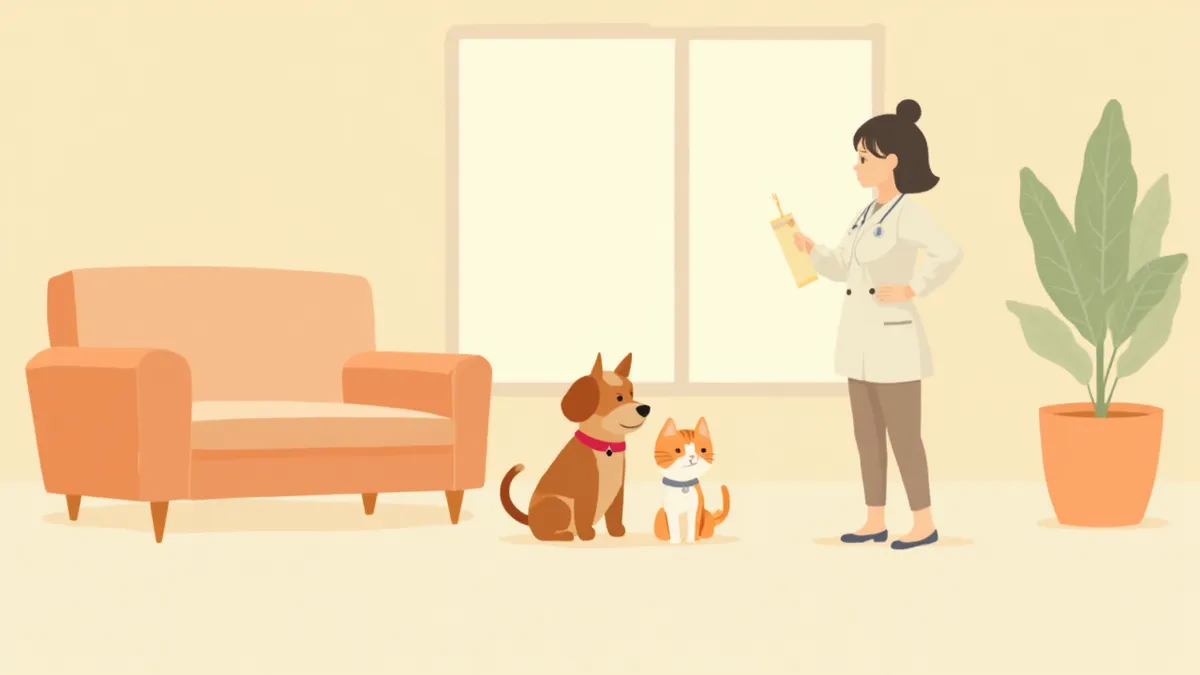
Dogs and cats waiting in the veterinary clinic's waiting room
Pet poisoning is an emergency that occurs when dogs or cats ingest or come into contact with toxic substances such as food, medications, or chemicals, leading to adverse physical reactions. The most critical factor is how quickly you respond after ingestion, ideally before symptoms appear. According to veterinary textbooks, interventions like inducing vomiting are generally most effective within 1 to 2 hours of ingestion, provided the animal is asymptomatic and can protect its airway. However, this timeframe can vary depending on the substance ingested, and the effectiveness of treatment decreases as time passes and the toxin is absorbed or moves through the gastrointestinal tract. Identifying the type and amount of the toxic substance and seeking immediate veterinary care significantly improves your pet’s chances of survival. Do not attempt to induce vomiting or use home remedies on your own, as these actions can worsen the condition; following your veterinarian’s instructions is the safest course of action.

Key Toxic Substances Pet Owners Must Know

Pet poisoning incidents often involve substances commonly found in everyday life.
Chocolate: Especially dangerous for dogs. The higher the cocoa content, the more toxic it is, and even small amounts can cause heart abnormalities and seizures.
Xylitol: Found in sugar-free gum and toothpaste, it can cause rapid hypoglycemia and liver damage in dogs.
Grapes and Raisins: Even small amounts can lead to acute kidney failure. Although the exact toxic mechanism remains unknown, they should never be given to dogs.
Lilies: Fatal to cats. All parts—including petals, leaves, pollen, and vase water—can cause kidney damage.
Human Medications (Pain Relievers): Drugs such as ibuprofen and acetaminophen can be fatal to pets even in small doses.

Suspect Poisoning If These Symptoms Suddenly Appear

Symptoms vary depending on the toxic substance, but if you suddenly notice any of the following signs, you should suspect poisoning.
Vomiting and diarrhea: These are the most common early symptoms. If blood is present, the condition is more severe.
Excessive drooling: This often occurs after ingestion of substances that irritate the mouth.
Seizures or tremors: These suggest possible exposure to toxins affecting the nervous system.
Abnormal breathing: Panting or difficulty breathing indicates that heart and lung function may be compromised.
Lethargy or staggering: If your pet appears disoriented or walks unsteadily, seek veterinary care immediately.
A veterinarian examining a puppy on the examination table.

Seek Immediate Veterinary Care If You See These Symptoms

If seizures persist, your pet is unconscious, or breathing becomes irregular, seek emergency veterinary care immediately without delay. If your pet has ingested corrosive substances such as detergents or bleach, do not induce vomiting, as this can cause further damage to the esophagus. Avoid any home remedies and transport your pet to the clinic right away.

Emergency Response Steps When Poisoning Occurs
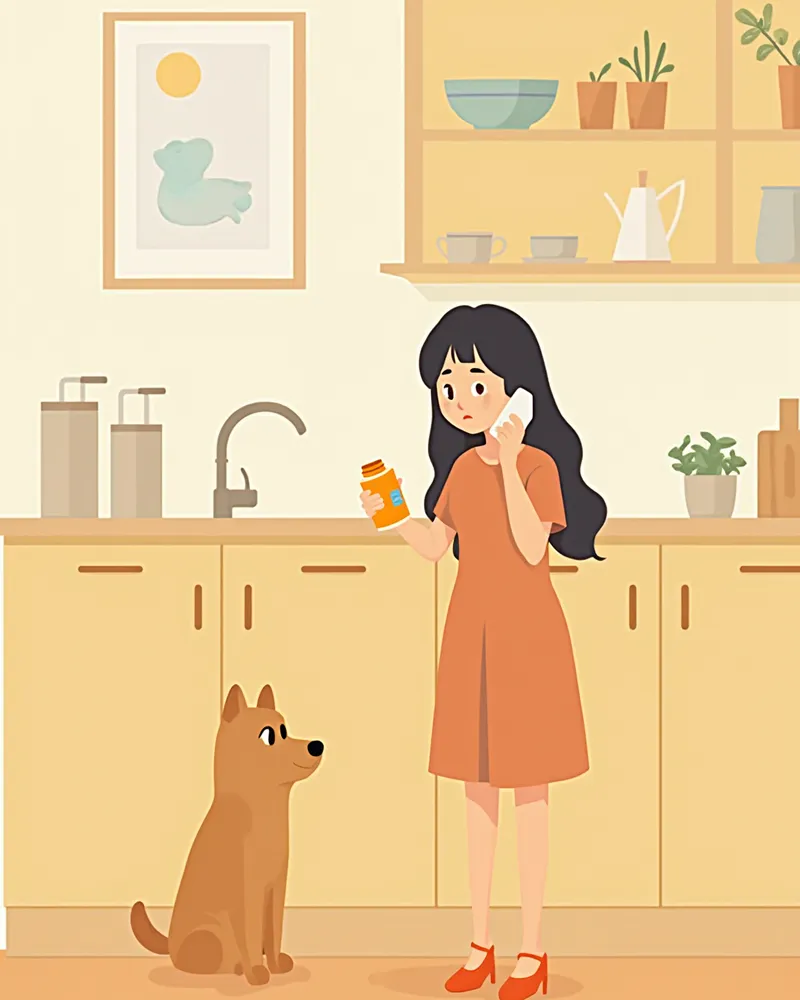
If your pet has ingested a toxic substance, stay calm and follow these steps:
Step 1 — Identify the substance: Determine the name, ingredients, and amount consumed. If any packaging or product remains, take a photo of it.
Step 2 — Contact a veterinary clinic: Call your regular vet or an emergency animal hospital immediately to explain the situation. The veterinarian will advise whether inducing vomiting is appropriate.
Step 3 — Follow veterinary instructions: Do not give water or milk, or attempt to induce vomiting, without explicit guidance from a veterinarian.
Step 4 — Transport to the clinic: Bring any remaining substance or packaging with you, as this greatly assists in diagnosis and treatment.
A pet owner checking the medication packaging while calling the veterinary clinic.

Why You Should Not Induce Vomiting Arbitrarily

According to veterinary textbooks, inducing vomiting can reduce the absorption of toxic substances if done quickly after ingestion and while the animal is still able to protect its airway without symptoms. However, this should only be done under the guidance of a veterinarian. There are situations where inducing vomiting can be dangerous. If the animal has ingested corrosive substances (such as detergents, acids, or alkalis), vomiting can cause additional damage to the esophagus and mouth. If the animal is already experiencing seizures or has a decreased level of consciousness, there is a risk that vomit could enter the airway and lead to aspiration pneumonia. Vomiting is also contraindicated if the animal has ingested petroleum-based products like gasoline or oil, due to the high risk of aspiration. Additionally, inducing vomiting can be dangerous if the animal has swallowed sharp or pointed objects. Because the appropriateness of inducing vomiting depends greatly on the type of substance ingested and the animal’s condition, it must always be determined by a veterinarian.

Actions Pet Owners Must Never Take

Inducing vomiting with salt water is extremely dangerous and should never be done. Dilution treatments using milk or water may be appropriate for certain toxic substances, but only under a veterinarian’s guidance. Administering these at home can inadvertently trigger vomiting or interfere with the treatment plan. Since the correct approach varies significantly depending on the type of toxin, please avoid attempting any home remedies based on internet advice and contact your veterinarian immediately.

What to Prepare Before Visiting the Vet

Bringing the following information to the clinic will help your veterinarian provide faster and more accurate treatment.
Information on the ingested substance: Please bring the packaging, product name, and a photo of the ingredient list.
Time of ingestion: Please provide the most accurate time possible. The treatment approach may vary depending on how much time has passed since ingestion.
Amount ingested: Please share your best estimate of how much was consumed. We can also calculate this based on the remaining amount.
Body weight: Weight information is essential for assessing toxicity.
Symptom records: Keeping notes or video recordings of symptoms, such as the frequency of vomiting or the timing of seizures, can greatly assist in diagnosis.
A pet owner preparing for a visit to the animal hospital and gathering necessary items.

How to Prevent Poisoning Incidents

Most poisoning incidents can be prevented through careful supervision by pet owners.
Medication Storage: Keep human medications out of reach of pets. Pain relievers such as ibuprofen and acetaminophen are particularly dangerous, as even small amounts can be fatal.
Food Management: Do not leave chocolate, grapes, or xylitol-containing foods on the floor or in low-lying areas where pets can access them.
Plant Safety: Avoid keeping toxic plants like lilies, cycads, and azaleas in your home. Cats are especially prone to chewing on plants, so extra caution is advised.
Household Chemicals: Store detergents, antifreeze, and pesticides in locked containers or cabinets. Antifreeze often has a sweet taste that attracts pets, leading them to lick it voluntarily.

Reviewed by a veterinarian

Dr. Tony — Punnawat Phongkittirak

Dr. Tony — Punnawat Phongkittirak

Veterinarian

A veterinarian who majored in veterinary medicine at Khon Kaen University, Thailand, and completed the IVSA program at North Carolina State University in the United States. Drawing on clinical experience at animal hospitals, he works in the pet healthcare field and is dedicated to building a digital care environment that connects pet parents with veterinarians.

Frequently Asked Questions

My pet ate a small amount of chocolate but shows no symptoms. Is that okay?
The time it takes for symptoms to appear depends on the type and amount of chocolate ingested. Dark chocolate and baking chocolate are dangerous even in small amounts, and symptoms may not show up for several hours after ingestion. Even if no symptoms are present, be sure to contact your veterinarian to confirm the amount consumed relative to your pet’s body weight.
Is it dangerous if a cat licks lily pollen?
Yes, it is extremely dangerous. Every part of the lily plant—petals, leaves, stems, pollen, and even the water in the vase—is toxic to cats. Even licking pollen can cause acute kidney failure, so you need to take your cat to a veterinary clinic immediately.
Can giving milk dilute toxins in case of poisoning?
We do not recommend giving milk to your pet without a veterinarian's guidance. While veterinary textbooks note that veterinarians may sometimes recommend diluting certain ingested toxins with water or milk, this decision depends on the type of toxin and the animal's condition. Administering home remedies without professional advice can interfere with treatment, so please contact your veterinarian first and follow their instructions.
What should I do if my pet is poisoned at night or on a holiday?
It’s important to have the contact information for a 24-hour emergency animal hospital on hand. Save the location and phone number of a nearby after-hours emergency clinic in advance. In case of an accident, call them immediately to explain the situation and receive guidance.
How dangerous is it if my dog eats gum containing xylitol?
Xylitol is extremely dangerous for dogs. Even a small amount can cause a rapid and severe drop in blood sugar, and large ingestions can lead to liver failure. Because the onset of symptoms varies from dog to dog, you should seek immediate veterinary care regardless of whether any symptoms are present.

Share

Related Guides

References

[1] Poppenga R.H. & Gwaltney-Brant S.M., Blackwell's Five-Minute Veterinary Consult Clinical Companion: Small Animal Toxicology, 3rd Edition, Wiley-Blackwell

[2] Schaer M. & Gaschen F., Clinical Medicine of the Dog and Cat, 4th Edition, CRC Press

[3] Plumb D.C., Plumb's Veterinary Drug Handbook, 10th Edition, Wiley-Blackwell

[4] Norsworthy G.D. et al., Feline Emergency and Critical Care Medicine, 2nd Edition, Wiley-Blackwell

This information is based on veterinary literature and does not replace diagnosis or treatment. Please consult a veterinarian for specific health concerns.

Metapet Co., Ltd. | CEO: Park Sung-yong | Business Reg. No. 417-88-02562 | Seoul, South Korea | Customer Center

Pet Poisoning: Emergency Response and Symptoms | Meongsiljang