Like
Share
멍실장
고양이 활동 시간대 (크리퍼스큘러)

Cat Activity Periods (Crepuscular)

ImmunityQ&AMeongsiljang Veterinary Advisory Board

We’ve compiled the reasons why cats are most active at dawn and dusk, along with play and sleep management tips aligned with their crepuscular rhythm.

What Is a Cat’s Activity Period?

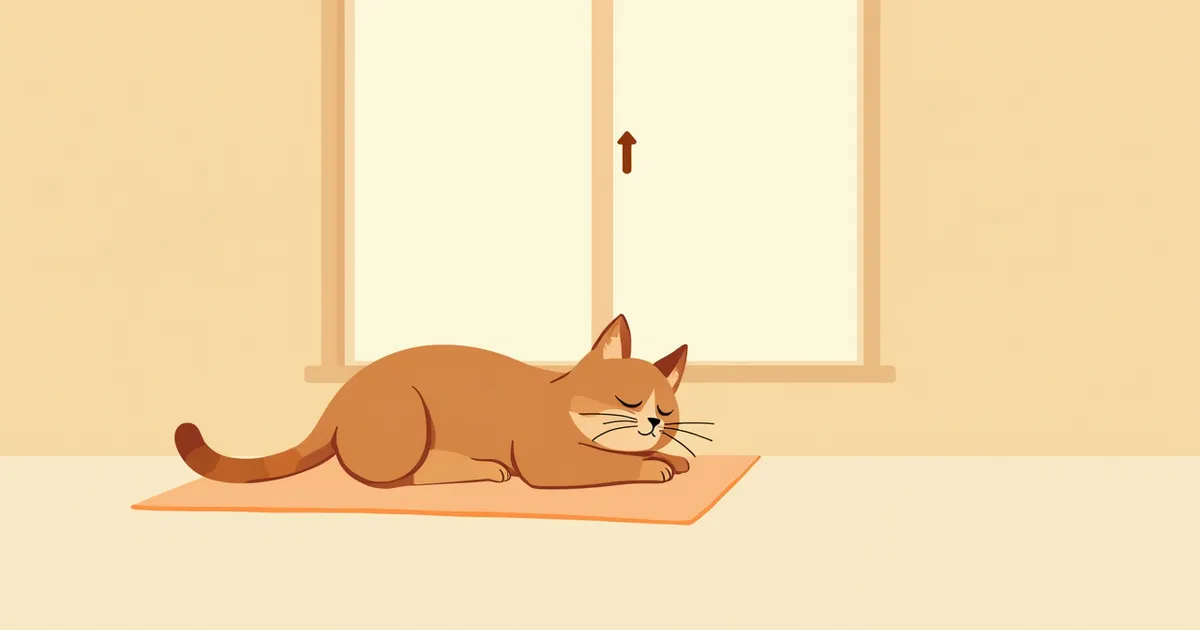
A cat intensely focused in a hunting stance in the early morning hours.
Cats are crepuscular, meaning they are most active at dawn and dusk. The key takeaway is that this rhythm isn’t a “behavioral problem,” but rather the natural circadian clock of a predator shaped by thousands of years of evolution. If your cat zooms around between 4–6 a.m. and 6–9 p.m., that’s completely normal. When owners understand this instinct and align their routines with it, they can significantly reduce sleep disruption and stress for both the cat and themselves.

Why Are They Active at Dawn and Dusk?

A cat’s ancestors evolved by hunting prey that is most active at dawn and dusk. Veterinary research shows that both wild and domestic cats share a crepuscular activity pattern, with peaks in the early morning and at dusk, which differs from being fully nocturnal. This predatory behavior and activity rhythm are rooted in strong genetics that persist from kittenhood through adulthood and are largely similar to those of wild felids. Because of this genetic foundation, simply changing the environment or “habits” won’t eliminate this activity pattern.

A Cat’s Daily Activity Pattern at a Glance

This is the typical 24-hour rhythm of an indoor cat. While there can be significant individual variation, the overall crepuscular pattern is common to all.

Cat Activity Intensity by Time of Day

ItemActivity intensityMain behaviorsOwner's response
4–6 AMVery highZoomies·hunting play·demanding to be woken upDistribute with pre-bedtime play·late-night snack
7–11 AMMediumMeal·grooming·short explorationMorning feeding·short interaction
11 AM–5 PMLowLong sleep·repeated short catnapsKeep a quiet environment
6–9 PMVery highDemanding play·bursts of hunting instinctTwo focused 15–20 minute play sessions
10 PM–4 AMLow–mediumSleep·mid-night snack huntingFeed to satiety before bedtime

Based on an adult (1–10 years) indoor cat; senior and kitten cats may differ

How Much Do Cats Sleep in a Day?

Cats spend about 75% of each day sleeping and resting, a trait shared by both wild and domestic cats. Rather than sleeping deeply for long stretches, they take multiple short "cat naps." Because much of their sleep is light, they wake easily at the slightest sound, a physiological adaptation that maintains the immediate responsiveness of an ambush predator. Senior cats may sleep and rest even more due to age-related physical and cognitive changes. So it’s completely normal for a cat that seemed to be sleeping all day to suddenly burst into full activity in the early hours of the morning. This sleep pattern is simply the default setting of an ambush hunter.
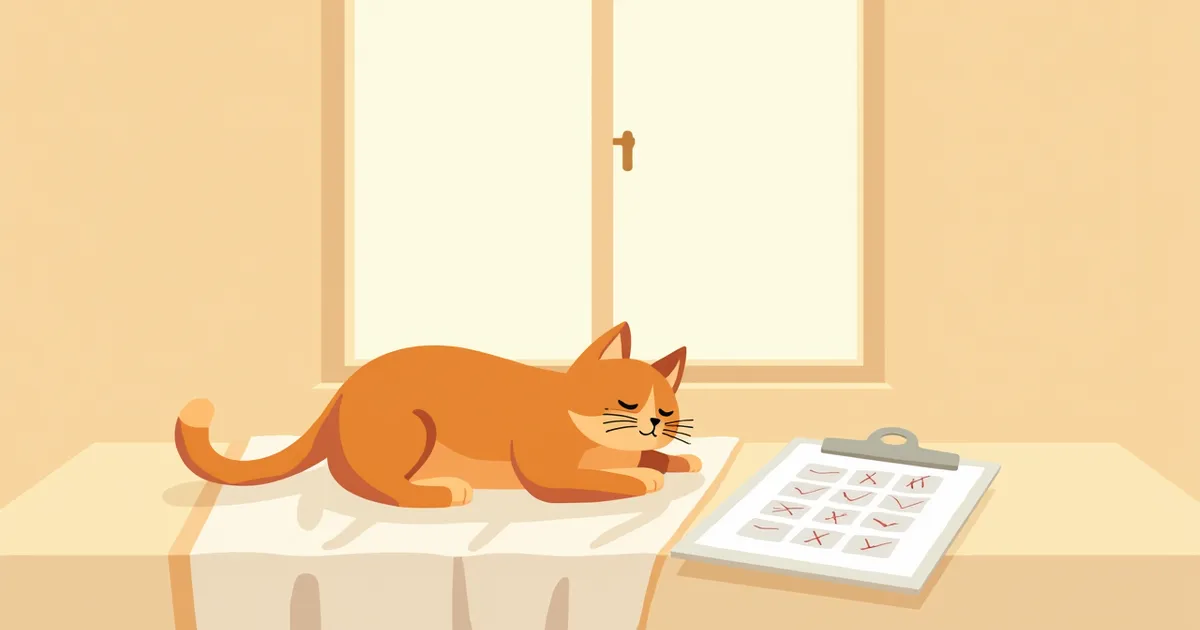
A cat enjoying a nap on the sofa during the day

When to Visit the Vet

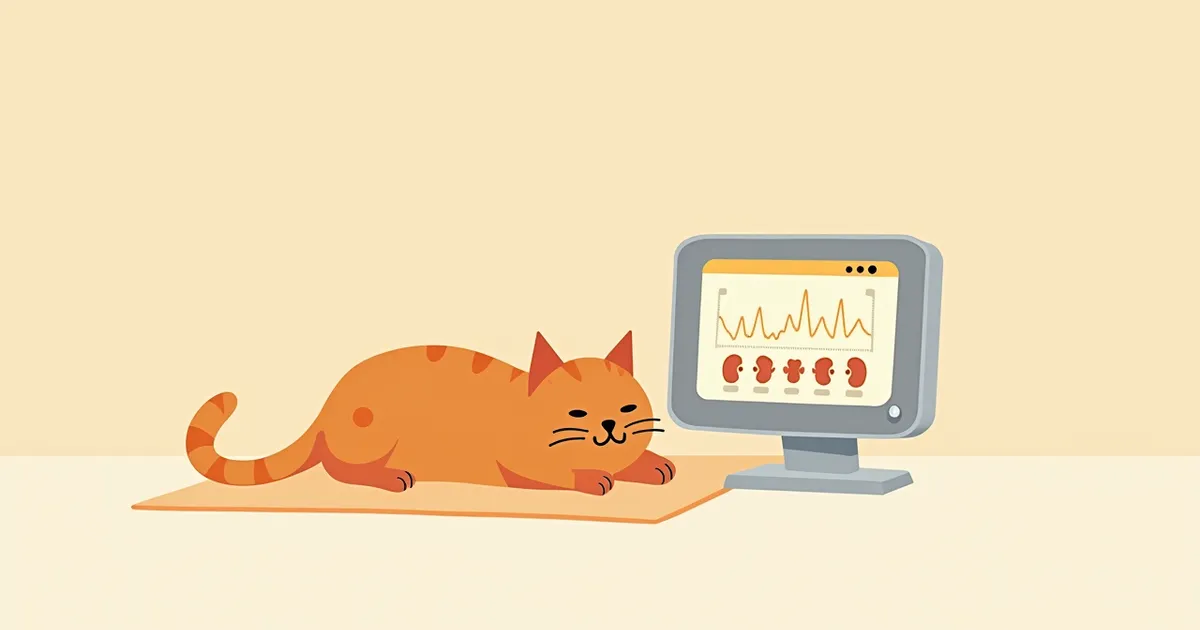
A sudden disruption in your cat’s normal crepuscular rhythm can be a sign of underlying health issues. Watch for these warning signs: 1) remaining almost motionless or hiding for more than 24 hours; 2) vocalizing and showing anxiety throughout the night, with no calm periods even during the day; 3) an older cat losing its sense of direction and wandering around at dawn (possible cognitive dysfunction); or 4) concurrent changes in appetite and urine output. If any of these apply, there may be an underlying condition such as hyperthyroidism, hypertension, or cognitive dysfunction, so please consult your veterinarian.

Practical Tips for Handling Early Morning Zoomies
You can’t eliminate your pet’s instincts, but you can change the timing. Here are some key management tips:
Focused play before bedtime: 1–2 hours before sleep, engage in 15–20 minutes of simulated hunting using a wand toy
Late-night snack after play: Complete the natural instinct cycle of hunt → eat → groom → sleep
Automatic feeder: Set to dispense a small amount at 5 a.m. to prevent your pet from waking you up
Puzzle feeder: Reduce daytime boredom and improve the quality of daytime naps
No response: If you feed your pet when it cries or wakes you up at dawn, it will learn that behavior
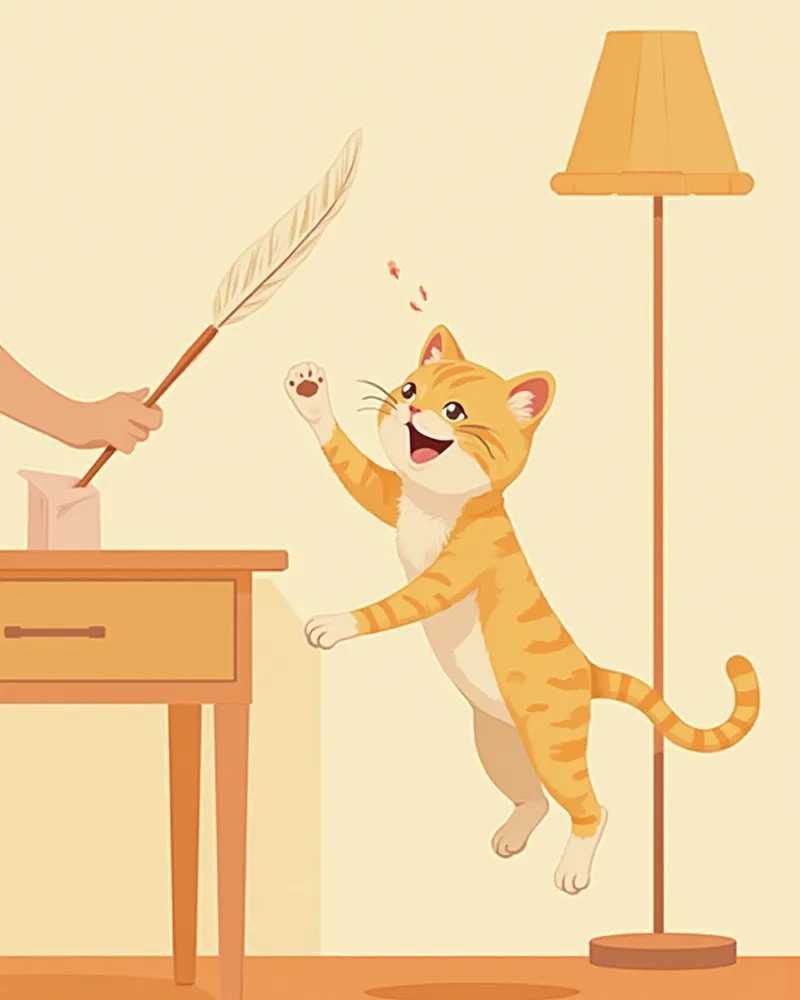
A cat playing a hunting game with a fishing rod toy in the evening

Patterns Differ for Multi-Cat Households, Senior Cats, and Kittens

Kittens (0–1 year): They have bursts of energy almost all the time. Increase playtime to 3–4 sessions per day.
Adult cats (1–10 years): They follow a typical crepuscular pattern, with clear activity peaks at dawn and dusk.
Senior cats (10+ years): As they age, sleep and rest periods may increase. If nighttime vocalizations ("night crying") become more frequent, consider cognitive dysfunction syndrome.
Multi-cat households: Cats often stagger their activity times based on social hierarchy. Reduce conflicts by spreading out feeding, play, and litter box areas. For more on overall feline health indicators, see the Cat Health Check Guide.

Reviewed by a veterinarian

Dr. Tony — Punnawat Phongkittirak

Dr. Tony — Punnawat Phongkittirak

Veterinarian

A veterinarian who majored in veterinary medicine at Khon Kaen University, Thailand, and completed the IVSA program at North Carolina State University in the United States. Drawing on clinical experience at animal hospitals, he works in the pet healthcare field and is dedicated to building a digital care environment that connects pet parents with veterinarians.

Frequently Asked Questions

Can you turn a cat into a "day-active" one?
While it’s difficult to completely change your pet’s natural rhythm, you can encourage them to be more active in the evening. Engaging in playtime before bedtime and establishing a late-night snack routine are the most effective strategies.
My dog is barking excessively in the early morning hours. Could this be a sign of an illness?
Most healthy cats aged 1 to 5 years are typically normal. However, if excessive appetite, hyperactivity, restlessness, and nighttime vocalization occur together, hyperthyroidism should be suspected, and a blood test is necessary.
Is it okay if my pet sleeps too much during the day?
It’s completely normal for cats to spend about 75% of their day sleeping and resting. However, if your cat seems sluggish when awake or doesn’t respond when called, it’s a good idea to have them checked by a veterinarian.
In a multi-cat household, only one cat is active in the early morning hours.
Lower-ranking puppies often avoid resources by timing their activities differently. Reduce competition by adding extra food bowls, litter boxes, and hiding spots.
Can turning on a night light help?
In fact, it could have the opposite effect. Cats are naturally more active at dawn and dusk, so a darker environment helps maintain their natural circadian rhythm. We recommend using only soft, indirect lighting rather than bright night lights.

Share

Related Guides

References

[1] Applied Animal Endocrinology, 3rd Edition — Circadian Rhythm and Hormonal Regulation

[2] Turner, D.C. & Bateson, P., The Domestic Cat: The Biology of its Behaviour, 3rd Edition, Cambridge University Press

[3] Bradshaw, J.W.S., The Behaviour of the Domestic Cat, 2nd Edition, CABI Publishing

This information is based on veterinary literature and does not replace diagnosis or treatment. Please consult a veterinarian for specific health concerns.

Metapet Co., Ltd. | CEO: Park Sung-yong | Business Reg. No. 417-88-02562 | Seoul, South Korea | Customer Center

Why Are Cats Active at Dawn & Dusk? Crepuscular Guide | Meongsiljang