
How to Correct Puppy Mouthing
I’ve compiled the causes of puppy mouthing and step-by-step correction methods, based on veterinary behavior textbooks.
How Should You Correct Puppy Mouthing?
Reasons Why Puppies Mouth
Step-by-Step Mouthing Correction Methods
Stop Play and Redirect Attention: Do It Like This
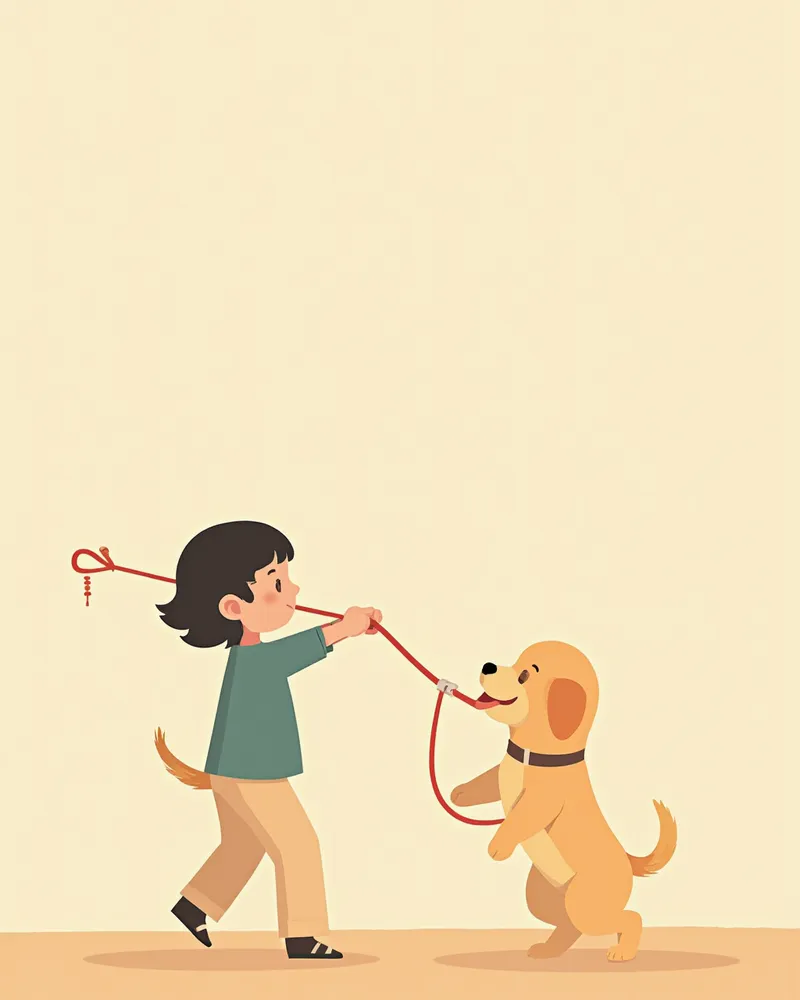
Mouthing Correction Methods You Should Never Use
Never grab your dog’s mouth or muzzle, nor hit their nose. Physical punishment instills fear and anxiety, and can actually increase aggression. Veterinary behaviorists warn that punishment-based training can worsen problematic behaviors. Even shouting “No!” can be perceived by your dog as attention, which may backfire.
Managing Mouthing During the Teething Stage

Should You Definitely Attend Puppy Classes?
When Professional Consultation Is Necessary
If biting hasn’t decreased by seven months of age, or if your dog growls while biting or becomes aggressive in certain situations, it may not be simple mouthing. This could be fear- or anxiety-based aggression, so we recommend consulting a veterinarian or a veterinary behaviorist.
Reviewed by a veterinarian

Dr. Tony — Punnawat Phongkittirak
VeterinarianA veterinarian who majored in veterinary medicine at Khon Kaen University, Thailand, and completed the IVSA program at North Carolina State University in the United States. Drawing on clinical experience at animal hospitals, he works in the pet healthcare field and is dedicated to building a digital care environment that connects pet parents with veterinarians.
Reviewed 2026-04-16
Frequently Asked Questions
How long does puppy biting last?
My puppy only bites my hands. Why does he do that?
Does saying "No!" stop the biting?
My dog is fully grown but still bites. Can this behavior be corrected?
My puppy only chews on furniture and shoes. Is this the same as biting?
Share
Related Guides
7 Behavioral Enrichment Strategies for Mental Stimulation Recommended by Veterinarians

Top 5 Calming Supplements for Dogs and Cats in 2026

L-Theanine Effects and Calming Support
How to Care for Your Dog After a Splenectomy — A Complete Guide to Recovery Precautions
Late-Stage Dog Cancer — When to Start Hospice Care and Key Steps to Maintain Quality of Life
What Is Canine Hemangiosarcoma? — A Complete Q&A Guide for Pet Owners from Diagnosis to Prognosis

My Dog Keeps Having Seizures — Brain Tumor Signs and When to Visit the Vet
What is hepatic encephalopathy in dogs? — Confusion, stumbling, emergency signs and response
My Dog Has a Liver Cyst — Is It Dangerous? Prognosis & Treatment Q&A
My Cat Keeps Vomiting — Is It a Warning Sign of Cholecystitis? Q&A on Abdominal Pain and Vomiting Management
References
[1] Veterinary Guide to Preventing Behavior Problems in Dogs and Cats, Wiley-Blackwell, Chapter 5: Setting Puppies Up for Success
[2] Introduction to Animal Behavior and Veterinary Behavioral Medicine, Elsevier, Chapter 5–6: Puppy Behavior and Socialization