Like
Share
멍실장
강아지 구강 검진 권장 주기 자주 묻는 질문 Q&A — 보호자가 꼭 알아야 할 핵심

Recommended Frequency for Puppy Oral Exams: Frequently Asked Questions (Q&A) — Key Information Every Pet Owner Should Know

Oral HealthQ&AMeongsiljang Veterinary Advisory Board

Your dog’s oral health is directly linked to their overall well-being. We’ve compiled the essential information every pet owner should know about the recommended frequency and importance of regular dental check-ups.

What is the recommended frequency for puppy oral exams?

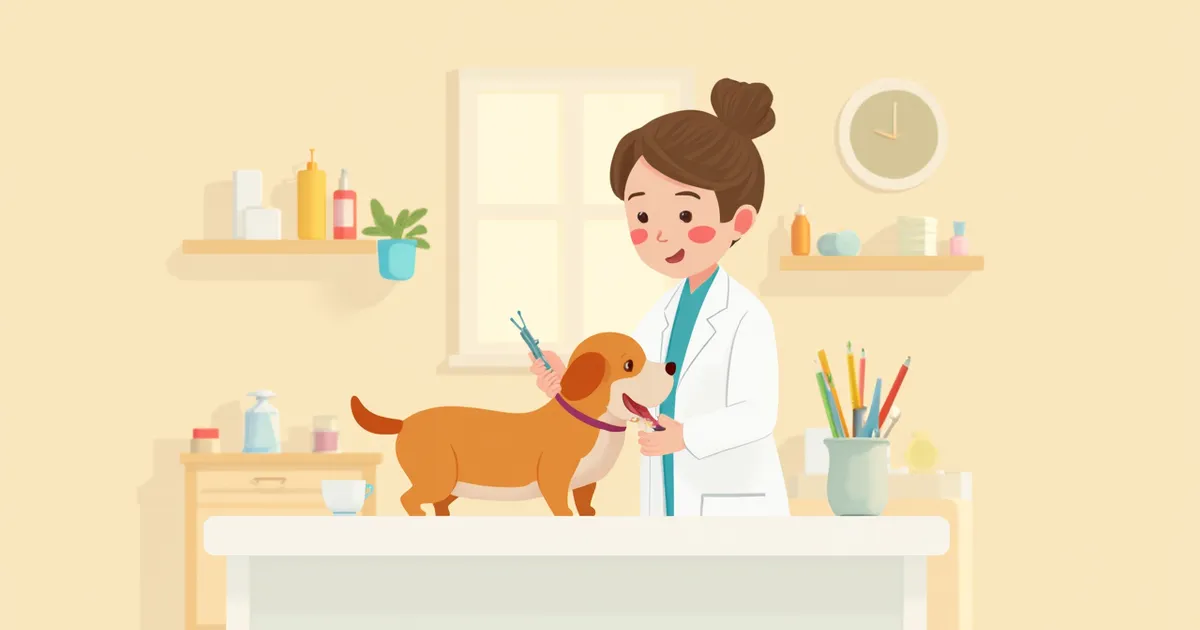
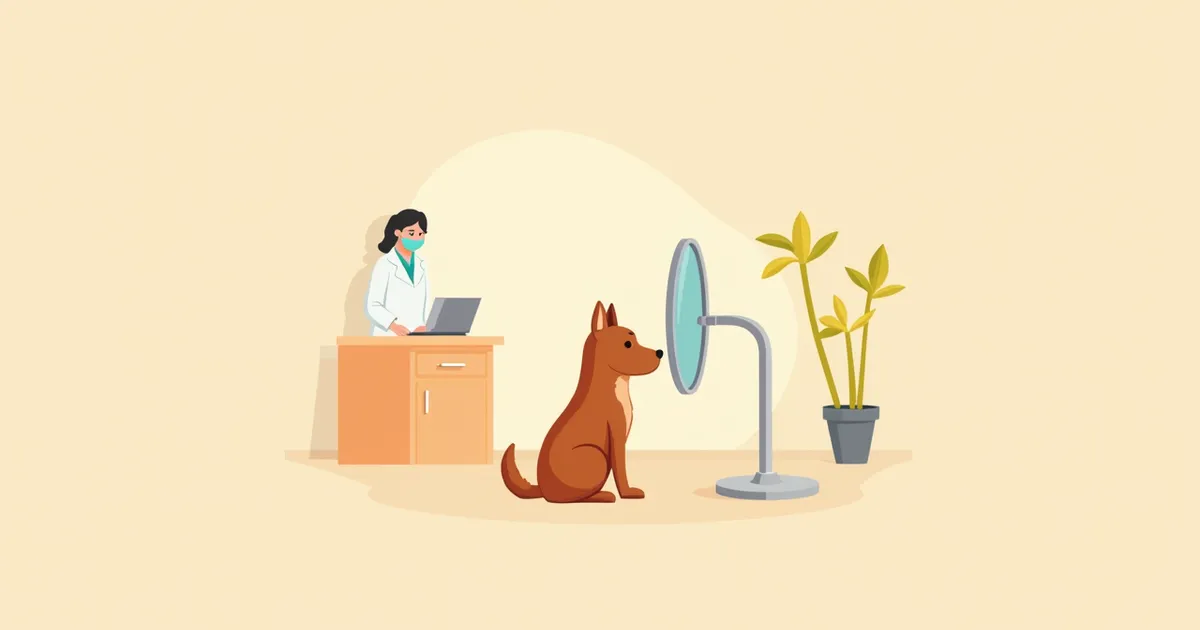
A veterinarian examining a puppy’s teeth.
The recommended frequency for your dog’s oral exams is an important health management guideline that varies depending on the specific circumstances of both you and your dog. Regular check-ups are essential for the early detection and prevention of dental diseases.
Regular Exams: Even in healthy adult dogs, periodontal disease often presents with few visible symptoms. To monitor overall health and detect oral issues early, regular examinations are advisable. The interval between check-ups should be determined in consultation with your veterinarian, tailored to your dog’s age and health status.
More Frequent Checks for High-Risk Groups: Small breeds (under 5 kg) and brachycephalic breeds are particularly prone to dental diseases, so it is advisable to consult your veterinarian about shortening the examination interval. Additionally, as dogs age, dental issues become more common, making close observation especially important for senior dogs.
Immediate Examination When Needed: If symptoms such as bad breath, loose teeth, or difficulty swallowing appear, an immediate visit to the clinic is necessary.

Why are oral exams important?

Your dog’s oral health is closely linked to their overall well-being. Dental issues can even affect internal organs such as the heart, liver, and kidneys.
Preventing periodontal disease: Inflammation around the teeth can lead to tooth loss and cause pain that makes eating difficult.
Reducing the risk of systemic infection: Bacteria from the mouth can spread through the bloodstream to other parts of the body, potentially leading to heart disease or kidney problems.
Early detection: Regular oral exams allow for the early identification of dental defects, tumors, and cavities, which can reduce treatment costs and shorten recovery time.
Your dog enjoying a chew toy designed to promote dental health.

What is checked during an oral exam?

A puppy’s oral exam goes beyond just looking at the teeth; it’s a comprehensive evaluation of the entire oral cavity.
Dental Assessment: We check for loose teeth, fractures, and resorptive lesions. While cavities are uncommon in dogs, rough tooth surfaces or structural defects can promote plaque buildup, potentially leading to bone and gum disease.
Gum Evaluation: We observe for inflammation, bleeding, swelling, and gum recession. Redness and swelling of the gums are often the first visible signs of periodontal disease. For a more accurate assessment of the gums and periodontal health, probing and dental radiographs are performed under anesthesia.
Halitosis Analysis: Persistent bad breath may signal not only dental issues but also systemic or metabolic conditions, such as kidney disease. Blood biochemistry tests may be necessary to identify the underlying cause.
Detection of Oral Tumors and Abnormalities: Early detection of small tumors or ulcers allows for timely treatment. Anesthesia and imaging studies may be required for an accurate diagnosis.
A veterinarian scaling a dog’s teeth.

Comparison Table of Oral Exam Frequencies

ItemSuitable DogsMain BenefitsPrecautions
Regular (short intervals)Healthy adult dogs, high-risk breeds (e.g., small dogs under 5 kg, brachycephalic breeds, etc.)Early detection of oral disease possible, overall health monitoringRequires repeat visits, increased cost when anesthesia and imaging are included
Once a yearHealthy adult dogs, dogs with no medical historyBasic health status can be checkedPossible delay in early disease detection, diagnostic limitations when anesthesia and dental radiography are omitted
As neededDogs with symptoms such as bad breath, difficulty swallowing, or loose teethAccurate diagnosis and treatment possibleComplications can be prevented through early treatment

The check-up interval needs to be adjusted according to the dog's age, breed, and health condition. A comprehensive dental examination including anesthesia and imaging is recommended at the veterinarian's discretion.

Tips for Management Before and After an Oral Exam
A dental checkup is more than just a routine procedure—it’s the starting point for everyday care. How you manage your pet before and after the exam can significantly impact their recovery and the overall effectiveness of the treatment.
Before the Exam: If the checkup involves anesthesia, fasting may be required to minimize gastrointestinal issues during the procedure. Please follow your veterinarian’s specific instructions for fasting duration rather than deciding on your own.
After the Exam: Do not offer food or water until your pet has fully recovered from anesthesia and the time period recommended by your veterinarian has passed. Afterward, introduce soft food gradually.
Daily Care: Regular tooth brushing is recommended following the exam. Consistent brushing helps reduce tartar buildup and gum inflammation. Dental cleaners and chew toys can also serve as helpful supplements. However, since maintaining a consistent brushing routine can be challenging, it’s important to consider these supplementary methods alongside brushing.
Follow-up Exams: Adhere to the follow-up schedule recommended by your veterinarian based on the exam results. For instance, if periodontal disease is suspected, monitor your pet’s condition at the intervals advised by your veterinarian.
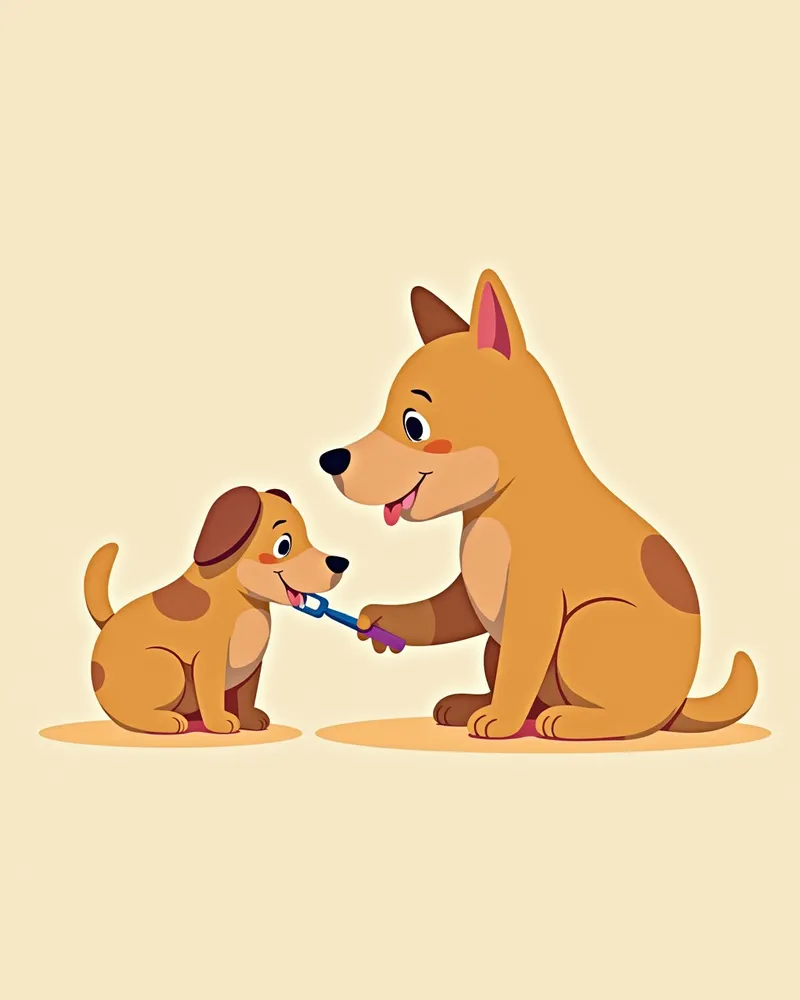
A guardian properly brushing their puppy's teeth

Signs Requiring Immediate Veterinary Visit

If your dog has severe bad breath or is having difficulty eating, you should visit a veterinary clinic immediately. This may indicate a dental disease and could also be a sign of systemic illness beyond just oral issues. A comprehensive evaluation by a veterinarian is necessary.

Daily Care Methods for Oral Health

While dental check-ups are important, daily care is even more crucial. Consistent habits are what truly protect your pet’s health.
Use of Dental Cleaners: Dental cleaners can help reduce plaque on the tooth surface. Use products recommended by your veterinarian. However, dental cleaners may not be as effective as brushing.
Chew Toys: Chew toys help reduce plaque by creating friction on the tooth surface. However, be cautious with excessively hard toys, as overuse can lead to tooth fractures.
Dietary Management: The impact of food type on oral health is limited and serves only as a supplementary measure, so it is best to provide a balanced diet recommended by your veterinarian. It is difficult to sufficiently prevent plaque with food alone.
Regular Brushing: Regular brushing is the most effective way to reduce tartar, gum inflammation, and periodontal tissue damage. However, since maintaining this routine can be challenging, it is important to start with short sessions and gradually build the habit.
Dental care products for dogs, such as tooth cleaners and toothbrushes

Points to Note: Risks of Improper Care

When it comes to your dog’s oral care, using the wrong methods can actually lead to bigger problems. There are some important points for pet owners to keep in mind.

Reviewed by a veterinarian

Dr. Tony — Punnawat Phongkittirak

Dr. Tony — Punnawat Phongkittirak

Veterinarian

A veterinarian who majored in veterinary medicine at Khon Kaen University, Thailand, and completed the IVSA program at North Carolina State University in the United States. Drawing on clinical experience at animal hospitals, he works in the pet healthcare field and is dedicated to building a digital care environment that connects pet parents with veterinarians.

Frequently Asked Questions

Is an annual dental checkup sufficient for dogs?
Annual check-ups represent the bare minimum for preventive care. Even healthy adult dogs benefit from regular veterinary exams, with the frequency tailored to your pet’s needs in consultation with your veterinarian. High-risk groups, such as small-breed and brachycephalic dogs, may require more frequent monitoring.
Does an oral examination require anesthesia?
Yes, anesthesia is necessary for an accurate examination. Anesthesia-assisted exams, including probing and dental radiographs, are the standard for precise diagnosis, and the anesthesia is carefully managed by the veterinarian.
My dog hates brushing his teeth. What should I do?
Introduce the habit gradually. Start by applying toothpaste to your finger and gently rubbing it on your pet’s teeth, then slowly transition to using a toothbrush. If your pet seems resistant, you can supplement with dental cleaners or chew toys.
My pet has bad breath. Do they need a dental checkup?
Yes, bad breath can be a sign of dental disease, but it may also indicate systemic or metabolic conditions such as kidney disease. Please consult with your veterinarian.
How much does an oral examination cost?
Checkup costs vary depending on the clinic and location, typically ranging from $40 to $70. Preventive checkups can help save money in the long run.

Share

Related Guides

References

[1] Logan, E.I. (2006). Dietary influences on periodontal health in dogs and cats. Veterinary Clinics of North America. Small Animal Practice, 36, 1385–1401.

[2] Reddy, B.S., Engle, J. (1997). The effect of chlorhexidine on canine oral health. Journal of Veterinary Dentistry, 15(3), 129–134.

[3] Blake, A.B. and Suchodolski, J.S. (2016). Importance of gut microbiota for the health and disease of dogs and cats. Animal Frontiers, 6(3), 37–42.

This information is based on veterinary literature and does not replace diagnosis or treatment. Please consult a veterinarian for specific health concerns.

Metapet Co., Ltd. | CEO: Park Sung-yong | Business Reg. No. 417-88-02562 | Seoul, South Korea | Customer Center

Dog Dental Check-Ups: 5 FAQs Every Pet Owner Should Know | Meongsiljang